Alexander The Great, also known as Alexander III of Macedon, was the king of the great ancient Greek kingdom of Macedonia, He was born on July 21, 356 BC.
At the age of fourteen, he met the philosopher Aristotle, who was appointed to be Alexander’s private tutor Little is known about Alexander’s childhood At the age of 18, he demonstrated his military prowess for the first time at the Battle of Chaeronea, took the throne in 336 BC when his father was assassinated.
Alexander The Great and Egypt
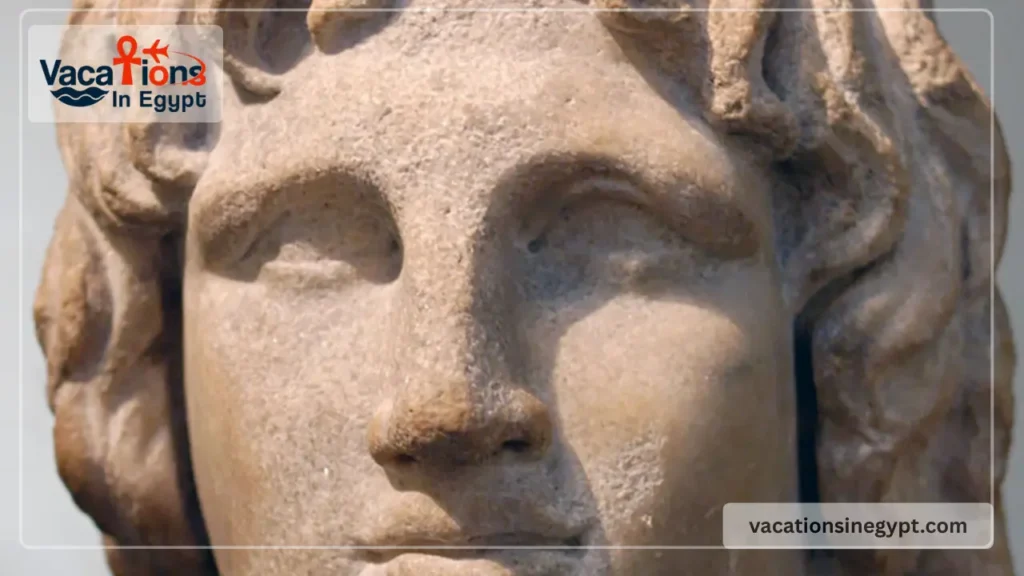
He arrived in Egypt in 332 BC. After defeating the Persian Emperor Darius for control of Syria and the Levant, Alexander marched into Egypt Where Egypt was part of the Persian Empire Alexander and his army of Greeks were considered liberators, he did not stay in Egypt long Alexander respected Egyptian culture and religion Alexander also founded a new Greek capital, located on the Mediterranean Sea at the mouth of the Nile River.
After Alexander’s death, Ptolemy, one of his generals, declared Egypt his kingdom and established hereditary rule. Alexandria emerged as a great Mediterranean city and a center of Hellenic civilization, spreading Greek knowledge and culture.
Arrived in the city of Susa in Persia in early 324 BC. He wanted to unite the Persians and Macedonians, so he ordered many of his officers to marry Persian princesses in a wedding ceremony. collective.
He also took two other wives for himself. Alexander tried to change the culture of the Macedonians.
Still, the army rebelled against him and resented his action, but he quickly restored their titles and held a large reconciliation banquet.
Alexander Becomes King
Alexander’s father, Philip, was assassinated by his bodyguard, Pausanias Alexander seized the Macedonian throne and killed his rivals Alexander appointed General Antipater as regent and headed to Persia with his army.
Alexander then headed south and easily captured the city of Sardis Despite resistance to his army in the cities of Miletus and Milasa, he was not defeated.
Alexander the Great
Military History
had a legendary record of undefeated wars. Alexander is considered one of the most successful military leaders in history Despite his military victories. he failed to provide an alternative to the Achaemenid Empire Alexander assumed the throne of Macedonia after the death of his father, Philip II Alexander set out east against the Achaemenid Persian Empire under the leadership of the “King of Kings”.
Darius II His conquests included Anatolia, Syria, Gaza, Egypt, and Persia Before his death, carried out military expansions in the Arabian Peninsula Alexander’s kings abandoned these plans after his death, dividing the empire among themselves and continuing 40 years of war.
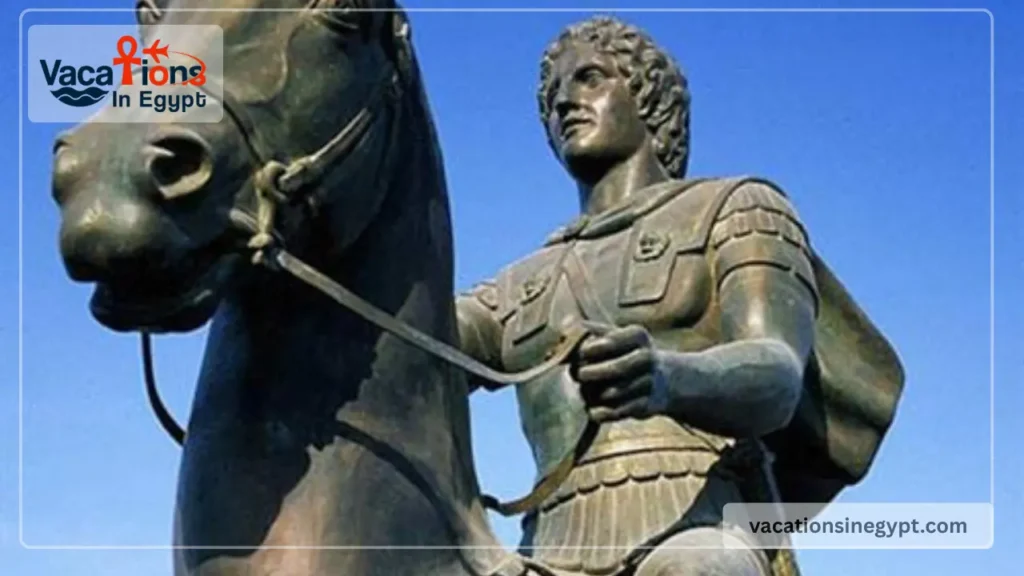
Alexander Kills Cleitus
Cleitus, a general close to Alexander, however, was tired of Alexander’s new, Persian-like personality. And he continued to insult Alexander and belittle his achievements. However, his end was at the hands of Alexander. Alexander killed Cletus with a spear. he struggled to capture Sogdia, a region of the Persian Empire, but its people refused to surrender.
Alexander Becomes King of Persia
After invading Egypt, Alexander faced Darius and his massive forces. After that, fierce fighting, Darius fled and was assassinated by his forces. he got rid of Darius and declared himself king of Persia After a pursuit by Alexander, Bessus’ forces handed Bessus over to Ptolemy, Alexander’s close friend, and he was executed. he took complete control of Persia.
Alexander’s Military Achievements
He liberated the Greek city of Ephesus from Persian control. Then he defeated King Darius III of Persia. he conquered Syria, then Egypt, where he founded the city of Alexandria.
Although he is known for spreading Greek culture, he did not impose it on the people he conquered.
he defeated King Darius III again in battle Alexander gave many names to cities as a form of propaganda and named them Shahenshah, a Persian title meaning “king of kings.” Alexander suffered heavy losses and was facing other problems.
Alexander’s Legacy
Includes Alexander’s cultural history created by his conquests. Undoubtedly, he created a city that bears his name, the most famous of which is Alexandria in Egypt.
It always shows great importance in the history of all Greek and non-Greek languages. But military commanders cannot compare his performance.