


 Private & Historical tour in Egypt
 5 Days Cairo Tour From Singapore
from$1,700.00
Private & Historical tour in Egypt  Private & Historical tour in Egypt
  Private & Historical tour in Egypt
  Private & Historical tour in Egypt
  Private & Historical tour in Egypt
  Private & Historical tour in Egypt
  Private & Historical tour in Egypt Family Vacation Packages
  Private & Historical tour in Egypt
  Private & Historical tour in Egypt
  Private & Historical tour in Egypt
  Private & Historical tour in Egypt
  Family Vacation Packages
 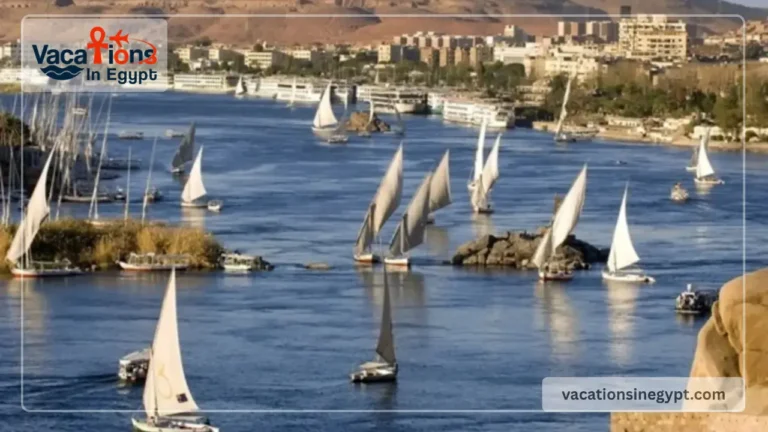 Nile Cruise Tour
  Egypt Classic Tour Packages
  Private & Historical tour in Egypt
  Private & Historical tour in Egypt
  Private & Historical tour in Egypt
  Family Vacation Packages
  Private & Historical tour in Egypt
  Private & Historical tour in Egypt
  Family Vacation Packages Private & Historical tour in Egypt
  Nile Cruise Tour
  Private & Historical tour in Egypt
  Nile Cruise Tour Private & Historical tour in Egypt
  Adventure Tour
  Easter Holiday
  Nile Cruise Tour
 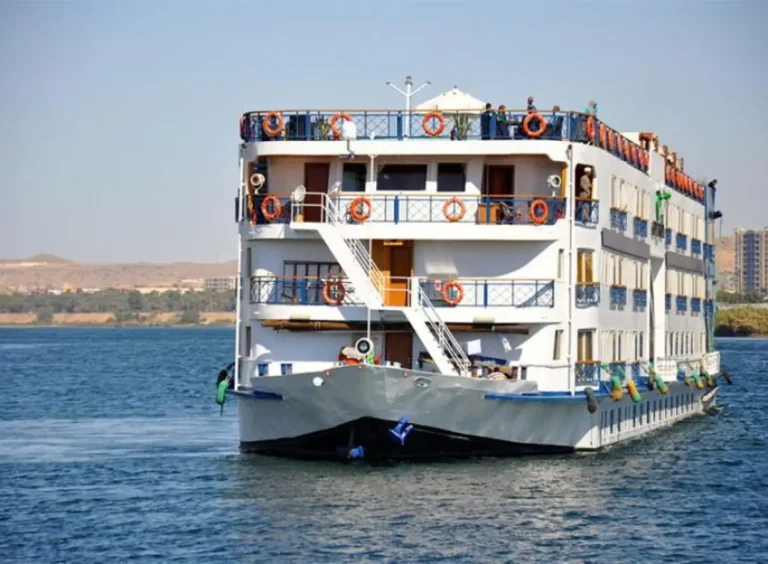 Nile Cruise Tour
 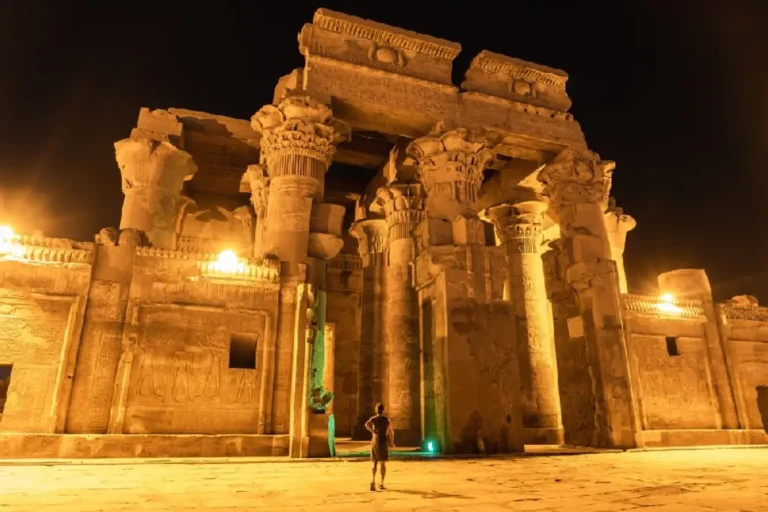 Nile Cruise Tour
  Christmas Tour
  Christmas Tour
  Private & Historical tour in Egypt
  Private & Historical tour in Egypt
 Standing silently on the west bank of the Nile near Luxor, the Colossi of Memnon are among the most iconic monuments of ancient Egypt. actually These two colossal statues, each rising approximately 18 meters (60 feet) high, depict Pharaoh Amenhotep III seated upon his throne, hands resting on his knees, his gaze fixed eastward toward the rising sun and the flowing Nile.
Carved from massive blocks of quartzite transported from the quarries of Gebel el-Ahmar near Cairo — under the supervision of the legendary architect Amenhotep son of Hapu — these statues once guarded the grand entrance to what was the largest funerary temple in all of ancient Thebes. Flanking the pharaoh on each statue are carved figures of his mother, Queen Mutemuia, and his wife, Queen Tiyi, a touching detail that humanizes one of history’s most powerful rulers.
The Legend of the Singing Colossus
There is no doubt the Colossi of Memnon became world-famous in antiquity for a mysterious phenomenon: one of the statues — the northern one — would emit a haunting, musical sound at dawn.
Greek travelers, including the geographer Strabo, marveled at this and wove it into mythology.
They believed the statue depicted Memnon, the mythical warrior-prince of Ethiopia, son of the goddess Aurora (the dawn), who was slain by Achilles in the Trojan War.
Each morning, it was said, he cried out to greet his mother as she rose on the horizon.
The real explanation is geological: a devastating earthquake in 27 BC cracked the statue from the waist up, and as the morning sun warmed the fractured stone, it expanded and vibrated, producing the eerie sound.
The phenomenon drew emperors, poets, and pilgrims from across the Roman world — many of whom carved their names and impressions into the statue’s base, including Emperor Hadrian and his wife Sabina.
The colossus “sang” until the Roman Emperor Septimius Severus ordered its restoration in the early 3rd century AD, after which the sound was heard no more.
Located in the area of Kom el-Hettán, near Medinet Habu on Luxor’s West Bank, the Colossi of Memnon are today the most visible surviving remnant of Amenhotep III’s vast funerary complex.
There is no doubt Ongoing excavation and conservation efforts have gradually revealed additional statues and architectural elements of the original temple, making each visit a chance to witness living archaeology.
The statues face east — toward the sunrise — and the experience of standing before them at dawn, as countless ancient pilgrims once did, remains one of Egypt’s most powerful travel moments.
There is no doubt our guided Egypt vacation packages include a dedicated stop at the Colossi of Memnon as part of a comprehensive West Bank Luxor experience.
Paired with visits to the Valley of the Kings, the Temple of Hatshepsut, and Medinet Habu, this itinerary puts you face-to-face with the grandeur of the New Kingdom pharaohs.
The Colossi of Memnon are located on the West Bank of the Nile in Luxor, Egypt, in an area known as Kom el-Hettán, near the temple complex of Medinet Habu. They are easily accessible from central Luxor by taxi, tour bus, or bicycle.
The Colossi of Memnon were built around 1350 BC during the reign of Pharaoh Amenhotep III of the 18th Dynasty, making them approximately 3,400 years old. They are among the best-preserved monumental statues from the New Kingdom period.
The name comes from ancient Greek mythology. Greek and Roman travelers believed the northern statue represented Memnon, the legendary warrior and son of Aurora, the goddess of dawn. In reality, both statues depict the Egyptian Pharaoh Amenhotep III, but the Greek name stuck throughout history.
After a powerful earthquake in 27 BC cracked the northern statue, the morning sun would heat the fractured stone, causing it to expand and emit a faint, musical sound. Ancient visitors interpreted this as the voice of Memnon greeting his mother, the dawn goddess. The sound stopped after Roman Emperor Septimius Severus restored the statue in the 3rd century AD.
Yes, absolutely. The Colossi of Memnon are one of the first stops on a standard West Bank Luxor day tour and are typically visited in the morning. They can easily be combined with the Valley of the Kings, the Temple of Hatshepsut (Deir el-Bahari), and the Ramesseum in a single full-day excursion.
The Colossi of Memnon are visible from the roadside and can be viewed for free from outside. They are located along the main West Bank tourist road, making them one of the few major Egyptian monuments that can be admired without a ticket. However, access to the surrounding excavation site may require a general West Bank admission pass.
The Colossi of Memnon sit close to several of Luxor's most important West Bank sites, including the Temple of Medinet Habu (the mortuary temple of Ramesses III), the Valley of the Queens, and the Ramesseum. Ongoing archaeological excavations around the statues continue to uncover remains of Amenhotep III's vast funerary temple, one of the largest ever built in ancient Egypt.
Build your own private tour to Egypt — one detail at a time.