


 Luxury Tour Luxury Tour
  Honeymoon Tour
  Private & Historical tour in Egypt
  Private & Historical tour in Egypt
  Private & Historical tour in Egypt
  Private & Historical tour in Egypt
  Private & Historical tour in Egypt
  Private & Historical tour in Egypt Family Vacation Packages Private & Historical tour in Egypt
  Private & Historical tour in Egypt
  Private & Historical tour in Egypt
  Cheap Egypt Tours & Budget Packages
  Cheap Egypt Tours & Budget Packages
 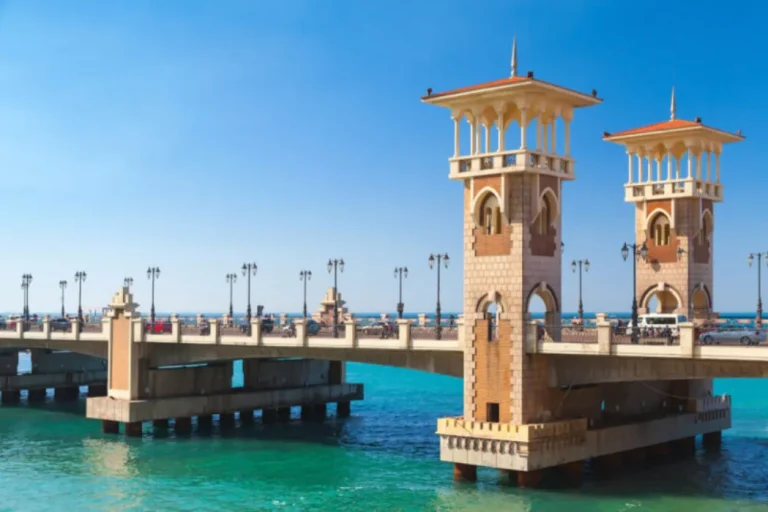 Family Vacation Packages
 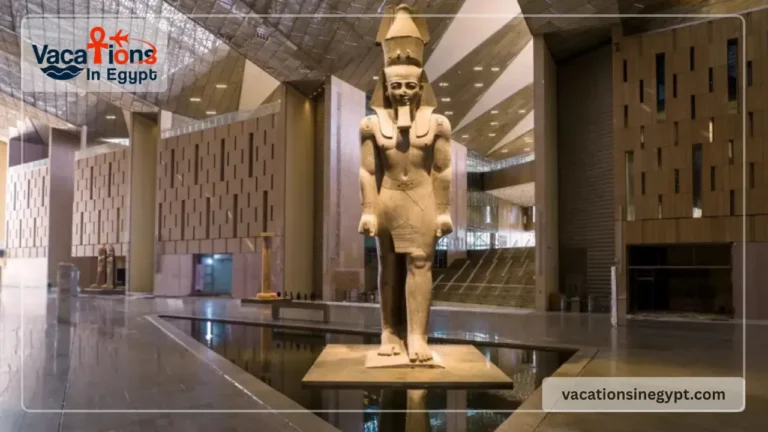 Luxury Tour
 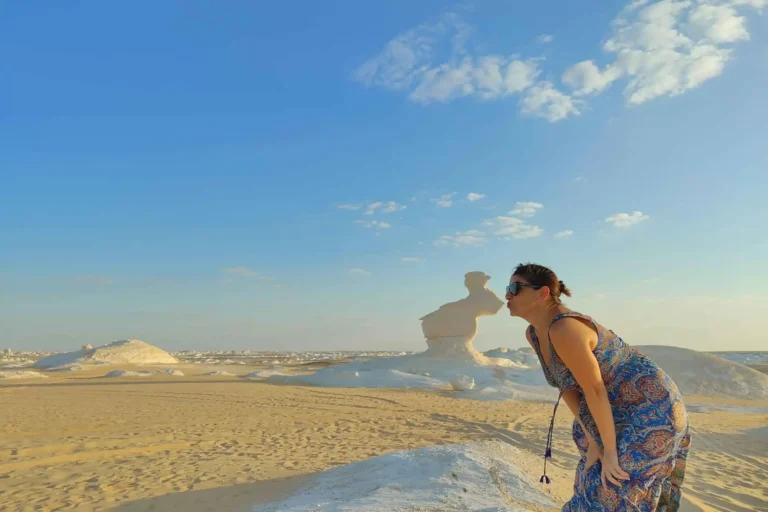 Adventure Tour
 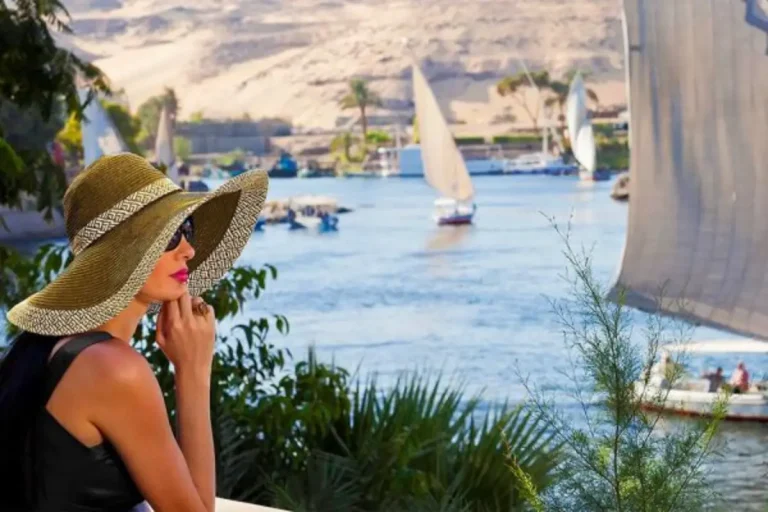 Egypt Classic Tour Packages
  Private & Historical tour in Egypt
  Private & Historical tour in Egypt
  Family Vacation Packages
  Private & Historical tour in Egypt
  Family Vacation Packages
  Private & Historical tour in Egypt
  Private & Historical tour in Egypt
  Private & Historical tour in Egypt Private & Historical tour in Egypt
  Private & Historical tour in Egypt
 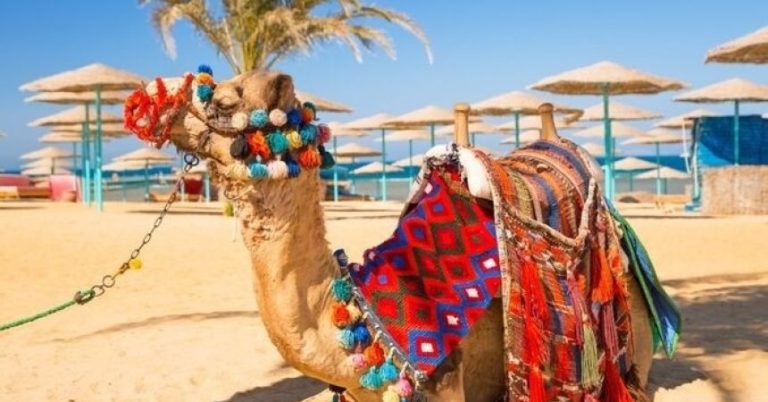 Adventure Tour
 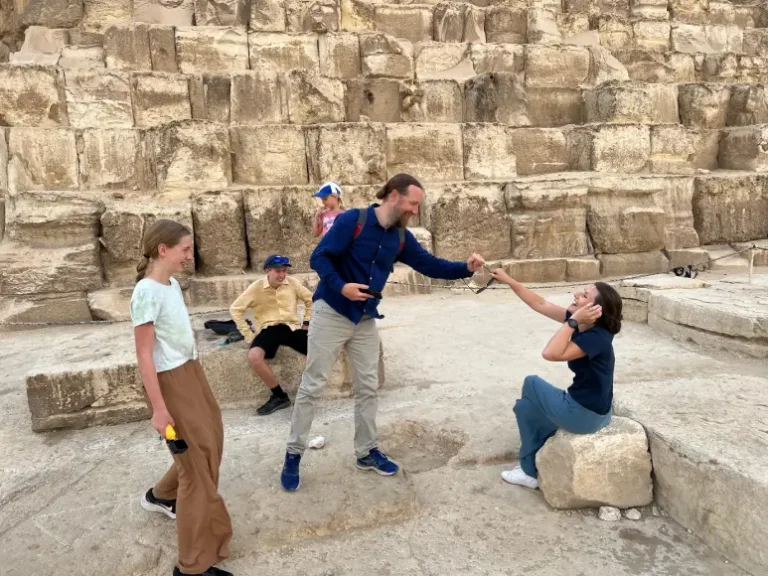 Family Vacation Packages
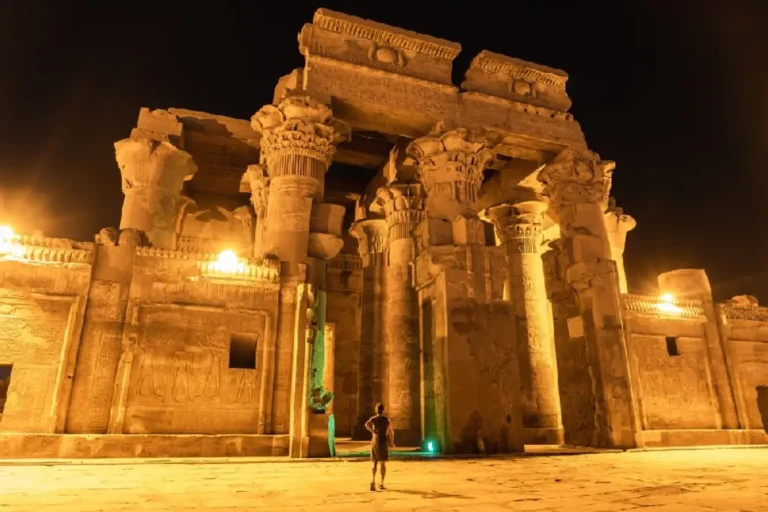
  Easter Holiday
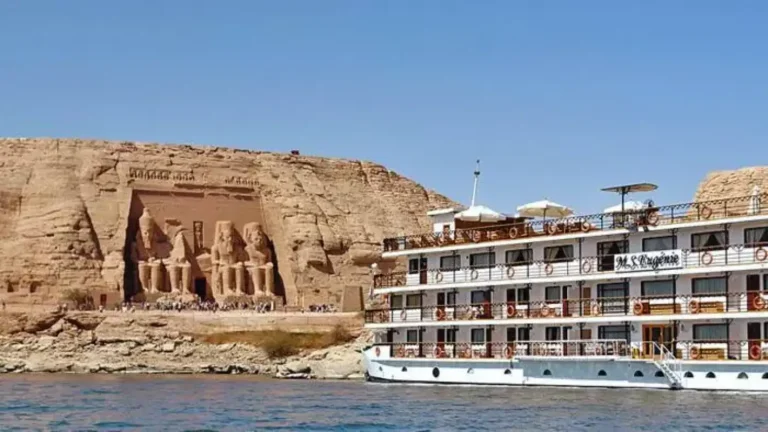
  Nile Cruise Tour
  Christmas Tour
  Christmas Tour
  Christmas Tour
  Private & Historical tour in Egypt
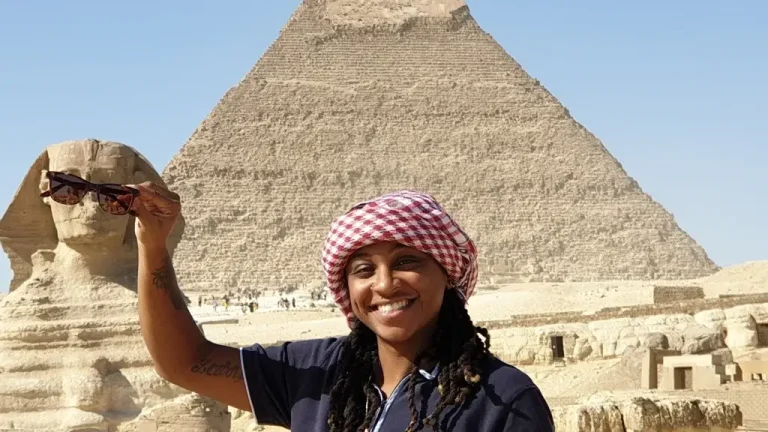
 The Pyramids of Giza aren’t just monuments; they are survivors. For four thousand years, they have watched civilizations rise and fall, standing today as the only remains of the original Seven Wonders of the Ancient World.
When you stand at the base of these structures, it’s impossible not to ask: How? Their flawless geometry and sheer scale feel almost impossible for the ancient world, leading to endless debates about who really moved those stones and what their true purpose was.
For a long time, Hollywood and old myths told us the pyramids were built by slaves. But the sand is finally giving up its secrets. Explorers have uncovered an entire workers’ village on the Giza plateau—a massive operation complete with its own bakeries and even medical clinics.
The evidence is clear: these were tens of thousands of skilled laborers, well-fed and cared for, working under the command of the Pharaohs to build these eternal tombs. They weren’t forced; they were part of a massive national achievement.
Even with the archaeology laid out, the “Pyramidologists” aren’t fully convinced. They look at the millimeter-perfect precision of the stone carvings and the complex math hidden in the dimensions. For some, it’s too perfect for bronze-age tools, sparking theories of “celestial” help or visitors from another world.
Whether you believe it was pure Egyptian grit or something more mysterious, the Giza plateau remains the ultimate architectural feat.
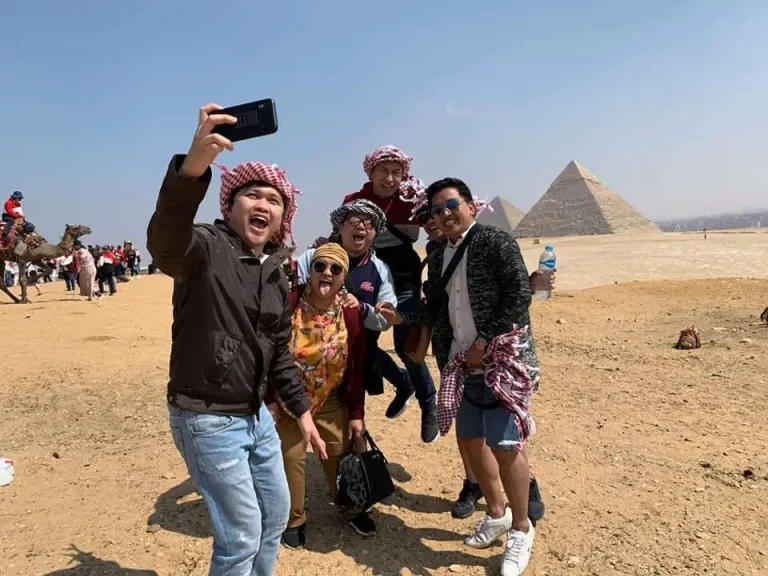
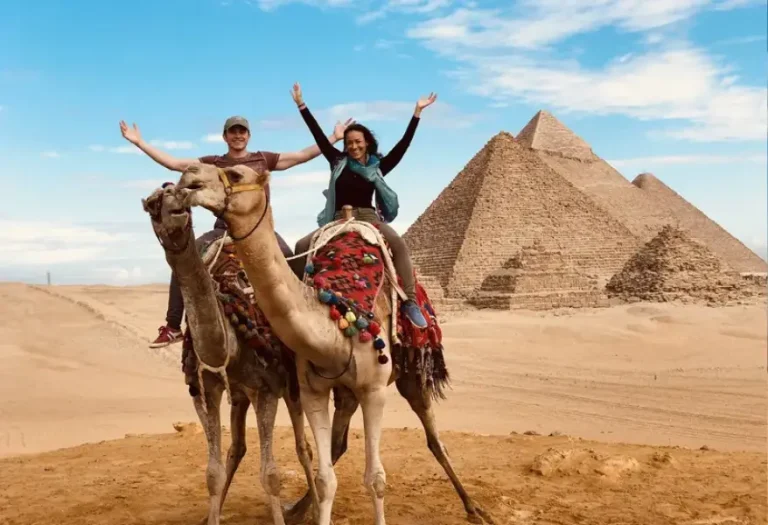
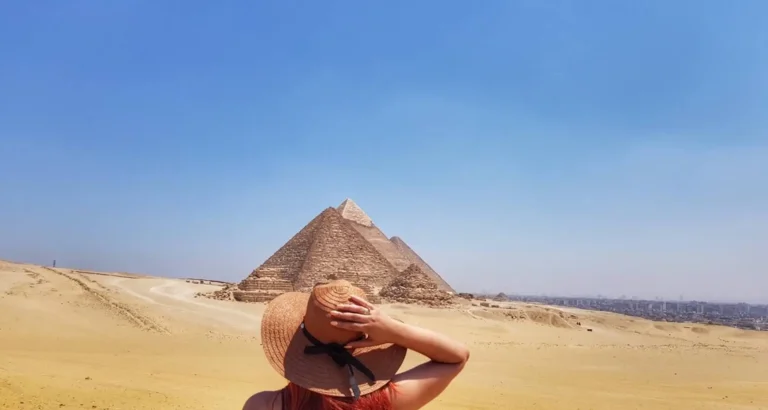
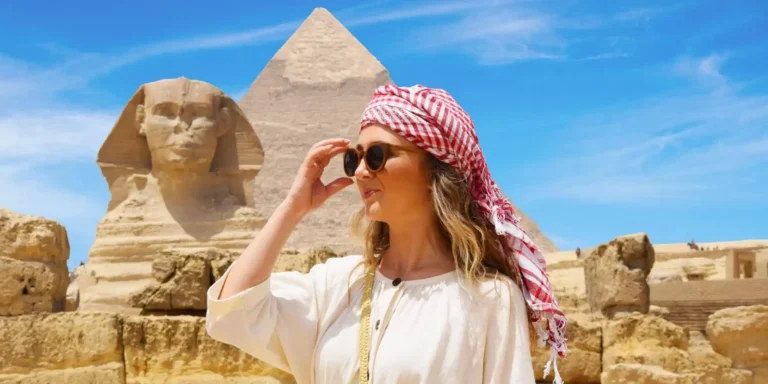
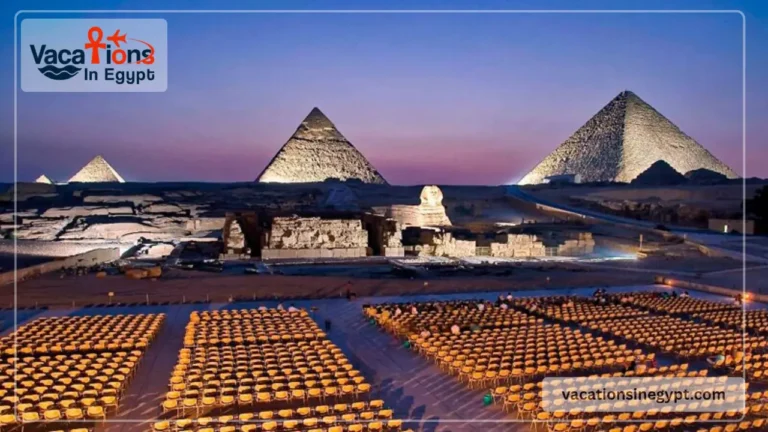
The pyramids of Giza in Egypt are located towards the outskirts of Cairo on the Giza plateau.
They are the most emblematic monuments legacy of the ancient Egyptian civilization. According to studies, their construction was completed around 2570 BC.
The Pyramids of Giza are located on the outskirts of the city of Cairo, and are vestiges bequeathed by Egyptians of antiquity, the most portentous and emblematic monuments of this civilization, and in particular, the three great pyramids of Giza, Also, the tombs or cenotaphs of the pharaohs Cheops, Chephren and Mycerinus, whose construction dates back to the Ancient Empire of Egypt. With an estimated date of completion in the year 2570 B.C.
The Great Pyramid of Cheops
It is the oldest pyramid in Giza, the largest in Egypt and one of the seven wonders of the ancient world.
In its construction, about 2.3 million limestone blocks were, apparently about 2.5 tons each.
Also, This pyramid demonstrates the knowledge and the great capacity of the organization that had the craftsmen and Egyptian workers at that time.
As for the findings near the pyramid, archaeological expeditions have come to find remains of a village of artisans and along with them, a cemetery, several kinds of warehouses and even quarries.
In the 10-meter-long king’s chamber,Also, the walls were built with red granite blocks.
The roof is made of nine huge granite slabs weighing more than 400 tons. Above these, four more slabs are separated by hollows designed to distribute the enormous weight. Thanks to the modern ventilation system (mounted in two ancient ventilation shafts), there is a good air flow and breathing is easier.
On the eastern exterior of this pyramid, there are three small structures about 20 meters high that look like pyramid-shaped piles of rubble. These are the pyramids of the queens:Also, the tombs of the wives and sisters of Cheops.
The pyramid of Chephren was built southwest of the great pyramid of Cheops, his father.
With its 136 meters high, it seems larger than that of Cheops. The effect is due to the fact that it is on higher ground and its tip is still protected by a limestone covering.
Originally, the three pyramids were covered by a polished white stone, so they probably shone in the sun.
Over the centuries, this covering was torn away for use in the construction of palaces and mosques, leaving the softer inner blocks exposed to the elements.
The chambers and passageways of this particular pyramid are less elaborate than those of the Great Pyramid of Cheops, but almost as claustrophobic.
From the entrance you go down a passageway and cross through the burial chamber.
With a height of 62 meters this pyramid is the smallest of the three. Mycerinos, who ordered the construction of the pyramid was the grandson of Cheops.
The monument has had several changes and cuts by the hand of man as they have wanted to dismantle it from its place. Like the other pyramids it was built for the same purposes.
The pyramidal chambers of Mycerinos are more complex than those of Chephren and include a carved chamber with decorative panels and another chamber with six large tombs. The burial chamber is lined with huge granite blocks.
The black stone pharaoh’s sarcophagus, also carved with panels, was discovered inside but was lost at sea while being transported to England.
Yes, you can go inside all three main pyramids, but each requires a separate ticket. As of 2026, the Great Pyramid of Khufu is the most popular (approx. 1,500 EGP), while the Pyramids of Khafre and Menkaure are more affordable (approx. 200–280 EGP).
No. A major change in 2026 is that the Giza Plateau ticket offices are strictly cashless for foreign visitors. You must use a credit or debit card, or purchase your tickets online in advance through the official Ministry of Tourism website to avoid the long queues.
Neither! Archaeological evidence and the discovery of the nearby "Workers' Cemetery" prove that the pyramids were built by thousands of skilled Egyptian laborers. These workers were well-fed, received medical care, and were highly organized, likely working in shifts during the Nile’s flooding season.
Absolutely not. While you can climb the first few massive stones to enter the authorized passages, climbing to the top is strictly forbidden and can lead to heavy fines or even prison time. Security is very strict about this to protect both the monuments and your safety.
The "Golden Hour" for Giza is 7:00 AM. Most large tour buses don't arrive until 9:00 or 10:00 AM. By arriving at opening time, you’ll enjoy cooler temperatures (crucial for 2026's desert climate) and much better opportunities for photos without hundreds of people in the background.
Build your own private tour to Egypt — one detail at a time.