


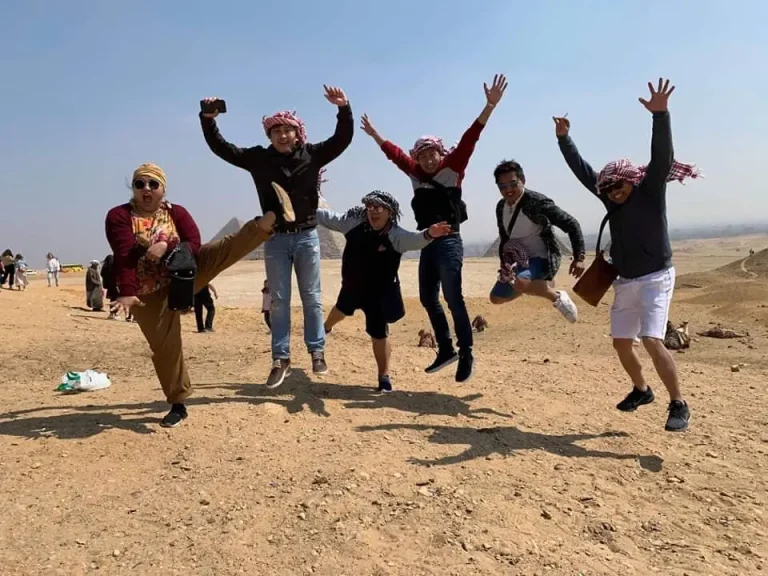
 Private & Historical tour in Egypt
 Free walking Tour Cairo 2027
from$600.00
Private & Historical tour in Egypt  Food Tour
  Private & Historical tour in Egypt
  Adventure Tour
  Private & Historical tour in Egypt
 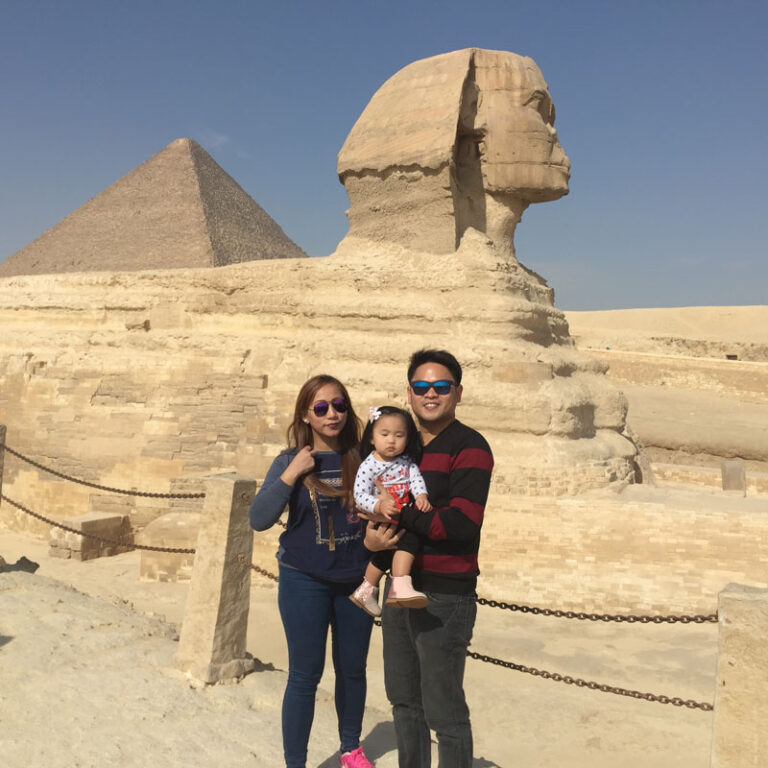 Private & Historical tour in Egypt
  Private & Historical tour in Egypt
  Private & Historical tour in Egypt
  Private & Historical tour in Egypt
  Private & Historical tour in Egypt
  Private & Historical tour in Egypt
  Private & Historical tour in Egypt
  Private & Historical tour in Egypt
  Private & Historical tour in Egypt
  Private & Historical tour in Egypt
  Private & Historical tour in Egypt
  Private & Historical tour in Egypt
  Private & Historical tour in Egypt
  Private & Historical tour in Egypt
  All inclusive
 The Babylon Fortress , which is considered one of the most famous and oldest fortresses built by the Roman Empire, has an excellent strategic location, as it is located in the center of Egypt in the heart of the capital Cairo, specifically near the Coptic Museum, so it has a great place
In the first century BC during the reign of Caesar Augustus, Babylon Fort was used to protect the southern roads leading to the Nile Delta and the city of Alexandria.
There are many opinions and sayings about the main reason behind the naming of this huge fortress, as it is one of the most famous fortresses in ancient Egypt and includes several churches up to about 6 churches in addition to the Coptic Museum and also includes a monastery for nuns.
Some attributed the reason for the name of this fort to the capital Babylon, which was located near this fort, and others say that it was named after the House of the Nile, and the House of the Nile was the house in which the god lived in Heliopolis, as the god Hapi resided in it during the era of the Old Kingdom, known as the god of the Nile.
The fort was built using stones taken from Pharaonic temples in Egypt and supplemented with red bricks.
Only two huge towers remain from the fortress, one of which is the Hanging Church, and the Greek Orthodox Church of Mary Girgis was built on the tower next to the Coptic Museum, while the rest of the fortress was destroyed.
In addition, the Hanging Church, Mar Girgis, the Virgin, Qasr al-Rayhan, Abu Sarja, St. Barbara, Mar Girgis Monastery for nuns, and the Jewish temple were built on the remaining parts of the wall in the tribal, western, and eastern parts of the fort.
The Babylon Fortress is one of the oldest and most famous Roman fortresses in Egypt. Built by the Roman Empire, the fortress served as an important military stronghold and later became a central part of the historic area known as Coptic Cairo.
The Babylon Fortress was built in the 1st century BC during the reign of Augustus. Its main purpose was to protect the southern routes leading to the Nile Delta and safeguard access to the important city of Alexandria.
The fortress is located in the heart of Cairo, within the historic district of Coptic Cairo, close to the Coptic Museum. Its central location made it strategically important for controlling routes along the Nile.
There are several theories about the name of the Babylon Fortress. Some historians believe it was named after the ancient city of Babylon, while others link the name to the “House of the Nile,” associated with the Nile god Hapi, who was believed to reside there during the Old Kingdom.
Several historic churches were built within or around the fortress walls, including the famous Hanging Church, Church of Saint Sergius and Bacchus, Saint Barbara Church, and the Monastery and Church of Saint George.
Today, only parts of the Babylon Fortress survive, including two large towers and sections of the original walls. Many religious buildings, including churches and monasteries, were later constructed on or near these remaining structures.
The Babylon Fortress was built using stones taken from ancient Egyptian temples combined with red bricks. This mix of materials reflects the architectural style of the Roman Empire and the reuse of earlier Pharaonic structures in later constructions.
Build your own private tour to Egypt — one detail at a time.