


 Private & Historical tour in Egypt
 4 Days Cairo Luxury Trip
from$450.00
Private & Historical tour in Egypt  Private & Historical tour in Egypt
  Private & Historical tour in Egypt
 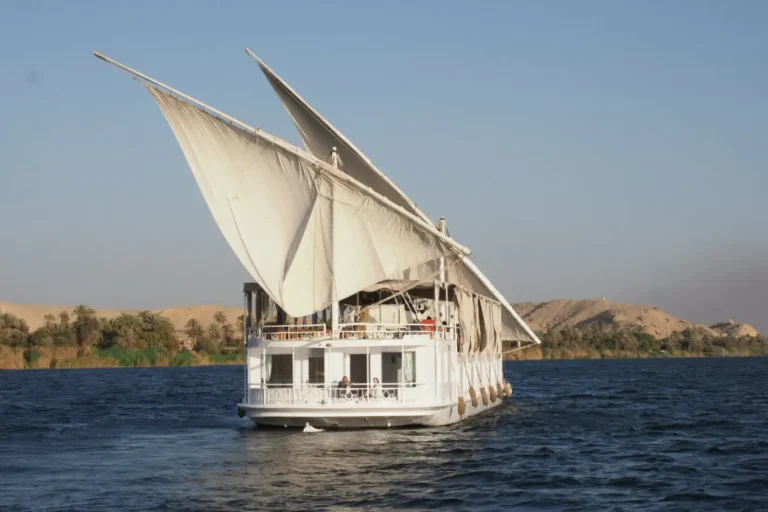 Nile Cruise Tour
  Sightseeing Tour
  Private & Historical tour in Egypt
  Private & Historical tour in Egypt
 Still The Valley of the Queens, in the south of Egypt in the city of Luxor on the western bank of the Nile River, is the necropolis where they buried the queens wives of the pharaohs, the princes and princesses and the mothers of the kings during the New Empire and especially the XVIII, XIX and XX dynasties. Tombs in the Valley are similar to the tombs of the Valley of the Kings, all the tombs decorated with paintings in bright colors seem to have been painted yesterday, all the tombs dug in the rock of the limestone mountains in Luxor. The necropolis was known in ancient Egyptian times as “Ta Set Neferu” the site of beauty, but in Arabic Biban El Hareem, Harem gates.
Of the most beautiful tombs in the Valley is the tomb of Nefertary, favorite wife of Ramses II, the most beautiful of all the Valley , the paintings on the walls of the tomb very well preserved, depicting Nefertari making offerings to the Egyptian goddesses.
Indeed The tomb of the child prince, son of Ramses III, Amen Hor Khepesh Ef, is very well preserved, the colors super well, the tomb is decorated in paintings of the son of the pharaoh accompanied by his father pharaoh and presents his son to the gods of the afterlife.
Finally, there are 98 tombs in the Valley of the Queens between tombs and wells, of the tombs of the Valley the tomb of Prince Ramses son of Pharaoh Ramses III, Jaemwaset son of Ramses III, Sitra wife of Ramses I, Nebet Tawy daughter wife of Ramses II, Merit Amon daughter wife of Ramses II, Titi daughter wife of Ramses III, Dua Tentopet daughter of Ramses III and wife of Ramses IV and Tuya the mother of Ramses II and wife of Seti I. The valley is classified as world heritage by UNESCO.
According to the Egyptian Ministry of Antiquities and Tourism, the tomb was discovered in 1903, and its walls are characterized by funerary and religious scenes, and the valley includes more than 70 tombs, the most important of which is the tomb of Queen Nefertari, wife of King Ramses II, which still retains the beauty and splendor of its inscriptions and colors, as Ramses decorated Nefertari's tomb extravagantly as the largest royal wives or
The secretary general of the Supreme Council of Antiquities, Mustafa Waziri, said in a statement that the tomb consists of a burial well 10 meters deep, leading to a large chamber with niches carved into the rock and closed with regular stone slabs
While the Valley of the Kings was the primary burial ground for Pharaohs, the Valley of the Queens served as the resting place for their wives, princes, princesses, and other high-ranking nobles. The Valley of the Queens is generally quieter and offers a more intimate look at the royal family's private history.
Absolutely. Often referred to as the "Sistine Chapel of Ancient Egypt," Nefertari’s tomb is widely considered the most beautiful in the country. The colors are incredibly well-preserved and vibrant, offering a level of detail that is unmatched in almost any other ancient structure.
To avoid the heat and the largest crowds, it is best to arrive early in the morning (around 6:00 AM or 7:00 AM) or in the late afternoon. This is especially important during the summer months when Luxor temperatures can become quite intense.
Build your own private tour to Egypt — one detail at a time.