When most people picture Egypt, they imagine the towering Pyramids of Giza, the endless flow of the Nile, or the chaotic energy of Cairo. But hidden beneath the vast silence of the Sahara lies a secret that few travelers discover: Egypt’s desert oases. Lush, ancient, and breathtaking, an oasis in Egypt is one of the most extraordinary travel experiences the country has to offer.
This guide covers everything you need to know — from the famous Siwa Oasis to the lesser-known Dakhla and Farafra — so you can plan an unforgettable journey into Egypt’s hidden desert paradise.
What Is an Oasis in Egypt?
An oasis in Egypt is a fertile, water-rich area surrounded by desert, where natural springs or underground water sources support plant life, agriculture, and human settlement. Egypt’s oases have been inhabited for thousands of years and served as vital trade and pilgrimage routes across the Sahara. Today, they are among the country’s most unique and rewarding destinations for adventurous travelers.
Egypt is home to five main oases in the Western Desert: Siwa, Bahariya, Farafra, Dakhla, and Kharga. Each has its own personality, history, and attractions.
The 5 Main Oases in Egypt
1. Siwa Oasis — The Crown Jewel of Egypt’s Western Desert
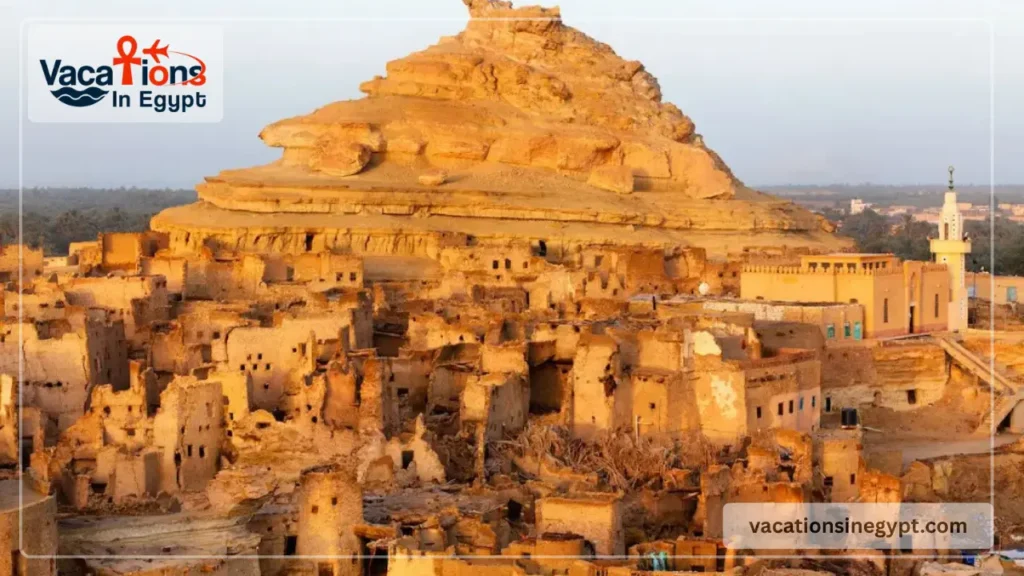
Located near the Libyan border in the heart of the Sahara, Siwa Oasis is the most famous and enchanting oasis in Egypt. Surrounded by towering golden sand dunes and fed by hundreds of freshwater springs, Siwa is a world unto itself.
Siwa is home to the Shali Fortress, a crumbling mud-brick citadel that rises dramatically from the center of town, and the legendary Temple of the Oracle, where Alexander the Great famously sought divine counsel. Cleopatra’s Bath — a natural freshwater pool used for millennia — and the serene Fatnas Island are also must-visit spots.
The local Berber community preserves a distinct culture, language, and cuisine that sets Siwa apart from the rest of Egypt. Savor fresh dates, fragrant olives, and locally pressed olive oil — staples of the Siwan table. This oasis is a rare blend of natural wonder, ancient history, and living culture.
Top attractions in Siwa Oasis:
- Shali Fortress
- Temple of the Oracle
- Cleopatra’s Bath
- Fatnas Island
- Great Sand Sea
2. Bahariya Oasis — The Gateway to the White and Black Deserts
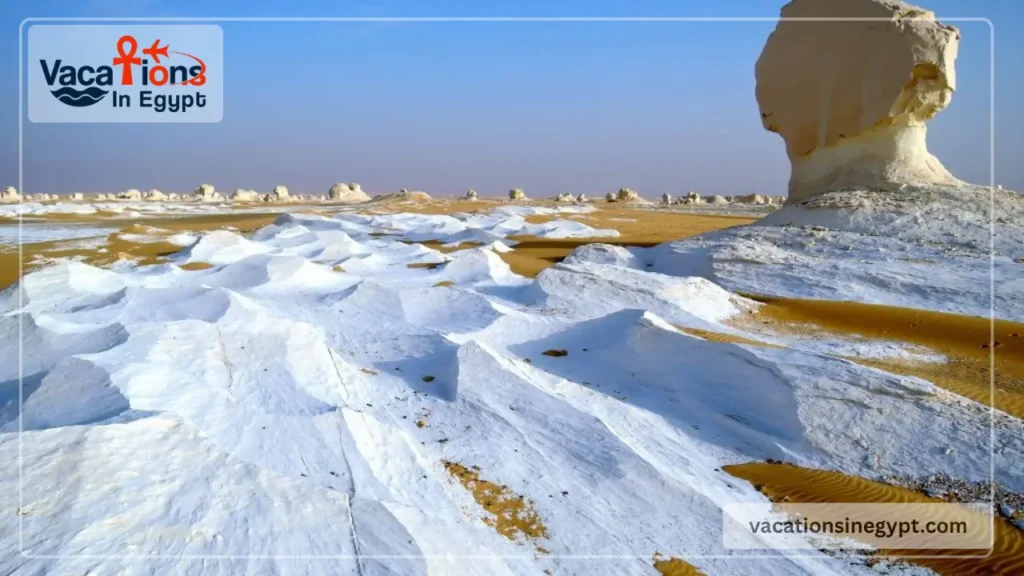
Situated closest to Cairo in the northern Western Desert, Bahariya Oasis is the most accessible oasis in Egypt and the perfect base for exploring two of the country’s most dramatic natural landscapes: the Black Desert and the White Desert.
The Black Desert is a volcanic plateau blanketed in dark basalt pebbles, while the nearby White Desert National Park features hauntingly beautiful chalk rock formations sculpted by centuries of wind erosion. Camping beneath the stars here is an experience that will stay with you forever.
Bahariya is also known as the site of the Valley of the Golden Mummies, where hundreds of Greco-Roman era mummies were discovered — one of the most significant archaeological finds in modern Egyptian history. The local Bahariya Museum displays many of these treasures.
Top attractions in Bahariya Oasis:
- White Desert National Park
- Black Desert
- Valley of the Golden Mummies
- Bahariya Museum
- Therapeutic hot springs
3. Farafra Oasis — The Most Remote and Tranquil Oasis in Egypt
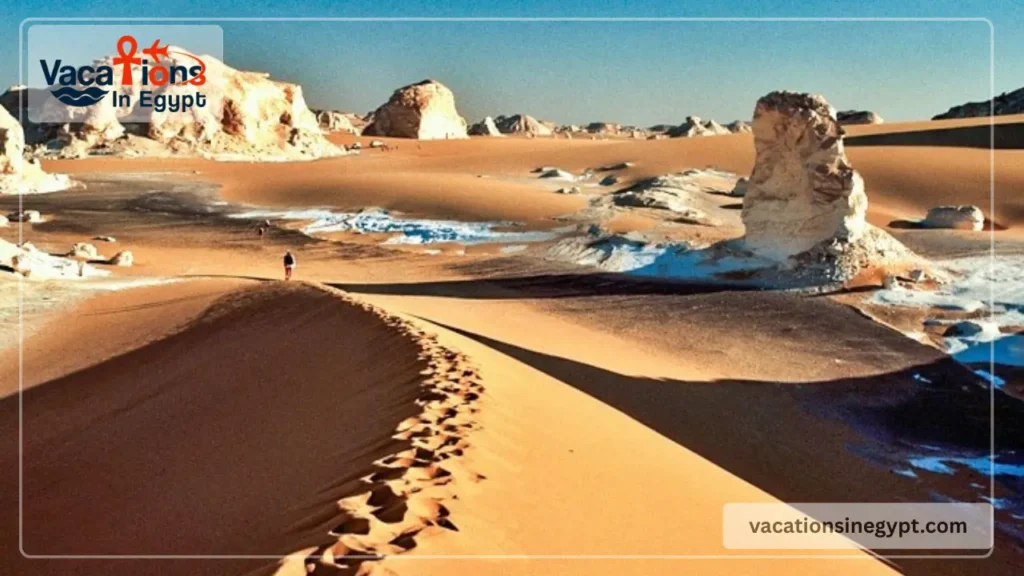
Deep in the Western Desert lies Farafra Oasis, the smallest and least populated of Egypt’s main oases. Its remoteness is precisely its appeal — Farafra offers an almost meditative stillness that is impossible to find anywhere else.
The Badr Museum, run by a local self-taught artist, is a charming collection of folk art, sculptures, and paintings that capture the spirit of oasis life. Farafra also serves as the southern gateway to the White Desert National Park, and the views from this side are arguably even more spectacular.
Top attractions in Farafra Oasis:
- Badr Museum
- White Desert National Park (southern entrance)
- Bir Sitta hot spring
- Pristine desert landscapes
4. Dakhla Oasis — A Living Museum of Ancient Egypt
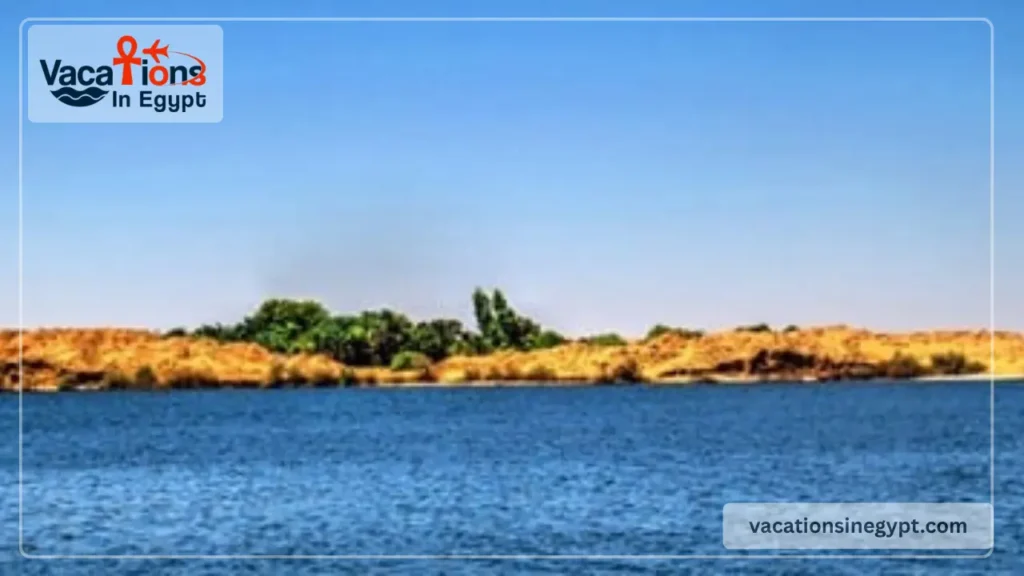
Dakhla Oasis is a traveler’s time capsule. Nestled deep in the Western Desert, it is dotted with ancient mud-brick villages, medieval Islamic architecture, and well-preserved archaeological sites that span thousands of years of Egyptian history.
The old town of Al-Qasr is a highlight — a labyrinthine medieval village with narrow alleyways, intricately carved wooden lintels, and houses made entirely of sun-dried mud brick. Nearby, the Deir El Hagar temple dates to the Roman era and remains remarkably intact. Dakhla also has its own natural wonders: the mesmerizing Magic Lake, a saltwater lake surrounded by golden dunes that shifts colors with the changing light, and the rejuvenating hot springs of Bir Tarfawi.
Top attractions in Dakhla Oasis:
- Al-Qasr medieval village
- Deir El Hagar Roman temple
- Magic Lake
- Muzawaka Tombs
- Hot springs
5. Kharga Oasis — Egypt’s Ancient Caravan Crossroads
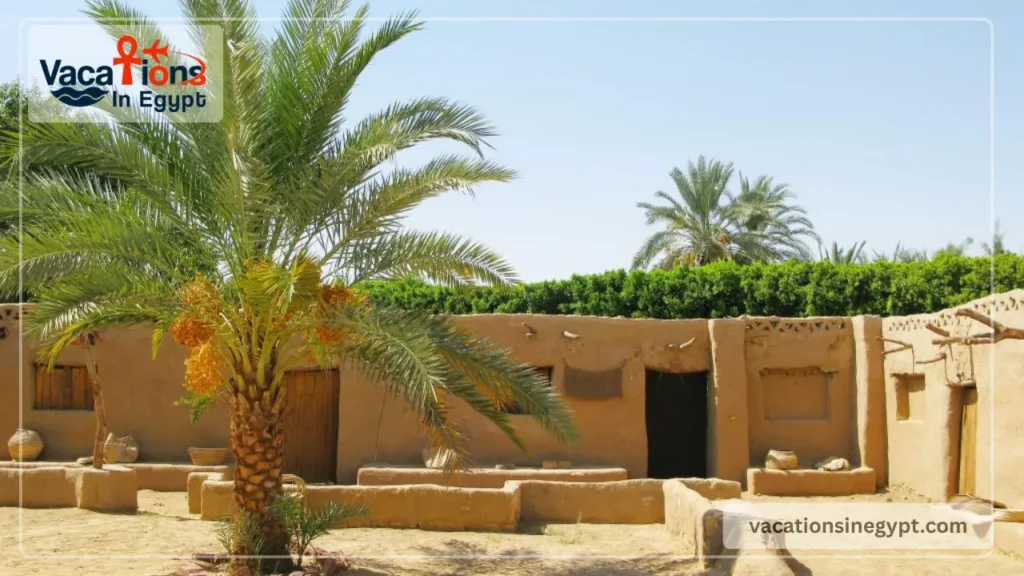
The largest and most developed of Egypt’s Western Desert oases, Kharga Oasis was a crucial stop on ancient trade and pilgrimage routes across the Sahara. Today, it offers a compelling mix of ancient monuments and modern infrastructure.
The Temple of Hibis, dedicated to the god Amun, is one of the best-preserved temples of the Late Period in all of Egypt. The Al-Bagawat Necropolis is an extraordinary early Christian cemetery featuring mud-brick funerary chapels adorned with remarkably preserved frescoes. The Kharga Museum ties it all together with artifacts spanning prehistoric times through the Islamic era.
Top attractions in Kharga Oasis:
- Temple of Hibis
- Al-Bagawat Necropolis
- Kharga Museum
- Dush Temple
- Qasr Al-Ghueita
Things to Do at an Oasis in Egypt
Egypt’s oases offer far more than sightseeing. Here are the top experiences you should not miss:
Sandboarding and dune bashing — The towering sand dunes around Siwa and Bahariya are perfect for adrenaline seekers. Slide down enormous dunes on a board or take a thrilling 4×4 ride across the desert.
Desert camping under the stars — Spending a night in the White Desert, surrounded by ghostly chalk formations and a sky blazing with stars, is one of the most unforgettable experiences in Egypt.
Hot spring bathing — Many oases have natural hot springs rich in minerals. A soak in these therapeutic waters after a day of desert exploration is deeply restorative.
Camel trekking — Experience the desert the traditional way, moving slowly through the golden landscape on camelback.
Cultural immersion — Visit local markets, watch artisans at work, attend a Bedouin tea ceremony, and learn about the traditions of the Berber and Bedouin communities who have called these oases home for centuries.
Fayoum Oasis: Egypt’s Agricultural Gem
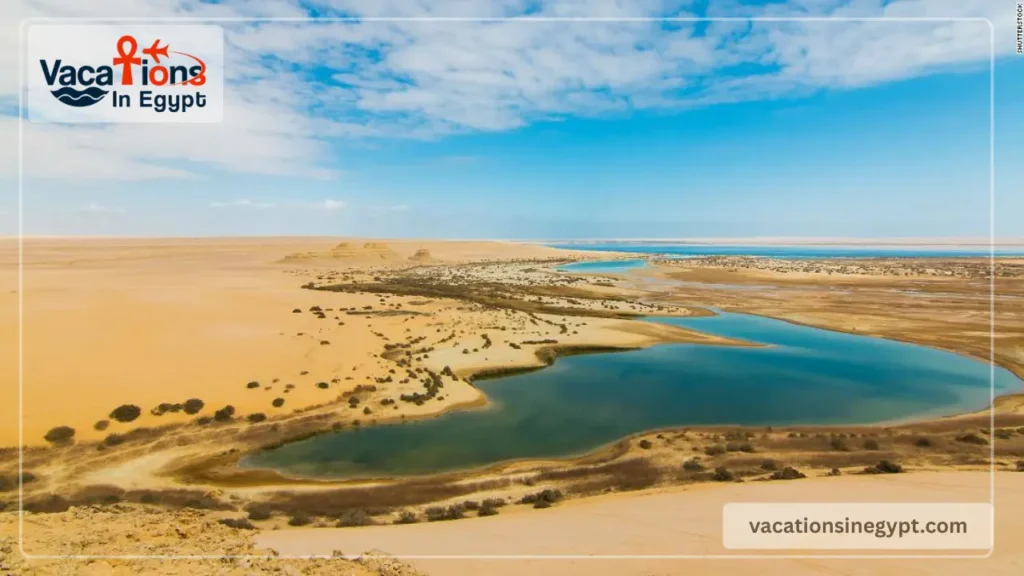
Often overlooked in favor of the Western Desert oases, Fayoum Oasis — located just southwest of Cairo — is a lush paradise known as the “Bride of the Nile.” Its fertile soil, freshwater lakes, and rich birdlife make it one of Egypt’s most beautiful natural areas.
Lake Qarun, a vast saltwater lake, attracts flamingos, herons, and dozens of migratory bird species. The nearby Wadi El Rayan protected area features dramatic man-made lakes, waterways, and cascading waterfalls — a stunning and unexpected sight in the desert. Fayoum is also a haven for food lovers, producing exceptional fruits, vegetables, and traditional dishes like mulukhiyah (jute leaf stew).
How to Get to the Oases in Egypt
Siwa Oasis is best reached by overnight bus from Cairo (approximately 9–10 hours) or by private car. There is no commercial airport serving Siwa directly.
Bahariya Oasis is the closest oasis to Cairo, roughly 4 hours by road, making it ideal for a long weekend trip.
Farafra and Dakhla are further into the desert and typically visited as part of a multi-day Western Desert circuit, often combined with Bahariya.
Kharga Oasis can be reached by bus from Luxor (approximately 4–5 hours) or Cairo and is a good starting point for a circuit heading north through the other oases.
Hiring a reputable guide or joining a small group tour is strongly recommended, especially for first-time visitors and those venturing into remote desert areas.
Best Time to Visit an Oasis in Egypt
The best time to visit an oasis in Egypt is between October and April, when daytime temperatures are pleasant and the desert is at its most welcoming. Summer months (May–September) can see temperatures exceeding 40C (104F), making exploration uncomfortable and potentially dangerous.
Practical Travel Tips
- Stay hydrated at all times — carry more water than you think you need when exploring the desert.
- Dress modestly and respect local customs, especially in traditional oasis villages.
- Book accommodation in advance during peak season (December–February), particularly for Siwa.
- Bring cash — ATMs are limited or unavailable in some oases.
- Wear sunscreen and a hat — the desert sun is relentless even in winter.
- Hire a local guide for desert excursions — they know the terrain, the springs, and the hidden gems.
Sustainable Tourism in Egypt’s Oases
The oases of Egypt are fragile ecosystems. To protect them for future generations, travelers should stick to designated trails, avoid littering, and minimize plastic use. Support local businesses, purchase handicrafts directly from artisans, and choose eco-conscious accommodations where available. Responsible tourism keeps these communities thriving and these landscapes pristine.