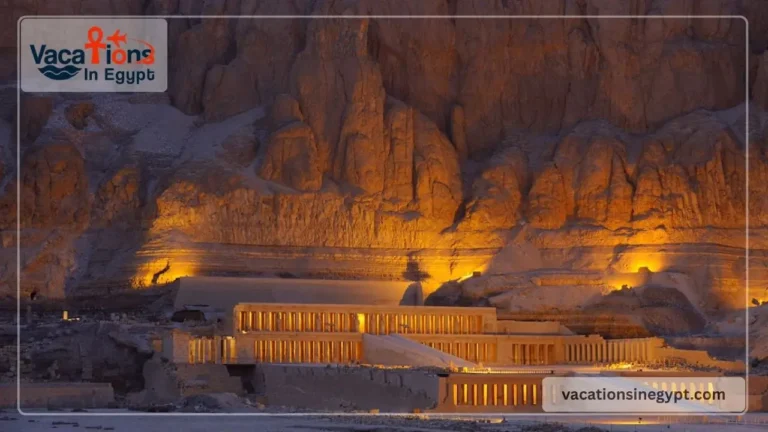
The New Kingdom of Ancient Egypt (1570–1070 B.C.E) was one of the most powerful and prosperous periods in Egyptian history. Known as Egypt’s imperial age, this era witnessed military expansion, economic growth, monumental architecture, and remarkable cultural achievements. It began when Ahmose I expelled the Hyksos and reunified Egypt, founding the Eighteenth Dynasty.
Rise of The New Kingdom of Ancient Egypt
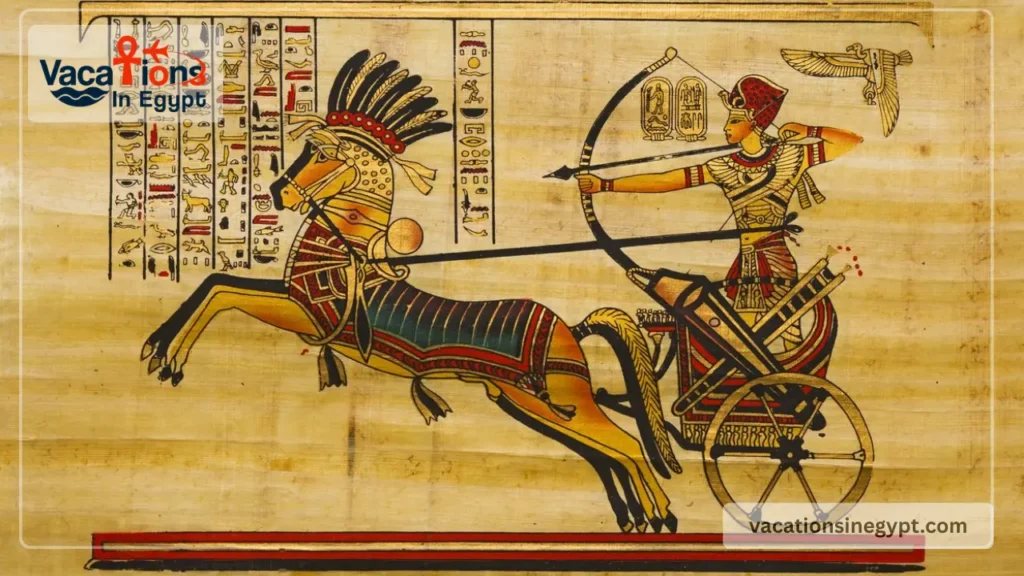
The beginning of The New Kingdom of Ancient Egypt (1570–1070 B.C.E) marked a turning point in Egyptian history. After years of foreign rule by the Hyksos, Ahmose I successfully liberated Egypt and established strong centralized control.
- Founded the Eighteenth Dynasty
- Reunified Upper and Lower Egypt
- Strengthened Egypt’s borders to prevent further invasions
- Launched military campaigns into the Levant
This era became a time of empire-building, wealth accumulation, and architectural brilliance.
Pharaohs of The New Kingdom of Ancient Egypt (1570–1070 B.C.E) were great builders. They constructed:
- Massive temples in Thebes
- Expansions at Karnak
- Rock-cut tombs in the Valley of the Kings
Unlike the Old Kingdom, they did not build pyramids. Instead, they created hidden royal tombs to protect their burials from theft.
Economy in The New Kingdom of Ancient Egypt (1570–1070 B.C.E)
The economy flourished due to military success and international trade.
- Gold mines in Nubia provided enormous wealth
- Copper and turquoise were mined in Sinai
- Trade routes expanded across the eastern Mediterranean
- Egyptian goods were found as far as East Africa
Agriculture, mining, and trade made Egypt one of the richest civilizations of the ancient world.
Religion in The New Kingdom
Religion played a central role in political power.
- Amun became the chief god of Thebes
- The Pharaoh was considered the divine representative of the gods
- Worship of Osiris spread widely
- Akhenaten briefly introduced monotheistic worship of Aten
The powerful priests of Amun gained influence, especially toward the end of the New Kingdom.
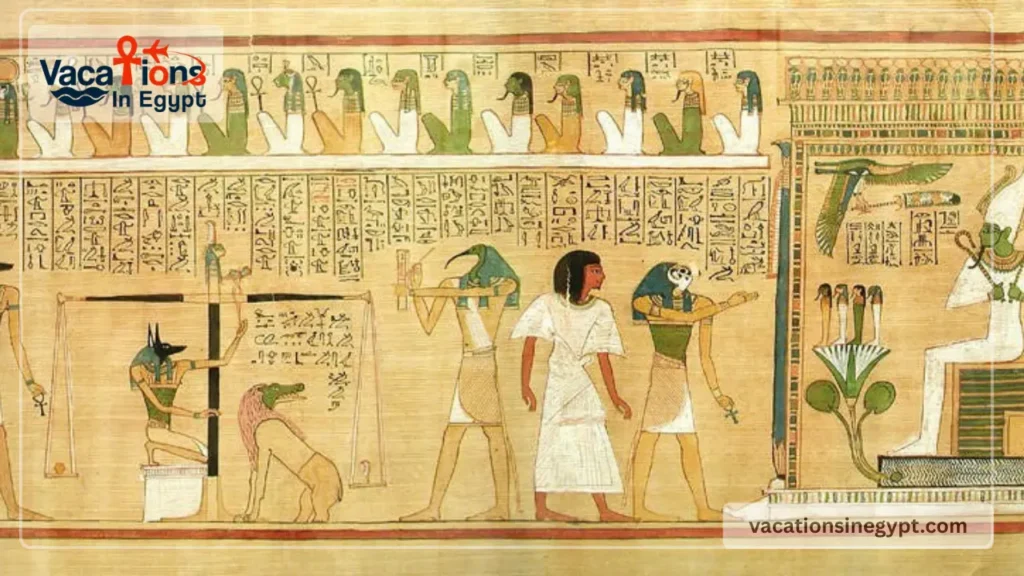
Art and Cultural Achievements
Art during The New Kingdom of Ancient Egypt (1570–1070 B.C.E) reached new heights.
- Detailed wall paintings in tombs
- Advances in literature and religious hymns
- Musical and artistic development
- The unique Amarna artistic style under Akhenaten
Temples and statues from this era remain among Egypt’s greatest treasures.
The Final Days of The New Kingdom of Ancient Egypt
The decline of the New Kingdom began due to:
- Internal political instability
- Growing power of the High Priests of Amun
- Economic pressures
- Foreign invasions
After military defeats and weakened leadership, Egypt entered a period of decline and foreign influence, marking the end of this glorious age.
Conclusion
The New Kingdom of Ancient Egypt (1570–1070 B.C.E) stands as the golden age of ancient Egyptian civilization. It was a time of powerful pharaohs, military expansion, economic prosperity, magnificent temples, and cultural brilliance.
Today, visitors to Egypt can still explore the temples of Thebes, the Valley of the Kings, and other remarkable monuments that reflect the greatness of this extraordinary period in history.