Women in ancient Egypt held a unique position compared to women in many other ancient civilizations. Although Egyptian society was largely patriarchal, women enjoyed significant legal, social, and economic rights. They played vital roles in family life, religion, work, and even governance.
This article explores the lives of women in ancient Egypt, their rights, responsibilities, social status, and lasting legacy.
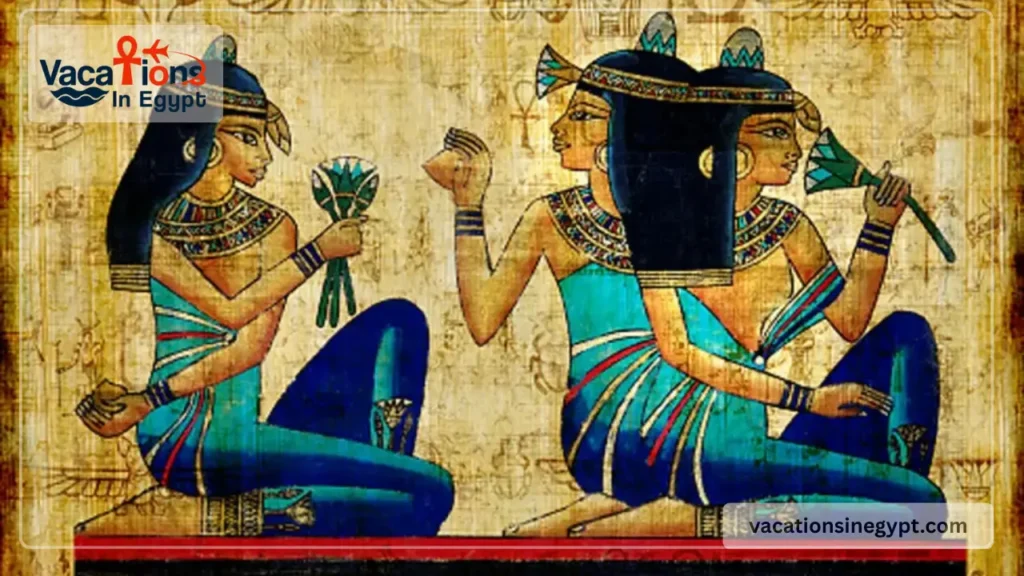
The Status of Women in Ancient Egypt
While ancient Egyptian society emphasized masculinity, women were not treated merely as second-class citizens. From a legal and social perspective, women had rights that were advanced for their time. Historical records show that we know nearly as much about the lives of women as we do about men.
Women participated in daily life, religious rituals, and economic activities. Upper-class women, in particular, could reach social and educational levels comparable to men. In certain situations, women even ruled Egypt as queens, especially when no suitable male heir was available—Cleopatra VII being the most famous example.
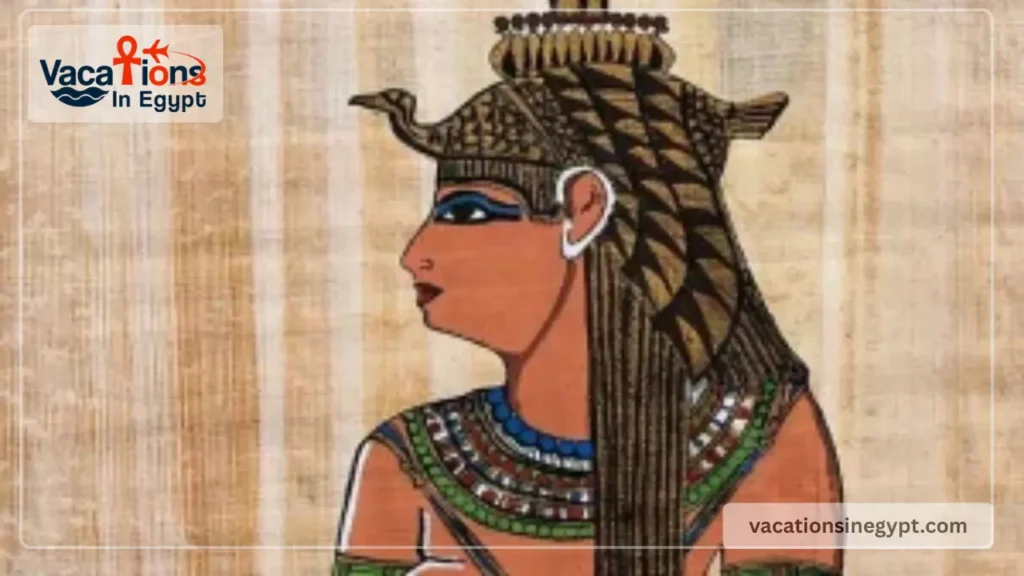
Women in Ancient Egypt as Wives
The most important social role for women in ancient Egypt was that of a wife. Marriage was considered a practical partnership rather than a religious ceremony.
- Royal families often practiced polygamy, usually for political reasons. For example, Ramesses II had multiple wives.
- Ordinary Egyptian men typically married one woman, and monogamy was the norm among non-royal families.
- Women had the right to divorce, and if a husband initiated the divorce, he could not claim his wife’s property.
- Girls often married at a young age, but women could not be forced into marriage and had the right to refuse a proposal.
The Role of Women as Mothers
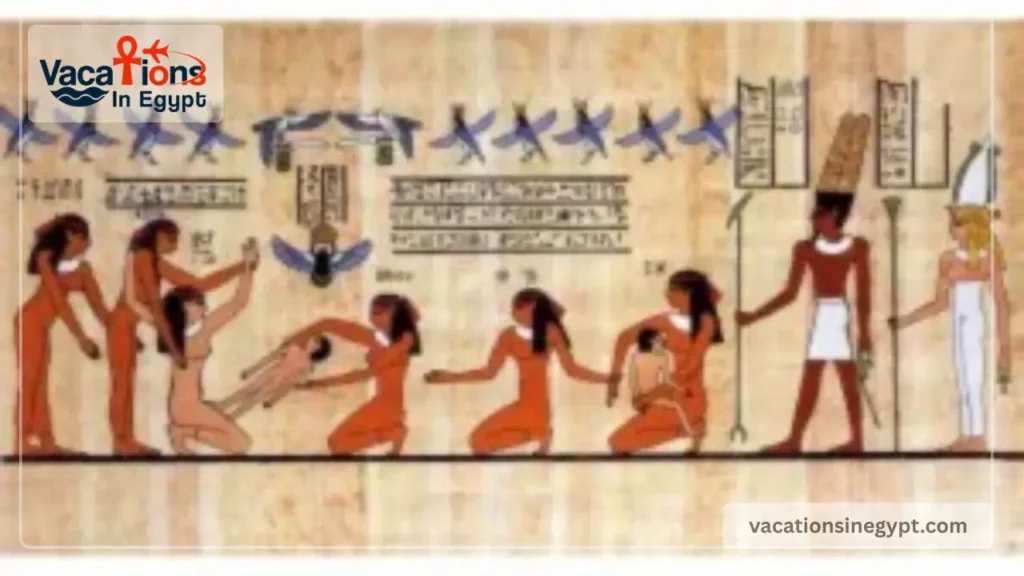
Motherhood was one of the most valued roles for women in ancient Egypt. Having children, especially male heirs, was considered essential for family continuity.
- Childbirth was dangerous, and maternal mortality rates were high.
- Women usually stayed at home but also helped with farming and harvesting.
- Infertility caused anxiety and sometimes led men to take another wife.
- Religious amulets and statues were commonly used to protect mothers and children.
- Families typically had four to six children, though infant mortality was high.
- Children were breastfed for up to three years.
Working Women in Ancient Egypt
Women were active contributors to the workforce, particularly in non-elite families.
Common occupations included:
- Grinding grain and agricultural work
- Weaving and textile production
- Dancing and music
- Participating in funeral rituals
Women also worked as priestesses, especially in temples dedicated to female deities.
Legal Rights of Women in Ancient Egypt
One of the most remarkable aspects of ancient Egyptian society was the legal equality between men and women.
Women had the right to:
- Own, inherit, and manage property
- Write wills and dispose of assets as they wished
- Serve as witnesses in legal cases
- Sit on juries and act as executors of wills
- Adopt children and take cases to court
Although many women chose traditional domestic roles, their legal independence was firmly protected.
Professions Available to Women
Women in ancient Egypt could pursue various professions, including:
- Scribes
- Teachers
- Priestesses
- Weavers
- Musicians and dancers
- Physicians
This professional freedom was rare in the ancient world and highlights the progressive nature of Egyptian society.
Women in Positions of Power
Hatshepsut
Hatshepsut ruled Egypt for nearly 22 years during the 18th Dynasty. She is remembered as one of the most successful pharaohs, overseeing peace, trade, and monumental building projects.
Cleopatra VII
Cleopatra VII was the last ruler of the Ptolemaic dynasty and the most famous female pharaoh. She was known for her intelligence, political skill, and strong leadership during a turbulent period in Egyptian history.
Female Goddesses in Ancient Egyptian Religion
Women also held symbolic power through religion. Many goddesses represented creation, protection, and kingship.
Key goddesses included:
- Isis – goddess of motherhood, magic, and protection, and symbolic mother of the pharaoh
- Hathor – goddess of love, fertility, and joy
- Sekhmet – fierce goddess of war and healing
The divine family triad of Osiris, Isis, and Horus symbolized balance, rebirth, and royal authority.
Fashion and Beauty in Ancient Egypt
Fashion played an important role in women’s daily life.
- Linen clothing was lightweight and ideal for the hot climate
- White was the most common color
- Tight, ankle-length dresses were practical and popular
- Wealthy women wore pleated linen, beads, and gold thread
- Sandals made of leather or papyrus were worn by the elite, while most women walked barefoot
Beauty practices included:
- Using kohl around the eyes for protection and style
- Applying henna to lighten hair
- Wearing jewelry for decoration and spiritual protection
Common protective symbols included:
- Ankh (life)
- Scarab (rebirth)
- Shen ring (eternity and protection)
Conclusion: The Legacy of Women in Ancient Egypt
Women in ancient Egypt enjoyed remarkable rights, influence, and respect compared to many other ancient cultures. As wives, mothers, workers, rulers, and goddesses, they played a vital role in shaping one of the greatest civilizations in history.
Their legacy continues to fascinate historians and visitors alike, offering valuable insight into gender, power, and society in the ancient world.