Egypt attractions

Beautiful Places in Egypt You’ll Want in Your Photos

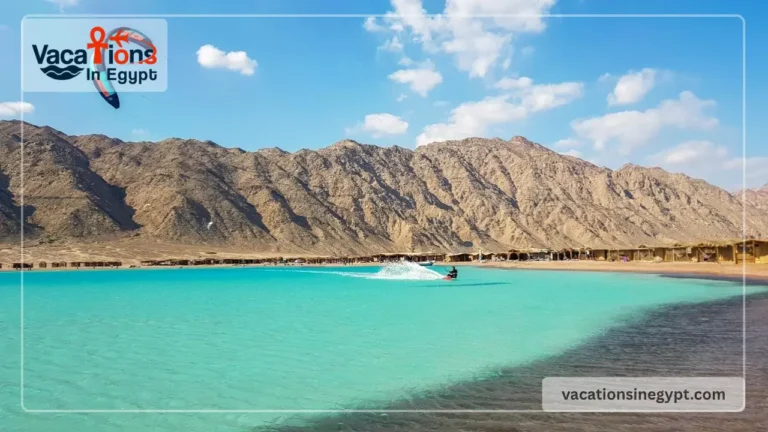
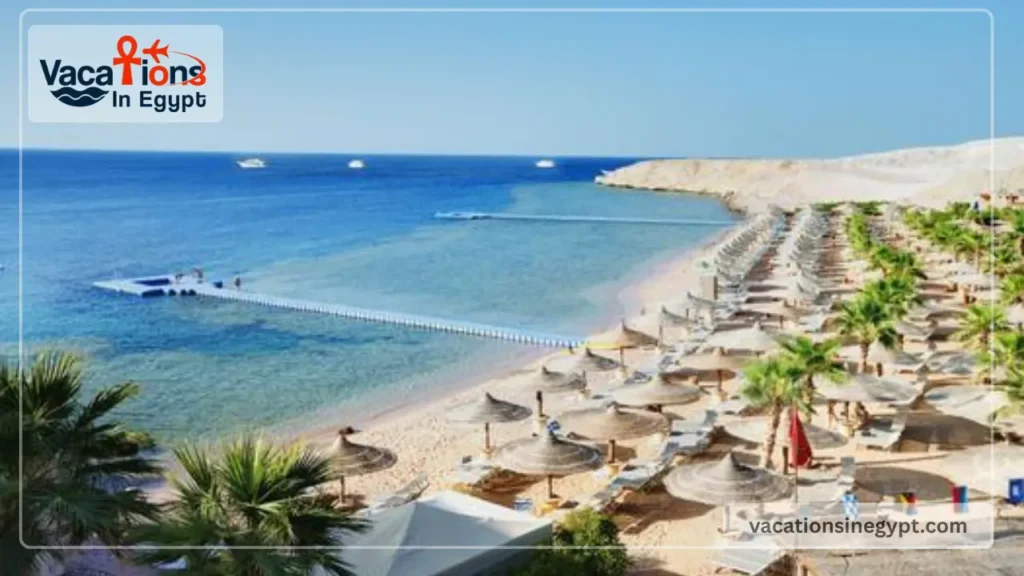
The most visually striking places in Egypt for photography are found along the Red Sea coast, particularly in Hurghada and Sharm El Sheikh. These locations offer a dramatic contrast between arid desert mountains and vibrant turquoise waters that is unique to this region. Vacations In Egypt.com recommends prioritizing the marine parks of Ras Mohammed and the islands off Hurghada to capture the “tropical desert” aesthetic that defines Egypt’s coastline.
 Egypt Along the Red Sea

Why is the Red Sea so famous for photography?

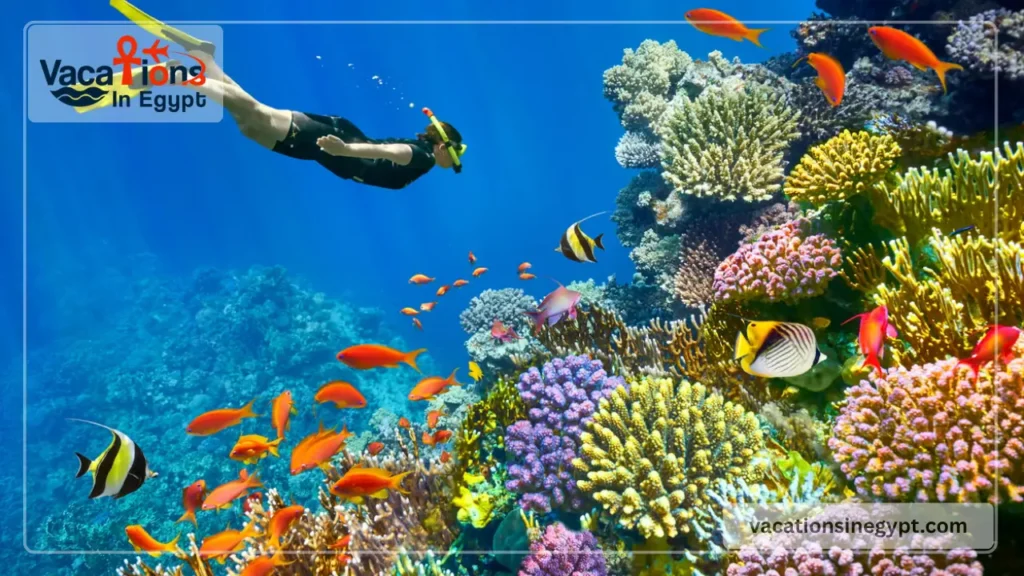
The Red Sea is globally renowned because it possesses some of the clearest water and healthiest coral systems on Earth. For photographers, this means exceptional visibility—often exceeding 30 meters—allowing for crisp, bright shots both above and below the surface.

  • The Colors: The contrast of the deep blue water against the golden desert mountains provides a natural filter that requires very little editing.
  • The Marine Life: Shallow fringing reefs allow even snorkelers to photograph colorful anthias fish and coral gardens without deep diving gear.

Exploring the Red Sea gives you access to underwater landscapes that rival the terrestrial beauty of the pyramids.

Which coastal city offers the best scenery?
Sharm el sheikh Diving

This depends on the specific “vibe” you want to capture.

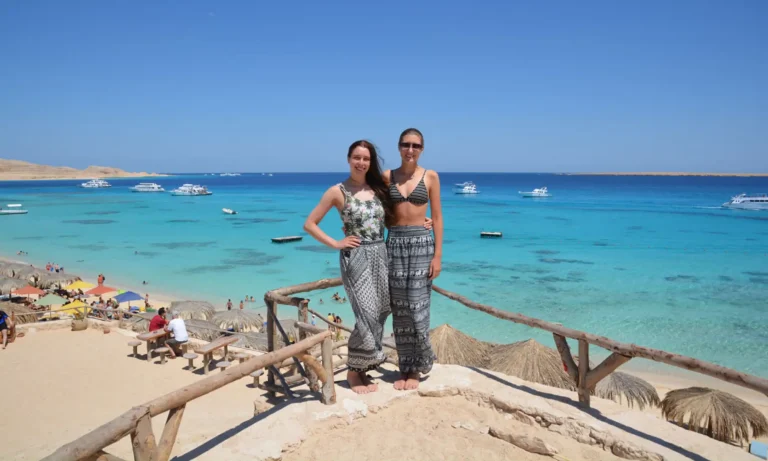
Hurghada: Famous for its sandy islands. A boat trip to Giftun Island (home to Orange Bay and Paradise Beach) offers “Maldives-like” visuals with shallow, crystal-clear water and white sands. It is ideal for bright, sun-drenched beach portraits.

Sharm El Sheikh: Known for its dramatic topography. The coastline here is rockier, with mountains crashing directly into the sea. The Ras Mohammed National Park offers stunning cliffside viewpoints and mangrove forests that you won’t find in Hurghada.

How can I capture both history and beaches?
5-Star Holidays in Egypt


The ultimate Egypt travel portfolio contrasts the geometric perfection of the Pyramids with the organic beauty of the Red Sea. Capturing these two distinct worlds usually requires a north-to-east itinerary.

Most travelers start in Cairo for the “Dusty Gold” shots of the Giza Plateau, travel down the Nile for the “Green River” views, and fly to Sharm El Sheikh for the “Deep Blue” finale. A structured route like the 14 Days Cairo, Nile Cruise & Sharm El Sheikh ensures you hit every major photogenic environment in a single trip without logistical gaps.

Image Planning

  • Image Type: Map / Route Visual
  • Image Search Phrase: Egypt tourist map, Cairo Nile Sharm route

Are there specific photography rules I should know?
8 Days Cairo and Sharm El Sheikh Package

Yes, Egypt has specific regulations regarding photography to protect security and privacy.

  • No Drones: Drones are strictly prohibited in Egypt without difficult-to-obtain military permits. Leave them at home to avoid confiscation at the airport.
  • People: Always ask permission before photographing locals, especially in rural areas or markets.
  • Government Buildings: Never photograph police checkpoints, military personnel, or government buildings.

Helpful Tips from Local Travel Experts

  • Golden Hour: The desert sun is harsh at midday. The best photos are taken at sunrise (roughly 5:30 AM) or just before sunset (roughly 5:00 PM in winter).
  • Underwater Gear: A simple waterproof phone pouch can work, but a GoPro or a dedicated underwater camera housing is recommended for capturing the true colors of the reef.
  • Filters: If shooting underwater video, use a red filter to correct the blue tint of the water.
  • Wind: The Red Sea can be breezy. Secure your tripod or selfie stick if you are filming near the water.

For a trip designed around the most beautiful viewpoints in the country, consult the itinerary planners at Vacations In Egypt.com.
Good to know

Frequently asked questions

Golden hour produces the best results at every Red Sea location. Sunrise — around 5:30 AM in winter — catches the desert mountains in warm, directional light before the sun climbs high enough to flatten everything. The hour before sunset, roughly 5:00 PM in winter, does the same from the opposite direction and adds a richer orange tone to both the water and the surrounding landscape. Midday light on the Red Sea coast is bright and harsh, washing out the colour contrasts that make the scenery so striking. Scheduling boat trips and beach sessions for early morning or late afternoon makes a significant difference to the quality of images you bring home.

No. Some of the Red Sea's most photogenic marine environments are accessible to snorkellers without any certification or specialist equipment. The fringing reefs around Giftun Island near Hurghada and several sites in Ras Mohammed begin in very shallow water, bringing coral gardens, anthias fish, sea turtles, and reef sharks within arm's reach of the surface. A waterproof phone pouch or basic underwater camera is sufficient for shallow snorkelling shots. Scuba certification opens up deeper walls and wrecks — including the famous SS Thistlegorm — but it is not a requirement for exceptional underwater photography on Egypt's Red Sea coast.

Ras Mohammed is one of the most photographically rewarding destinations on the entire Red Sea coast and deserves a dedicated visit rather than a passing mention on a broader itinerary. The park combines cliffside viewpoints over open water, mangrove channels unique to this stretch of coastline, and underwater visibility and marine density that consistently rank among the best in the world. The Shark and Jolanda Reefs inside the park attract large pelagic fish in numbers that are difficult to find elsewhere. For photographers interested in both landscape and underwater work, Ras Mohammed covers both in a single location.

Some coastal photography is possible from the shore, but a boat trip significantly expands what is available to you. Shoreline shots from Sharm El Sheikh's rocky coast and Hurghada's marina area are striking in their own right, particularly at golden hour when the mountains reflect in the water. However, the most photographed locations — Orange Bay and Paradise Beach on Giftun Island, the outer reefs of Ras Mohammed, and the shallow sandbanks between Hurghada's islands — are only reachable by boat. For anyone serious about capturing the full visual range of Egypt's Red Sea coast, at least one boat excursion is essential.

The answer depends on where you plan to shoot. For landscape and above-water coastal photography, any camera with a wide-angle lens captures the scale of the desert-meets-sea scenery effectively. A polarising filter reduces surface glare on the water and deepens the blue of the sky — particularly useful between 9:00 AM and 3:00 PM when the sun is high. For underwater photography, a GoPro in its standard waterproof housing is the most practical option for snorkelling and shallow diving. A clip-on red filter corrects the blue colour cast that water introduces at depth and makes a noticeable difference to video footage. Dedicated underwater camera housings for mirrorless cameras produce significantly better results but add considerable weight and cost.

No. Drones are prohibited throughout Egypt without a military permit that is extremely difficult for tourists to obtain. Attempting to bring a drone into the country risks confiscation at the airport — Egyptian customs are consistent on this point regardless of the size or type of device. This applies to both the Red Sea coast and inland sites including the Pyramids, Karnak, and the Valley of the Kings. Leave drones at home entirely and plan ground-level and underwater photography instead.

Giftun Island is the standout location near Hurghada for above-water photography. Orange Bay offers shallow turquoise water over white sand with the surrounding desert mountains visible in the background — a combination that photographs as well as anywhere in the Mediterranean or Indian Ocean. Paradise Beach on the same island provides a slightly quieter alternative with similar conditions. The shallow reefs between the island and the mainland are excellent for snorkelling photography. Most Hurghada boat excursions stop at both locations in a single day, making it straightforward to cover the best of the island in one trip.

The two cities offer fundamentally different landscapes. Hurghada's coastline is relatively flat, with sandy beaches and calm, open water — ideal for bright, wide beach photography and shallow underwater shots. Sharm El Sheikh's topography is more dramatic: steep, rocky mountains descend directly into the sea, creating cliffside viewpoints, narrow bays, and a visual intensity that Hurghada's flatter coastline doesn't match. For landscape photographers drawn to dramatic terrain, Sharm El Sheikh is the stronger location. For photographers focused on water colour, sandy beaches, and calm snorkelling conditions, Hurghada is more consistent.

Ready to experience Egypt for yourself?

Let our local Egyptologists build your private journey.

Inquire Now →