When travelers research the Egypt attractions top 10, a clear pattern emerges across all travel styles: the most popular choices are not random landmarks — they are sites that balance ancient history, city culture, and natural scenery. Understanding why certain attractions consistently rank at the top is just as useful as knowing which ones they are.
What the Egypt Attractions Top 10 Actually Has in Common
Most “top 10” lists for Egypt look different on the surface but share the same underlying logic. The attractions travelers choose most consistently offer one of three things:
- A strong first impression that defines the country’s identity
- Clear historical meaning that makes other sites more understandable
- Restorative contrast — natural or coastal destinations that balance intense sightseeing
The most satisfying Egypt trips are built around all three, not just one.
1. Cairo: The Essential Starting Point
Why Cairo Consistently Ranks at the Top
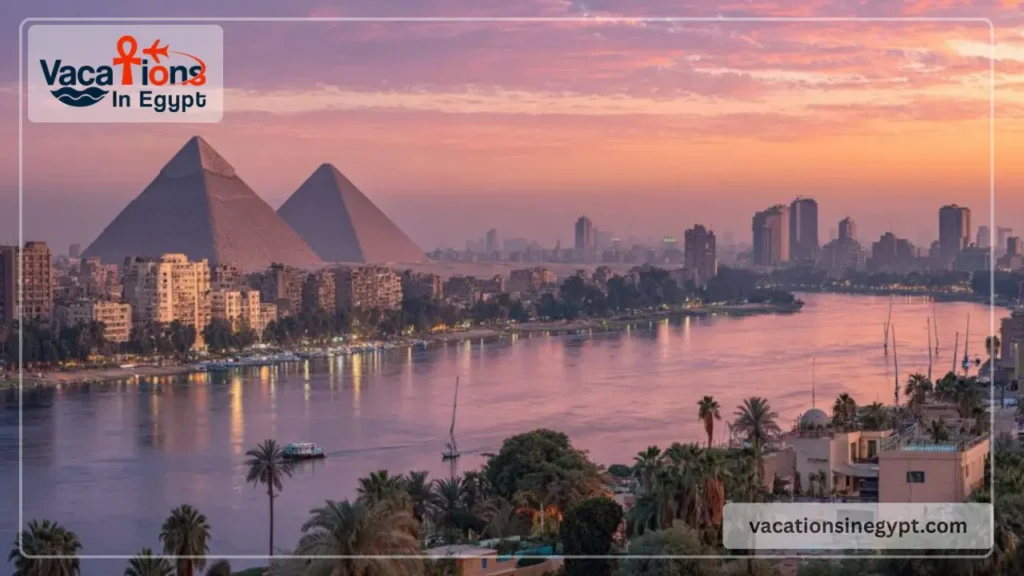
Cairo is not just a gateway — it is an attraction in its own right, and nearly every well-structured Egypt itinerary begins here. The city allows travelers to:
- Build a complete picture of Egypt’s historical timeline before visiting ancient sites
- Combine world-class museums, historic neighborhoods, and living landmarks in one place
- Experience the contrast between modern Egyptian life and its ancient past
Guides covering the best things to do in Cairo show why the city consistently anchors the top of most Egypt attraction rankings. Without Cairo, the rest of the country’s history is harder to place in context.
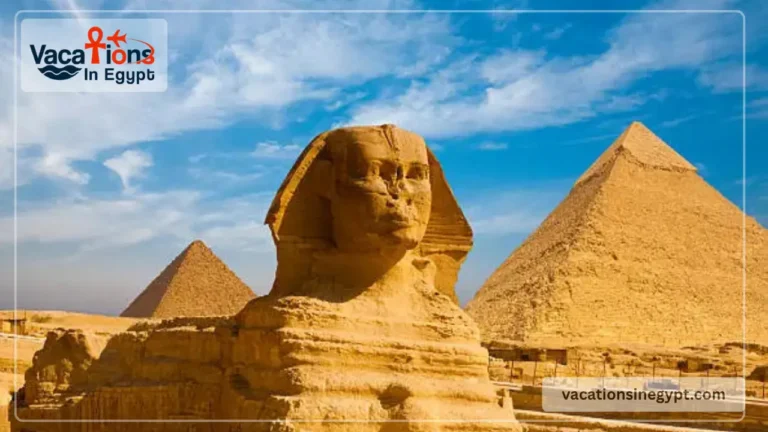
2. The Pyramids of Giza: Egypt’s Defining Landmark
Why No Egypt Attractions Top 10 List Omits the Pyramids

The Pyramids are not at the top of every list out of habit — they earn that position for specific reasons:
- They represent the origins of ancient Egyptian civilization, making everything that came after easier to understand
- Their scale and symbolism are immediately accessible, even without deep historical knowledge
- They anchor the entire historical narrative: once you’ve seen the Pyramids, temples and tombs begin to make more sense
Understanding the background of the Pyramids in Egypt before your visit transforms the experience from sightseeing into genuine comprehension.
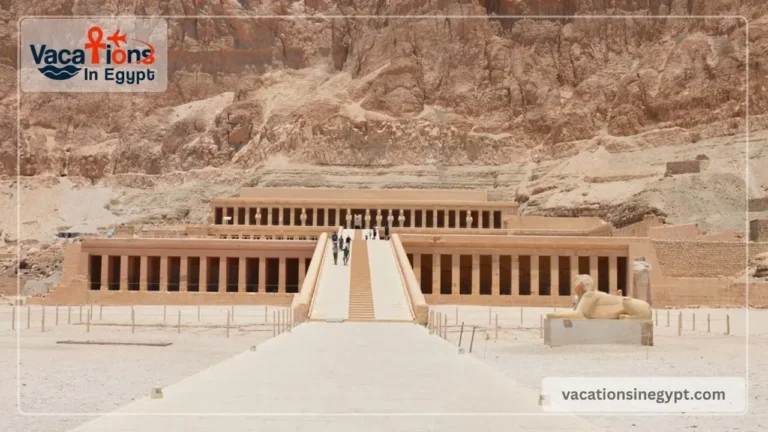
3. Luxor’s Temple Complexes: Where History Is Written in Stone
Karnak, Luxor Temple, and the Valley of the Kings
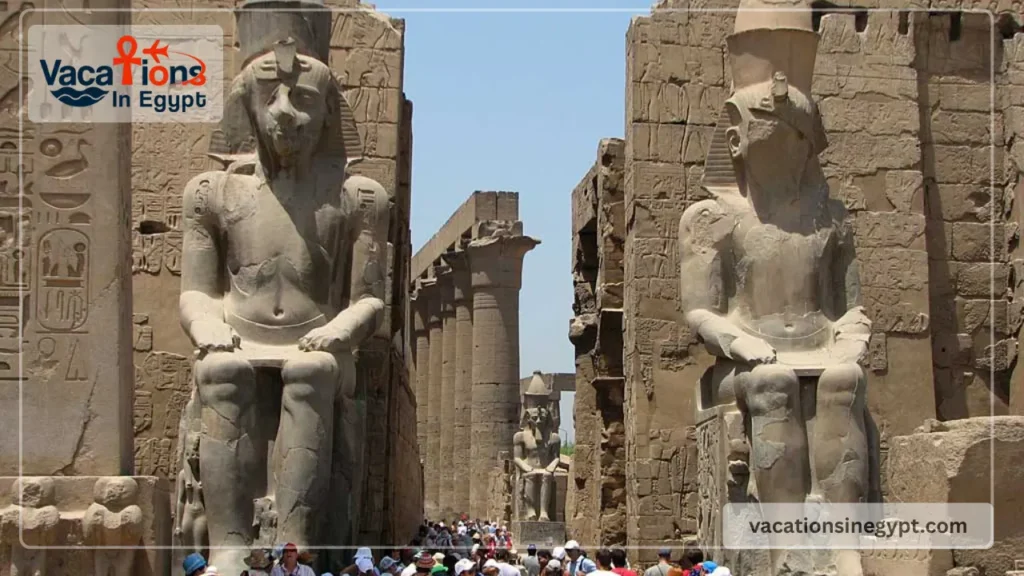
Luxor is home to some of the most significant ancient structures on earth, and no Egypt attractions list is complete without it. The city offers two distinct types of experience:
- Above ground — Karnak Temple and Luxor Temple show how pharaohs expressed power and religion on a monumental scale
- Below ground — The Valley of the Kings reveals private beliefs about death, the afterlife, and royal burial traditions
Together, these sites give a complete picture of how ancient Egypt understood both life and what came after it.
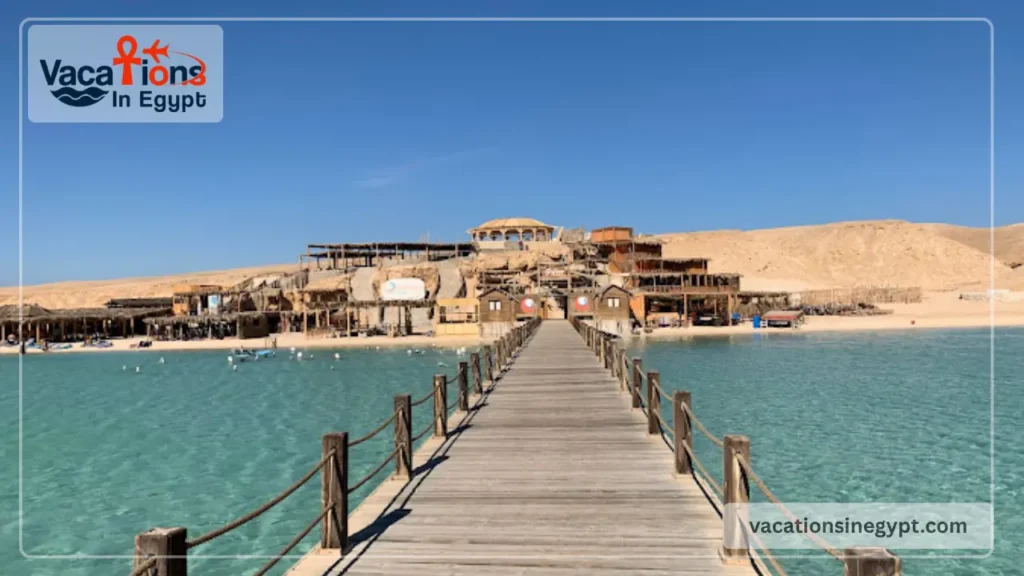
4. The Red Sea: Contrast, Recovery, and Natural Beauty
Why Coastal Destinations Belong in the Egypt Attractions Top 10

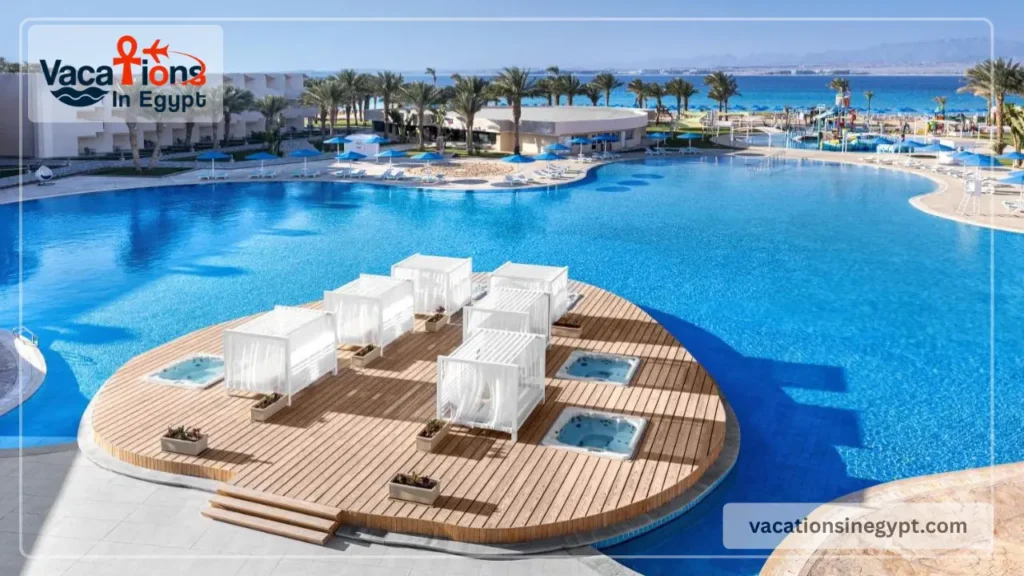
The Red Sea is not just a leisure add-on — it serves a structural purpose in any well-balanced Egypt itinerary. After days of museums, temples, and historical immersion, coastal destinations provide:
- Natural scenery that offers genuine visual and mental contrast to ancient monuments
- Optional activities like snorkeling and diving that suit travelers who want light adventure
- A slower, resort-based pace that helps manage travel fatigue before a long journey home
Exploring destinations along the Red Sea makes clear why coastal stops appear so consistently on top attraction lists — they make the rest of the trip feel more sustainable.
5. Islamic Cairo: History Beyond the Pharaohs
A Side of Egypt That Many Top 10 Lists Overlook
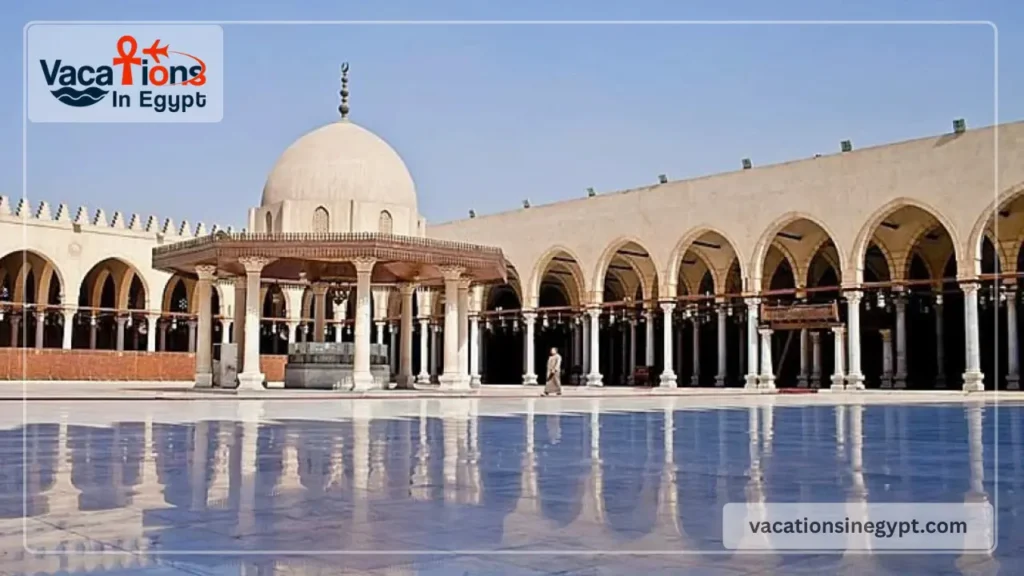
Egypt’s story does not begin and end with ancient civilization. Islamic Cairo — with its medieval mosques, bazaars, and architecture spanning over a thousand years — adds a layer of history that surprises many first-time visitors. Highlights include:
- The Khan el-Khalili bazaar, one of the oldest markets in the world
- Al-Azhar Mosque and surrounding historic quarters
- Street-level Cairo life that connects past and present in an immediate, human way
How to Use the Egypt Attractions Top 10 When Planning
Sequence and Balance Matter More Than Volume
A common mistake is treating a “top 10” list as a checklist to complete. In practice, the travelers who enjoy Egypt most visit fewer attractions — chosen more deliberately. A realistic and satisfying structure looks like this:
- Cairo first — museum context, city orientation, Pyramids
- Luxor second — temples above ground, tombs below
- One contrasting destination — Red Sea, Aswan, or Abu Simbel
- Buffer days built in — for transit, rest, and unexpected discoveries
Packages like these Egypt tours covering top attractions show how multiple popular sites can be connected logically, without rushed schedules or back-to-back intensity.
Why Bundled Itineraries Outperform Self-Planned Lists
Planning Simplicity Is Its Own Attraction
Rather than selecting each site individually and building connections between them, many experienced travelers choose pre-structured itineraries because they:
- Combine top-ranked sites in a logical, sequenced order
- Reduce the mental load of internal travel planning
- Balance high-intensity historical visits with rest and coastal time
The result is a trip that feels coherent rather than fragmented — and far less exhausting than trying to literally “see the top 10.”
Practical Tips for Visiting Egypt’s Top Attractions
From local travel experts who work these routes regularly:
- Start in Cairo — it provides the context that makes everything else more meaningful
- Pair monuments with contrast — a coastal or natural destination is not a luxury, it’s a necessity
- Limit major sites per day — two well-understood sites beat five half-understood ones
- Use travel days as recovery time — overnight trains and flights are natural built-in breaks
- Shorter lists lead to richer trips — three great experiences outperform ten rushed ones
Final Thoughts
The Egypt attractions top 10 is most useful not as a checklist but as a guide to what experienced travelers have already discovered: that Egypt rewards depth over breadth, sequence over randomness, and contrast over repetition.
The destination guides and multi-day itineraries on this site are built around exactly that logic — giving you a clear, well-paced framework to make the most of whichever attractions you choose.