How to Plan a Siwa Oasis Trip in 2026: The Complete Step-by-Step Guide? Siwa Oasis is unlike anywhere else in Egypt — or the world. Tucked deep in the Western Desert, just 50 kilometers from the Libyan border, this remote oasis has sheltered travelers, pharaohs, and conquerors for millennia. Alexander the Great made the journey here. So did Berber tribes, medieval caravans, and today, an growing wave of international travelers who want something more than the standard Egypt itinerary.
But Siwa requires planning. It is not a spontaneous day trip from Cairo. The roads are long, the infrastructure is limited, and the experience rewards those who arrive prepared.
This guide gives you everything you need to plan a confident, memorable Siwa Oasis trip in 2026 — from the best time to visit and how to get there, to what to pack, how much to budget, and whether a guided tour is the right choice for you.
Step 1: Choose the Best Time to Visit Siwa in 2026
Siwa’s desert climate is one of extremes. Summers are brutally hot, winters are mild and clear, and the shoulder seasons offer the most balanced conditions for outdoor exploration.
Best months to visit Siwa in 2026:
Peak Season October – December Comfortable temperatures, ideal for all activities
Spring Season February – April Warm days, cooler evenings, perfect for desert adventures
Avoid July – August Extreme heat makes outdoor activities difficult
Pro tip: Regardless of when you visit, plan your desert activities — salt lake swims, safari drives, and sandboarding — for sunrise or the hour before sunset. The light is extraordinary, the heat is manageable, and the experience is unforgettable.
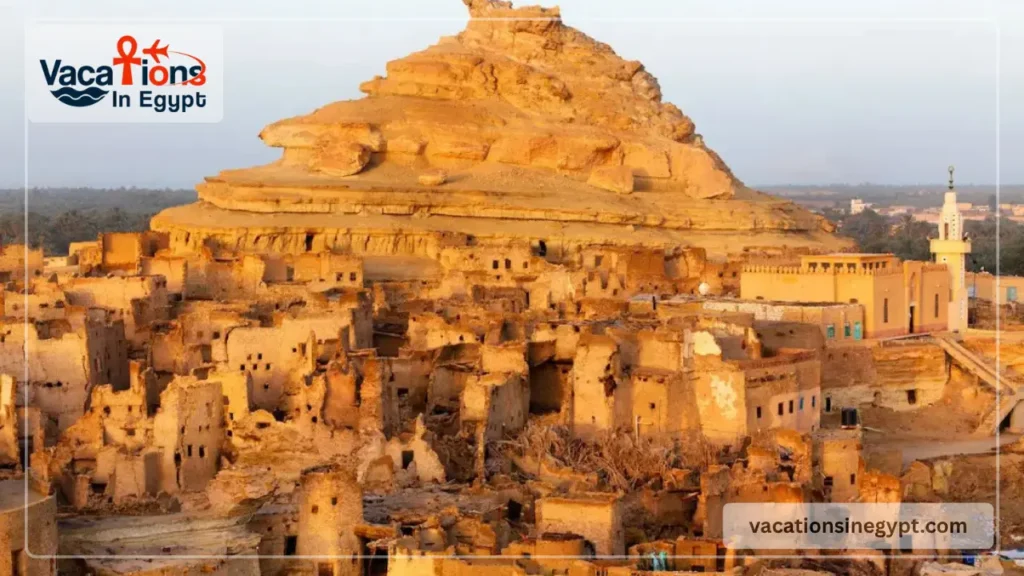
Step 2: Plan Your Journey from Cairo to Siwa
Siwa is approximately 560 kilometers west of Cairo, and how you choose to get there will shape the tone of your entire trip. There are three main transportation options for 2026 travelers.
Option A: Private Car with Driver (Recommended)
The safest, most comfortable, and most popular choice for international visitors. A private car takes you directly from Cairo to Siwa in 8 to 9 hours, with flexibility to stop along the way. This is the best option for families, couples, and first-time visitors who want a smooth, stress-free arrival.
Option B: Shared Tourist Bus
A budget-friendly alternative that typically takes 10 to 12 hours. Buses depart from Cairo’s Turgoman station and arrive in Siwa town. This option suits experienced travelers comfortable with long-distance overland journeys in Egypt.
Option C: Guided Multi-Day Tour (Best for First-Timers)
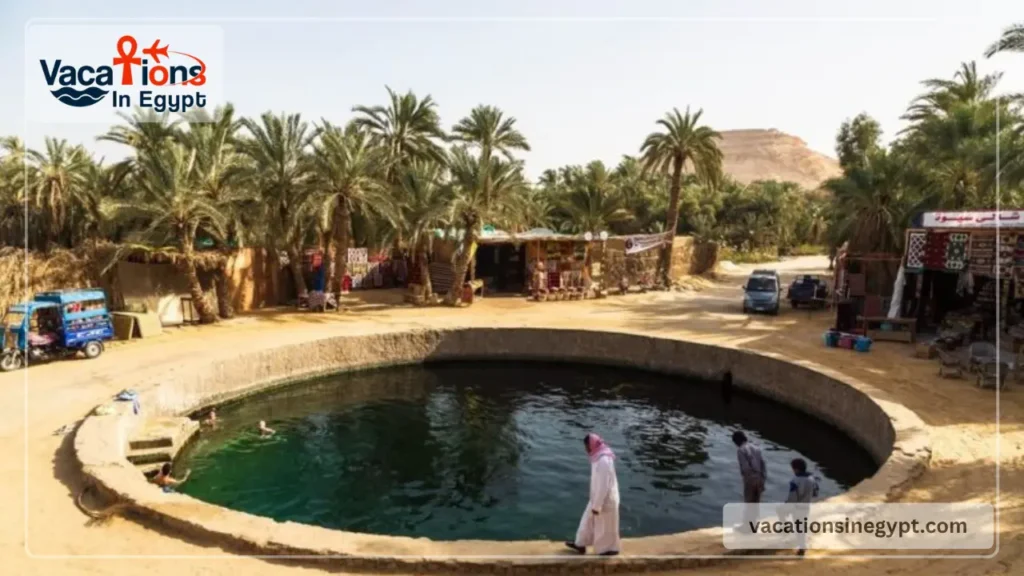
If you want transport, accommodation, meals, and desert activities handled seamlessly, a structured guided tour is the smartest choice for first-time visitors. Many travelers in 2026 are combining Siwa with a broader Egypt itinerary — including a cultural stay in Cairo and a Nile Cruise — for a complete Egyptian experience.
Step 3: Build Your Siwa Itinerary
A well-structured Siwa itinerary balances three core elements: cultural exploration, natural wonders, and desert adventure. Here is a proven three-day framework that works for most first-time visitors.
Day 1 — Discover Old Siwa & Ancient History
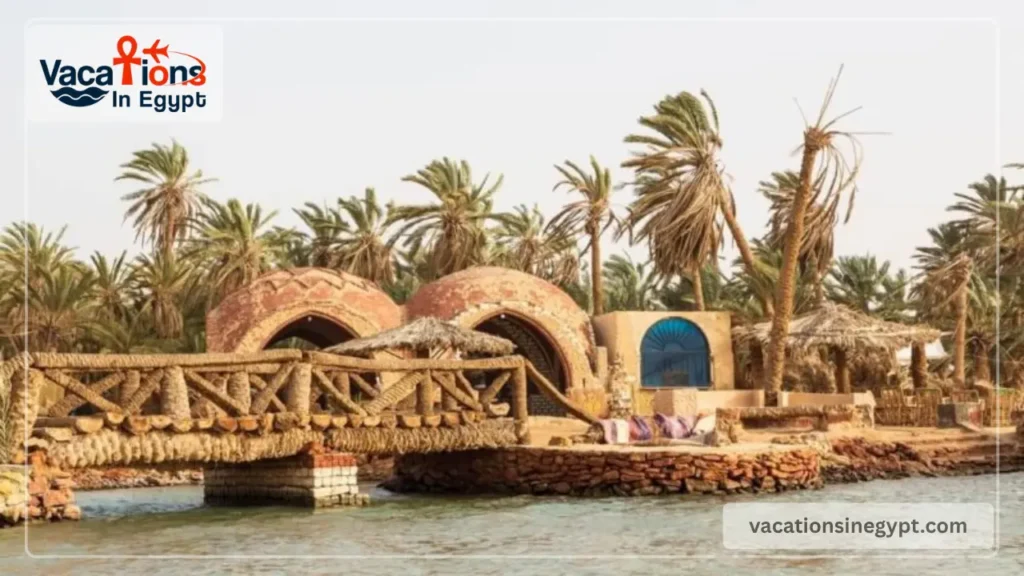
Spend your first day grounding yourself in Siwa’s extraordinary history and culture.
- Shali Fortress — explore the crumbling ruins of Siwa’s ancient mud-brick citadel, built in the 13th century
- Siwa Old Market — browse local dates, olive oil, silver jewelry, and traditional handwoven crafts
- Oracle Temple of Amun — visit the site where Alexander the Great received his famous oracle in 331 BC, one of the most historically significant spots in all of Egypt
Day 2 — Salt Lakes, Hot Springs & Local Life
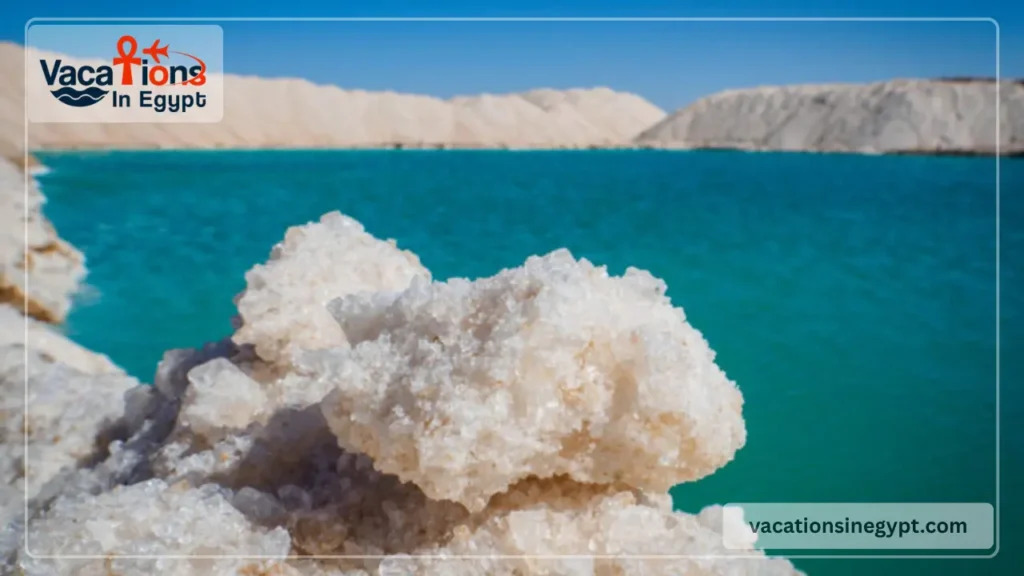
Siwa’s natural water features are among its greatest gifts.
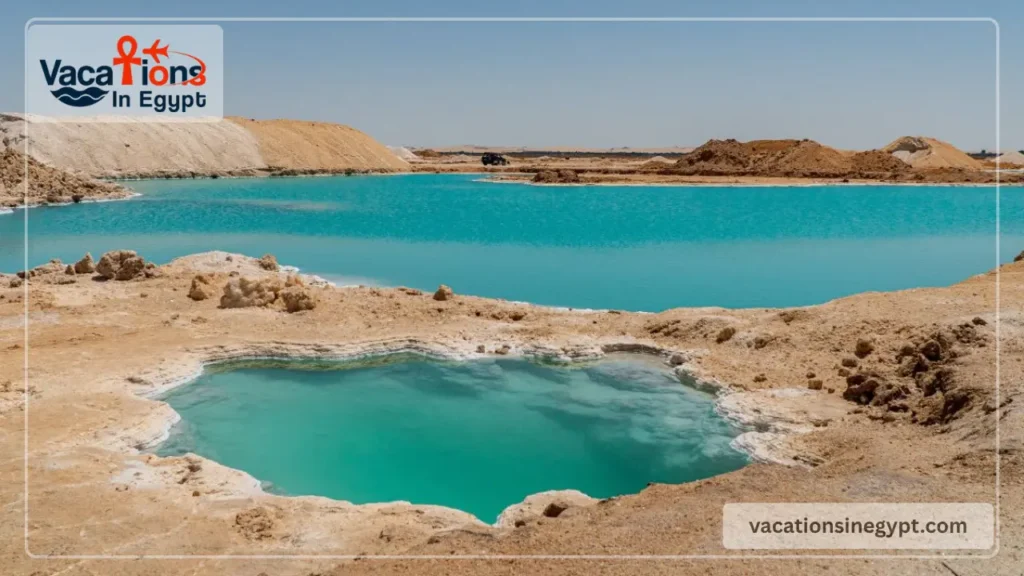
- Float in the salt lakes — the mineral-rich waters are crystal clear and incredibly buoyant
- Cleopatra Spring (Ain Guba) — bathe in a natural freshwater spring used since antiquity
- Traditional Siwan lunch — sample local dishes including slow-cooked lamb, fresh dates, and Siwan olive oil
Day 3 — Great Sand Sea Desert Safari
The crown jewel of any Siwa trip — a full-day adventure into one of the largest sand seas on Earth.
- 4×4 desert safari through towering golden dunes
- Sandboarding down the slopes of the Great Sand Sea
- Hot spring in the dunes — a natural thermal pool surrounded by nothing but sand and sky
- Sunset tea by the campfire — the perfect close to a perfect day
Step 4: Choose the Right Accommodation in Siwa
Siwa’s accommodation scene is small but characterful, ranging from eco-lodges built with ancient materials to comfortable boutique hotels and unforgettable desert camps.
Eco-Lodges — Most Authentic Experience
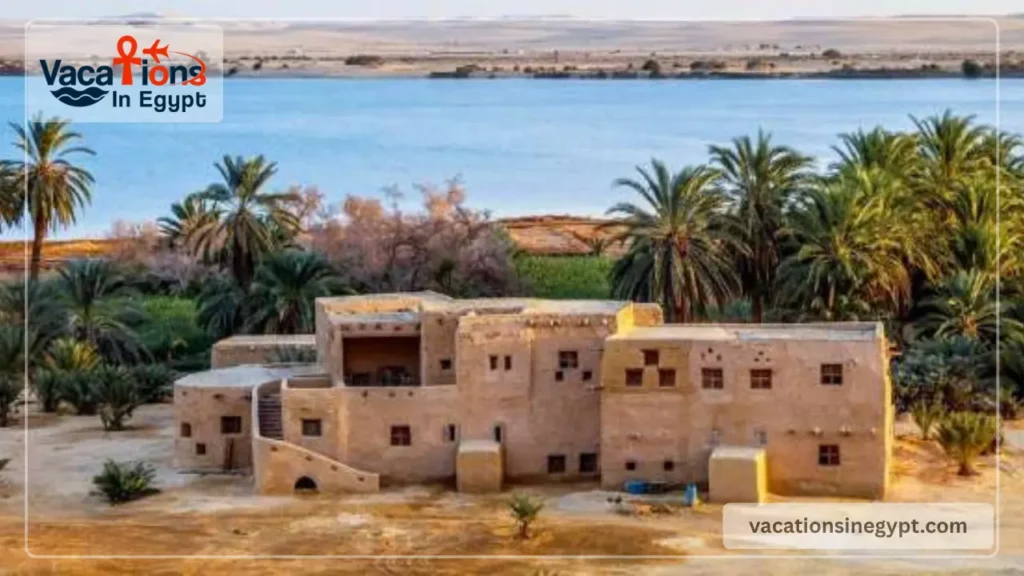
Siwa’s traditional eco-lodges are constructed from kershef — a local building material made from salt and mud — which keeps interiors naturally cool. These properties offer a quiet, off-grid charm that perfectly complements the oasis atmosphere. Ideal for solo travelers and couples seeking something genuinely different.
Boutique Hotels — Comfort with Character
Modern amenities paired with traditional Siwan décor. Boutique hotels are the best choice for families or travelers who want a comfortable base without sacrificing local atmosphere.
Desert Camps — Sleep Under the Stars
For one truly unforgettable night, pair your safari day with an overnight stay in a desert camp beneath an open Saharan sky. A highlight that many visitors describe as the best night of their lives.
Important: Book accommodation well in advance if visiting during October through December — Siwa’s peak tourist season fills up quickly.
Step 5: Budget for Your Siwa Trip in 2026
Siwa is one of Egypt’s more affordable destinations, but costs vary depending on your travel style. Here is a realistic breakdown for 2026:
- Accommodation $40 – $150 per night
- Meals $10 – $20 per meal
- Desert Safari & Activities $50 – $100
- Private Car from Cairo $100 – $200
- Entrance Fees (temples, sites) $5 – $15 per site
Budget travelers can experience Siwa comfortably for around $80 to $120 per day. Those seeking a more luxurious experience with a private driver, boutique hotel, and organized activities can expect to spend $200 or more per day.
Step 6: What to Pack for Siwa Oasis
Packing correctly for Siwa makes a significant difference in your comfort and enjoyment. The desert environment requires specific preparation.
Essential packing list for Siwa:
- Light, breathable clothing for daytime heat — linen and cotton are ideal
- Warm layers for cool desert evenings, especially October through March
- Swimwear for the salt lakes and hot springs
- Comfortable, closed-toe walking shoes for ruins and desert terrain
- Sun protection — high-SPF sunscreen, sunglasses, and a wide-brimmed hat
- Sufficient cash in Egyptian pounds (EGP) — ATMs in Siwa are extremely limited
- A portable power bank — electricity in eco-lodges can be intermittent
Step 7: Cultural Etiquette Every Visitor Should Know
Siwa is one of Egypt’s most culturally conservative communities, home to the indigenous Siwi Berber people with their own distinct language, traditions, and social customs. Respectful behavior is not just appreciated here — it is essential.
- Dress modestly in the town center — shoulders and knees should be covered
- Ask permission before photographing local people — this is a matter of basic respect
- Support local artisans and producers — Siwa’s dates, olive oil, and handwoven crafts are exceptional and your purchases directly support local families
- Avoid public displays of affection in and around the town
Travelers who arrive with genuine curiosity and cultural respect consistently report that Siwan locals are among the warmest and most welcoming people in Egypt.
Step 8: Should You Book a Guided Tour to Siwa?
For many 2026 travelers, a guided tour is simply the smarter choice. Consider booking a structured Siwa tour if:
- You are visiting Egypt for the first time and unfamiliar with Western Desert logistics
- You want transport, accommodation, and activities handled professionally without the stress of independent planning
- You are combining Siwa with other Egypt destinations such as Cairo, Luxor, or a Nile Cruise
- You want safety and navigation support on remote desert roads
- You value local cultural insights that independent research simply cannot provide
A well-designed guided tour removes every logistical obstacle and allows you to be fully present for one of the most extraordinary travel experiences Egypt has to offer.
Final Thoughts: Is Siwa Oasis Worth the Journey?
Without question — yes. Siwa is not a destination you rush through. It is a place for slow travel: for desert silence at sunrise, for ancient history absorbed without crowds, for salt lake floats that strip away stress, and for evenings around a campfire as the Sahara cools around you.
Plan carefully, respect the culture, choose the right season, and Siwa Oasis will deliver the kind of travel experience that stays with you long after you have returned home. In 2026, while Egypt’s most famous sites grow ever busier, Siwa remains gloriously, beautifully remote — and all the more rewarding for it.