Luxor Day Tour for History Lovers: Temples, Tombs, and Ancient Meaning
A well-planned Luxor day tour can be one of the most intellectually rewarding experiences in Egypt — but only when it prioritizes depth over distance. Rather than rushing between a dozen sites, the most fulfilling visits concentrate on a small number of significant temples and tombs, allowing travelers to genuinely understand ancient Egypt’s religious, political, and funerary beliefs. Luxor rewards curiosity. The key is giving it room.
Why Luxor Is the Perfect Destination for a History-Focused Day Tour
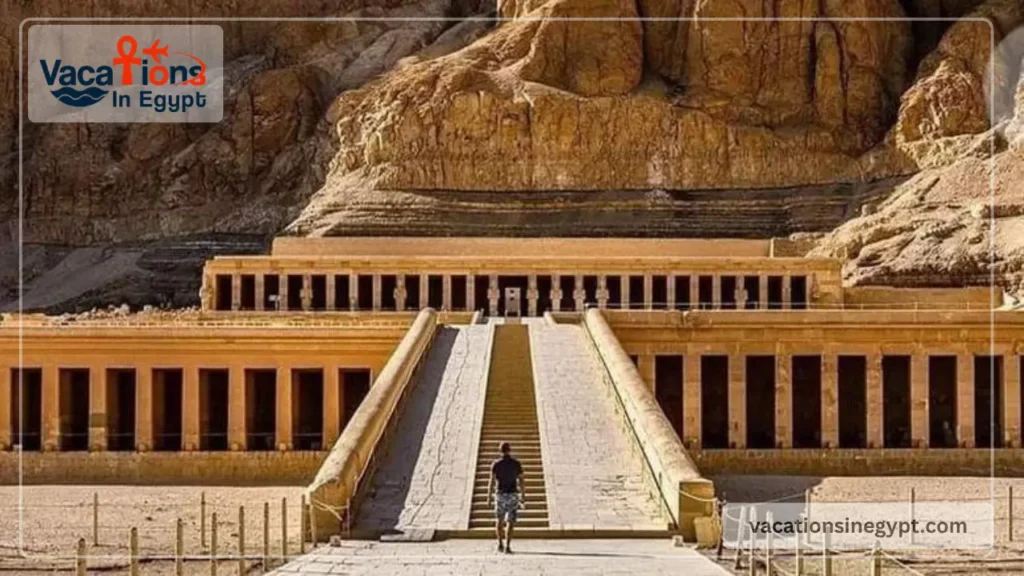
Few places in the world compress so much historical significance into such a manageable geography. Luxor’s major sites span both banks of the Nile — temples on the East Bank, royal tombs on the West — yet transfers between them take minutes, not hours.
That compact layout allows history-focused travelers to:
- Move between different historical eras without losing time to logistics
- Compare temple ritual with burial tradition in a single day
- Trace the continuity between public worship and royal afterlife beliefs
This is what makes a Luxor day tour genuinely different from other Egyptian itineraries. The sites don’t just sit near each other — they speak to each other, and understanding one deepens the experience of the next.
Start at Karnak Temple: Where Ancient Egyptian Religion Takes Shape
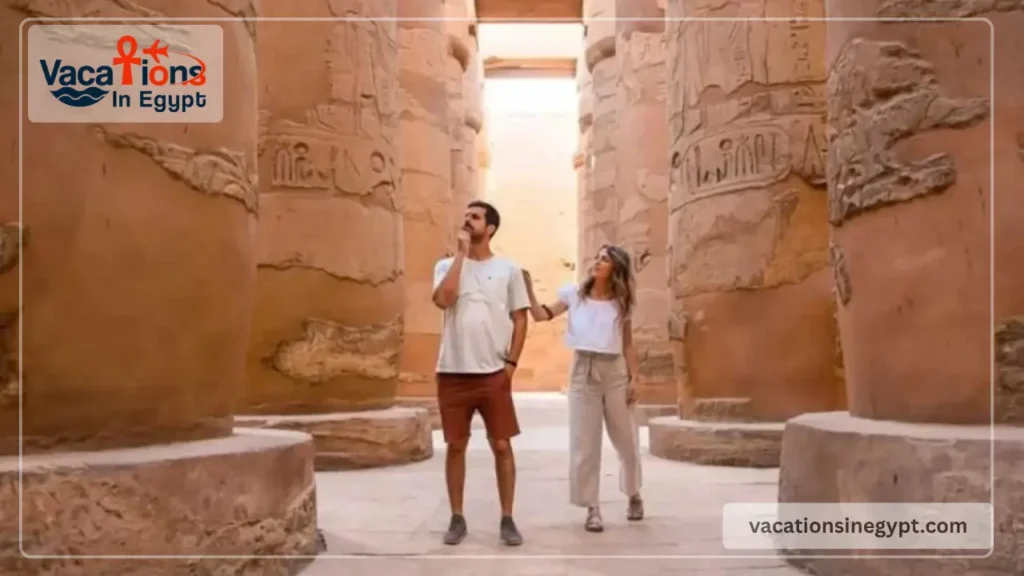
For history lovers, Karnak Temple is the logical starting point — and not simply because of its size. Karnak is not a single temple but a layered religious complex built, expanded, and modified across centuries by successive pharaohs. Visiting Karnak Temple early in the day helps travelers develop a framework for everything that follows.
A focused visit here reveals:
- How different rulers used religious construction to assert political legitimacy
- Why scale and visual dominance were central to ancient Egyptian worship
- How architectural additions across dynasties created a living record of evolving belief
This context doesn’t just make Karnak interesting on its own terms — it makes every subsequent site easier to read and interpret.
Luxor Temple: Religion Embedded in Everyday Urban Life
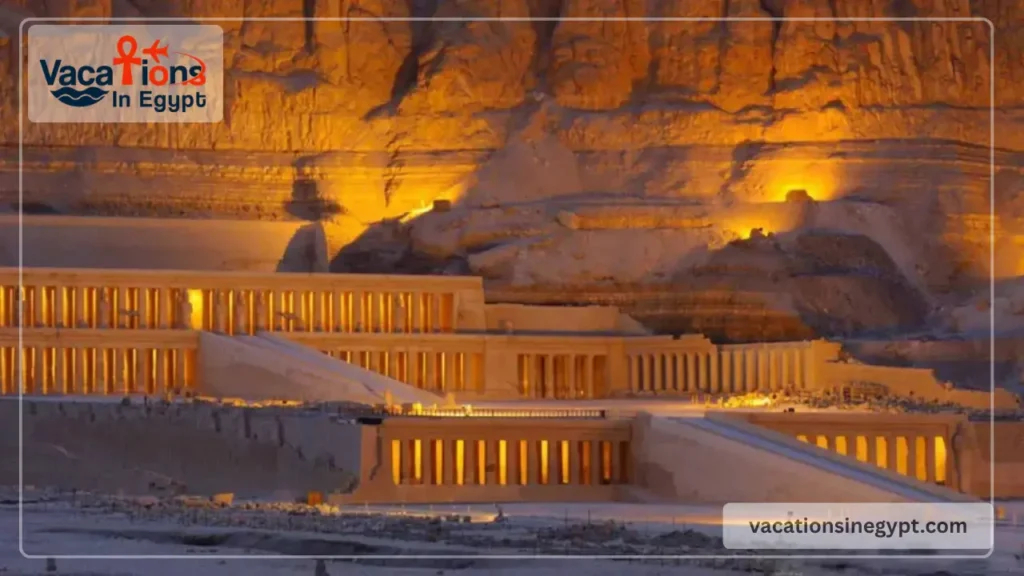
Where Karnak sits at the edge of the city, Luxor Temple sits within it — and that distinction matters. A visit to Luxor Temple shows how religious life was woven into the rhythms of the city rather than set apart from them.
Key themes this site illuminates include:
- The relationship between temples, urban space, and daily civic life
- The processional routes used during major festivals, particularly the Opet Festival connecting Karnak and Luxor
- Architectural symbolism tied directly to the concept of kingship and divine rule
Seeing both Karnak and Luxor Temple in the same morning allows for meaningful comparison. The sites share a historical relationship — they were once linked by an Avenue of Sphinxes — and understanding that relationship adds a layer of interpretation that visiting either alone cannot provide.
Valley of the Kings: Completing the Story of Power and the Afterlife
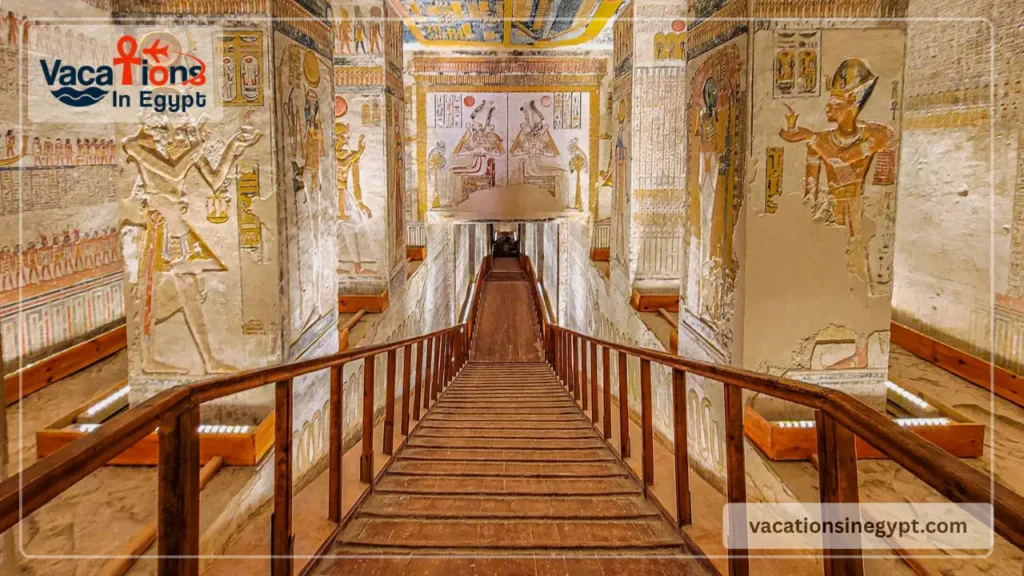
No history-focused Luxor itinerary is complete without crossing to the West Bank and spending time in the Valley of the Kings. If the East Bank temples represent the public face of ancient Egyptian belief, the royal tombs represent its private interior — the beliefs that pharaohs carried with them into eternity.
Visiting the Valley of the Kings answers questions that temples alone cannot:
- How did pharaohs envision and prepare for the afterlife?
- What role did text, color, and symbolic imagery play beneath the ground?
- How did burial practices shift across different dynasties and periods of power?
The contrast between what travelers experience at the temples and what they encounter in the tombs is precisely the point. Together, these spaces complete a coherent picture of ancient Egyptian cosmology — one that no single site can offer on its own.
Can You Cover Both the East and West Bank in One Day Without Rushing?

Yes — provided the itinerary stays disciplined. The temptation to add more sites is real, but restraint is what separates a rewarding day from an exhausting one.
A realistic, well-paced Luxor history day looks like this:
- Morning (East Bank): Karnak Temple, followed by Luxor Temple
- Afternoon (West Bank): A focused visit to the Valley of the Kings, selecting two or three tombs rather than attempting every open chamber
- Built-in buffer time for heat management, transfers across the Nile, and unhurried observation at each site
The goal is not to cover the most ground. It is to leave each site with a clearer understanding than you arrived with.
Expert Tips for Getting the Most Out of a Luxor Day Tour
Local guides and experienced travelers consistently offer the same advice:
- Begin with temples, not tombs. Temples provide the religious and political context that makes tomb symbolism legible. Reversing the order often leaves visitors without the framework to interpret what they’re seeing.
- Choose fewer tombs, not more. Two or three well-examined tombs yield far more understanding than six rushed ones. Let the guide explain the wall paintings in detail rather than moving on quickly.
- Start early. Both for the cooler temperatures and for quieter access to the sites before group tours arrive in force.
- Ask about symbolism, not just chronology. The most valuable thing a knowledgeable guide offers is not a list of dates — it’s an explanation of why the images, colors, and spatial arrangements were chosen. That’s where ancient Egypt becomes genuinely alive.
For travelers planning a Luxor day tour built around historical depth rather than site count, the temple and tomb guides at VacationsInEgypt.com offer a clear and practical foundation for building the right itinerary.