


 Private & Historical tour in Egypt
 Amadahlia Nile Cruise 5 Days
from$3,000.00
Private & Historical tour in Egypt  Private & Historical tour in Egypt
 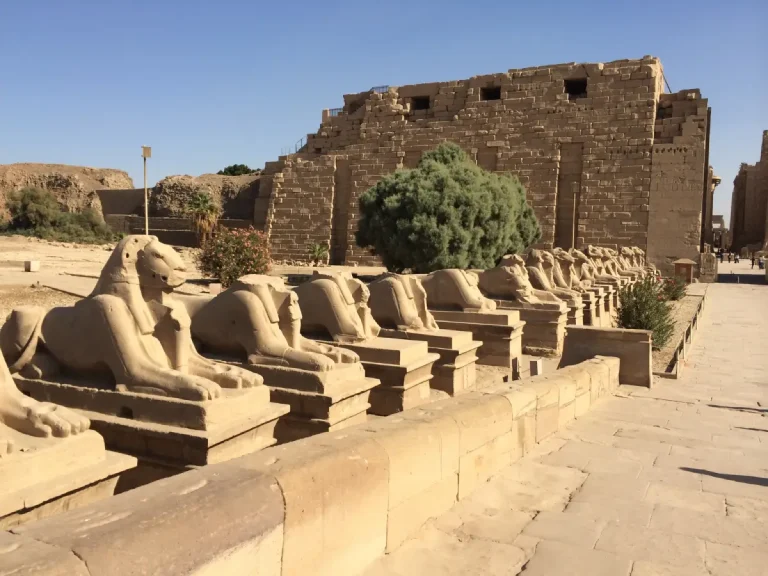 Private & Historical tour in Egypt
  Private & Historical tour in Egypt
 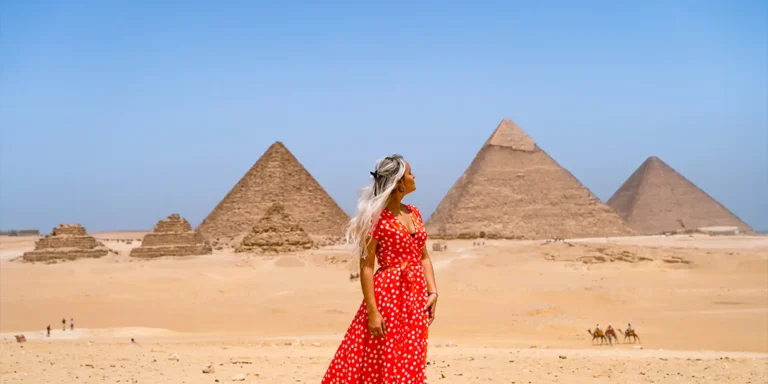 Private & Historical tour in Egypt
 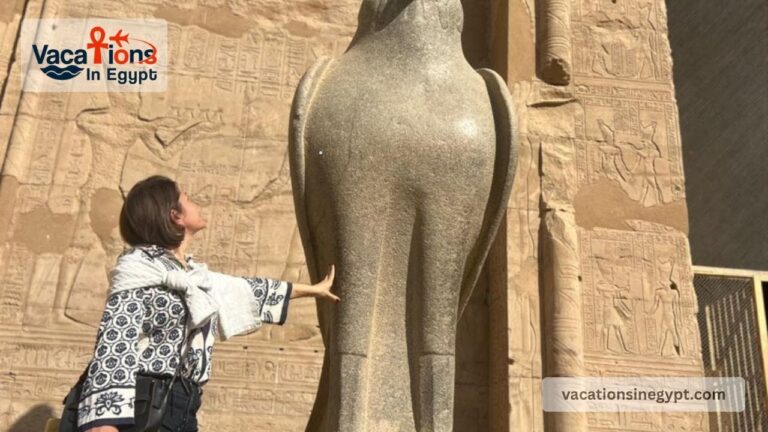 Egypt Small Group Tours
 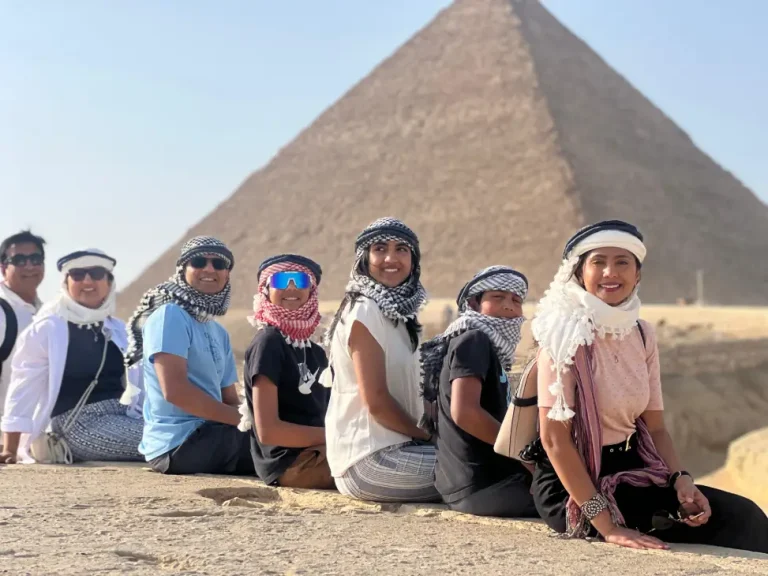 Private & Historical tour in Egypt
  Private & Historical tour in Egypt
  Private & Historical tour in Egypt
  Egypt Classic Tour Packages
  Sightseeing Tour
 Valley of the Kings. It is the necropolis of Egypt where many of the pharaohs of the New Empire are buried, more than 60 tombs carved in the rocks have been discovered.
Where is the Valley of the Kings located?
The Valley of the Kings is located in the city of Luxor, on the West of the Nile River. It is a UNESCO World Heritage Site.
This large necropolis, near Luxor, contains more than 60 tombs of pharaohs and nobles of the New Kingdom, one of the most prosperous periods in the history of ancient Egypt.
Among the finds are the chambers of Tutankhamun, Seti I, and Ramses II. It even has an analog of the wives and relatives of the pharaohs, called the Valley of the Queens.
Once called the Great Necropolis of Millions of Years of the Pharaohs or Place of Truth, the Valley of the Kings contains 63 magnificent royal tombs from the New Empire period (1550-1069 BC), all very different from each other.
The western bank had been a royal cemetery from the First Intermediate Period (2181-2055 BC).
At least three rulers of the 11th Dynasty built their tombs near the present-day village of Taref, northeast of the Valley of the Kings. However, the pharaohs of the 18th dynasty chose the remote valley dominated by the pyramidal summit of al-Qurn (The Horn).
The solitary site where the Valley of the Kings is located is surrounded by cliffs that were easy to survey and, when viewed from the Theban plain, appears to be the place where the sun sets, something the ancient Egyptians associated with the afterlife.
Although numerous tombs have been discovered, such as those of Tutankhamun, Ramses I, Ramses II, Ramses III and Ramses IV, Amenhotep II, Seti I, Siptah, Thutmose III and Horemheb, as well as their treasures, which are displayed in museums such as the Egyptian Museum in Cairo or the Luxor Museum, you cannot help but wonder what other fascinating riches will still be hidden underground, simply waiting to be discovered. It is known that although there are about 60 tombs and chambers in the valley, excavations continue and new tombs have been found, so it is believed that there could b
The tombs have suffered extensive damage from treasure hunters, floods, and in recent years.
Mass tourism: the carbon dioxide, friction, and humidity produced by the 2.8 g of sweat left by each visitor on average have affected the reliefs and pigments of the wall paintings.
Each tomb in the valley has a number representing the order in which it was discovered.
Among the tombs found are: Ramses II, Ramses VII, the famous tomb of Tutankhamun, Thutmose I, Thutmose III, Amenhotep II, and Seti I, among other tombs.
The Valley of the Kings is the necropolis of Egypt where many of the pharaohs of the New Empire are buried, to date more than 60 tombs carved in the rocks have been discovered. In ancient times the valley was called "Ta Iset Maat", which means "place of truth".
Some of the tombs in the Valley of the Kings are the Tomb of Ramesses IX, the Tomb of King Merenptah, the Tomb of Ramesses III, the Tomb of Tutankhamun and the Tomb of Seti I.
To comfortably explore the tombs of the Valley of the Kings can take between 6 and 7 hours.
The entrance fee is purchased at the Valley of the Kings visitor center, costs 600 LE or 300 LE if you are a student, and includes a visit to 3 regular tombs of your choice. The tombs opened on our last trip to Egypt were as follows (April 2023): KV 1: Tomb of Ramses VII.
Those who dared to violate Tutankhamun's final resting place knew the greatest curse of ancient Egypt. Mask of Tutankhamun, which will be exhibited at the Grand Egyptian Museum (GEM) scheduled to open in
Build your own private tour to Egypt — one detail at a time.