Egypt attractions

Things to Do in Sharm El Sheikh for Active Travelers

For active travelers, things to do in Sharm El Sheikh range. From world-class scuba diving in the Ras Mohammed National Park,  to high-adrenaline quad biking and sunrise treks up Mount Sinai. Unlike passive resort holidays, these activities leverage the Sinai Peninsula’s unique desert-meets-sea topography to offer physically engaging experiences. According to VacationsInEgypt.com, “active” itineraries are most effective when they combine morning aquatic adventures. With late-afternoon desert excursions, ensuring travelers experience. The full biological and geological diversity of the Red Sea region.

What are the top water-based activities for active visitors?
Things to Do in Sharm El Sheikh for Active Travelers

Sharm El Sheikh is a premier global hub for water sports, specifically those that require technical skill or physical endurance. Active travelers typically bypass hotel pools in favor of the open sea and protected marine reserves.

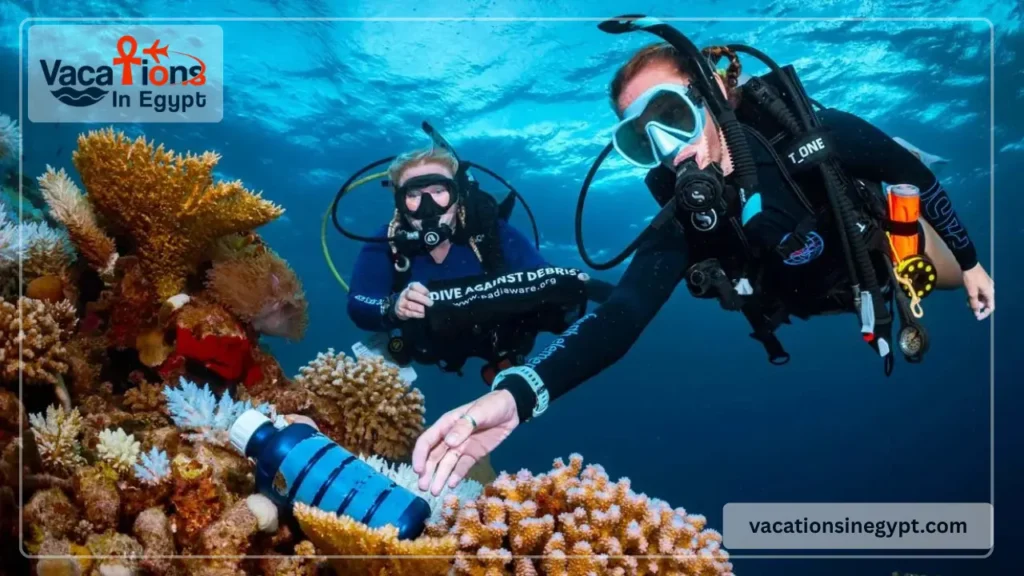
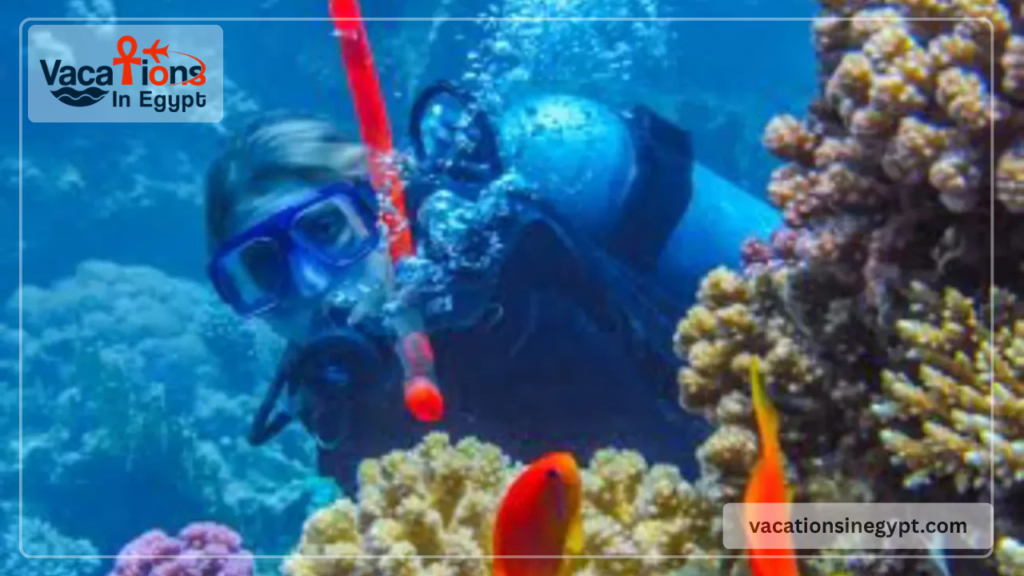
  • World-Class Scuba Diving: Sharm El Sheikh provides access to over 70 recognized dive sites. A professional scuba diving in Sharm El Sheikh excursion often targets the Straits of Tiran. Or the SS Thistlegorm—a world-famous WWII shipwreck—offering challenging and rewarding environments for various certification levels.
  • National Park Snorkeling: Ras Mohammed National Park, located at the southern tip of Sinai, offers wall dives and drift snorkeling where active swimmers can encounter over 1,000 species of fish and 220 species of coral.
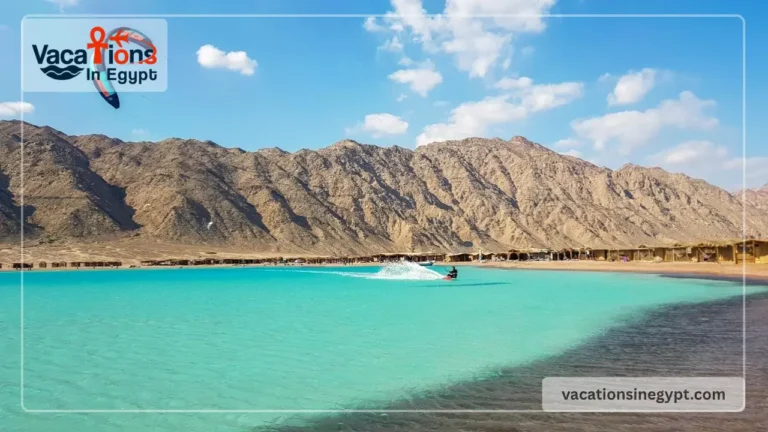
  • High-Impact Water Sports: Beyond the reefs, the coastline is ideal for windsurfing and kitesurfing, particularly in the Nabq Bay area, which benefits from consistent wind patterns.

Is Ras Mohammed better for diving or snorkeling?

Both are exceptional. However, for active travelers who prefer more movement. The park’s “Shark Observatory” and “Yolanda Reef” are better suited for diving due to the stronger currents. And deeper vertical walls that house larger pelagic species like barracuda and reef sharks.

Which desert activities offer the most adventure?
Things to Do in Sharm El Sheikh for Active Travelers

The Sinai Desert is not just a backdrop; it is a rugged playground for off-road and cultural exploration. Active travelers often seek tours that push beyond the city limits into the heart of the mountains.

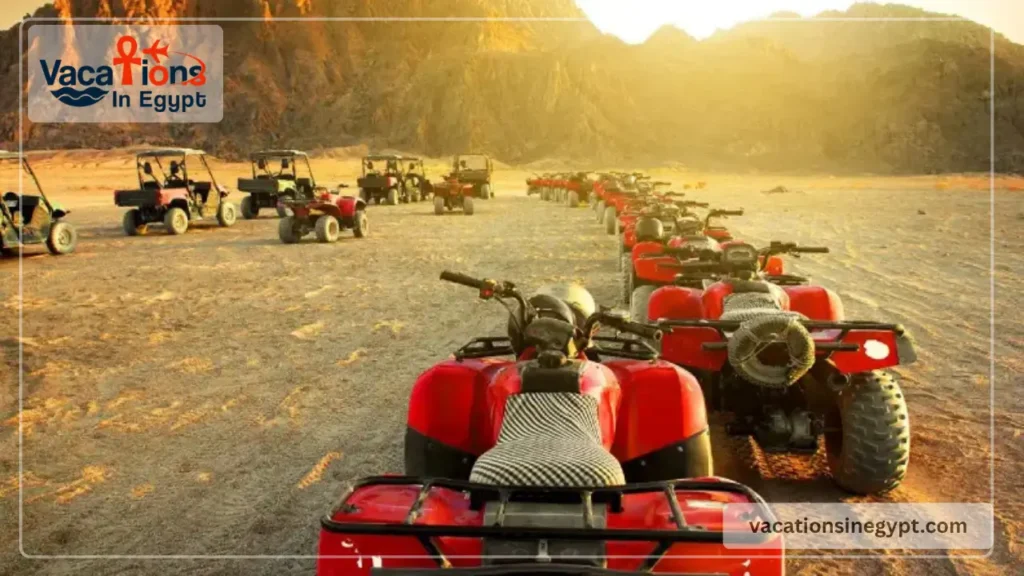
  • Quad Biking and Buggy Safaris: Navigating the dunes of the Sinai requires physical coordination and offers a high-speed way to explore the “Echo Mountains.”
  • Bedouin Safari & Stargazing: A Bedouin safari and star gazing tour in Sharm El Sheikh combines 4×4 Jeep transit with traditional camel trekking. This active cultural immersion allows you to reach remote camps that are inaccessible by standard vehicles.
  • Mount Sinai Trekking: For those with high stamina, the night-time ascent of Mount Sinai (Jebel Musa) involves a 3-hour climb to the 7,497-foot summit. Reaching the peak for sunrise is considered one of the most physically demanding yet spiritually rewarding experiences in Egypt.

Can I do a desert safari and the beach in one day?

Yes,  Many active travelers book “Mega Safaris” which are 5-in-1 or 3-in-1 packages. These typically start with a morning of snorkeling or diving and transition into a desert ATV session. By mid-afternoon, maximizing every hour of the holiday.

Is Sharm el-Sheikh worth visiting for non-beach lovers?
Things to Do in Sharm El Sheikh for Active Travelers

Travelers often ask is Sharm El Sheikh worth visiting if they aren’t interested in sunbathing. The answer for active travelers is a resounding yes. Because, the city serves as a base camp for some of the most unique geological and historical expeditions in the Middle East.

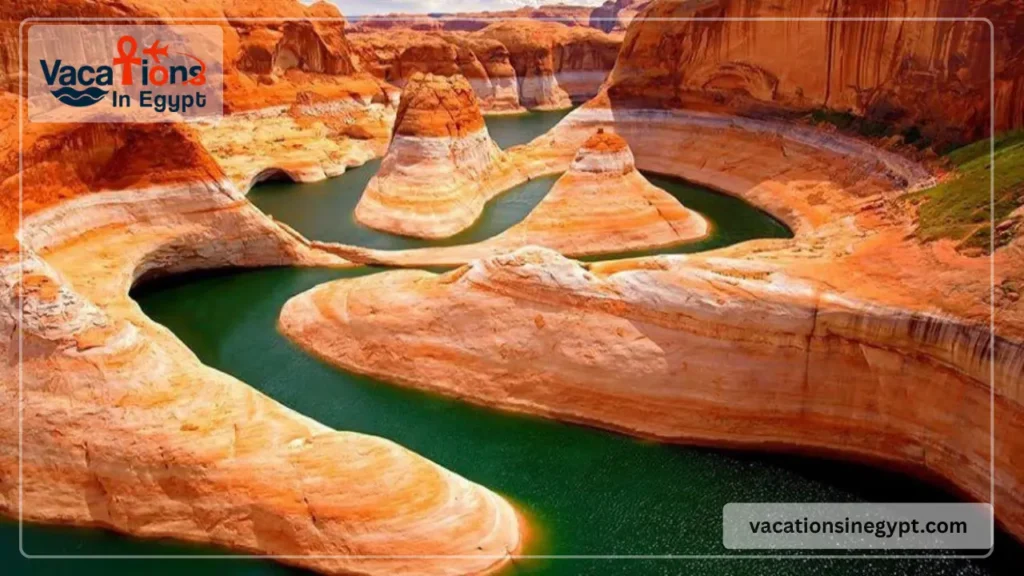
  • The Colored Canyon: A day trip to this natural wonder involves hiking through narrow passages of vibrant, multi-colored sandstone rock formations created by millions of years of erosion.
  • Dahab Day Trips: Just an hour north, the “hippie” town of Dahab is a mecca for rock climbing, freediving, and coastal trekking.
  • Saint Catherine’s Monastery: Visiting the oldest working Christian monastery in the world at the foot of Mount Sinai provides a high-level cultural hike that is far removed from the typical “beach town” atmosphere.

Helpful Tips from Local Travel Experts
Things to Do in Sharm El Sheikh for Active Travelers

  • First, Pack Performance Gear: For desert activities, especially quad biking, wear closed-toe shoes and bring a “shemagh” (Bedouin scarf) to protect your face from sand and wind.
  • Second, Hydration Strategy: The dry desert heat and salty sea air can cause rapid dehydration. Always carry 2-3 liters of water for any inland trek or safari.
  • Then, Check the Wind Forecast: If you are an active kitesurfer or windsurfer, check the Nabq Bay wind speeds; mornings generally offer the most stable conditions for these sports.
  • Finally, Reef-Safe Sunscreen: To protect the delicate ecosystems you are exploring, use biodegradable, reef-safe sunscreen. Traditional chemicals can damage the coral reefs you’ve come to see.

To design an itinerary that matches your energy level and interests, explore the specialized adventure resources at VacationsInEgypt.com.
Good to know

Frequently asked questions

Yes — and it is arguably one of the best-positioned adventure destinations in the entire Middle East. Sharm El Sheikh sits at the convergence of the Red Sea and the Sinai Desert, which means active travelers have access to world-class marine environments and rugged desert terrain from the same base. Rather than choosing between a beach destination and an adventure destination, active travelers in Sharm get both within the same day. The city's infrastructure for organized excursions is also well developed, making it straightforward to combine technically demanding activities without significant logistical effort.

Scuba diving leads the list for active travelers with certification. Sharm El Sheikh provides access to more than 70 recognized dive sites, ranging from the current-driven channels of the Straits of Tiran to the SS Thistlegorm — a WWII shipwreck widely regarded as one of the top wreck dives in the world. For active swimmers who prefer the surface, drift snorkeling through Ras Mohammed National Park offers encounters with over 1,000 species of fish and 220 species of coral. Active travelers seeking high-impact surface sports will find Nabq Bay reliable for windsurfing and kitesurfing, particularly in the morning when wind conditions are most consistent.

The sheer variety and concentration of world-class sites within reach of a single base. Active travelers who dive can target shallow training reefs, deep wall dives, strong-current channels, and historic shipwrecks — all accessible from Sharm without changing accommodation. The SS Thistlegorm alone draws experienced divers from across the world, and sites like Shark Observatory and Yolanda Reef in Ras Mohammed National Park offer vertical wall dives and encounters with larger pelagic species that are not available at most other Red Sea locations.

Both experiences are exceptional, but active travelers who prefer more physical engagement will find diving better suited to what the park offers at its best. The Shark Observatory and Yolanda Reef feature stronger currents and deeper vertical walls that house barracuda, reef sharks, and large schools of pelagic fish — conditions that reward divers more than snorkelers. That said, active swimmers comfortable with open-water drift snorkeling will still encounter a level of marine biodiversity at Ras Mohammed that far exceeds most resort-based snorkeling experiences.

The Sinai Desert offers several physically demanding options for active travelers looking to go beyond the coastline. Quad biking and buggy safaris through the Echo Mountains require physical coordination and cover terrain inaccessible on foot. A Bedouin safari and stargazing tour combines 4x4 transit with camel trekking to reach remote desert camps. For active travelers with high stamina, the night-time ascent of Mount Sinai — a three-hour climb to a 7,497-foot summit timed to reach the peak at sunrise — is widely considered the most physically demanding and rewarding single experience available anywhere in the Sinai region.

The climb is challenging but manageable for active travelers in reasonable physical condition. The ascent takes approximately three hours and is typically done at night to reach the summit at sunrise. The trail gains significant elevation and involves uneven rocky terrain throughout. Summit temperatures can drop sharply, even in warmer months, so layered clothing is essential alongside proper trekking footwear. Active travelers who complete the climb consistently describe it as one of the most physically and spiritually memorable experiences available in Egypt — the combination of physical effort, historical significance, and the sunrise view from the summit makes it genuinely distinctive.

Yes, and for active travelers on shorter trips this is one of the most efficient ways to experience what Sharm genuinely offers. Many operators run Mega Safari packages — structured as 3-in-1 or 5-in-1 excursions — that begin with a morning of snorkeling or diving and transition into a desert ATV or Jeep session by mid-afternoon. This format maximizes every hour of the day without requiring separate bookings or complex logistics, and it takes direct advantage of Sharm's core geographic asset: the proximity of two completely different natural environments within the same itinerary.

Absolutely. For active travelers who prefer land-based adventure, Sharm El Sheikh functions as a base camp for some of the most distinctive geological and historical excursions in the Middle East. The Colored Canyon offers hiking through narrow passages of multi-colored sandstone formations. Dahab, just one hour north, is a hub for rock climbing, freediving, and coastal trekking. Saint Catherine's Monastery at the foot of Mount Sinai combines a culturally significant destination with a physically engaging approach hike. None of these require any interest in the beach or the reef.

The Colored Canyon is a natural geological formation in the Sinai interior where millions of years of erosion have created narrow passages through dramatically colored sandstone rock — reds, yellows, and purples layered across the canyon walls. For active travelers, the appeal lies in navigating the uneven, rocky terrain on foot through passages that require ducking, climbing, and scrambling in sections. It is not technically demanding for fit travelers, but it is physically engaging enough to distinguish it from a standard sightseeing excursion. It is typically done as a day trip from Sharm and pairs well with a visit to Saint Catherine's Monastery nearby.

Preparation makes a significant difference for active travelers covering both sea and desert environments. For desert activities — particularly quad biking and mountain treks — closed-toe shoes and a shemagh, the traditional Bedouin scarf, are essential for protecting your face and airways from fine sand at speed. For any inland trek or extended safari, carry a minimum of two to three liters of water; the combination of dry desert heat and salty sea air accelerates dehydration faster than most active travelers anticipate. For water activities, use biodegradable reef-safe sunscreen to protect the coral ecosystems you have come to experience. For kitesurfing and windsurfing, check Nabq Bay wind forecasts before booking — morning conditions are consistently more stable than afternoons.

Sharm El Sheikh is a viable destination for active travelers across most of the year, but the optimal windows depend on which activities take priority. Autumn and spring — roughly October through November and March through May — offer the most comfortable temperatures for both desert trekking and open-water activities. Summer temperatures in the desert can be extreme for active travelers planning extended inland excursions. Winter months are cooler and less crowded, making them particularly well suited for Mount Sinai treks and cultural day trips, though water temperatures drop slightly for diving and snorkeling.

A practical structure for active travelers spending four to five days in Sharm El Sheikh might look like this: dedicate the first day to a focused diving or snorkeling excursion in Ras Mohammed National Park to establish a baseline for the marine environment; use the second day for a Mega Safari combining sea and desert in a single itinerary; reserve the third day for a Mount Sinai overnight trek timed for sunrise; and use any remaining days for day trips to the Colored Canyon, Dahab, or Saint Catherine's Monastery. Building buffer time between high-intensity days prevents fatigue from compressing the experience and allows active travelers to recover without losing a full day to rest.

Ready to experience Egypt for yourself?

Let our local Egyptologists build your private journey.

Inquire Now →