Introduction: Why Egypt Is a Shopper’s Paradise
A trip to Egypt is incomplete without bringing home a piece of its extraordinary history and culture. Whether you’re wandering through the legendary Khan El-Khalili bazaar in Cairo, browsing the vibrant markets of Luxor, or exploring the handicraft stalls of Aswan, Egypt offers an unmatched variety of unique, meaningful, and affordable souvenirs for every budget.
From ancient pharaonic symbols crafted in gold to hand-painted papyrus scrolls and aromatic spice blends, here are the best souvenirs to buy in Egypt in 2025/2026.
Where to Buy Souvenirs in Egypt
Before diving into what to buy, knowing where to shop makes all the difference:
- Khan El-Khalili (Cairo) — Egypt’s most famous bazaar, offering everything from jewelry and spices to antiques and perfumes in one bustling marketplace.
- Luxor Market — Ideal for alabaster carvings, textiles, and pharaonic statues near the Valley of the Kings.
- Aswan Souks — Best known for Nubian crafts, hand-painted pottery, and authentic papyrus products.
- Downtown Cairo Shops — Great for traditional clothing, belly dancing costumes, and copper goods.
Top 13 Souvenirs to Buy in Egypt
1. Pharaonic Statues and Pyramid Souvenirs
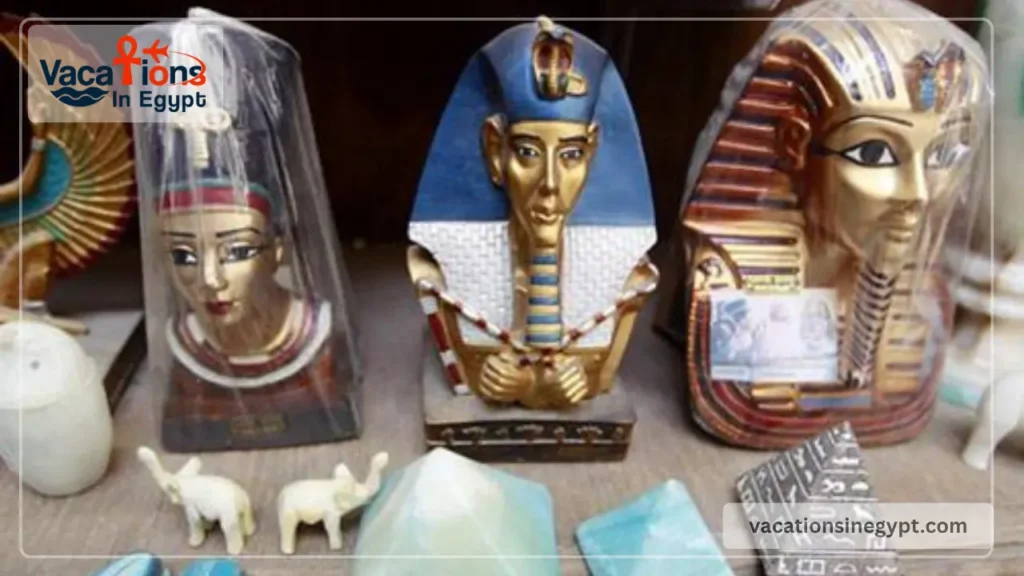
No Egypt souvenir collection is complete without a piece of its ancient heritage. Popular choices include miniature pyramid replicas, hand-carved pharaonic statues, and decorative paintings depicting iconic Egyptian landscapes.
Among the most sought-after individual pieces are:
- Egyptian Cat Statues — Representing Bastet, the goddess of fertility and protection, these elegant figurines are among the most popular items in Khan El-Khalili and make a striking decorative piece.
- Scarab Beetle Amulets — The sacred scarab was placed over the hearts of mummies to protect the soul in the afterlife. Today, scarab amulets are a symbol of good luck and one of Egypt’s most iconic keepsakes.
- Egyptian Ankh Cross — The ancient symbol of life, believed to bring fortune and healing. Available in a range of materials from simple stone carvings to solid gold.
Best place to buy: Khan El-Khalili market, souvenir shops near the Pyramids of Giza.
2. Egyptian Cotton Products
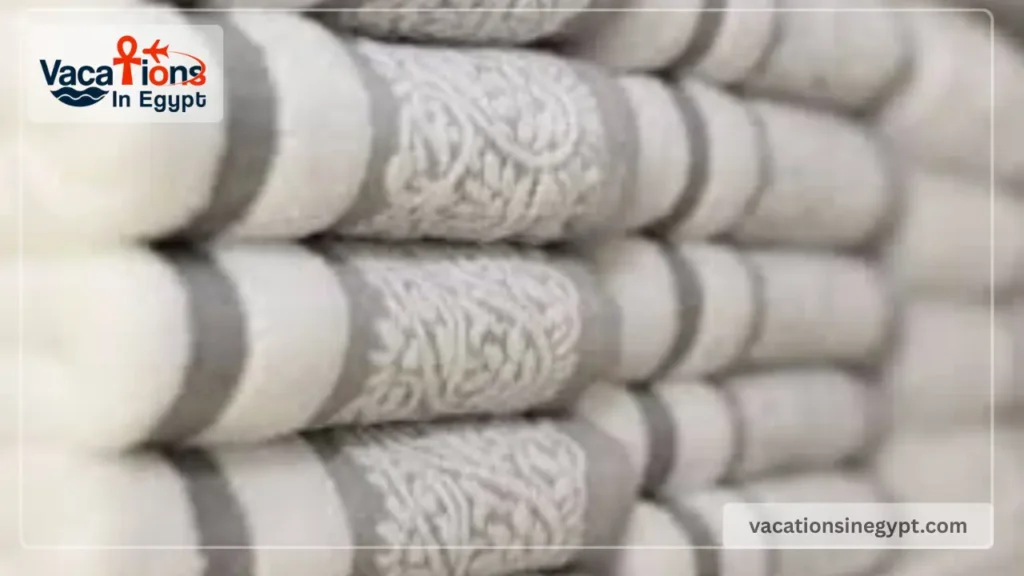
Egyptian cotton is world-renowned for its exceptional softness, durability, and fine thread count. Bed linens, towels, and clothing made from genuine Egyptian cotton are among the most practical and luxurious gifts you can bring home.
Shopping tip: Always look for products with an official label confirming authenticity, and compare prices across several shops to get the best deal.
Best places to buy: Khan El-Khalili, Luxor and Aswan markets.
3. Perfume Oils and Arabic Incense
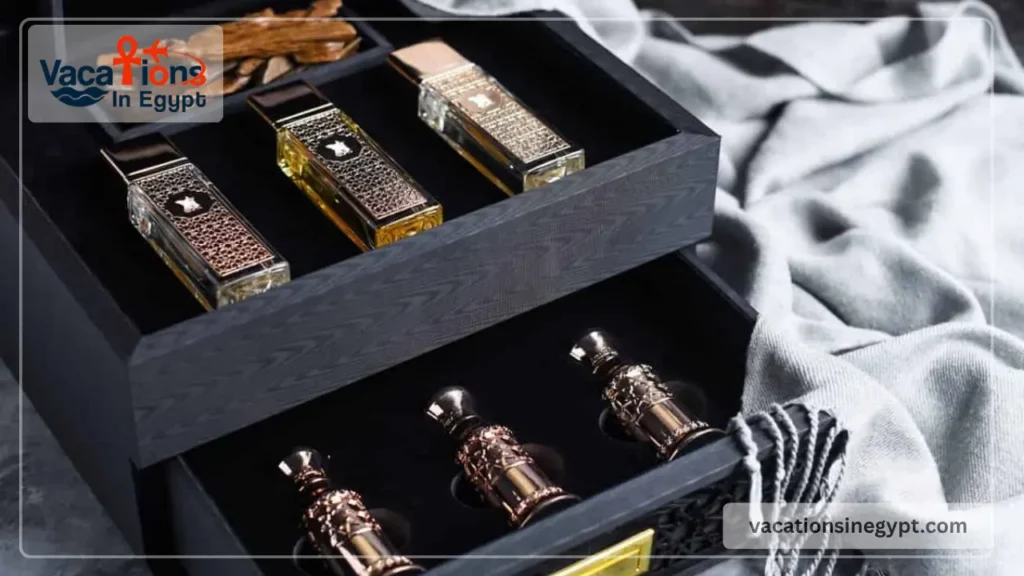
Egyptian perfumery has a history stretching back thousands of years. Unlike Western fragrances, Egyptian perfumes are made from highly concentrated natural oils — pure, long-lasting, and intensely aromatic. Popular scents include jasmine, rose, amber, and lotus.
Arabic incense is equally wonderful as a gift — its rich, calming fragrance is distinctive and deeply rooted in Egyptian and Middle Eastern culture.
Best places to buy: Dedicated perfume shops and Khan El-Khalili market.
4. Papyrus Art
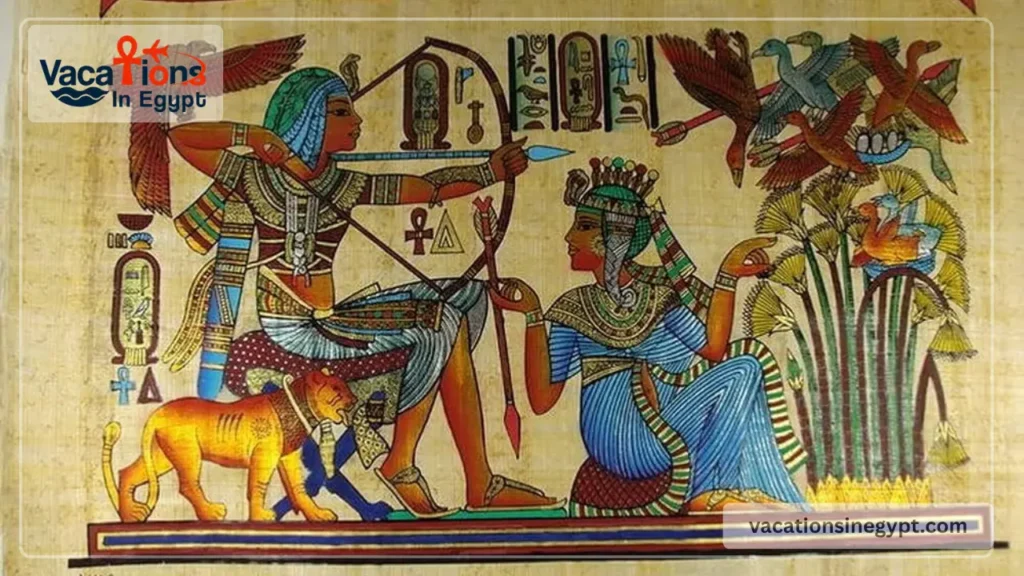
One of Egypt’s most authentic and culturally significant souvenirs, papyrus art is made from the same ancient reed plant used by the pharaohs to create the world’s earliest paper. Artists hand-paint these scrolls with hieroglyphic scenes, gods, and iconic Egyptian imagery.
To ensure you’re buying genuine papyrus rather than cheap banana-leaf imitations, visit a certified Papyrus Institute or reputable gift shop.
Best places to buy: Papyrus Institute Cairo, Khan El-Khalili, Aswan shops.
5. Gold and Silver Jewelry
For a truly special souvenir, Egyptian gold and silver jewelry is hard to beat. Skilled artisans craft pieces inspired by ancient Egyptian symbols, including the Ankh, Eye of Horus, scarab beetle, and Cartouche (a personalized hieroglyphic name plate). These make elegant, meaningful gifts that carry a deep historical significance.
Shopping tip: Purchase gold and silver only from licensed, reputable jewelers to guarantee quality and fair pricing.
Best place to buy: Khan El-Khalili jewelry district, certified gold shops in Cairo.
6. Handcrafted Pottery and Ceramics
Egyptian pottery is a living craft tradition, with artisans producing beautifully shaped and painted pieces in vivid colors and geometric patterns. Bowls, vases, plates, and decorative tiles make wonderful and durable souvenirs.
Best place to buy: Aswan, which is particularly renowned for the quality and artistry of its pottery.
7. Alabaster Statues and Carvings
Carved from smooth, creamy alabaster stone, these miniature statues and decorative objects are a hallmark of Egyptian craftsmanship. Popular forms include pharaonic busts, animal figurines, and canopic jars inspired by ancient tomb artifacts.
Best places to buy: Shops near Luxor’s archaeological sites and the Valley of the Kings.
8. Leather Goods
Egypt produces high-quality handcrafted leather products including bags, wallets, belts, and sandals, often embossed with pharaonic motifs or geometric patterns. Durable and stylish, leather goods offer excellent value for money.
Best places to buy: Dedicated leather markets in Cairo and Khan El-Khalili.
9. Egyptian Spices and Herbs
Egypt’s spice markets are a sensory delight. Fragrant pyramids of cumin, coriander, cinnamon, turmeric, dried hibiscus (karkadeh), and black seed line the stalls of every bazaar. These make wonderfully practical and aromatic souvenirs that bring the flavors of Egypt straight to your kitchen.
Shopping tip: Buy loose spices from reputable vendors and store them in sealed bags for the journey home.
Best places to buy: Khan El-Khalili spice section, Aswan and Luxor markets.
10. Copper and Brassware
Hand-engraved copper and brass items — including trays, lanterns, decorative plates, and coffee pots — are among Egypt’s finest traditional crafts. Each piece is individually crafted and engraved, making it a genuinely unique souvenir with artistic and historic value.
Best place to buy: Khan El-Khalili market, Cairo.
11. Traditional Clothing and Scarves
Bring home a piece of Egyptian culture with traditional clothing. The galabiya — a long, flowing robe worn across Egypt — comes in both everyday cotton versions and richly embroidered Nubian styles in bright, bold colors. Lightweight scarves and shawls are also practical and beautiful souvenirs.
For something truly unique, look for belly dancing costumes, which represent an important strand of Egyptian artistic heritage and are sold in shops throughout downtown Cairo and Khan El-Khalili.
12. Khayameya Textiles and Egyptian Rugs
Khayameya is Egypt’s ancient art of tent-making — a craft dating back centuries in which brightly colored geometric and arabesque patterns are hand-stitched onto fabric. Today these textiles are used as wall hangings, tablecloths, cushion covers, and decorative panels, and make stunning home décor souvenirs.
Hand-woven rugs and carpets are equally impressive — crafted on traditional looms in vivid colors, they are exceptional value for their quality and artistic merit.
Best place to buy: The Tentmakers’ Market (Souq al-Khayamiyya) in Islamic Cairo.
13. Egyptian Sun Hats
Practical as well as culturally charming, traditional Egyptian straw and cotton hats protect you from the intense sun while doubling as a memorable keepsake. Many are embroidered with Egyptian motifs and come in styles reflecting both Nubian and Bedouin heritage.
Egypt Souvenir Shopping Tips
To make the most of your shopping experience in Egypt, keep these practical tips in mind:
- Verify authenticity — For papyrus, gold, silver, and cotton, always check for official labels or certificates of authenticity.
- Shop at multiple locations — Prices and quality vary significantly between tourist shops near monuments and local markets. Explore both.
- Carry cash — Many market vendors and smaller shops prefer or only accept Egyptian pounds.
- Buy early in the trip — This gives you time to go back for more of anything you love, and avoids the last-minute rush.
Final Thoughts
Egypt’s markets and bazaars are as much a part of the travel experience as its monuments and museums. Whether you’re searching for a priceless piece of gold jewelry engraved with hieroglyphics or simply a bag of fragrant spices to take home, Egypt has something remarkable for every traveler and every budget.
Plan your trip, explore the souks, and bring a little piece of Egypt home with you.