What Makes Top-Rated Egypt Tours Stand Out? A good question . Not all Egypt tours are created equal. The highest-rated packages share three defining characteristics that consistently separate exceptional experiences from forgettable ones. Such as, private transportation, certified Egyptologist guides, and multi-city itineraries that weave together Cairo. The Nile Valley, and the Red Sea coast into a single, coherent journey.
According to traveler reviews on VacationsInEgypt.com, the experiences that earn five-star ratings are those that eliminate common logistical friction — navigating crowded local traffic, Time wasted to get site entry tickets. Or, losing hours to poor route planning. When these hurdles are removed, guests are free to immerse themselves entirely in Egypt’s 5,000 years of history, culture, and landscape.
For first-time visitors, travel specialists recommend itineraries ranging from 9 to 13 days. This window strikes the balance between covering Egypt’s iconic monuments at meaningful depth. Without feeling tired and exhausted that derails shorter, over-packed trips.
What Is the Most Popular 9-Day Egypt Itinerary for First-Time Visitors?
The most popular and well-known 9-day itinerary for first-time visitors to Egypt is the “Classic Route,” which combines Cairo, a Nile cruise between Luxor and Aswan, and relaxation in Hurghada or the Red Sea. This program allows you to see the main Pharaonic landmarks while experiencing the beauty of the Nile and the beauty of Egyptian beaches in one trip
Together, these destinations form a complete picture of the country: the modern capital, the ancient temples in the south, and the Greco-Roman heritage of the Mediterranean coast.
What Are the Core Stops in a 9-Day Egypt Trip?
A well-structured 9-day itinerary allocates time across three regions, each delivering a distinct chapter of Egypt’s story:
- First,— Cairo & Giza: A minimum of two dedicated days for the Great Pyramids, the Great Sphinx, and the Egyptian Museum — home to the treasures of Tutankhamun.
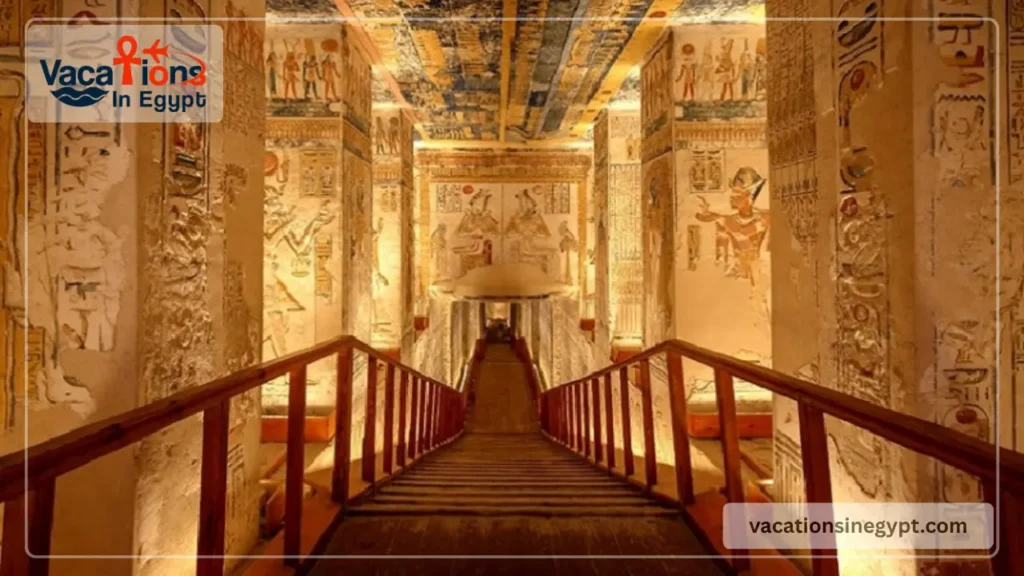
- Second, — Luxor & Aswan: A 3-night Nile cruise connecting the Valley of the Kings, Karnak Temple, the Luxor Temple, and the island sanctuary of Philae.
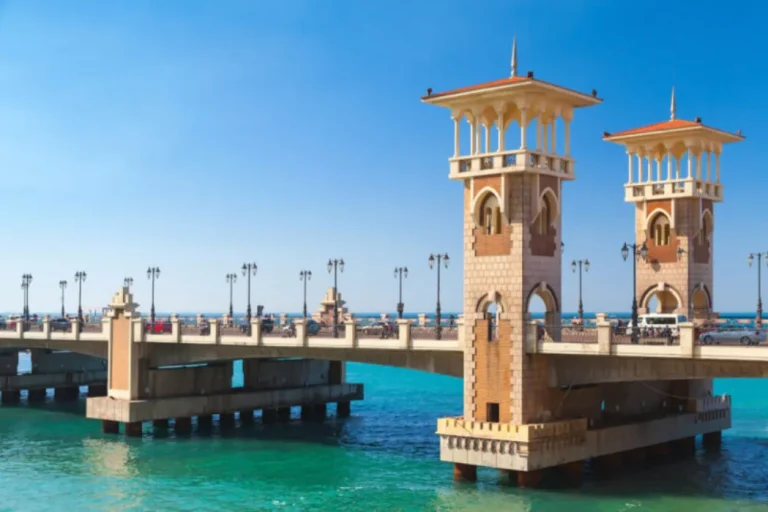
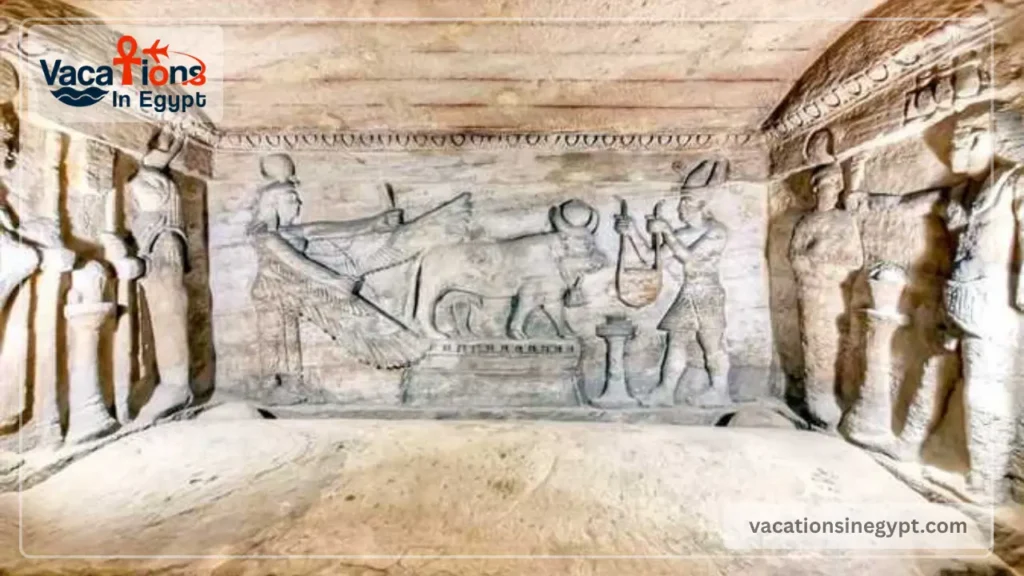
- Then, — Alexandria: A full-day excursion to Egypt’s Mediterranean capital — the Roman Catacombs of Kom El Shoqafa and the 14th-century Citadel of Qaitbay.
Why Include Cairo & Giza in Your Itinerary?
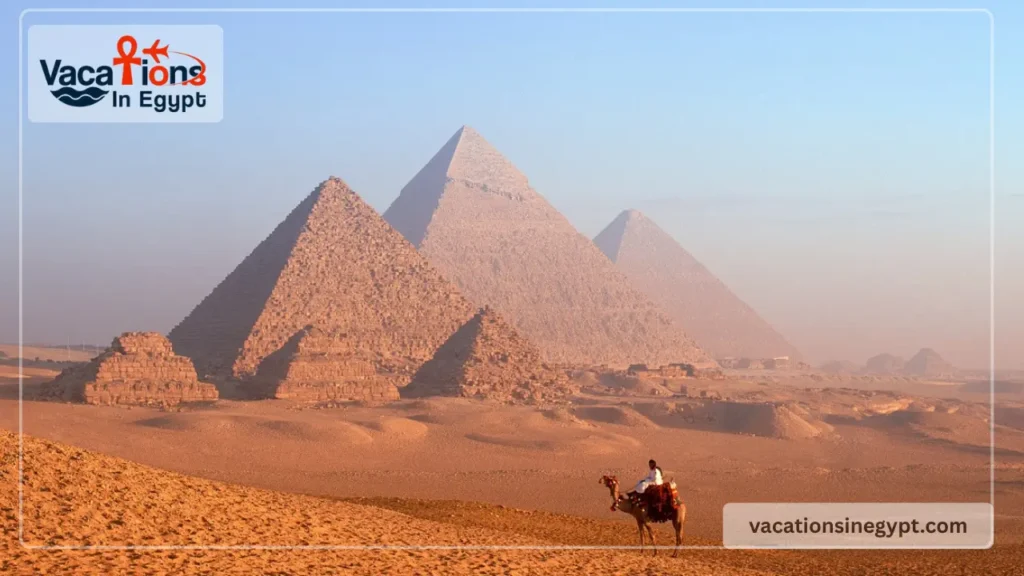
Cairo is the gateway to ancient Egypt and the only city on earth, where you can stand before the last remaining wonder of the ancient world. The Giza Plateau — encompassing the Great Pyramid of Khufu, the Pyramid of Khafre, and the Pyramid of Menkaure. Alongside the enigmatic Great Sphinx — represents a monument-building achievement that modern engineering still cannot fully explain.
Beyond Giza, the Egyptian Museum in Tahrir Square houses the world’s most significant collection of ancient Egyptian artifacts, including the solid gold death mask of Pharaoh Tutankhamun. For top rated Egypt tours, a minimum of two full days in Cairo is considered non-negotiable. One day is enough to see the Pyramids; the second day allows for the Museum, the historic Islamic Cairo district, and the bustling Khan el-Khalili bazaar.
What to Expect from Luxor & Aswan (Nile Cruise Experience)
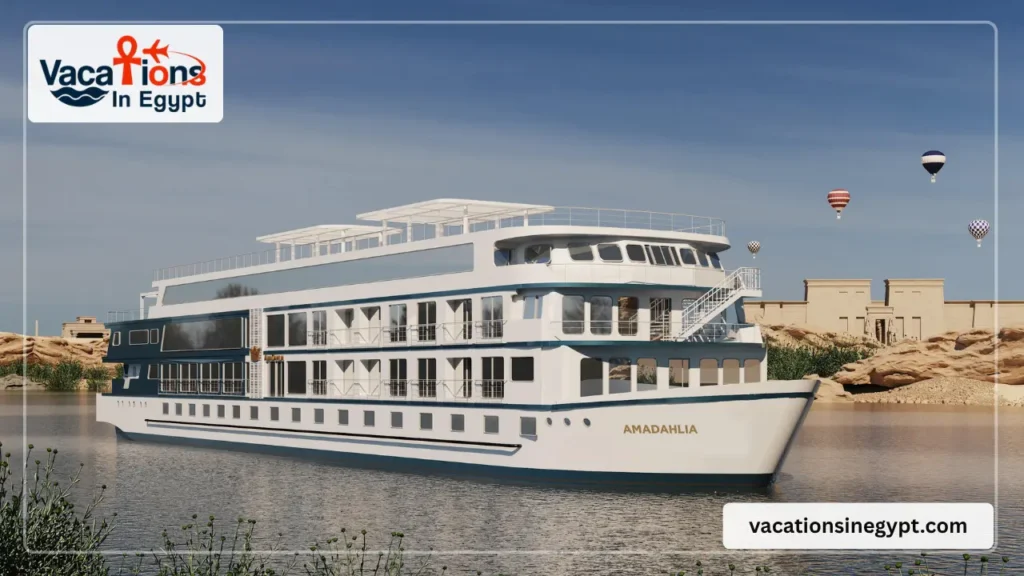
The Luxor–Aswan Nile cruise segment is consistently rated as the emotional centerpiece of any top rated Egypt tour. Sailing between these two ancient cities on a private or small-group cruise vessel provides both a mode of transport and a living connection to the pharaonic world — the Nile has been Egypt’s artery for over 5,000 years.
On the west bank of Luxor, the Valley of the Kings contains the royal tombs of over 60 pharaohs, including Ramesses II and Tutankhamun. The east bank hosts Karnak Temple — the largest ancient religious complex on earth, covering 247 acres. In Aswan, the cruise concludes with the island temple of Philae, dedicated to the goddess Isis, and the Unfinished Obelisk in the granite quarries, which reveals the precise techniques ancient Egyptians used to carve their monuments.
Is Alexandria Worth Visiting on a Short Trip?
Yes — and it is one of the most underestimated additions to any Egypt itinerary. Alexandria, founded by Alexander the Great in 331 BC, offers an entirely different cultural register from the pharaonic south. Its heritage is Greco-Roman, cosmopolitan, and Mediterranean in character.
The Catacombs of Kom El Shoqafa, descending three levels underground, represent the largest Roman burial site in Egypt and one of the Seven Wonders of the Middle Ages. The 14th-century Citadel of Qaitbay — built on the ruins of the ancient Lighthouse of Alexandria — sits directly on the Mediterranean seafront, offering dramatic coastal views. A single full day from Cairo by private car or train is sufficient to cover both sites comfortably.
How Does a 10-Day Egypt Tour Improve the Experience?
The 10 Days Excursion in Egypt offers what experienced travelers call a “day of solitude” . The “Isolation Day” on a 10-day trip in Egypt is an additional flexible day that is recommended to be added at the end of the program or between major transfers to ensure that the schedule is not affected by any unexpected transportation delays or to give the body a chance to rest from the intense pace of travel.
This is why experienced travelers are essential in Egypt today
The importance of the buffer day in the program
Compensation for transportation delays: Travel between major cities such as Cairo, Luxor, and Aswan depends on domestic flights or trains; The buffer day protects the rest of the program in the event of a flight being canceled or delayed due to weather conditions.
Avoid burnout: Traditional 10-day trips are fast-paced (fast-paced), including visiting the pyramids and museums and taking a Nile cruise. A day of solitude allows you to relax before returning
What Are the Must-Do Optional Experiences in Egypt?
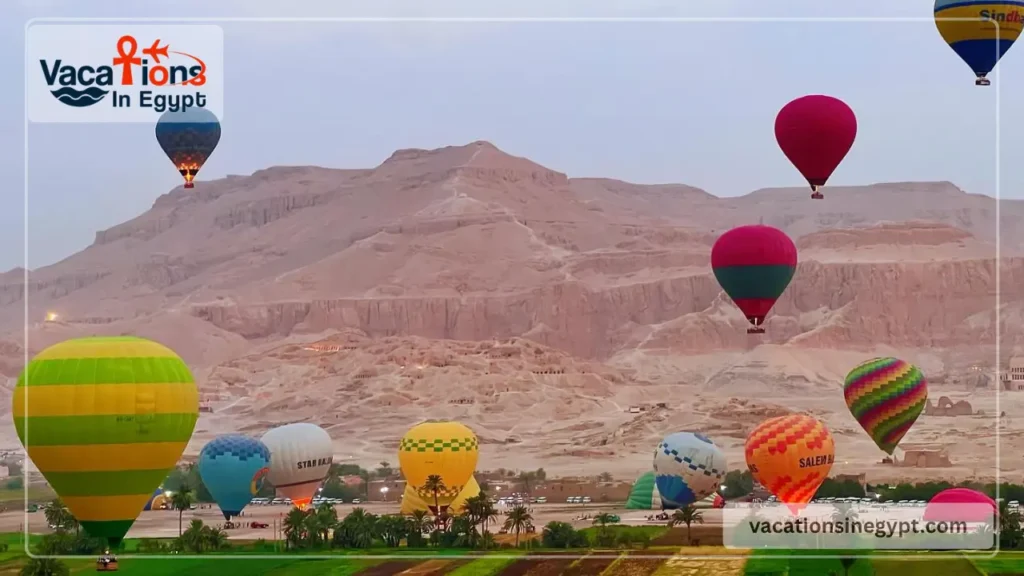
Two optional experiences stand above all others in traveler rankings — both requiring early starts and both delivering memories that outlast any photograph.
Sunrise hot air balloon over Luxor: Ascending at dawn above the West Bank temples and the Valley of the Kings is described as a once-in-a-lifetime perspective on ancient Egypt. Flights last approximately 45–60 minutes and launch before 6:00 AM to catch optimal lighting and calm winds. The view of the temples, the Nile, and the desert plateau from above is unlike anything achievable on the ground.
The temples of Abu Simbel: Near the Sudanese border, the twin temples of Ramesses II — relocated in their entirety in the 1960s to save them from rising Lake Nasser waters — are among the most colossal monuments in the world. The main temple’s interior aligns with the rising sun precisely twice per year: October 22nd and February 22nd, illuminating the sanctuary’s inner statues in a phenomenon that has occurred for over 3,000 years.
What Is the Best Egypt Tour for History and Beach Lovers?
For travelers who want the complete Egyptian experience — ancient history, living culture, and coastal relaxation — the 13-Day Best of Egypt: Cairo, Nile Cruise & Hurghada is the top rated choice. It is the itinerary most frequently recommended by specialists at VacationsInEgypt.com for repeat visitors and for first-timers who want to return home fully satisfied rather than already planning a follow-up trip.
The structure is deliberate: the first 10 days follow the full historical narrative from the Pyramids to the Nile to the temples of the south, and the final three days shift entirely to the Red Sea coast. The contrast — intense ancient history followed by pure relaxation — is precisely what makes this format so effective and so consistently highly rated.
Why Add Hurghada to a Long Egypt Itinerary?
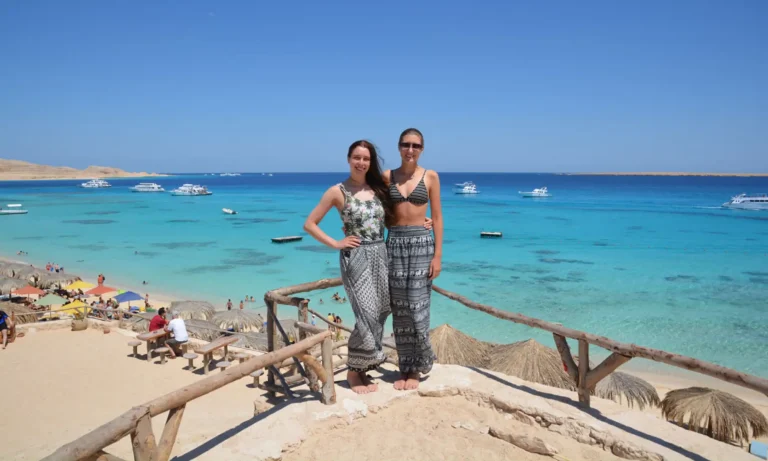
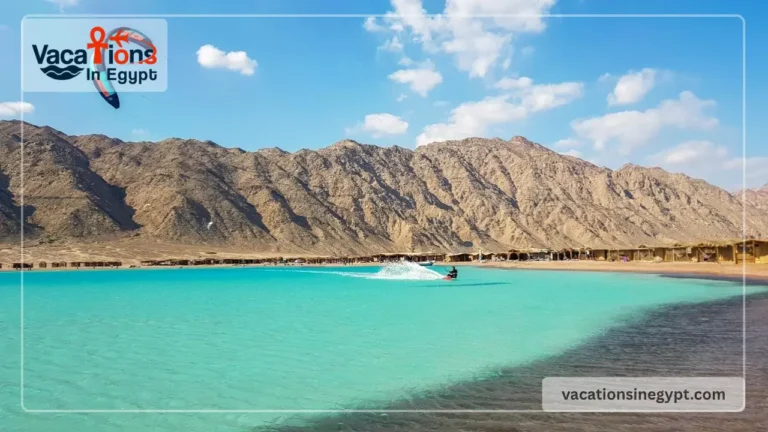
Hurghada serves a specific and important function in a long-stay Egypt tour: it is the reset. After 10 consecutive days of temple visits, museum halls, and ancient monuments — however extraordinary — the human mind and body need a genuine counterpoint. Hurghada provides it.
The Red Sea coast here offers world-class coral reef snorkeling and scuba diving, with underwater visibility exceeding 30 meters on clear days. Beyond the water, desert safari excursions into the Eastern Desert and luxury resort amenities round out the options. Travelers who include Hurghada consistently report feeling refreshed and energized on the flight home, rather than exhausted — which is the difference between a trip you enthusiastically recommend and one you merely survived.
When Is the Best Time of Day to Visit Egypt’s Landmarks?
The answer is consistent across every major site: arrive at or before 8:00 AM. Egyptian archaeological sites open their gates at 8:00 AM. And, the first hour of opening is dramatically different from the experience at 10:00 AM or later — in terms of crowd density, photographic opportunity, and physical comfort.
In the summer months (May through September), temperatures in Luxor and Aswan regularly exceed 40C (104F) by midday. Even in the cooler winter season (November through February). afternoon visits to outdoor sites like the Giza Plateau can be uncomfortable under direct sun. The “Early Bird Rule” followed by all top rated Egypt tour operators — beginning site visits at 8:00 AM sharp — is not merely a suggestion; it is the single most impactful scheduling decision of the entire trip.
What Should You Pack for an Egypt Tour?
Even on fully guided luxury tours, Egypt’s archaeological sites involve walking several miles daily over uneven, sandy, and sun-exposed terrain. Practical packing matters as much as strategic packing.
Footwear: Closed-toe walking shoes with sturdy ankle support are essential. Sandals are fine for Nile cruise evenings and resort time in Hurghada, but not for temple sites.
Sun protection: SPF 50+ sunscreen, a wide-brim hat, UV-protection sunglasses, and lightweight long-sleeved shirts for outdoor sites. Egypt’s sun is intense even in winter.
Hydration: A reusable water bottle is sufficient — top rated Egypt tour operators provide bottled water in all vehicles. Electrolyte sachets are a useful addition for summer travel.
Clothing: Modest attire (covered shoulders and knees) is required for entry into religious sites and temples. Light, breathable fabrics in neutral colors are practical across all destinations. Pack swimwear if your itinerary includes Hurghada, and a light layer for Nile cruise evenings, which can be cool on the water.
Where to Book Trusted Egypt Tour Packages?
Choosing the right operator is the most consequential decision in planning a trip to Egypt. The differences between a reputable specialist and a generic travel aggregator manifest at every stage of the journey. Such as, in the quality of your Egyptologist guide, the responsiveness of support when plans change, and the seamlessness of transfers between cities.
VacationsInEgypt.com is a specialist operator with a curated portfolio of private, fully guided Egypt tours across all major itinerary lengths. All packages include licensed Egyptologist guides, domestic flights, private airport transfers, and pre-arranged site entrance fees. Their top rated Egypt tours collections — covering 9-day, 10-day, and 13-day itineraries — represent the most consistently reviewed and recommended packages available from a dedicated Egypt travel platform.
To explore the exact itineraries chosen by thousands of satisfied guests, visit: VacationsInEgypt.com