Tour through Egypt: how to go beyond the obvious and see the full picture
A practical guide for travelers planning an extended or multi-region Egypt trip · 5 min read
Most travelers planning a tour through Egypt start with the same short list: Cairo, Luxor, maybe Aswan. And while those cities deserve their reputation, they tell only part of the story. The travelers who come back most satisfied are almost always the ones who went further — not necessarily farther in distance, but deeper in structure. They connected regions. They followed the Nile’s logic. They chose itineraries designed with a thread, not just a checklist.
Here’s how to think about building a tour through Egypt that goes beyond the standard circuit.
What separates a deeper Egypt tour from a standard one?
The difference isn’t the number of sites — it’s the coherence between them.
Tours that genuinely expand your understanding of Egypt tend to share a few qualities: they connect regions with a clear historical or cultural thread rather than treating each stop as a separate attraction; they balance famous landmarks with quieter, less-visited locations; and they avoid repeating the same type of experience two days in a row. The result is a journey that helps you understand how different parts of Egypt relate to each other — not just what each individual site looks like in isolation.
If your itinerary reads like a list of monuments with no through-line, it’s worth asking what connects them.
Why the Nile should anchor your tour through Egypt
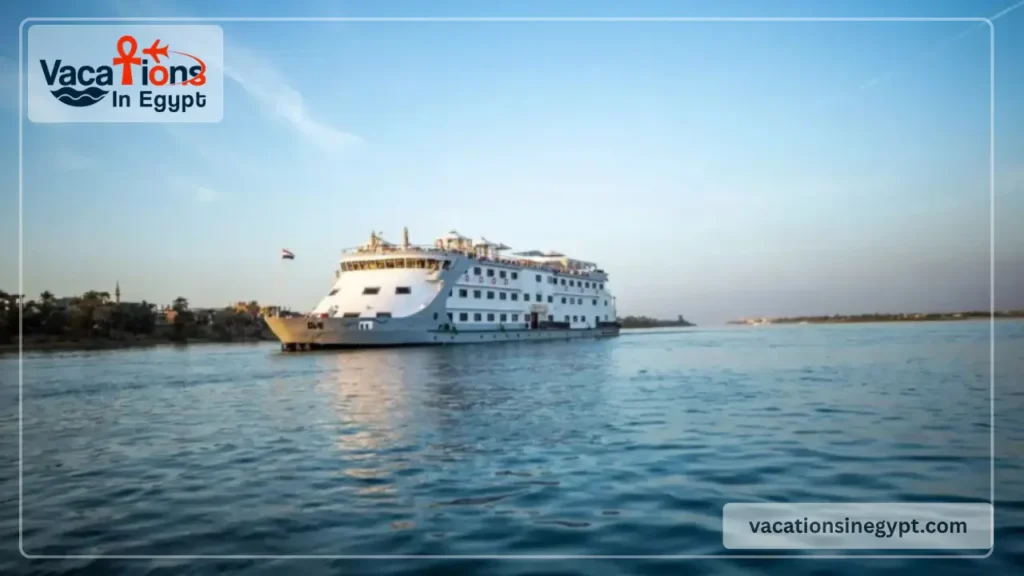
The Nile isn’t just a scenic backdrop — it’s the reason Egypt’s major cities exist where they do, and it’s the most natural organizing principle for any extended tour through Egypt.
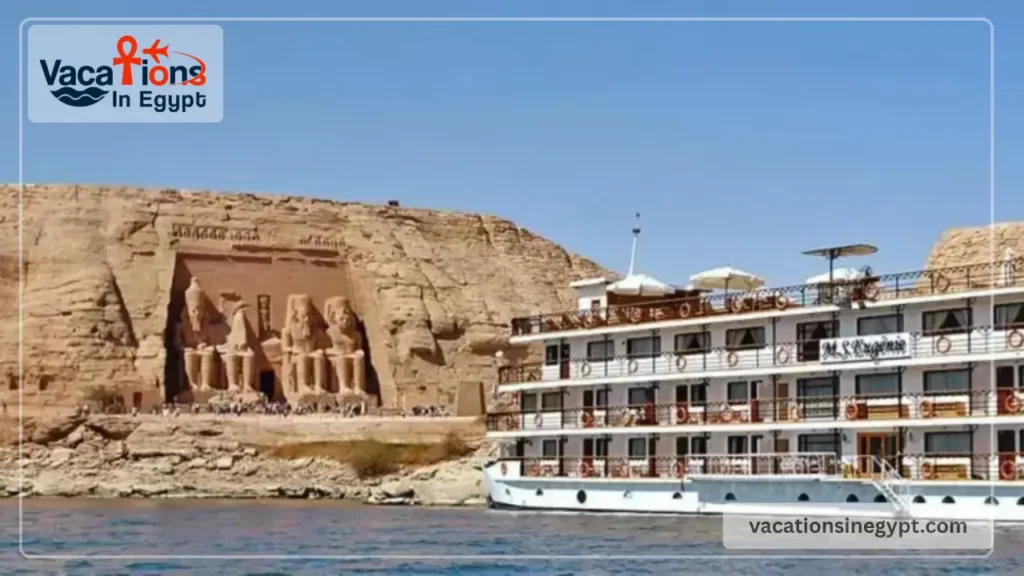
River-based itineraries offer something overland routes rarely can: continuity. As you travel south from Cairo toward Luxor and Aswan, you’re following the same corridor that ancient Egyptians used to connect their civilization. You see how the landscape changes, how the architecture evolves, and how the distance between cities actually makes sense when traveled by water rather than by road.
Practically, Nile-based routing also reduces long, tiring overland transfers and replaces transit time with genuine experience. An itinerary like the 14-day Cairo, Hurghada, Luxor, and Aswan Nile cruise uses the river to link regions naturally, so each destination flows into the next rather than sitting as an isolated stop on a map.
Are lesser-visited cities worth including in a tour through Egypt?
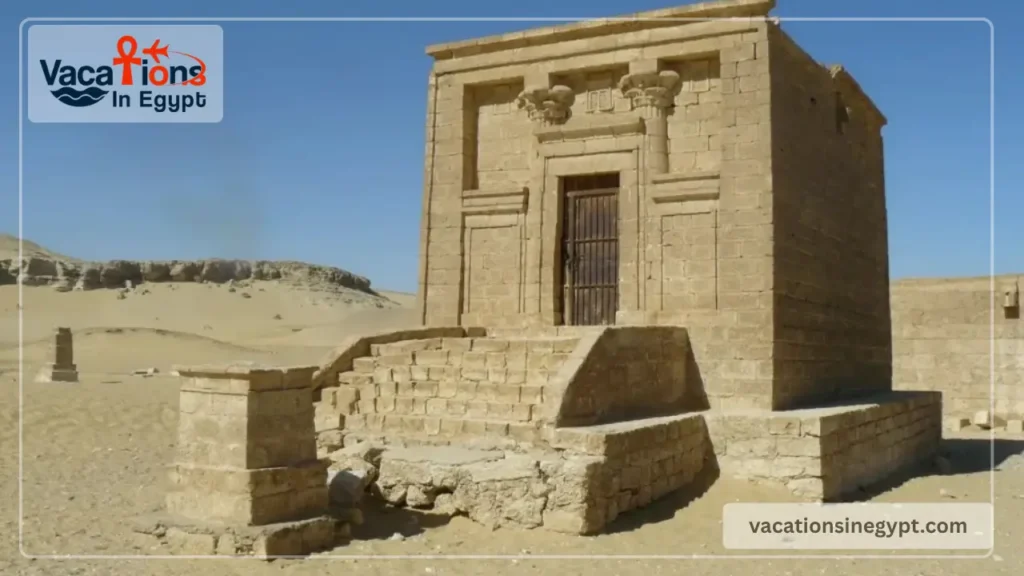
Yes — when they’re chosen for what they add, not just to fill days.
The standard Cairo–Luxor–Aswan circuit covers Egypt’s most celebrated monuments, but it skips the historical middle ground. Cities in Middle Egypt, for example, show the transitional periods between major dynasties — the moments when Egyptian civilization shifted, contracted, or reinvented itself. Those chapters are largely invisible if you only visit the sites at either end of the story.
Beyond the historical value, lesser-visited cities are typically far less crowded, easier to move around, and more revealing of how modern Egyptians actually live outside the tourist centers. An itinerary like the 13-day Cairo, El Minya, Luxor, and Aswan tour fills in that middle chapter in a way that makes the famous sites feel more grounded and complete.
How seasonal timing changes your tour through Egypt
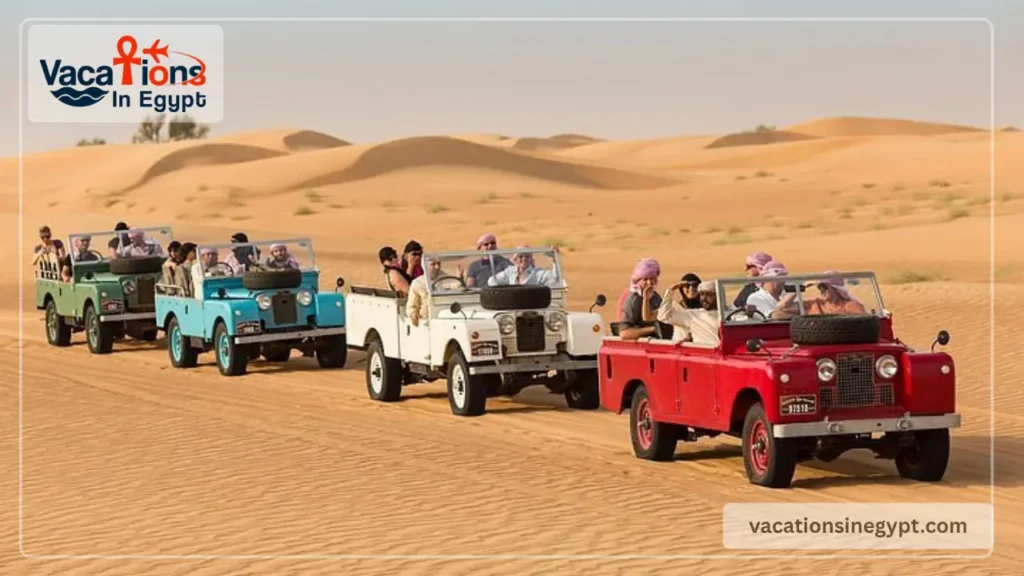
Route and timing are equally important — and timing is the factor most travelers overlook until it’s too late to change.
Traveling during specific periods affects crowd levels, site atmosphere, and the overall feel of a trip in ways that no amount of good routing can compensate for. Early morning visits to popular sites during peak season still draw large groups; the same sites during quieter months can feel entirely different.
Seasonal tours also create a different rhythm. A New Year’s journey through Cairo, Aswan, Abu Simbel, and Luxor, for instance, combines geography with a specific cultural moment — giving the trip a shape and an occasion that a generic itinerary with the same stops wouldn’t have.
When comparing tours, ask not just where the itinerary goes, but when — and what that timing means for the experience at each stop.
How to tell if a tour through Egypt is too ambitious

More destinations is not always better. The clearest sign that an itinerary is overloaded isn’t the number of cities on the map — it’s the absence of breathing room between them.
A well-structured tour through Egypt spaces travel days so that major sites aren’t compressed back-to-back, builds in rest and transit time as actual planned elements rather than afterthoughts, and is honest about what can be experienced properly versus what gets rushed. Depth comes from structure, not from the length of the list.
Before booking any extended itinerary, look at the day-by-day schedule and count how many days involve both significant travel and significant sightseeing. If most days do, the pacing is probably too tight — regardless of how appealing the destinations look on paper.
Four questions to ask before you book your Egypt tour
These are the filters that tend to separate a genuinely rewarding tour through Egypt from one that covers the same ground faster:
What does each region add to the overall story? Every stop should earn its place by contributing something the previous one didn’t — a different period of history, a different landscape, a different pace.
Does the itinerary change pace, not just scenery? Back-to-back monument days are exhausting. A well-designed tour alternates intensity — a full day at a major site followed by a slower river journey or a quieter town.
Is a longer itinerary actually more demanding? Not necessarily. An itinerary that spreads the same sites over more days is often less tiring than a condensed one — because the pressure per day is lower.
Does the timing reinforce the experience? Seasonal positioning, festival periods, and even time-of-day scheduling at specific sites can shift the quality of the experience significantly.
The bottom line
The most rewarding tour through Egypt isn’t the one that covers the most ground — it’s the one built with the clearest intention. Follow the Nile’s logic. Include the cities that fill the historical gaps. Pay attention to timing. And choose an itinerary structured around a coherent journey, not just an impressive list of monuments.
For travelers looking for extended and multi-region tours through Egypt that go beyond the usual highlights, the site’s itineraries offer a practical way to compare options and find the structure that fits. You can try this with us at Vacation In Egypt.