Why travel to Egypt? It is a question with a thousand answers. Egypt is not just a destination; it is the cradle of civilization. From the sun-drenched banks of the Nile River to the vibrant depths of the Red Sea, and from the golden silence of the Western Desert to the mountainous peaks of the Sinai Peninsula, this country offers a landscape as diverse as its history.
Whether you are a history buff or simply an adventurer, seeing the place where human history was forged is a life-changing experience. You will come for the Pyramids, but you will stay for the culture, the landscapes, and the undeniable magic of the Pharaohs.
Essential Egypt Travel Information
Here is a quick snapshot of what you need to know before you land.
- People: Egyptians are incredibly warm, welcoming, and hospitable.
- Religion: The country is predominantly Muslim (approx. 90-95%), with a significant Coptic Christian minority.
- Currency: The Egyptian Pound (LE or EGP).
- Note: Exchange rates fluctuate. As of early 2026, rates are dynamic, so always check a currency converter app before your trip.
- Wi-Fi: Available in almost all hotels, cafes, and tourist restaurants. For constant connectivity, buying a local SIM card (Vodafone, Orange, Etisalat, WE) upon arrival is highly recommended.
- ATM: Widely available in all cities. Limits usually range from 2,000 to 5,000 LE per transaction.
- Visa: Stress-free for most nationalities.
- Visa on Arrival: Available at major airports for $25 USD (payable in USD or Euro).
- E-Visa: Can be applied for online at least 7 days before departure.
- Validity: Typically allows for a 30-day stay.
Is it Safe to Travel to Egypt?
Is a journey to Egypt dangerous? The short answer is no. Millions of tourists visit Egypt every year without incident.
While Egypt has faced challenges in the past, the main tourist areas—Cairo, Luxor, Aswan, Hurghada, and Sharm El Sheikh—are heavily secured and safe. The government places a high priority on tourist safety, with dedicated tourist police present at all major sites.
- The Sinai Peninsula: Tourist resorts in South Sinai (Sharm El Sheikh, Dahab) are very safe. Security checkpoints are common on roads to ensure safety.
- Advice: Stick to the main tourist zones and follow standard travel advice. Avoid North Sinai, which is generally off-limits to tourists.
Best Time to Travel to Egypt
The best time to visit is during the autumn and winter months (October to March).
- Daytime: Pleasant temperatures averaging 20C to 25C.
- Nighttime: Can get chilly, dropping to around 10C.
- Summer (May-August): The heat can be intense, often exceeding 40C, especially in Luxor and Aswan. If you visit in summer, plan sightseeing for early mornings.
How Many Days Do You Need?
It is difficult to put a number on a country with this much history, but here is a guideline:
- 7 to 10 Days: The minimum required to see the highlights (Cairo, Luxor, Aswan).
- 14 Days: Ideal if you want to add a relaxing stay at the Red Sea (Hurghada or Sharm El Sheikh) or visit the Siwa Oasis.
What to Pack for Egypt
Don’t overpack, but do bring the essentials for your health and comfort.
Health & Safety:
- Sun protection: High SPF sunscreen, sunglasses, and a wide-brimmed hat. The Egyptian sun is strong.
- First Aid Kit: Include broad-spectrum antibiotics, intestinal disinfectants (Antinal is a popular local brand), and painkillers.
- Sanitization: Hand sanitizer and wet wipes are lifesavers during long days of exploring.
Clothing:
- Lightweight linen or cotton trousers (breathable fabrics are key).
- Light t-shirts that dry fast.
- A light sweater or jacket for cool evenings (especially on Nile cruises or in the desert).
- Comfortable walking sandals or sneakers.
- Beach towel and swimwear (if visiting the Red Sea).
Electronics:
- Power Adapter: Egypt uses Type C and F plugs (standard European 2-pin). Bring a multi-socket adapter if you have many devices, as hotel rooms often have limited outlets.
What clothes do they wear in Egypt?
You can dress how you like in tourist resorts and hotels (shorts, tank tops, etc.). However, in cities like Cairo and Luxor, modest dress is respectful.
- Mosques: Women must cover their hair, shoulders, and legs. Men should wear long trousers.
How Much Does it Cost?
Egypt remains a very affordable destination. Whether you are a backpacker or a luxury traveler, your money goes a long way here. Food, transport, and entry fees are generally much cheaper than in Europe or North America.
Tipping (Baksheesh)
Tipping is a part of the culture. While it is expected in many service scenarios (drivers, luggage porters, waiters), you should only tip what you feel is deserved. Keep small change (5, 10, or 20 LE notes) handy for this purpose.
Photography Rules
- General: Outdoor photography is allowed and free.
- Museums: Some museums (like the Egyptian Museum) may require a separate photography ticket.
- No-Photo Zones: Strictly forbidden inside certain tombs (like the Valley of the Kings) unless you buy a specific photo pass.
- Note: Never take photos of military personnel, police, or government buildings.
Transportation: Getting Around Egypt
1. Domestic Flights
The fastest way to travel long distances. A flight from Cairo to Luxor takes just 1 hour. It is also the best option if you are vacationing in Sharm El Sheikh and want a quick day trip to see the Pyramids.
- Baggage: Usually 23kg checked + 8kg hand luggage.
2. Sleeper Train
The classic route from Cairo to Luxor/Aswan. The “Wataniya” sleeper train costs around $80-$100 USD for foreigners. It includes dinner and breakfast, and you get a private cabin with bunk beds. It is an adventurous and comfortable way to save on a hotel night.
3. Go Bus (Long Distance Bus)
For budget travelers, the Go Bus network is fantastic.
- Recommendation: Book the “Elite” or “Aero” class. These buses offer luxury airplane-style seats, personal screens, and a snack box. They are safe, clean, and very comfortable for trips to Hurghada or Sharm El Sheikh.
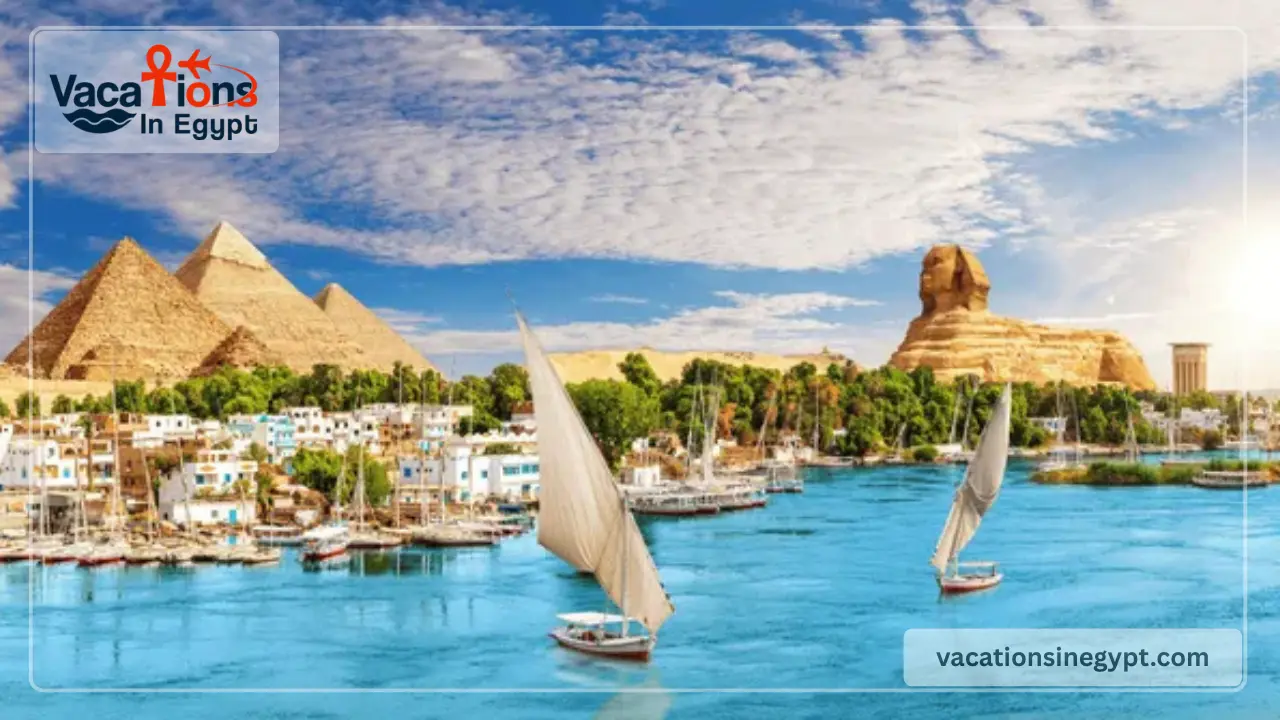
Ready to explore the Land of the Pharaohs? Don’t miss the Pyramids of Giza, the treasures of the Egyptian Museum, or a sunset felucca ride on the Nile. Start planning your vacation to Egypt today!