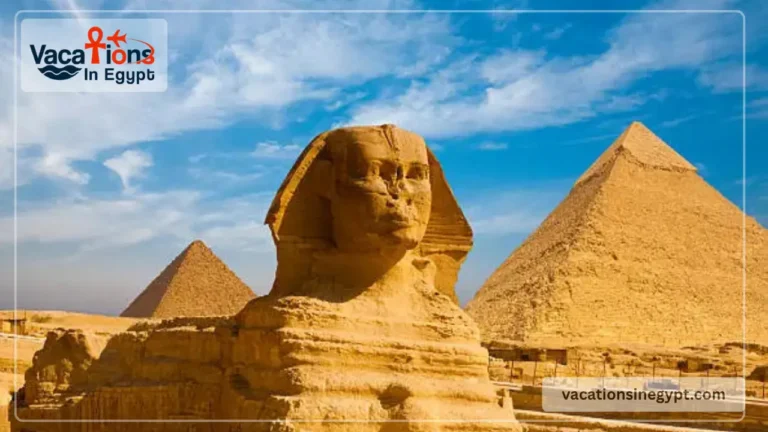
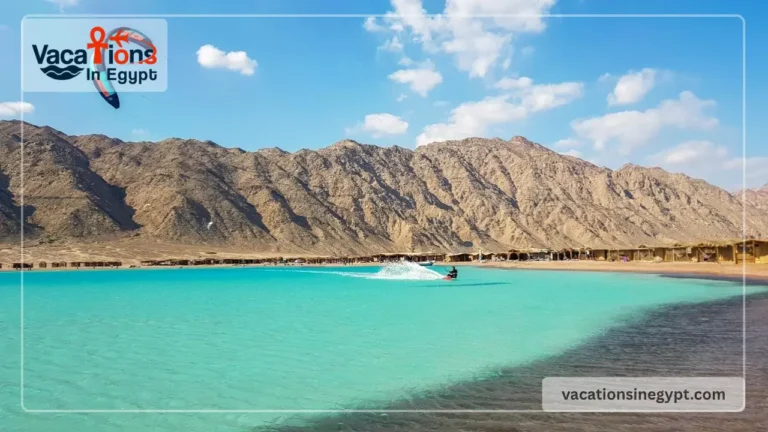
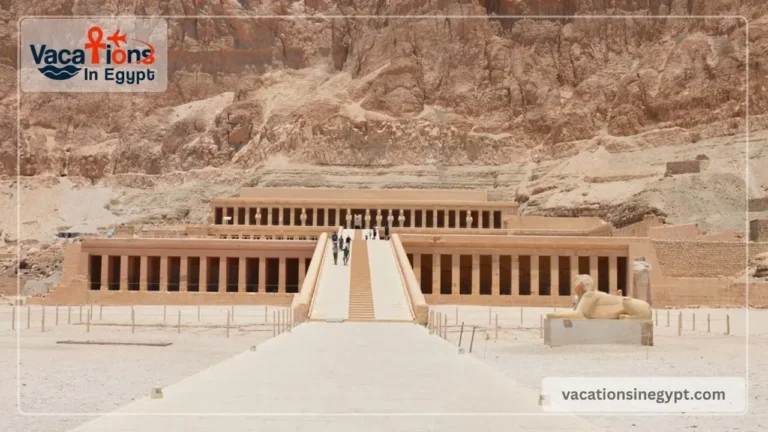
Whether you’re planning your first visit or returning for deeper discovery, the best sites in Egypt offer more than photo opportunities — they are living records of one of humanity’s greatest civilizations. From artifact-filled museums to towering temple complexes and royal tombs, Egypt rewards travelers who explore with context and sequence.
Why Context Comes Before Exploration
The best sites in Egypt are most meaningful when you arrive prepared. History viewed without background knowledge can feel overwhelming or disconnected. That’s why a well-structured itinerary always begins with a museum visit.
Start at the Egyptian Museum in Cairo
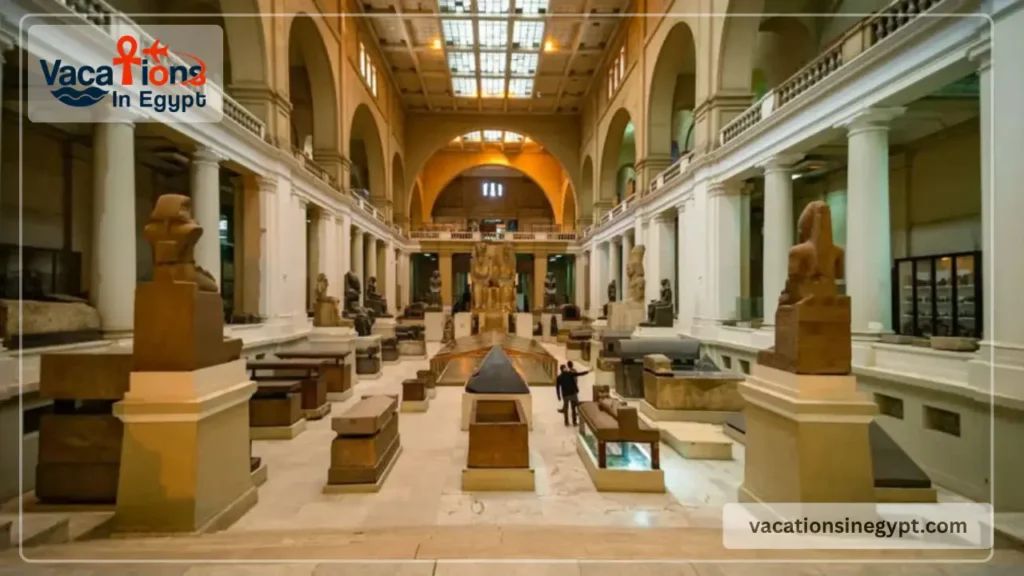
The Egyptian Museum gives travelers the historical framework they need before stepping into ancient landscapes. A single visit here helps you:
- Understand Egypt’s timelines and ruling dynasties
- Recognize religious symbolism you’ll later encounter at temples and tombs
- Connect individual artifacts to the real locations where they were found
This foundation transforms passive sightseeing into active understanding.
The Best Temple Site in Egypt: Karnak
Why Karnak Temple Stands Apart
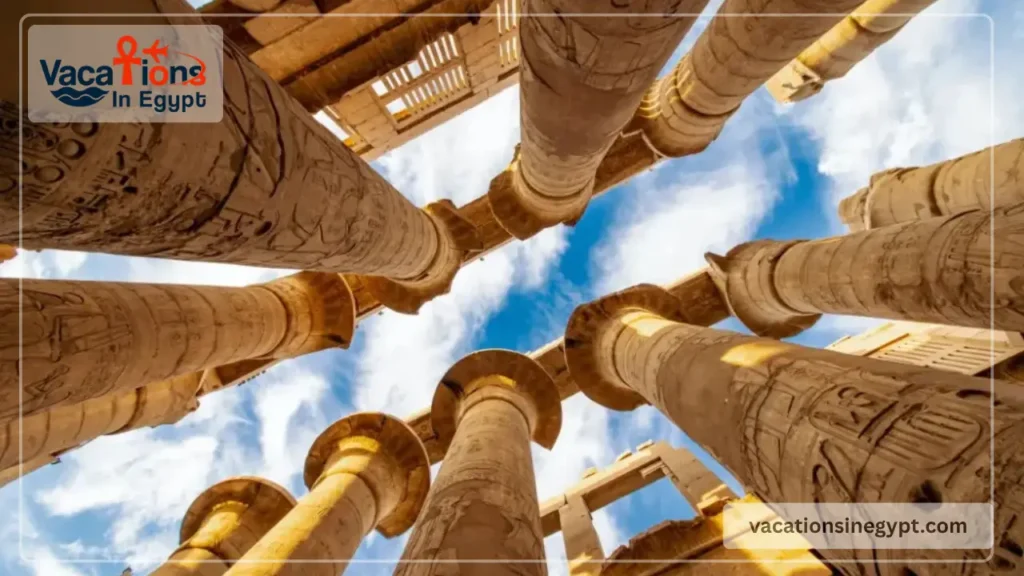
No single structure better illustrates Egypt’s layered history than Karnak Temple. Unlike monuments built in a single reign, Karnak was constructed, expanded, and modified across centuries — making it as much a historical document as a sacred site.
Visiting Karnak allows you to:
- Witness how successive pharaohs added to and reshaped existing structures
- Grasp the enormous scale and influence of state religion in ancient Egypt
- Trace architectural evolution across multiple dynasties
For anyone serious about exploring the best sites in Egypt, Karnak is essential — not just for what it looks like, but for what it explains.
The Best Burial Site in Egypt: Valley of the Kings
What the Tombs Reveal That Temples Cannot
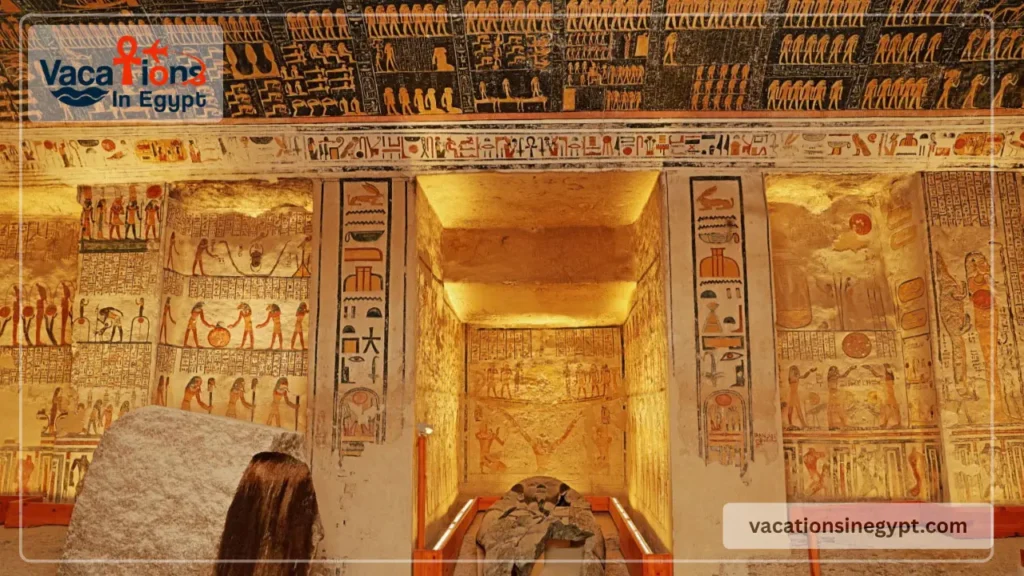
Temples were built for public worship and royal power. Tombs were built for the afterlife — and the contrast tells you everything about how ancient Egyptians understood existence.
Exploring the Valley of the Kings offers a fundamentally different kind of insight:
- Royal burial traditions across different periods
- Symbolic wall paintings, hieroglyphic texts, and funerary imagery
- Shifts in religious belief about death, resurrection, and the afterlife
Where Karnak explains how Egypt functioned in life, the Valley of the Kings explains how Egyptians prepared for what came after.
How to Connect the Best Sites in Egypt Into One Journey
Sequence Matters More Than Speed
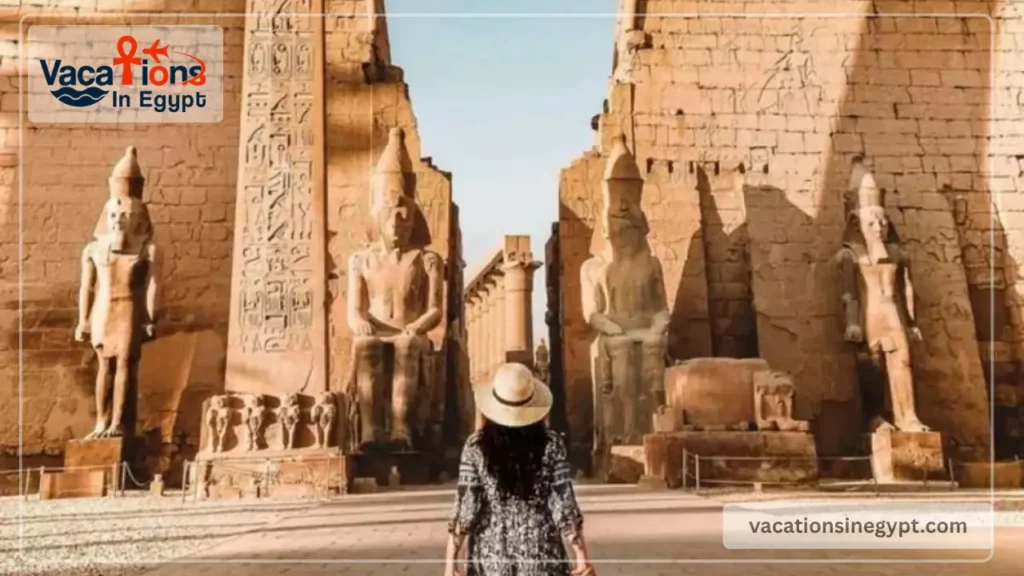
The most effective historical routes follow a deliberate order:
- Museum first — Build your context and timeline
- Temple complexes second — Understand power, religion, and architecture
- Royal tombs last — Complete the picture with burial beliefs and afterlife traditions
Rushing through these sites in random order blurs the connections between them. Visiting them in sequence allows each experience to reinforce the next.
Why Longer Itineraries Work Better
More Time Means More Understanding
A common mistake is trying to cover too many sites too quickly. Longer itineraries aren’t harder — they’re actually easier, because they give you time to:
- Absorb complex historical information without fatigue
- Use travel days between regions as natural recovery time
- Space out intense visits so ideas can settle before the next one
A well-designed route like a 13-day Egypt itinerary covering Cairo, a Nile cruise, and Hurghada demonstrates this balance well — combining history-focused exploration with lighter pacing to prevent overload.

Practical Tips for Exploring the Best Sites in Egypt
Advice from local travel experts who know these sites well:
- Learn the story before seeing the structures — A little preparation transforms everything
- Temples explain power; tombs explain belief — Treat them as two halves of the same story
- Visit fewer sites per day — Depth of experience beats volume of sites
- Trust the sequence — The order in which you visit matters more than most travelers realize
- Longer itineraries often feel easier — Pacing is a form of intelligence in travel planning
Final Thoughts
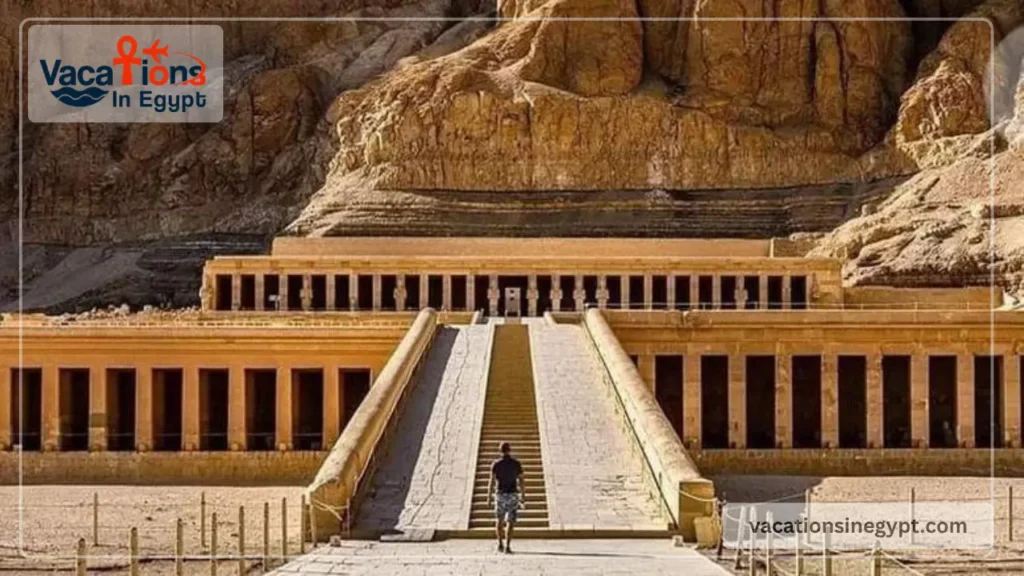
For travelers seeking the best sites in Egypt, the difference between a good trip and a genuinely meaningful one comes down to preparation and sequence. Starting with museum context, moving through the great temple complexes, and finishing in the royal tombs creates a journey that builds understanding rather than scattering it.
Well-structured museum guides and multi-day itineraries provide exactly the kind of clear, well-paced framework that makes Egypt’s ancient world accessible — and unforgettable.