Egypt attractions

Must Visit Places in Cairo Egypt You’ll Talk About Later

Beyond the Giza Pyramids, some of the most must visit places in Cairo are its monumental mosques — rivaling Europe’s great cathedrals in scale, craft, and history. Here are the three that represent over a thousand years of Islamic civilization, and exactly how to see them.

In this guide
  1. The Alabaster Mosque: why it dominates the Cairo skyline
  2. The “Pyramid of Islamic Architecture”
  3. Where Islamic history in Africa began
  4. How to see all three efficiently
  5. Insider tips before you go

Why You Can’t Miss the Alabaster Mosque

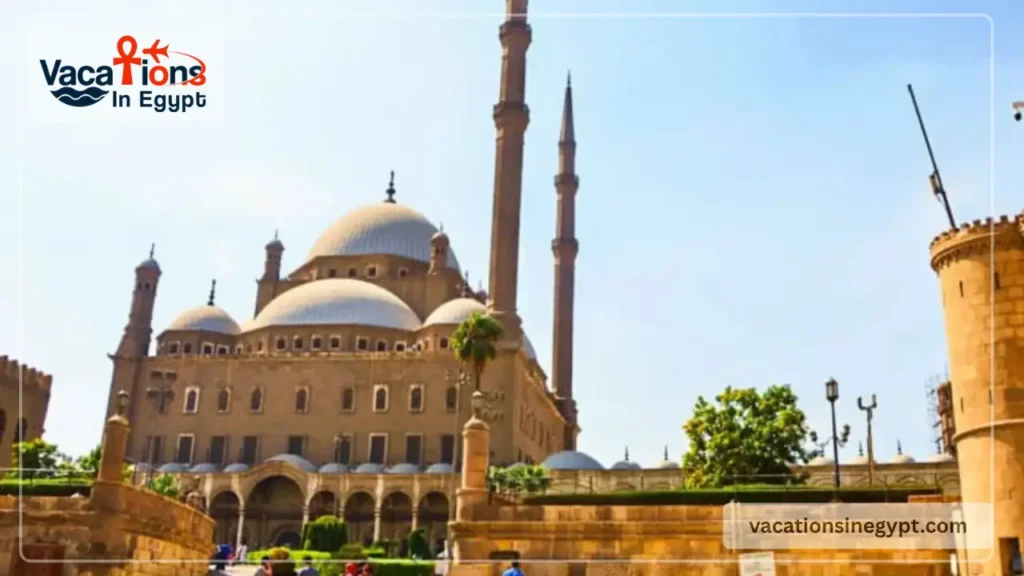
Perched atop the Citadel of Saladin, the Mosque of Muhammad Ali is one of the most unmissable must visit places in Cairo — its massive Ottoman-style dome and slender minarets define the city’s skyline from almost every vantage point.

Mosque of Muhammad Ali (The Alabaster Mosque)Mosque of Muhammad Ali (The Alabaster Mosque)Architecture: Modeled on Istanbul’s Blue Mosque, built with alabaster stone that catches and glows in sunlight.
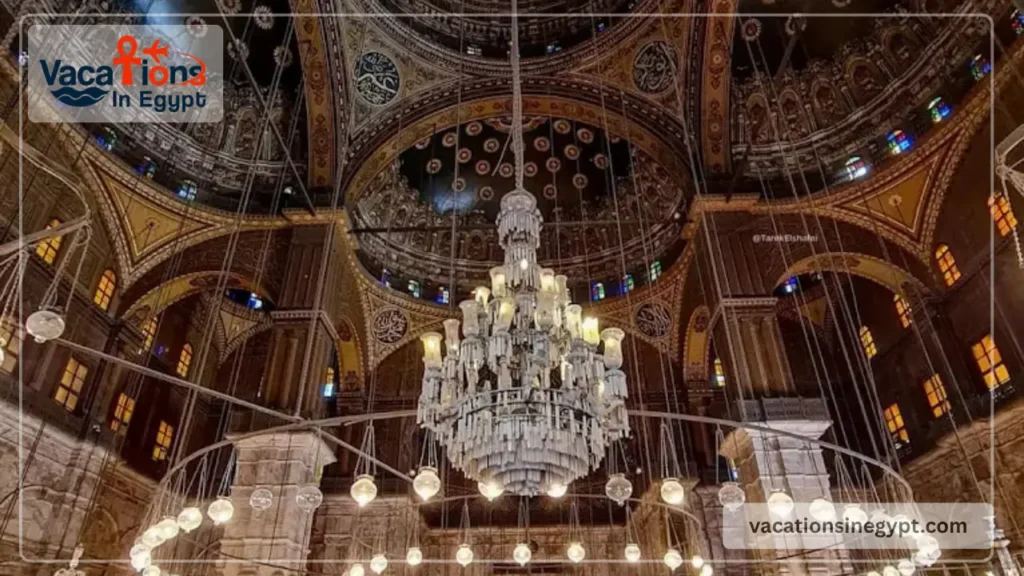
  • Interior: Vast and brilliantly lit by hundreds of low-hanging lamps — a striking contrast to the dusty streets outside.
  • The view: The courtyard offers arguably Cairo’s best panoramic view of the entire city.

Full guide to the Mohamed Ali Mosque

The “Pyramid of Islamic Architecture”: Mosque of Sultan Hassan

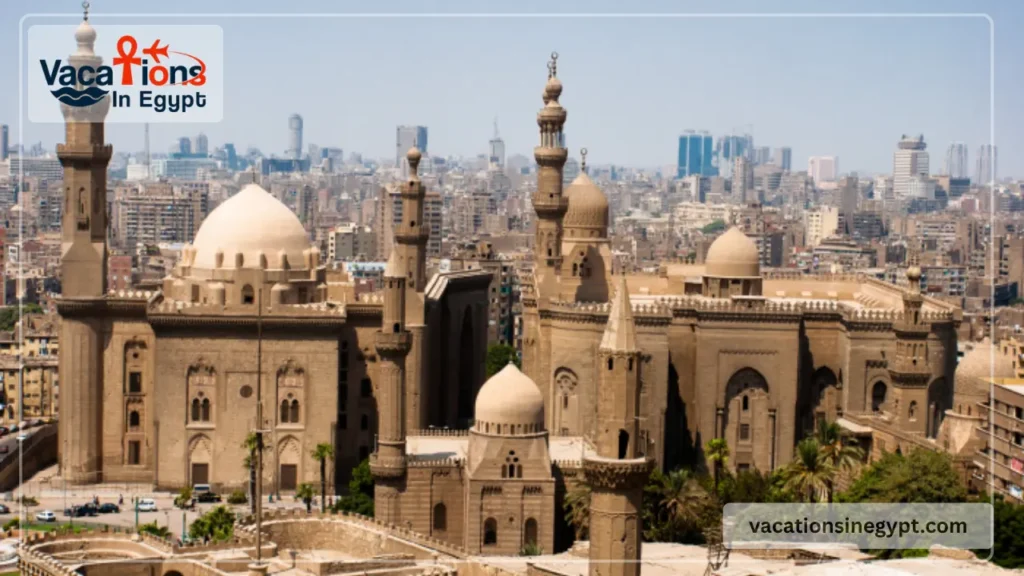
Where the Muhammad Ali mosque impresses with its location, the Mosque of Sultan Hassan commands respect through engineering alone. Historians frequently compare its ambition and scale to the Pyramids of Giza — making it one of the true must visit places in Cairo for anyone drawn to architectural history.

Mosque of Sultan Hassan
 

Mosque of Sultan Hassan

  • Scale: Walls reach nearly 40 metres high, creating a canyon-like effect in the central courtyard that visitors consistently describe as overwhelming.
  • Design: Functions as both mosque and madrasa, with four massive vaulted halls (iwans) representing the four schools of Sunni Islamic jurisprudence.
  • Atmosphere: Less crowded than the Citadel — quieter, more atmospheric, and easier to absorb slowly.

Deep dive: Mosque of Sultan Hassan

Where Islamic History in Africa Began

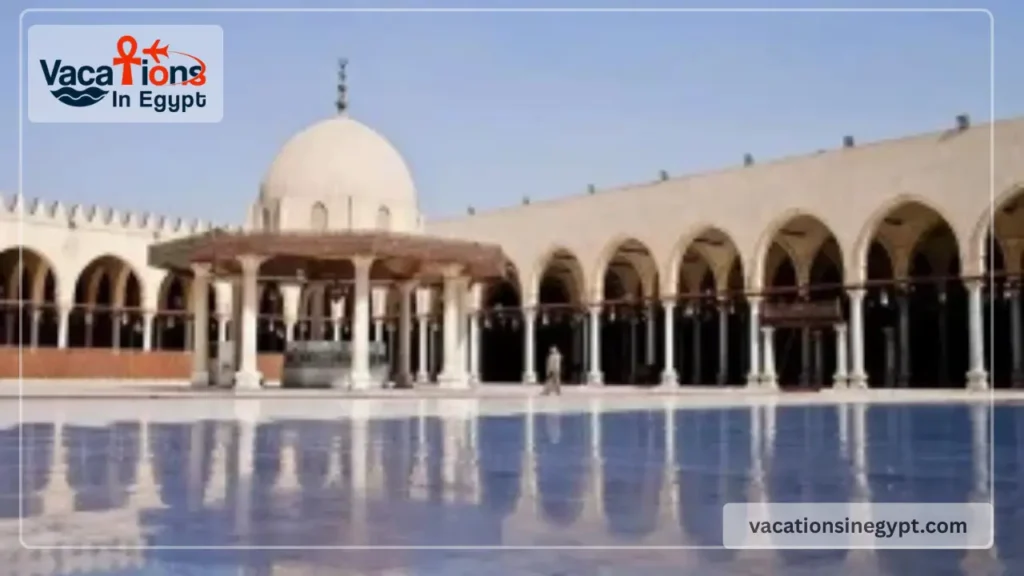
For anyone who cares about history, the Amr Ibn Al-Aas Mosque is perhaps the most profound of all must visit places in Cairo. Founded in 642 AD, this was the first mosque built in Egypt — and in the entire African continent.

Amr Ibn Al-Aas Mosque
Al azher mosque

  • Living site: Unlike Sultan Hassan, which can feel preserved in amber, this mosque is an active place of worship — vibrant, airy, and genuinely spiritual.
  • Architecture: Rebuilt across multiple eras, so the style is a layered mix — but the ground itself is the “Ground Zero” of Islamic Africa.
  • Location: Sits in Old Cairo (Fustat), steps from ancient Coptic churches — perfect for a combined tour of Cairo’s entire religious heritage.

Significance of the Amr Ibn Al-Aas Mosque

How to See All Three Must Visit Places in Cairo

These three mosques span three distinct eras and two different parts of the city. A little planning makes the difference between a rushed morning and a genuinely rewarding day.

Geography: The Citadel (Mohamed Ali Mosque) and Sultan Hassan are neighbours — a short walk or one taxi ride apart. Amr Ibn Al-Aas is further south in Old Cairo and works best as a separate half-day trip, ideally combined with the Coptic Museum and Hanging Church nearby.
Dress code: These are active mosques. Men need long trousers; women should bring a headscarf and cover arms and legs. Most sites provide coverings at the entrance, but bringing your own is more comfortable.
Guide vs. solo: Signage inside these sites is inconsistent. A knowledgeable guide makes the history come alive in a way that independent visits rarely match.

Book a full-day Islamic Cairo tour

What Local Experts Want You to Know Before You Visit
Must Visit Places in Cairo Egypt You’ll Talk About Later

Shoe etiquette

Remove shoes before entering prayer halls. Carry a small bag to hold them — it’s more practical than leaving them at the entrance.

Friday timing

Avoid all three mosques between 11:00 AM and 1:00 PM on Fridays — congregational prayer fills the spaces completely.

Tipping

Tip the shoe keeper 5–10 EGP when you collect your shoes. It’s customary and appreciated.

Photography

Best light for the Alabaster Mosque is mid-morning. The courtyard is west-facing, so late afternoon is ideal for the panoramic view.

Experience the spiritual and architectural heart of Egypt. Plan your cultural journey with specialists who know every corner of Islamic Cairo.
Plan your Cairo itinerary

Good to know

Frequently asked questions

A dedicated full day is the minimum for the Citadel (Mosque of Muhammad Ali) and Mosque of Sultan Hassan together, since they sit close to each other. Add a separate half-day for Old Cairo and the Amr Ibn Al-Aas Mosque, ideally combined with the Coptic Museum and Hanging Church nearby. Two days total lets you explore without rushing.

The mosque itself is free to enter, but accessing it requires paying the Citadel of Saladin entrance fee, which covers the entire complex. Check current admission prices before you visit, as fees are updated periodically.

Women should cover their arms, legs, and hair before entering any mosque. Loose trousers or a long skirt with a scarf is ideal. Most mosques provide coverings at the entrance for unprepared visitors, but bringing your own is more comfortable and hygienic. Men need long trousers — shorts are not permitted inside prayer halls.

Yes. All three mosques — the Alabaster Mosque, Sultan Hassan, and Amr Ibn Al-Aas — welcome non-Muslim visitors. The only times to avoid are the Friday midday congregational prayer (roughly 11:00 AM–1:00 PM), when mosques fill with worshippers. Outside those windows, visitors are received respectfully and warmly.

The Mosque of Muhammad Ali is the most photogenic for exterior and skyline shots — its domes and twin minarets photograph best in morning light. For interior photography, Sultan Hassan is exceptional: its towering walls and vaulted iwans create dramatic architectural compositions. The Alabaster Mosque courtyard also offers an unbeatable panoramic backdrop of the entire city.

Sultan Hassan (14th-century Mamluk) and Al-Rifa'i (completed 1912) stand directly opposite each other — one of Cairo's great architectural conversations. Sultan Hassan is the older and greater engineering achievement; Al-Rifa'i is the burial site of Egypt's royal family and the last Shah of Iran. Many visitors tour both in the same hour since they face each other across a small square.

Islamic Cairo is one of the most visited areas of the city and is generally safe for tourists. The main things to be aware of are the narrow, busy streets around Khan el-Khalili market and the occasional persistence of touts near major sites. Booking a guided tour removes most friction and lets you focus on the history rather than navigation.

October through April offers the most comfortable temperatures for sightseeing — mild days and cool evenings. Summer (June–August) is extremely hot, especially outdoors on the Citadel grounds. Spring (March–April) can bring occasional dust storms. If visiting during Ramadan, note that some sites have adjusted hours, but the atmosphere in Islamic Cairo during Ramadan evenings is genuinely special.

Self-guided visits are possible, but a guide adds significant value at these sites. Signage inside Sultan Hassan and the Citadel complex is inconsistent in English, and over 1,000 years of layered history is hard to absorb from plaques alone. A guided day tour of Islamic Cairo also handles transportation between the Citadel, Sultan Hassan, and Old Cairo — saving considerable time and hassle.

Ready to experience Egypt for yourself?

Let our local Egyptologists build your private journey.

Inquire Now →