Alexandria Mosques and Culture: A Guide to the City’s Spiritual and Historical Identity
Alexandria is a city of layers. Beneath its Mediterranean coastline and Greco-Roman ruins runs a deep current of Islamic tradition. Expressed through mosques that aren’t just monuments but active, living centers of neighborhood life. Exploring Alexandria mosques and culture means engaging with a city that has absorbed multiple civilizations and made something entirely its own out of all of them.

Why Mosques Matter to Alexandria’s Cultural Identity
Alexandria’s mosques aren’t isolated landmarks you tick off a list. They sit within working neighborhoods, anchor social rhythms, and reflect how religion is practiced in the city today — not just how it was practiced centuries ago.
Visiting them offers two things simultaneously: an understanding of Alexandria’s Islamic architectural tradition and a window into how the city actually functions as a living community. That combination is what separates a mosque visit here from a standard museum stop.
Al-Mursi Abu Al-Abbas Mosque: Alexandria’s Islamic Heart
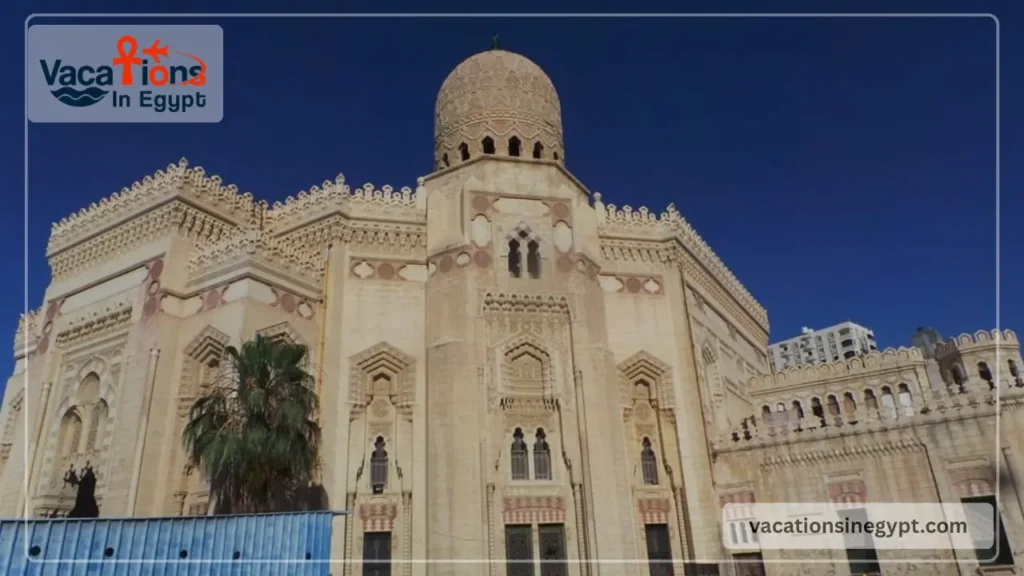
If there is one religious site that defines Alexandria’s spiritual identity, it is the Al-Mursi Abu Al-Abbas Mosque. Built to honor a 13th-century Andalusian Sufi scholar, it remains one of the most important mosques in North Africa — and one of the most architecturally striking.
What sets it apart:
- Its design draws on North African and Andalusian influences, creating something visually distinct from Cairo’s great mosques
- It remains an active place of worship, which means visiting it is an encounter with living religious practice rather than preserved history
- Its position near the harbor places it at the intersection of Alexandria’s maritime and spiritual identity
Arriving in the early morning or late afternoon outside of peak prayer times. Allows for a quieter, more respectful experience of both the architecture and the atmosphere.
How Alexander the Great Still Shapes Alexandria’s Culture
Alexandria didn’t develop the way it did by accident. The city was founded by and named after one of history’s most consequential figures. And understanding the legacy of Alexander the Great helps explain why Alexandria feels so different from every other Egyptian city.
His founding vision a Mediterranean port city designed for openness, trade. And the exchange of ideas — created a cultural DNA that persisted through Ptolemaic, Roman, Islamic, and modern periods alike. That inheritance is why Alexandria absorbed Andalusian mosque architecture, Greek philosophical tradition, and Egyptian religious practice without any of them feeling out of place.
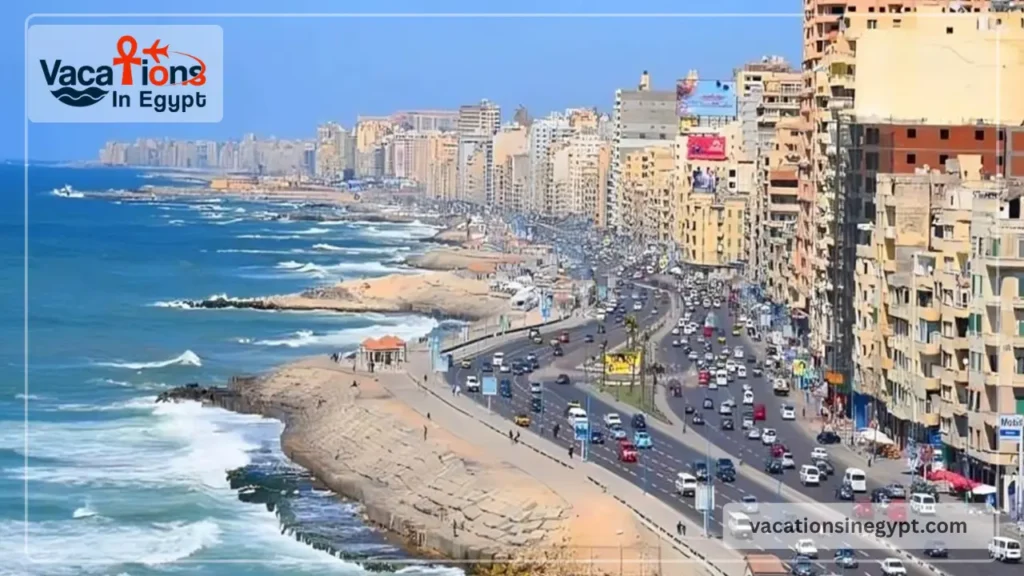
When you visit a mosque in Alexandria and notice how naturally it sits alongside ancient ruins, and a European-style promenade.That’s Alexander’s city still doing what it was built to do.
How to Combine Mosques and Cultural Sites in One Day
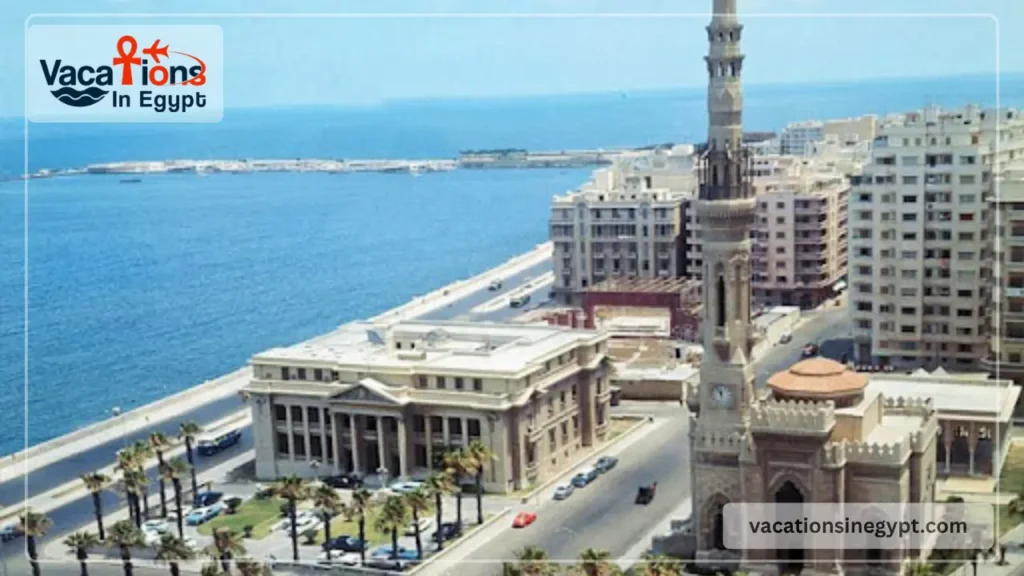
The key to a successful cultural day in Alexandria is restraint. The city rewards depth over volume, and trying to cover too many sites in a single visit dulls the impact of each one.
A practical structure that works well:
- One major mosque visit — Al-Mursi Abu Al-Abbas is the natural anchor
- One historically focused stop — the Catacombs, the Bibliotheca Alexandrina, or a walk through the Bahary district
- Time for the streets between them — Alexandria’s neighborhoods carry as much cultural information as its formal monuments
This approach keeps the day coherent, avoids fatigue, and leaves room for the kind of unplanned moments. A café, a conversation, a view of the harbor that often become the most memorable parts of any cultural visit.
Are Guided Tours Worth It for Cultural Exploration?

For mosque and culture-focused itineraries, yes — particularly when the guide prioritizes explanation over efficiency. Religious and historical sites in Alexandria carry layers of meaning that aren’t visible from the outside, and good guiding surfaces those layers without rushing past them.
A structured option like a 6-day Cairo and Alexandria vacation works especially well because it builds cultural context progressively. Cairo’s pharaonic and Islamic history first, then Alexandria’s Hellenistic and Mediterranean identity. So that by the time you’re standing inside a mosque overlooking the harbor, you already understand the civilization that built it.
Local Tips for Visiting Alexandria’s Mosques Respectfully
- First, Dress conservatively — covered shoulders and legs for all visitors; women should bring a headscarf
- Second, Visit active mosques, not just famous ones — the living religious practice around you is part of what you’re there to understand
- Then, Pair religious sites with historical context — a mosque visit lands differently when you know the city’s full story
- Finally, Keep the day walkable — Alexandria’s cultural sites are compact enough that a car isn’t always necessary, and the streets between them are worth experiencing on foot
Alexandria mosques and culture aren’t separate categories — they’re the same story told in different languages. Walk between them slowly, look at what surrounds them, and the city will explain itself.