


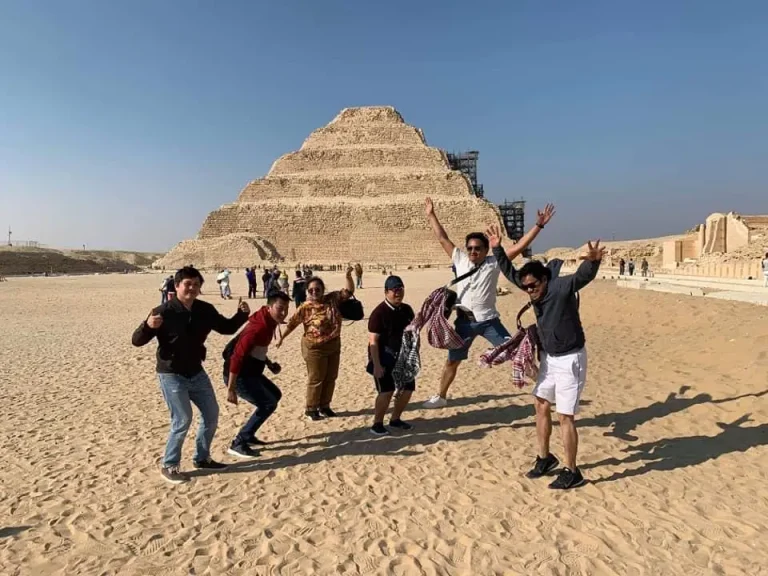
 Family Vacation Packages Family Vacation Packages
 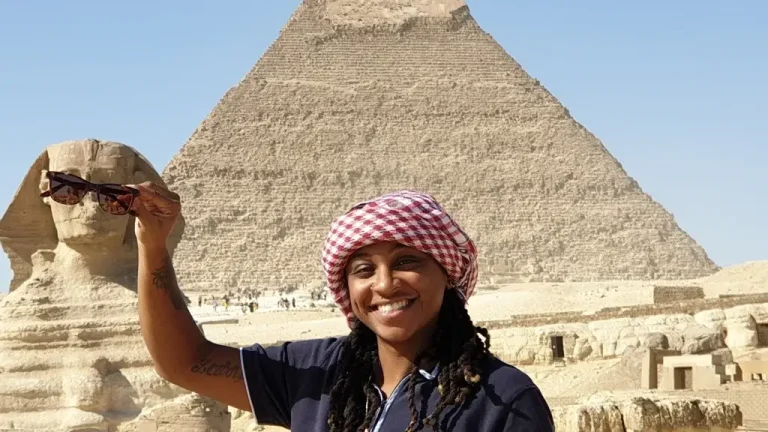 Private & Historical tour in Egypt
 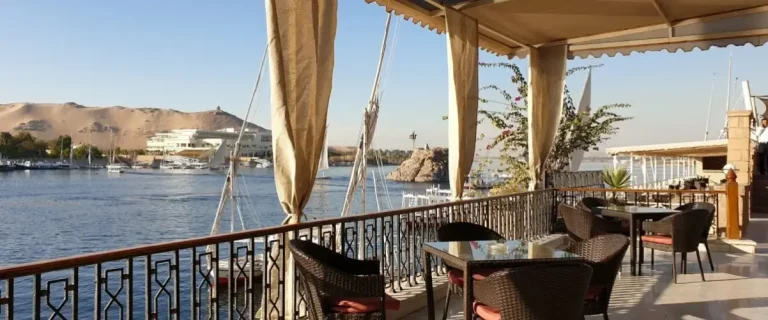 Family Vacation Packages
  Private & Historical tour in Egypt
  Nile Cruise Tour
  Nile Cruise Tour
  Private & Historical tour in Egypt
  Adventure Tour
  Private & Historical tour in Egypt
  Nile Cruise Tour
  Family Vacation Packages
  Sightseeing Tour
  Group Tour
  Nile Cruise Tour
  Adventure Tour
  Private & Historical tour in Egypt
  Nile Cruise Tour
  Private & Historical tour in Egypt
  Nile Cruise Tour
  Christmas Tour
 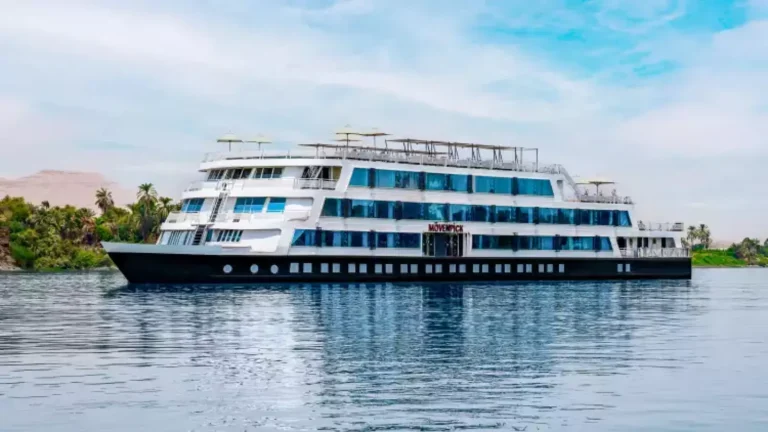 Nile Cruise Tour
  Family Vacation Packages
  Nile Cruise Tour
 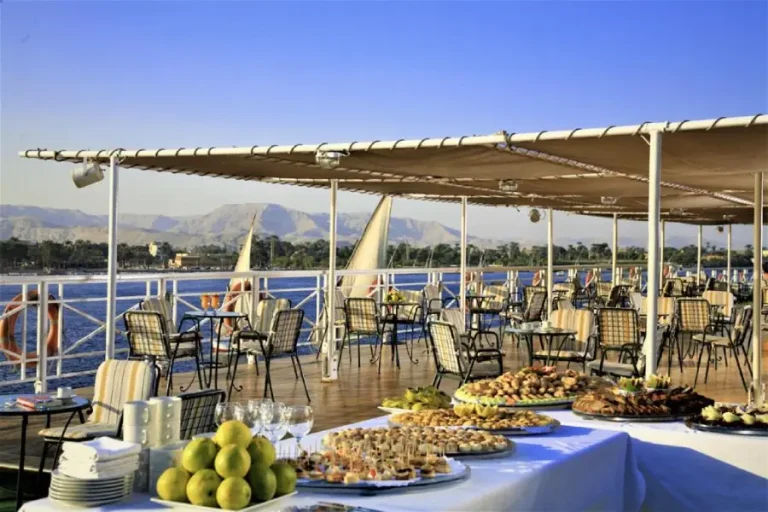 Nile Cruise Tour
 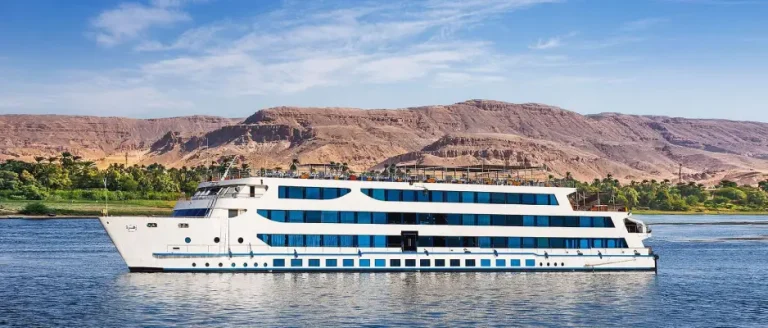 Nile Cruise Tour
 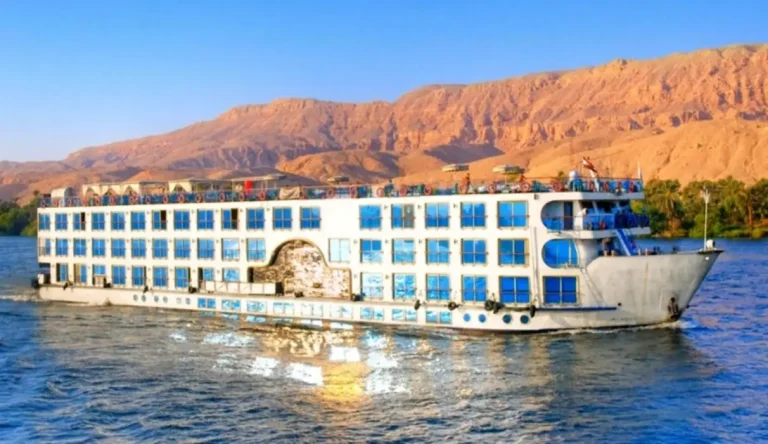 Nile Cruise Tour
  Nile Cruise Tour
  Nile Cruise Tour
  Nile Cruise Tour
  Nile Cruise Tour
  Nile Cruise Tour
  Nile Cruise Tour
  Nile Cruise Tour
  Nile Cruise Tour
  Nile Cruise Tour
  Nile Cruise Tour
 The Mortuary Temple of Hatshepsut at Deir el-Bahari stands as one of ancient Egypt’s most breathtaking architectural achievements. Known as “the wonder of wonders,” this stunning terraced temple rises dramatically against the limestone cliffs of Luxor’s West Bank, offering visitors an unforgettable glimpse into the reign of Egypt’s most powerful female pharaoh.
Designed by the royal architect Senenmut during the 18th Dynasty, the temple took 15 years to complete (1483-1468 BCE). Unlike traditional Egyptian temples, Deir el-Bahari—meaning “monastery of the north”—features a unique semi-speos design, with structures both carved into the mountain and built in the open air. The temple’s three ascending terraces, connected by ramps and adorned with colonnaded porticoes, create a harmonious blend with the natural cliff face behind it.
Built from white local limestone, the temple complex showcases perfect proportions and architectural innovation. The open design allowed ancient Egyptians to view the temple from outside, breaking from traditional walled temple compounds. Each of the three terraces served specific ceremonial purposes, with the uppermost level featuring 22 columns and sacred chapels dedicated to the gods Amun-Ra and Hathor.
The temple walls tell fascinating stories, including the divine birth of Hatshepsut—depicted to legitimize her unprecedented rule as female pharaoh—and accounts of her famous trading expedition to the Land of Punt.
Located just a few hundred meters from the Valley of the Kings, the Mortuary Temple of Hatshepsut is an essential stop on any Luxor West Bank tour. The temple’s dramatic setting against towering cliffs, especially during sunrise or late afternoon, creates photo opportunities unlike anywhere else in Egypt.
Our expertly guided tours provide context to the temple’s history, pointing out the intricate reliefs, explaining the political intrigue of Hatshepsut’s reign, and revealing how her successor, Thutmose III, attempted to erase her legacy by destroying many statues and inscriptions.
Combine your visit to Hatshepsut’s Temple with other nearby attractions:
Whether you’re a history enthusiast, architecture lover, or simply seeking Egypt’s most Instagram-worthy locations, the Mortuary Temple of Hatshepsut delivers an experience that will stay with you long after your Egyptian adventure ends.
Book your Deir el-Bahari tour today and walk in the footsteps of Egypt’s greatest female pharaoh.
The Mortuary Temple of Hatshepsut is located at Deir el-Bahari on the West Bank of the Nile River in Luxor (ancient Thebes), Egypt. It sits against the limestone cliffs directly across from modern-day Luxor and just behind the temple lies the famous Valley of the Kings. The temple is easily accessible as part of West Bank tours from Luxor.
The temple was built by Queen Hatshepsut of the 18th Dynasty and designed by her chief architect, Senenmut. Construction began in 1483 BCE during the 7th year of her reign and was completed around the 22nd year of her rule, taking approximately 15 years to finish. Hatshepsut was one of ancient Egypt's most successful pharaohs and the temple stands as a testament to her ambitious building programs.
The temple is unique for several reasons: its dramatic three-tiered terraced design that rises against natural cliffs, its semi-speos structure (partially carved into rock and partially free-standing), and its unusual open design without surrounding walls. The temple also features exceptional reliefs depicting Hatshepsut's divine birth and her expedition to Punt, and it represents one of the finest examples of ancient Egyptian architectural harmony with the natural landscape.
Most visitors spend 45 minutes to 1.5 hours exploring the Mortuary Temple of Hatshepsut. This allows enough time to walk through all three terraces, view the important reliefs and chapels, take photographs, and appreciate the architecture. If you're on a guided tour, your guide will typically allocate about an hour at the site, which is sufficient for most visitors to see the highlights while learning about the temple's history.
Yes, absolutely! The Temple of Hatshepsut and the Valley of the Kings are only a few hundred meters apart on Luxor's West Bank, making them perfect for a combined visit. Most Luxor West Bank tours include both sites along with other attractions like the Colossi of Memnon and Medinet Habu. A typical West Bank day tour lasts 4-6 hours and covers the major monuments in the Theban necropolis area.
The best time to visit is early morning (8-10 AM) or late afternoon (3-5 PM) to avoid the midday heat and harsh sunlight, especially during summer months when temperatures can exceed 40°C (104°F). Early morning visits offer cooler temperatures and softer light for photography. The temple is open year-round, but visiting between October and April provides the most comfortable weather conditions for exploring.
Before visiting, know that photography is allowed (though tripods may require permission), modest dress is recommended out of respect, and comfortable walking shoes are essential as you'll be climbing ramps between terraces. Bring sun protection, water, and consider hiring a licensed guide to fully understand the temple's significance and identify key reliefs. The site has minimal shade, so plan accordingly. Tickets are usually purchased as part of a West Bank pass or individual site ticket at the entrance.
Build your own private tour to Egypt — one detail at a time.