Egypt Travel Guide

What to See in Cairo Beyond the Famous Spots?

What to See in Cairo Beyond the Famous Landmarks

Cairo is more than its monuments. For travellers wondering what to see in Cairo once the pyramids are ticked off, the answer lies in the spaces where the city actually lives — its cultural venues, neighbourhood restaurants, specialist museums, and performance halls that rarely appear on a standard itinerary.

What to See in Cairo Beyond the Famous Spots?

Why Look Beyond Cairo’s Most Famous Attractions?

Famous sites explain history. They don’t explain daily life.

Once you’ve understood Cairo’s main monuments, what tends to resonate longer are the places that show how culture is practised rather than displayed — spots that sit inside active neighbourhoods, require no crowds, and feel lived-in rather than staged. These are the experiences travellers talk about when they get home.

Which Museums Reveal a Quieter Side of Cairo?
Cairo Tourist Attractions

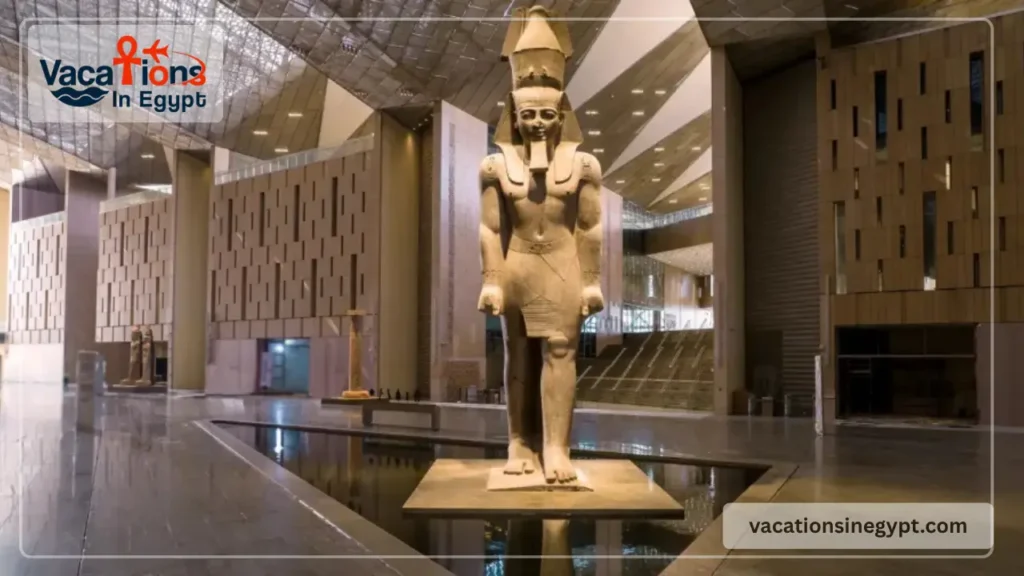
Smaller, more specialised museums often deliver more than the large institutions.

While major museums offer scale, targeted collections allow you to explore specific periods or themes at your own pace, navigate without exhaustion, and leave with a genuine sense of having understood something. A guide to the top museums in Cairo helps match institutions to personal interests rather than default choices — so you spend time where it actually means something to you.

What Cultural Spaces Feel Truly Local?
What to See in Cairo Beyond the Famous Spots?

Look for places where art and performance still happen regularly, not just where they once did.

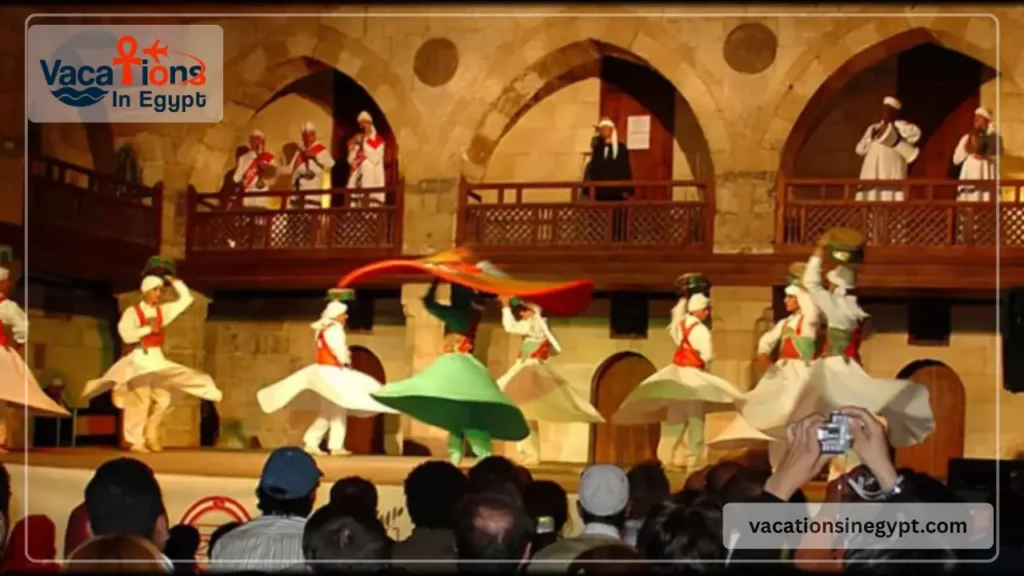
Wekalet El Ghouri is one of the best examples of what to see in Cairo for living culture. This historic complex hosts traditional music and Sufi dance performances inside a working old-city environment, connecting its architecture with the artistic traditions that continue inside it. It’s a window into Cairo’s cultural continuity — not a recreation of the past.

How Does Food Help You See a Different Cairo?
Top 10 Restaurants In Cairo

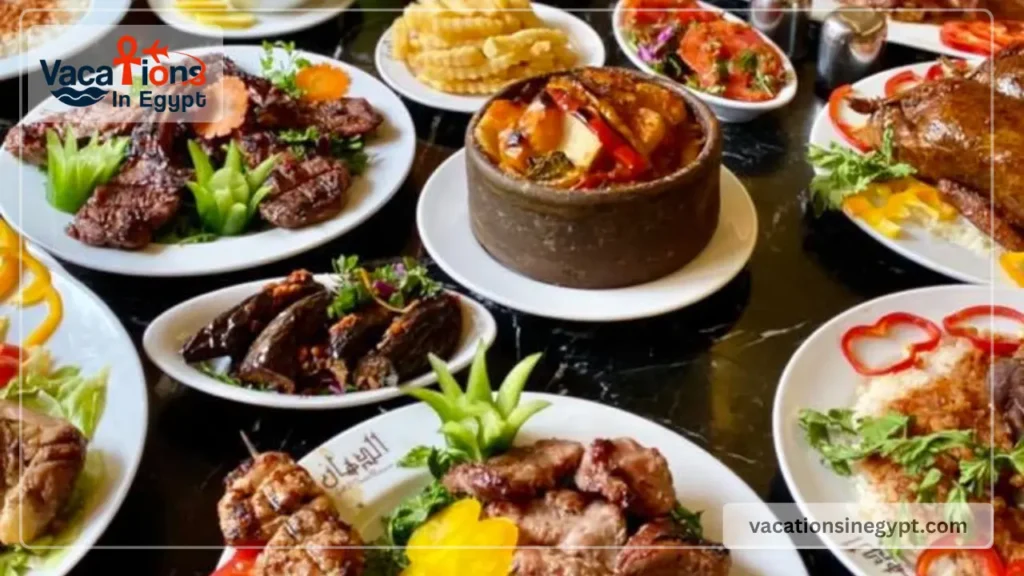
Eating where locals eat places you inside everyday rhythms in a way that no monument can.

A meal in the right neighbourhood breaks up sightseeing naturally, requires no extra travel, and reveals the social texture of the city. Curated picks like the top restaurants in Cairo help you step away from tourist-only areas without guesswork — so the detour is worthwhile rather than random.

Is a Guided City Tour Still Worth It Beyond the Famous Sites?
21 Days Egypt private tour package low cost vacation

Yes — when it’s built for exploration rather than coverage.

A well-designed Cairo city tour connects well-known landmarks with overlooked corners, provides context that’s genuinely difficult to find independently, and adjusts its pace based on curiosity rather than a checklist. Guidance matters most precisely when places aren’t self-explanatory — and much of what to see in Cairo falls into that category.

How Many Lesser-Known Places Should You Add Per Day?

One or two is enough. Cairo’s depth is best appreciated gradually.

One cultural space and one local-life experience — a performance venue in the morning, a neighbourhood restaurant at lunch — is often sufficient to shift your perspective without causing overload. The city rewards slowness far more than ambition.

Expert Tips for Exploring Cairo’s Deeper Layers


  • Famous sites give context; lesser-known ones give texture. You need both.
  • Choose places that are active, not just preserved — living culture beats a velvet rope.
  • Let meals double as cultural experiences rather than interruptions to sightseeing.
  • Resist the urge to discover everything at once. One genuine encounter beats five rushed ones.

For anyone asking what to see in Cairo beyond the obvious, the answer isn’t a longer list — it’s a more deliberate one.

Good to know

Frequently asked questions

Islamic Cairo is the natural next step — the Mosque of Muhammad Ali, Mosque of Sultan Hassan, and the medieval streetscape of Khan el-Khalili. Beyond that, Wekalet El Ghouri offers traditional music and Sufi dance performances in a genuinely historic setting. Old Cairo's Coptic churches and the Amr Ibn Al-Aas Mosque round out a city that has far more layers than most first-time visitors expect.

Smaller, more focused institutions tend to reward visitors who want depth over scale. Specialised collections around specific periods, crafts, or communities are easier to absorb in a short visit and often less crowded. A curated guide to the top museums in Cairo helps narrow the options based on personal interest rather than reputation alone.

Wekalet El Ghouri is a restored Mamluk-era complex in the heart of Islamic Cairo that hosts regular traditional music and Tanoura (Sufi whirling) performances. Unlike a museum, it's a living cultural space — the performances take place inside a centuries-old building that still functions as part of the surrounding neighbourhood. It's one of the most authentic cultural experiences available to visitors in the city.

Locals eat across a wide range of settings — from neighbourhood fuul and falafel counters in the morning to family-run restaurants serving koshary, grilled meats, and slow-cooked stews. Moving away from tourist-facing areas around major hotels and attractions usually leads to better food and a more honest sense of the city. Curated restaurant recommendations help identify where the food is good and the setting genuinely local.

Cairo is visited by millions of tourists each year and is generally safe for independent travel. The areas around major cultural sites — Islamic Cairo, Old Cairo, Downtown, and Zamalek — are well-trafficked and navigable on foot. As with any large city, basic awareness in crowded areas is sensible. For first-time visitors, a guided tour for the first day or two provides useful orientation before exploring independently.

Three to four days covers the main landmarks and leaves room for at least two or three deeper cultural experiences. Five to six days allows a more relaxed pace with time for neighbourhood walks, a day trip to Memphis or Saqqara, and meals that aren't rushed. Cairo rewards visitors who slow down — trying to cover everything in two days means seeing very little of what actually makes the city interesting.

October through April is the most comfortable window for sightseeing, with mild daytime temperatures and cool evenings. Summer months (June through August) are very hot, particularly at outdoor sites like the Citadel and the Pyramids plateau. March and April occasionally bring khamaseen dust storms. Visiting during Ramadan offers a unique atmosphere — especially in Islamic Cairo after sunset — though some venues operate on adjusted hours.

Not always, but context makes a significant difference at many of Cairo's historical and cultural sites, where signage is limited and the history is layered. A guide is most valuable at places like Sultan Hassan Mosque, the Citadel complex, and the older quarters of Islamic Cairo. For neighbourhood exploration, restaurants, and performance venues like Wekalet El Ghouri, going independently is straightforward and often more enjoyable.

Attending a live Tanoura or traditional music performance at Wekalet El Ghouri. Most visitors walk past it on the way to Khan el-Khalili and never go in. The performances are free or very low cost, happen regularly, and take place inside one of the most beautiful historic interiors in the city. It is consistently one of the experiences that visitors mention most when reflecting on what to see in Cairo — and consistently one of the least crowded.

Ready to experience Egypt for yourself?

Let our local Egyptologists build your private journey.

Inquire Now →