


 Luxury Tour Luxury Tour
  Private & Historical tour in Egypt
  Honeymoon Tour
  Private & Historical tour in Egypt
  Private & Historical tour in Egypt
  Private & Historical tour in Egypt
  Private & Historical tour in Egypt
  Private & Historical tour in Egypt
  Family Vacation Packages
  Private & Historical tour in Egypt Family Vacation Packages Private & Historical tour in Egypt
  Private & Historical tour in Egypt
  Private & Historical tour in Egypt
  Private & Historical tour in Egypt
  Cheap Egypt Tours & Budget Packages
  Cheap Egypt Tours & Budget Packages
 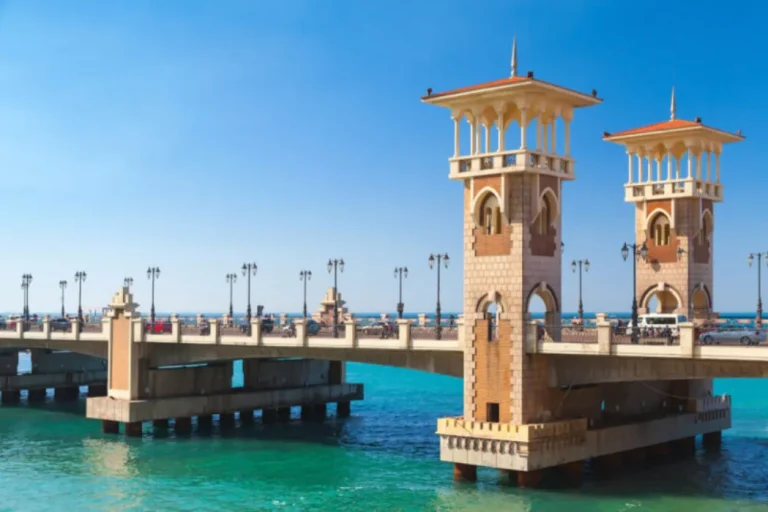 Family Vacation Packages
 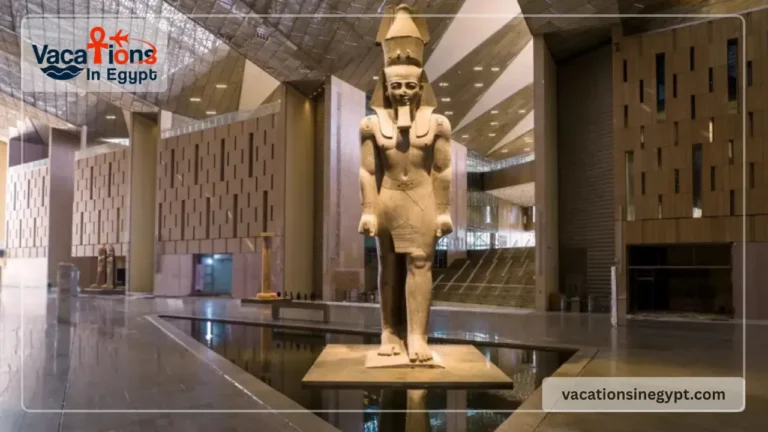 Luxury Tour
 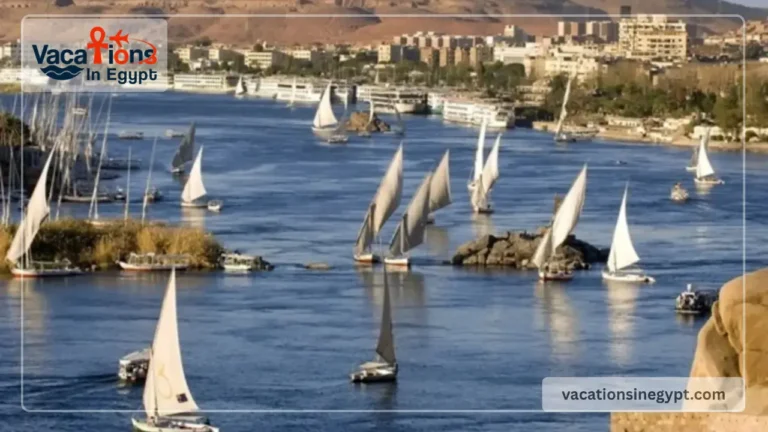 Nile Cruise Tour
 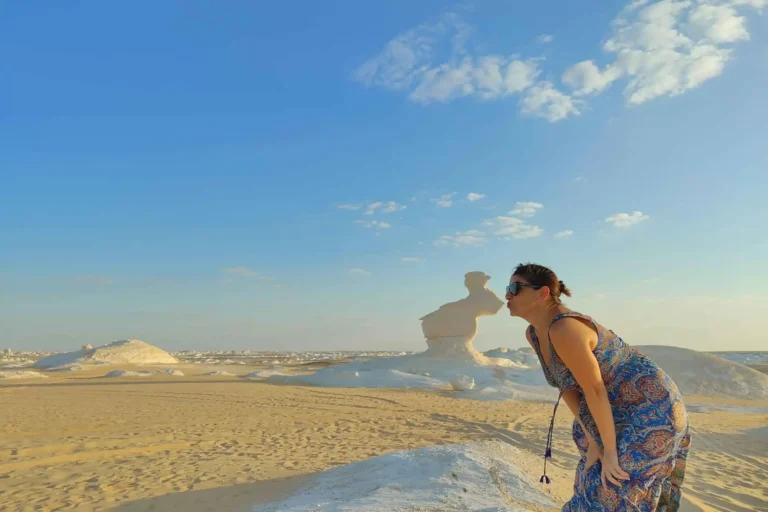 Adventure Tour
  Egypt Classic Tour Packages
  Private & Historical tour in Egypt
  Private & Historical tour in Egypt
  Private & Historical tour in Egypt
  Private & Historical tour in Egypt
  Family Vacation Packages
  Private & Historical tour in Egypt
  Family Vacation Packages
  Private & Historical tour in Egypt
  Private & Historical tour in Egypt
  Private & Historical tour in Egypt
  Family Vacation Packages
  Adventure Tour Private & Historical tour in Egypt
  Nile Cruise Tour
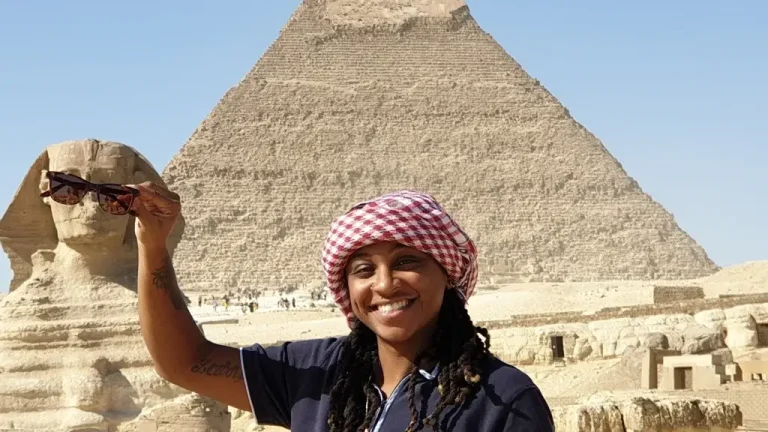
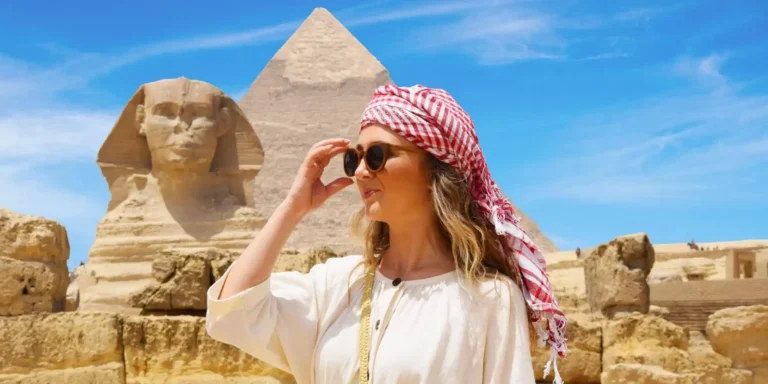
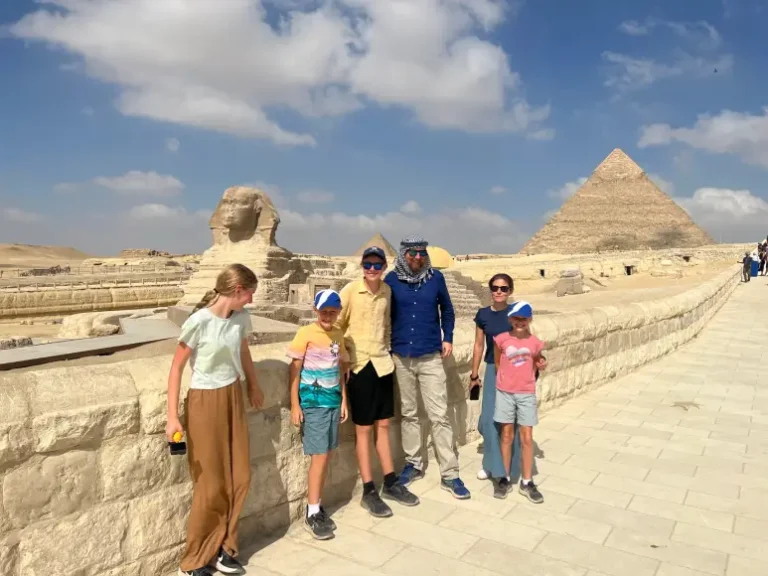
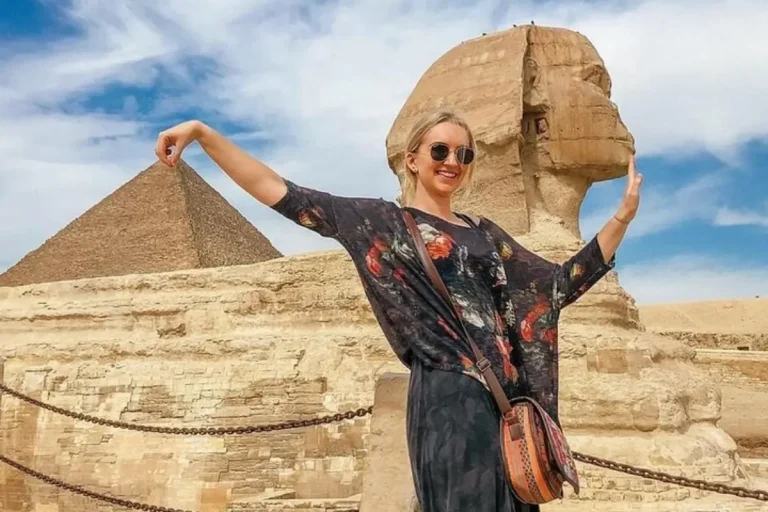
 Standing silently on the Giza Plateau for over 4,500 years, the Great Sphinx is one of the most recognizable and enigmatic monuments ever created by human hands. A towering fusion of human intellect and lion-like power, the Sphinx continues to captivate millions of visitors from around the world — and a tour to Egypt would simply be incomplete without standing before it.
The Great Sphinx of Giza is a colossal limestone statue measuring approximately 73 meters in length and 20 meters in height. It features the head of a human — believed to represent Pharaoh Khafre — set upon the powerful body of a reclining lion. This combination was deeply symbolic in ancient Egyptian culture: the human head represented the king’s wisdom and intelligence, while the lion’s body embodied raw power, strength, and the force of the sun.
In its original glory, the Sphinx was painted in vivid colors — a detail that surprises many visitors today who see only the weathered, golden limestone that remains.
The construction of the Great Sphinx is widely attributed to Pharaoh Khafre, the fourth ruler of the Fourth Dynasty, dating to approximately 2500 BC. Khafre is also credited with building the second-largest pyramid on the Giza Plateau — the pyramid that bears his name — as well as the Valley Temple and the causeway connecting it to his funerary complex.
The Sphinx was built as an integral part of this funerary complex, serving as a guardian and protector of Khafre’s pyramid. It was carved directly from a natural limestone hill on the Giza Plateau, a remarkable engineering feat that used the existing rock formation rather than constructing the monument from separate blocks.
Interestingly, researchers have identified at least three distinct types of limestone within the Sphinx’s structure. The stone of the head is notably harder and more durable than that of the body, which is one reason the face has survived in relatively better condition over the millennia despite centuries of exposure.
One of the most frequently asked questions about the Sphinx is: what happened to its nose? The nose is clearly absent today, and many popular accounts have blamed Napoleon Bonaparte’s troops. However, historical records and sketches made before Napoleon’s Egyptian campaign (1798) already show the Sphinx without its nose. Most Egyptologists now attribute its loss to deliberate removal sometime in the medieval period, though the exact circumstances remain a subject of ongoing debate.
Paradoxically, the Sphinx owes much of its preservation to being buried under sand for long stretches of its history. Ancient records describe multiple efforts to excavate and restore the monument — including by Pharaoh Thutmose IV, who erected the famous Dream Stele between its paws after reportedly being promised the throne in a dream if he cleared the sand away.
The sand protected the body from wind erosion and the harsh desert climate for centuries, allowing it to survive in far better condition than it might have otherwise. Egypt’s climate thousands of years ago was also significantly different — more humid and prone to rainfall — which further affected the monument’s weathering over time.
The Great Sphinx does not stand alone. It is an essential part of the larger Giza Pyramid Complex, which includes:
Together, these monuments form one of the most extraordinary archaeological sites on Earth — and all of them are included in our Giza tours.
When you book a tour with Vacations in Egypt, you’ll enjoy a fully guided experience at the Giza Plateau, with expert Egyptologist guides who bring the story of the Sphinx — and the entire complex — to life. You’ll have time to explore the Valley Temple, admire the Sphinx up close, walk among the pyramids, and capture unforgettable photos of one of the Seven Wonders of the Ancient World.
Whether you’re joining one of our Egypt Classic Tours, our Cairo Day Trips, or a custom private itinerary, the Great Sphinx is always a highlight.
The Great Sphinx of Giza is located on the Giza Plateau, on the west bank of the Nile River, just outside Cairo, Egypt. It sits adjacent to the three famous Giza Pyramids and the Valley Temple of Pharaoh Khafre, making it easy to visit all of these landmarks in a single day tour.
The Great Sphinx is widely believed to have been built by Pharaoh Khafre, the fourth ruler of Egypt's Fourth Dynasty, around 2500 BC. It was carved as part of his funerary complex, which also included his pyramid and the Valley Temple. Some alternative theories suggest it may be older or was built by Pharaoh Khufu, but the Khafre attribution remains the most widely accepted among Egyptologists.
The Great Sphinx of Giza is approximately 4,500 years old, dating to around 2500 BC during the Old Kingdom period of ancient Egypt. It is one of the oldest and largest monolithic statues in the world.
The nose of the Great Sphinx is missing, and its disappearance is one of the monument's most enduring mysteries. While popular belief often blames Napoleon's soldiers, historical drawings made before Napoleon's 1798 campaign already show the Sphinx without its nose. Most historians believe the nose was deliberately removed sometime during the medieval period, possibly for religious reasons, though no definitive proof has been established.
No, visitors cannot enter the Great Sphinx itself. However, you can walk right up to the base of the monument and explore the surrounding area, including the Valley Temple of Khafre, which is located nearby. Our Giza tours allow you to get very close to the Sphinx for photos and a guided explanation of its history and significance.
The best time to visit the Great Sphinx is during Egypt's cooler months, from October to April, when daytime temperatures are comfortable for outdoor sightseeing. The summer months (June–August) can be extremely hot on the Giza Plateau. Early morning visits are especially recommended to avoid crowds and enjoy the Sphinx in beautiful golden morning light.
Yes! The Great Sphinx is included in many of our most popular Egypt tour packages, including our Cairo day tours, Giza Pyramid tours, and multi-day Egypt classic itineraries. All tours are led by licensed Egyptologist guides and include transport, entrance fees, and personalized attention to make your visit to this legendary monument truly memorable.
Build your own private tour to Egypt — one detail at a time.