


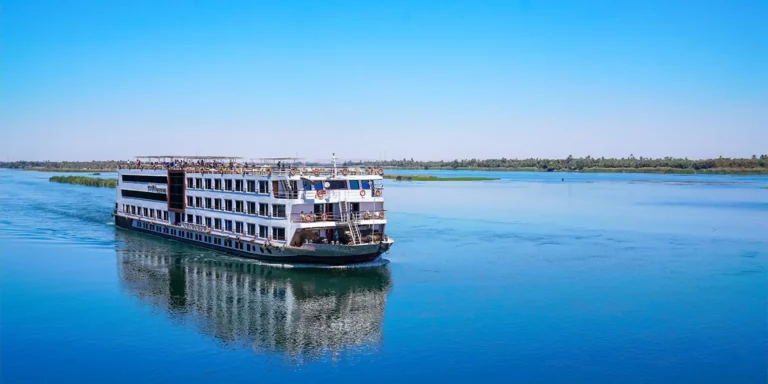
 Nile Cruise Tour
 4 Nights Nile River Cruise from Luxor
from$700.00
Nile Cruise Tour  All inclusive
  All inclusive
  Nile Cruise Tour
 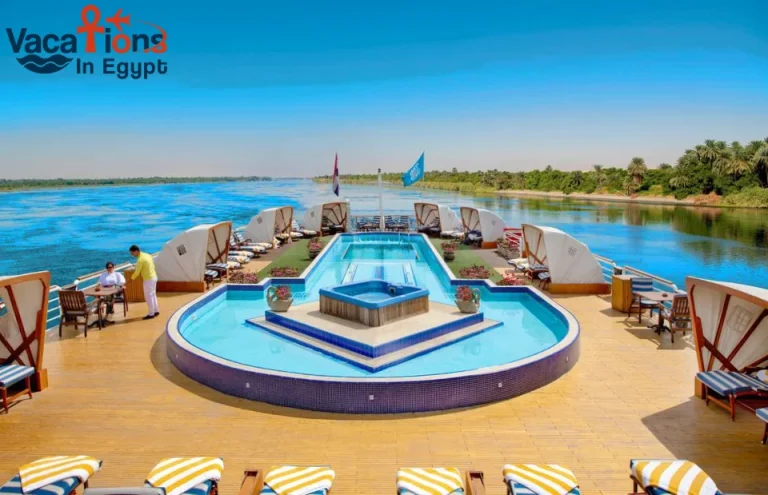 Nile Cruise Tour
  Nile Cruise Tour
  Nile Cruise Tour
  Nile Cruise Tour
  Nile Cruise Tour
  Private & Historical tour in Egypt
  Nile Cruise Tour
  Private & Historical tour in Egypt
  Private & Historical tour in Egypt
 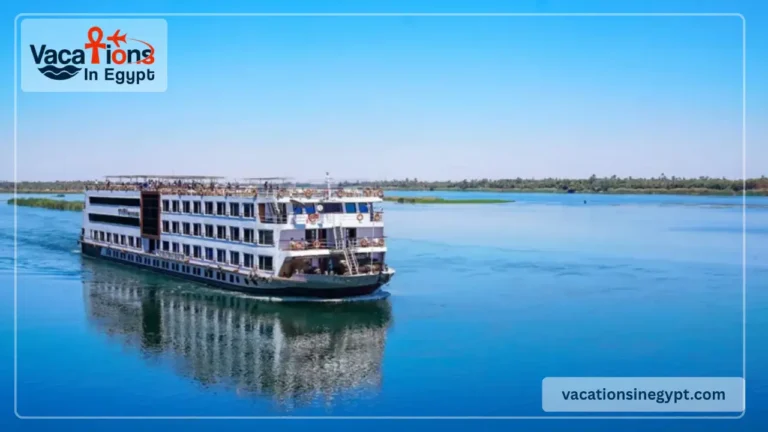 Nile Cruise Tour
  Honeymoon Tour
  Private & Historical tour in Egypt
  Private & Historical tour in Egypt
  Private & Historical tour in Egypt
  Private & Historical tour in Egypt
  Private & Historical tour in Egypt
  Private & Historical tour in Egypt
  Private & Historical tour in Egypt
  Private & Historical tour in Egypt
  Private & Historical tour in Egypt
  Private & Historical tour in Egypt
  Private & Historical tour in Egypt
  Private & Historical tour in Egypt
  Private & Historical tour in Egypt
  Private & Historical tour in Egypt
  Private & Historical tour in Egypt
  Private & Historical tour in Egypt
  Private & Historical tour in Egypt
  Private & Historical tour in Egypt
  Private & Historical tour in Egypt
  Private & Historical tour in Egypt
  Private & Historical tour in Egypt
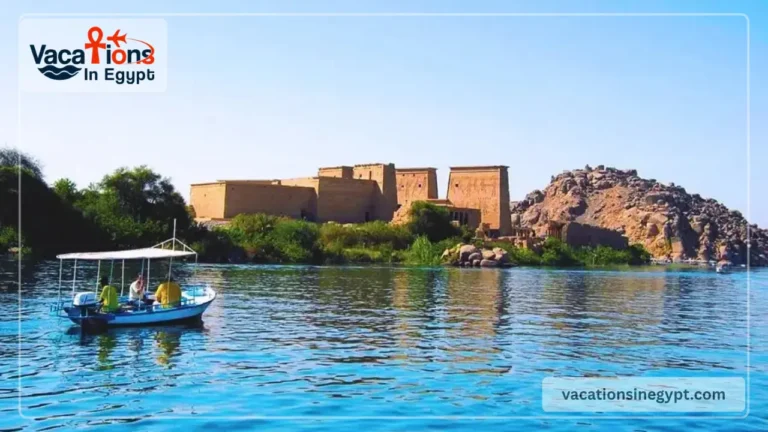
 The temple was rearranged on the island of Agilkia, which was on the island of Elephantine. The building of this temple consists of the mamisi, which is located in the middle, and the mobile one behind it. There are also two towers to the north and south. To the left of the small edifice is the main temple of the goddess Isis. To the right of the large edifice, there is an open courtyard extending to the south of the island. A center for the worship of the goddess Isis, causing a conflict between the priests of the goddess Isis – the goddess of the Philae Temple – and the priests of the god Junum.
It is a huge complex where the main temple is dedicated to Isis and occupies a central location Projecting images on the walls and ambient and immersive sounds, all designed to make the visit magical The temple served as a Christian church in honor of Saint Stephen Legend: Osiris was torn to pieces and his body was scattered across the country. Isis collected all the body parts and housed them inside the Temple of Philae to rebuild his body.
The most unusual room of the Philae Temple is its library, So dedicated to preserving sacred texts on papyrus In the small square preceding the entrance to the temple After all you can see many carved crosses On other walls of the temple, there are writings dating back centuries, from the first modern tourists to arrive in the area, mostly French and Greek.
Assuredly The only way to reach this temple is by boat as it is located on an island
In fact that Philae is the most impressive of these events, which are often more than wonderful.
the Temple of Isis at Philae is dedicated to Isis, Osiris, and Horus. The temple walls contain scenes from Egyptian mythology of Isis bringing.
Because the temple is located on Agilkia Island, it is only accessible by boat. Visitors must travel to the Philae Boat Marina (near the Aswan Low Dam), where they can hire a traditional wooden motorboat. The short, scenic ride offers stunning views of the temple silhouette rising from the water.
The temple is primarily dedicated to Isis, the goddess of motherhood, magic, and healing. It was one of the last bastions of ancient Egyptian religion, where the cult of Isis continued to flourish long after Christianity had spread throughout the rest of Egypt, eventually closing in the 6th century AD.
And for more than two years, the Rosetta orbiter and its Philae lander made good on the mission's name.
No. The temple was originally located on Philae Island, which was partially submerged after the construction of the old Aswan Dam in 1902. In the 1970s, as part of a massive UNESCO rescue operation, the entire complex was dismantled block-by-block and moved to the higher ground of Agilkia Island, which was landscaped to match the original site.
While the Temple of Isis is the centerpiece, you shouldn’t miss the Kiosk of Trajan (an unfinished but iconic Roman-style pavilion), the Temple of Hathor, and the First Pylon, which features massive reliefs of Ptolemaic kings. Also, look for the "Last Hieroglyph"—the latest known inscription of ancient Egyptian writing, dated to 394 AD.
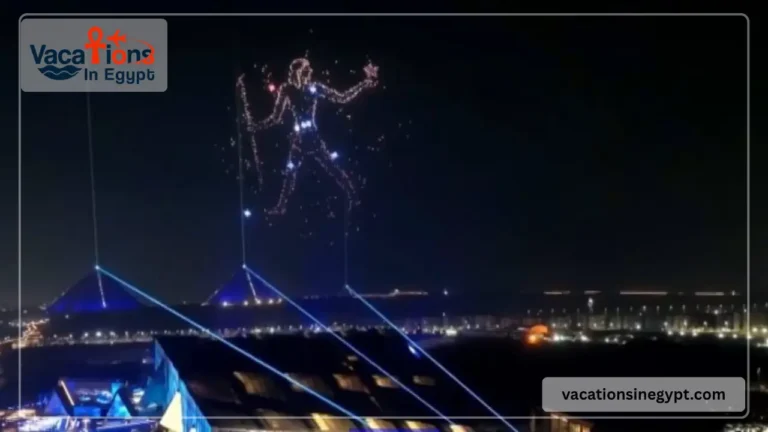
Yes, Philae hosts one of Egypt's most famous Sound and Light Shows. It takes place after dark and uses dramatic lighting and narration to tell the myth of Isis and Osiris. It is a highly recommended way to experience the island’s mystical atmosphere without the daytime crowds and heat.
Build your own private tour to Egypt — one detail at a time.