


 Private & Historical tour in Egypt
 5 Days Cairo Tour From Singapore
from$1,700.00
Private & Historical tour in Egypt  Honeymoon Tour
  Private & Historical tour in Egypt
  Private & Historical tour in Egypt
  Private & Historical tour in Egypt
  Private & Historical tour in Egypt
  Private & Historical tour in Egypt
  Family Vacation Packages
  Private & Historical tour in Egypt Family Vacation Packages
  Private & Historical tour in Egypt
  Private & Historical tour in Egypt
  Private & Historical tour in Egypt
  Private & Historical tour in Egypt
 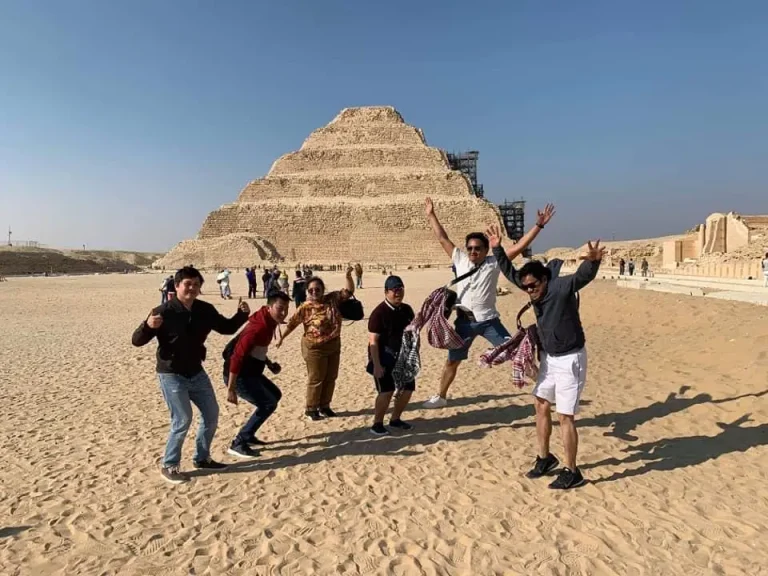 Cheap Egypt Tours & Budget Packages
 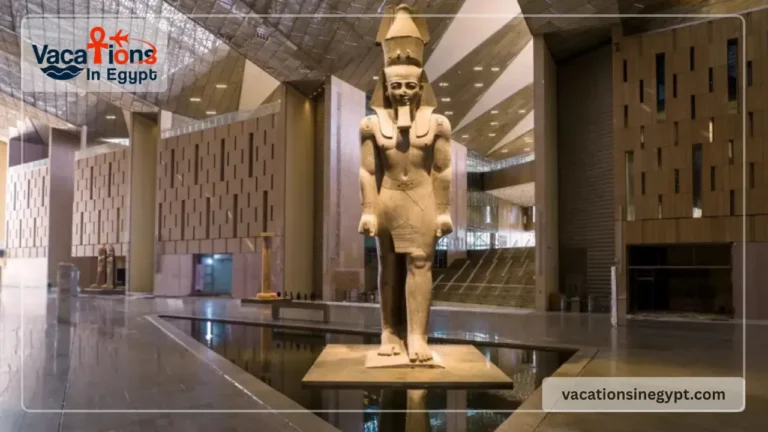 Luxury Tour
  Private & Historical tour in Egypt
  Private & Historical tour in Egypt
  Family Vacation Packages
  Private & Historical tour in Egypt
  Private & Historical tour in Egypt
 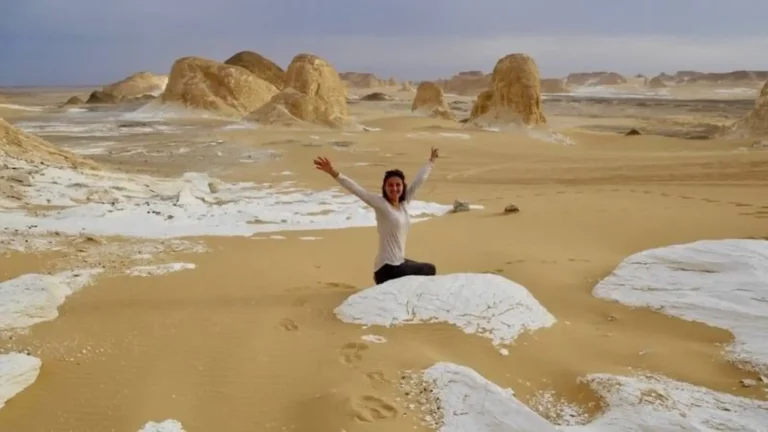 Adventure Tour
  Private & Historical tour in Egypt
  Private & Historical tour in Egypt Private & Historical tour in Egypt
  Adventure Tour
  Family Vacation Packages
  Nile Cruise Tour
  Christmas Tour
  Christmas Tour
  Christmas Tour
  Private & Historical tour in Egypt
  Private & Historical tour in Egypt Private & Historical tour in Egypt
  Family Vacation Packages
  Private & Historical tour in Egypt
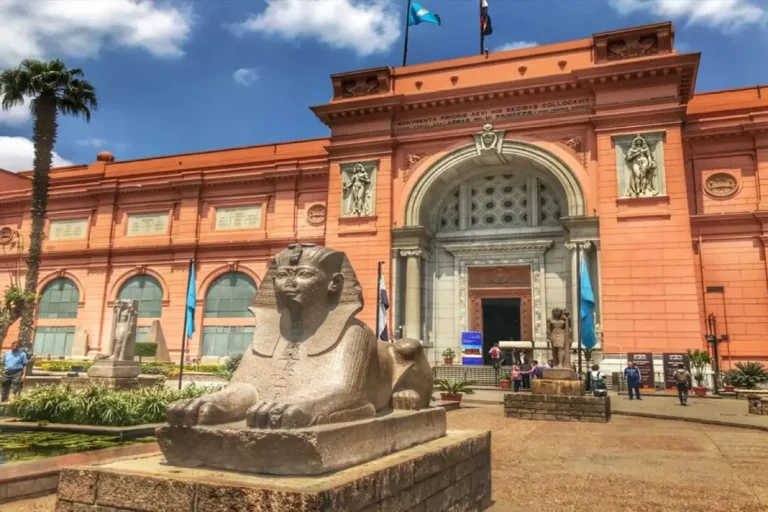
 This is not the first post we have dedicated to the Egyptian Museum in Cairo, as we wrote this other one some time ago. But its collection is so large that it deserved to be the subject of another post. We are also taking this opportunity to give you some useful information for visiting the Egyptian Museum in Cairo. Despite the inauguration of the pharaonic (never better said) Grand Egyptian Museum in Giza, this other museum still has many reasons to convince every visitor, Egyptologist or not.
In the previous post we mentioned, we highlighted four masterpieces that every visitor should see with their own eyes: the Triad of Menkaure, the Palette of Narmer, the Statue of Akhenaten, and the Portrait of Two Brothers. However, this museum, which opened in 1902 and is considered the largest institution in Egyptology, has some 150,000 pieces in its inventory, although only a small part of them are actually on display.
So your visit will take you past many masterpieces, of which five more examples are worth highlighting:
A statue made during the Fourth Dynasty (around 2500 BC) and named to distinguish it from the Seated Scribe in the Louvre Museum. Made of polychrome limestone, it also captivates with the quartz and glass used in the eyes of this character, a former official of the pharaohs.
Another scribe, in this case also a priest and Nubian nobleman who held a position of responsibility at the end of the Fourth Dynasty or the beginning of the Fifth. It is worth taking a close look at this statue, as it is a striking example of realistic sculpture in wood.
One of the most fascinating examples of art during the Middle Kingdom (11th Dynasty, around 2000 BC). It is striking for the ‘Osiriform’ position of this pharaoh, showing his desire to equate himself with or invoke the god Osiris, lord of the Afterlife and judge of the Dead.
A funerary structure that contained the mummy of the queen consort of the aforementioned pharaoh Mentuhotep II. Despite the lack of polychromy, the reliefs are in very good condition and allow us to admire the clean and polished style of Egyptian art, with such striking scenes as the grooming of her hair.
Prominent nobles during the 18th Dynasty (grandparents of Akhenaten and great-grandparents of Tutankhamun), who commissioned extraordinarily beautiful funerary masks covered with gold leaf.
In addition to these outstanding masterpieces, you will find the following practical information useful for your visit:
Open every day from 9:00 a.m. to 4:00 p.m. (until 3:00 p.m. during Ramadan)
550 EGP for adult foreigners, 275 EGP for students. Egyptian or Arab citizens are eligible for discounts: 30 EGP for adults and 10 EGP for students. Some visitors enjoy free admission: children under 6, Egyptian citizens over 60, and Egyptian people with disabilities.
Tahrir Square, Cairo
Café, souvenir and book shop, elevators, library, Braille panels, sign language service, parking
The information above is correct as of March 2025, when this post was written. Please check the museum’s official website for any updates on prices and opening hours. The recently revamped website also offers interactive information, maps, and other useful resources for your visit.
Ticket prices are 550 EGP for adult foreigners and 275 EGP for students. Egyptian or Arab citizens have discounted rates: 30 EGP for adults and 10 EGP for students. Children under 6, Egyptian citizens over 60, and people with disabilities have free admission.
The museum is open every day from 9:00 a.m. to 4:00 p.m., and until 3:00 p.m. during Ramadan.
he museum is located at Tahrir Square, Cairo.
Must-see masterpieces include the Cairo Scribe, Statue of Kaaper, Statue of Mentuhotep II, Sarcophagus of Kawit, and the Masks of Yuya and Tuyu.
The Egyptian Museum is famous for housing one of the world’s largest collections of ancient Egyptian antiquities. Opened in 1902, the museum contains around 150,000 artifacts, including statues, sarcophagi, royal treasures, and masterpieces from different dynasties of ancient Egypt.
The Egyptian Museum is located in Tahrir Square, in the heart of Cairo. Its central location makes it one of the most visited cultural attractions in the city.
Among the highlights of the Egyptian Museum are remarkable artifacts such as the Triad of Menkaure, the Narmer Palette, the statue of Akhenaten, the Cairo Scribe, the Statue of Kaaper, the Statue of Mentuhotep II, and the funerary masks of Yuya and Tuyu.
The Egyptian Museum has about 150,000 items in its inventory, although only a portion of them are displayed to visitors. The collection includes artifacts from the Old Kingdom, Middle Kingdom, and New Kingdom periods.
The Egyptian Museum is generally open daily from 9:00 AM to 4:00 PM, with reduced hours during Ramadan, when it usually closes around 3:00 PM.
Entrance to the Egyptian Museum costs approximately 550 EGP for adult foreign visitors and 275 EGP for students. Egyptian and Arab citizens benefit from discounted prices, and children under 6 as well as some other visitors may enter free of charge.
Visitors to the Egyptian Museum can enjoy several services including a café, souvenir and book shop, elevators, a library, Braille panels, sign-language assistance, and parking, making the museum accessible and convenient for travelers.
Build your own private tour to Egypt — one detail at a time.