


 Nile Cruise Tour
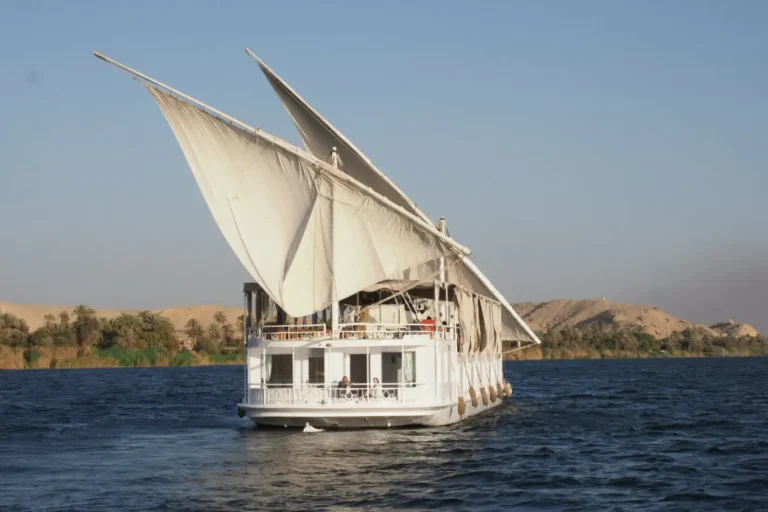
 Best 5 Days Abundance Dahabiya Nile Cruise
from$1,200.00
Nile Cruise Tour  Nile Cruise Tour
  Nile Cruise Tour
  Nile Cruise Tour
  Nile Cruise Tour
  Nile Cruise Tour
  Private & Historical tour in Egypt
  Food Tour
  Nile Cruise Tour
  Easter Holiday
  Nile Cruise Tour
  Nile Cruise Tour
  Nile Cruise Tour
  Nile Cruise Tour Nile Cruise Tour
  Nile Cruise Tour
  Nile Cruise Tour
  Nile Cruise Tour
  Nile Cruise Tour
  Egypt Classic Tour Packages
  Nile Cruise Tour
  Nile Cruise Tour Nile Cruise Tour
  Private & Historical tour in Egypt
  Nile Cruise Tour
  Nile Cruise Tour
  Nile Cruise Tour
  Nile Cruise Tour
  Nile Cruise Tour
  Nile Cruise Tour
  Private & Historical tour in Egypt Private & Historical tour in Egypt
  Nile Cruise Tour
  Egypt Christmas Holidays
  Cheap Egypt Tours & Budget Packages Private & Historical tour in Egypt
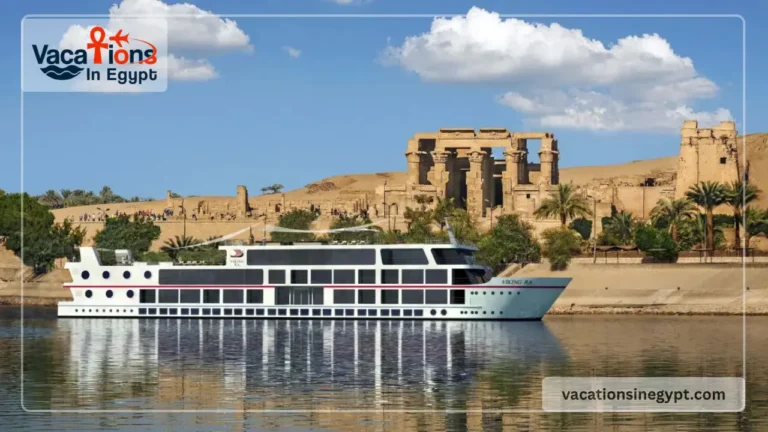
 Standing majestically on the banks of the Nile River, the Temple of Kom Ombo is one of Egypt’s most extraordinary archaeological wonders. This unique Ptolemaic temple, built over 2,000 years ago, offers visitors an unparalleled glimpse into ancient Egyptian religion, architecture, and medicine. Our carefully curated Egypt tours include visits to this remarkable site, allowing you to experience one of the most fascinating temples along the Nile.
What makes Kom Ombo Temple truly exceptional is its perfectly symmetrical double design—the only temple in Egypt constructed this way. The temple features two of everything: two entrances, two hypostyle halls with towering columns, two sanctuaries, and duplicate courtyards. This architectural marvel was built to honor two powerful deities simultaneously: Horus the Elder, the falcon-headed sky god, and Sobek, the crocodile-headed god of the Nile.
Construction of Kom Ombo began during the 2nd century B.C. under the Ptolemaic dynasty, with subsequent additions made during Roman rule. This blend of Egyptian, Greek, and Roman influences creates a unique architectural fusion. The entrance pylon, erected by Emperor Augustus, showcases stunning bas-reliefs depicting Roman emperors presenting offerings to Egyptian gods—a beautiful testament to the cultural exchange of the era.
One of the most fascinating features of Kom Ombo Temple is the extraordinary relief on the exterior wall depicting the god Imhotep surrounded by ancient medical instruments. These carvings, accompanied by hieroglyphic texts about medical practices, reveal the advanced state of Egyptian medicine. You’ll be amazed to see how closely these ancient surgical tools resemble modern instruments—a testament to the sophistication of ancient Egyptian physicians.
Kom Ombo holds special significance as one of the most important sanctuaries dedicated to Sobek, the crocodile deity who was believed to control the waters of the Nile and, according to some myths, created the world itself. Ancient Egyptians believed the Nile River flowing beside the temple was formed from Sobek’s sweat, making this location particularly sacred.
Just steps from the main temple, the Crocodile Museum offers an immersive exploration of the ancient crocodile cult. This fascinating museum houses mummified crocodiles discovered in the area, clay coffins, and numerous artifacts related to Sobek worship. It’s an essential complement to your temple visit, providing deeper context about the reverence ancient Egyptians held for these powerful Nile creatures.
Our Egypt vacation packages include expertly guided tours of Kom Ombo Temple, ensuring you don’t miss any of the site’s hidden treasures. Our knowledgeable Egyptologist guides will bring the temple’s history to life, explaining the intricate reliefs, the dual deity worship system, and the significance of this architectural masterpiece in ancient Egyptian culture.
Whether you’re cruising the Nile or exploring Egypt’s archaeological wonders on land, Kom Ombo Temple is an essential stop that showcases the ingenuity, spirituality, and artistic achievement of ancient Egyptian civilization.
Book your Egypt tour today and experience the wonder of Kom Ombo Temple for yourself!
Kom Ombo Temple is the only completely symmetrical double temple in Egypt, featuring duplicate entrances, halls, courtyards, and sanctuaries. This unique design exists because the temple is dedicated to two gods simultaneously: Sobek, the crocodile god, and Horus the Elder, the falcon-headed sky god. The perfect symmetry ensures equal worship space for both deities.
During our Egypt tours to Kom Ombo Temple, you'll explore the dual hypostyle halls with their impressive columns, the twin sanctuaries, ancient medical reliefs showing surgical instruments, bas-reliefs of Roman emperors making offerings to Egyptian gods, and the nearby Crocodile Museum featuring mummified crocodiles and artifacts from the Sobek cult.
Kom Ombo Temple construction began in the 2nd century B.C. during the Ptolemaic dynasty. Additional elements were added during the Roman period, including the entrance pylon built by Emperor Augustus. This combination of Ptolemaic and Roman construction creates a unique blend of Egyptian, Greek, and Roman architectural styles.
The dual dedication reflects the importance of both deities in the region. Sobek, the crocodile god, controlled the Nile's waters and fertility, crucial for agriculture and survival. Horus the Elder represented kingship and the sky. The temple's location on the Nile made it an ideal place to honor Sobek, while Horus represented the pharaoh's divine authority.
The Crocodile Museum, located near Kom Ombo Temple, displays mummified crocodiles, clay coffins, and archaeological artifacts related to ancient Egyptian crocodile worship and the cult of Sobek. The museum provides fascinating insights into how ancient Egyptians revered crocodiles as sacred animals and objects of religious devotion.
Absolutely! Kom Ombo Temple is one of Egypt's most remarkable archaeological sites and is typically included in Nile cruise itineraries and comprehensive Egypt tour packages. Its unique double design, excellent preservation, ancient medical reliefs, and the adjacent Crocodile Museum make it an essential stop for anyone interested in ancient Egyptian history and culture.
Kom Ombo Temple is located approximately 50 kilometers north of Aswan and 180 kilometers south of Luxor along the Nile River. Most visitors experience the temple as part of a Nile River cruise between Luxor and Aswan, though it can also be reached by road from either city. Our Egypt tour packages include comfortable transportation and expert guides to ensure a seamless visit.
Build your own private tour to Egypt — one detail at a time.