Egypt is one of the world’s most layered travel destinations — a country where ancient civilisations, Islamic heritage, the Nile, and vibrant street culture coexist. Whether you’re a first-time visitor or returning traveller, this guide covers the experiences that make Egypt truly unforgettable.
01 —Memphis & the Step Pyramid of Saqqara
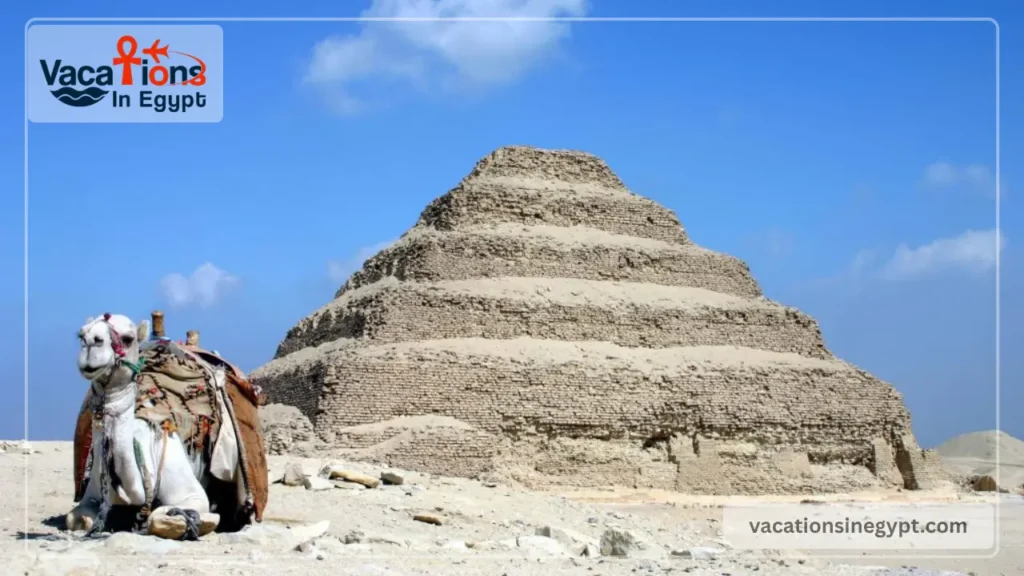
Memphis was ancient Egypt’s first capital, established on the west bank of the Nile by King Menes. As the seat of royal power before the rise of Thebes, it is one of the most historically significant sites in the country.
A visit here leads naturally to Saqqara, home of the Step Pyramid of King Djoser — the world’s oldest large-scale stone structure and a precursor to the Great Pyramids of Giza. The surrounding necropolis contains mastabas, underground tombs, and carved reliefs that reward careful exploration.
02 —The Citadel of Saladin & the Mosque of Muhammad Ali
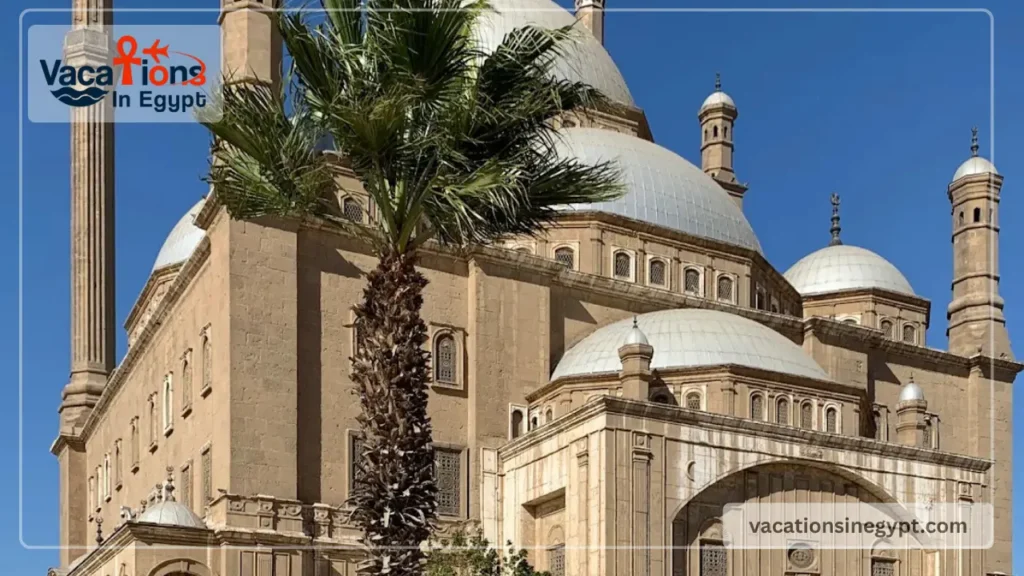
Perched above the Mokattam Hills, the Citadel of Salah El-Din offers one of the finest panoramic views of Cairo. Built during the Ayyubid era as a military fortification and seat of government, it later became the centre of Mamluk rule — a history you can feel in every stone.
Inside the citadel stands the Mosque of Muhammad Ali Pasha, inaugurated in 1848. Its Ottoman-style architecture — soaring domes clad in alabaster, ornate marble interiors, and twin minarets — makes it one of the most photographed structures in Cairo. Together, the citadel and mosque make for a half-day visit that spans six centuries of Egyptian history.
03 —Al-Muizz Street: A Walk Through Islamic Cairo
Al-Muizz Street is arguably the most historically dense street in the Arab world. Founded during the Fatimid Caliphate, it was designed as a ceremonial corridor lined with mosques, schools, hospitals, and markets — all enclosed within a defensive city wall whose original gates, including Bab Zuwayla, still stand today.
A walk along Al-Muizz connects you with landmarks spanning over a thousand years of Islamic architecture, including:
- Sultan Mansur Qalawun Mosque & Mausoleum
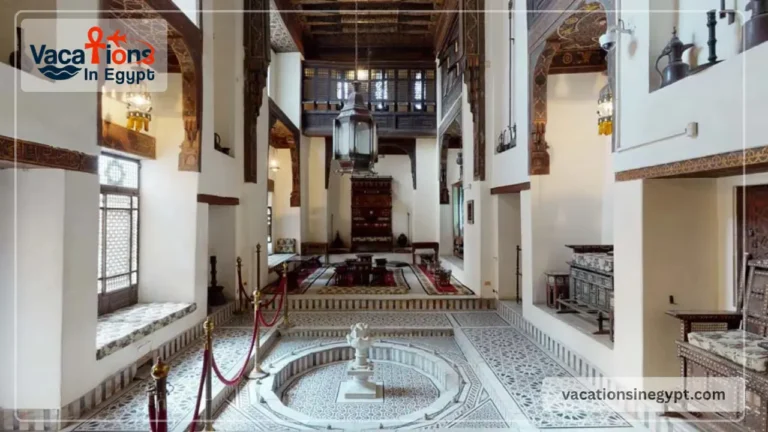
- Beit Al-Suhaimi (historic house museum)
- Al-Ghuriya Wikala & Mausoleum
- Khayamiya textile market
The street is best experienced on foot in the early evening, when crowds thin and soft lighting illuminates the carved stone facades.
04 —Khan El-Khalili Bazaar

One of the oldest and most vibrant bazaars in the Middle East, Khan El-Khalili has been a centre of trade since the 14th century. Today it is a labyrinthine market where goldsmiths, spice merchants, jewellers, and artisans work side by side.
It’s the ideal place to find handcrafted souvenirs — silver jewellery, inlaid woodwork, hand-blown glass, and traditional textiles. Haggling is expected and part of the experience. Nearby coffee houses like the historic Fishawi’s Café have been open for over 200 years.
05 —The Pyramids of Giza & the Sound and Light Show
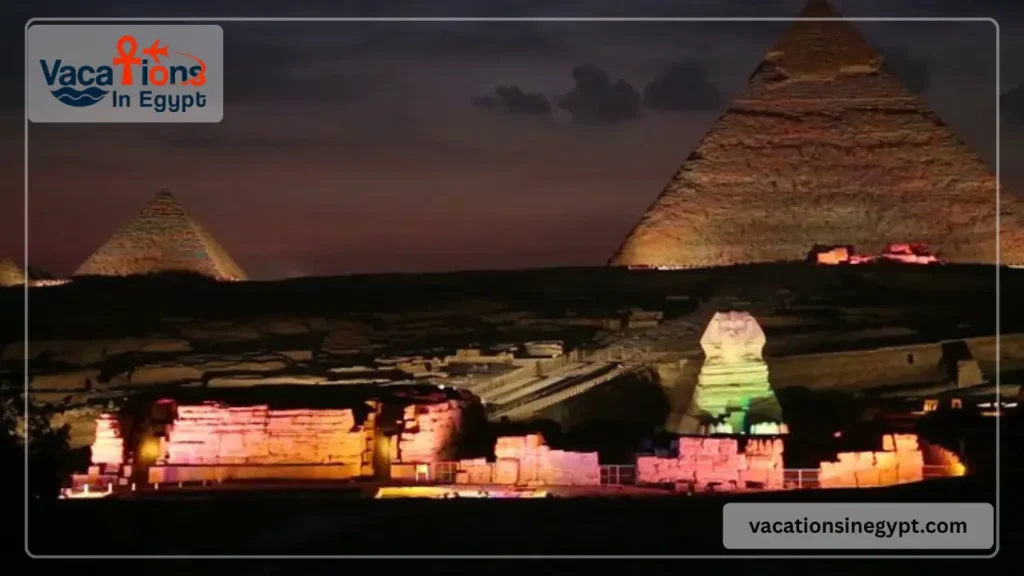
No list of Egyptian attractions is complete without the Pyramids of Giza and the Great Sphinx — the last surviving wonder of the ancient world. While daytime visits are essential, the experience takes on a completely different character at night during the Sound and Light Show.
The show narrates the history of the pharaohs, the construction of the pyramids, and the mythology of ancient Egypt — all projected against the monuments themselves. It is available in multiple languages including English, French, Spanish, Italian, and German, making it accessible to international visitors.
06 —Cairo Tower: The City from Above
Rising 187 metres above Gezira Island, the Cairo Tower provides a 360-degree panoramic view of the city — from the Pyramids on the western horizon to the minarets of Islamic Cairo in the east, with the Nile winding through the middle.
The tower houses a revolving restaurant at the top, making it an excellent choice for a meal with an unmatched view, particularly at sunset or after dark when the city lights up.
07 —A Felucca Ride on the Nile

One of the most serene and authentically Egyptian experiences available is a felucca ride — a traditional wooden sailboat that has been used on the Nile for thousands of years. At sunset, these boats drift quietly through the water against a backdrop of palm trees and golden light.
Felucca trips can be arranged along the Cairo Corniche and are especially popular in Aswan, where the river is at its most tranquil and scenic. It is an experience that connects visitors directly with the rhythms of Egyptian life — unhurried, timeless, and quietly spectacular.
08 —Egyptian Cuisine: What to Eat and Where
Egyptian food is deeply rooted in thousands of years of agricultural tradition, and eating like a local is one of the most rewarding parts of any visit. The national dishes are hearty, flavourful, and often deceptively simple.
- Koshari (lentils, rice, pasta & tomato sauce)
- Ful medames (spiced fava beans)
- Ta’meya (Egyptian falafel)
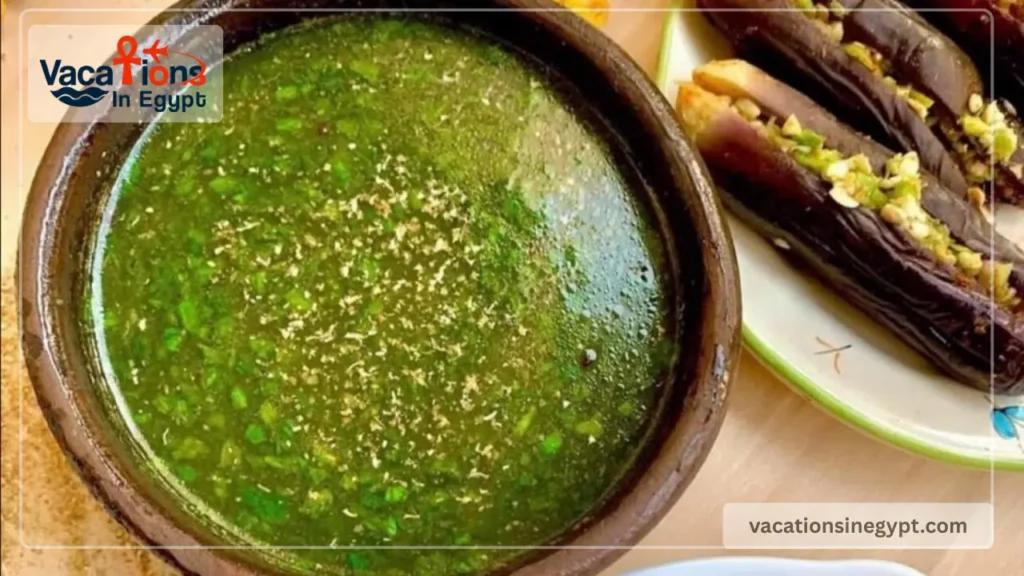
- Molokhiya (jute leaf soup)
- Kofta (minced meat skewers)
- Mahshi (stuffed vegetables)
09 —The National Museum of Egyptian Civilization (NMEC)
The National Museum of Egyptian Civilization in Fustat is one of Cairo’s newest and most significant cultural institutions. Its centrepiece is an extraordinary gallery of 22 royal mummies. Transferred from the Egyptian Museum in Tahrir Square. To their permanent home here — among them Ramesses II, Seti I, Hatshepsut, and Ahmose-Nefertari.
The museum traces Egyptian civilisation from prehistoric times to the modern era, offering a scope and depth unavailable anywhere else in the country. Seeing the royal mummies up close is widely regarded. As, one of the most powerful experiences available to any traveller in Egypt.
Egypt’s tourism landscape extends far beyond what any single guide can cover. Aswan and Luxor alone — with their temples, tombs, and monuments — would fill a separate itinerary entirely. What this guide offers is a starting point: a map into a country where history is not confined to museums, but written into the cities, rivers, food, and daily life of everyone who lives there.