
Medical Tourism in Egypt
Medical tourism in Egypt is one of the country’s oldest and most distinctive forms of travel. Long before modern medicine, Egypt’s natural environment — its mineral-rich waters, sulfur springs, therapeutic sands, and unique desert climate — was recognized for its remarkable healing properties.
Today, Egypt is ranked among the top 46 global destinations in the Medical Tourism Index (2020–2021), drawing visitors from across the world seeking natural remedies for conditions ranging from rheumatoid arthritis and skin disorders to respiratory illnesses and chronic pain. What makes Egypt particularly appealing is the combination of world-class natural therapies, a warm and varied climate, and treatment costs significantly lower than those found in Europe or North America — all set against a backdrop of extraordinary historical and cultural richness.
Why Egypt Is a Top Destination for Medical Tourism
Egypt’s appeal as a medical tourism destination rests on several distinct advantages:
Natural therapeutic resources are found across the entire country — in its oases, rivers, desert sands, hot springs, and coastal waters. These environments offer proven relief for conditions including rheumatism, psoriasis, kidney stones, skin diseases, and respiratory problems, often without the need for pharmaceutical intervention.
Climate diversity plays a major role. From the dry desert heat of the Western Oases to the mineral-rich coastal air of the Red Sea and Gulf of Suez, Egypt’s varied microclimates create naturally therapeutic environments that are difficult to replicate elsewhere.
Affordability is another key factor. Medical and wellness treatments in Egypt cost a fraction of what the same therapies would cost in Western countries, making it an accessible option for international visitors.
Finally, cultural and historical richness means that medical tourists never have to choose between healing and exploration — the two go hand in hand throughout Egypt.
Best Places for Medical Tourism in Egypt
Siwa Oasis
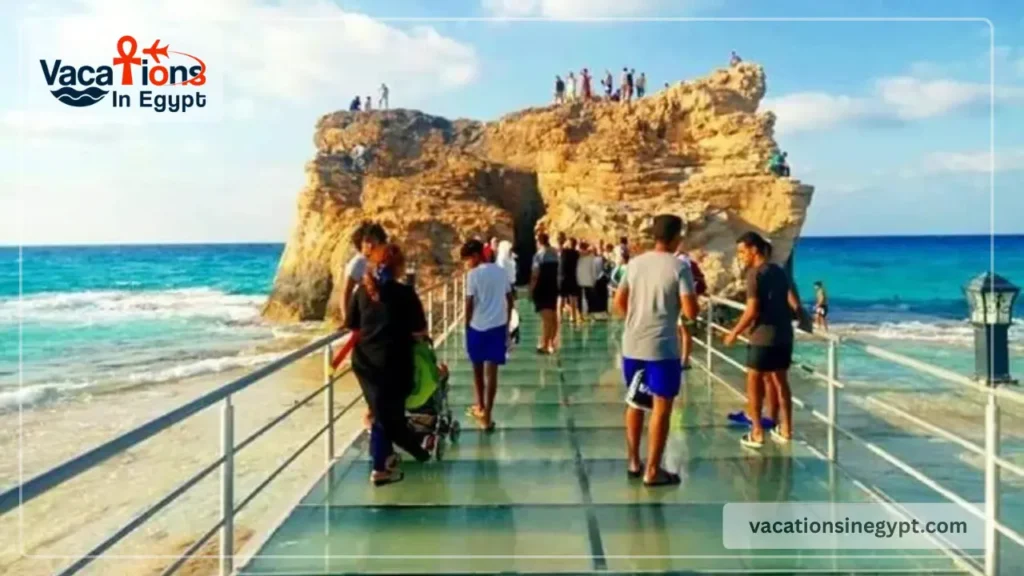
Located in the heart of Egypt’s Western Desert, Siwa Oasis sits in a natural depression approximately 18 meters below sea level and is one of the country’s most extraordinary wellness destinations. Surrounded by 230 freshwater springs, the oasis offers a variety of natural bathing experiences including the famous Cleopatra’s Bath (also known as the Spring of the Sun) — a naturally bubbling pool said to have been favored by the legendary queen herself.
Other notable springs include Ain Safi, Ain Abu Sharouf, and Ain El-Zeitoun, each with distinct mineral compositions. The combination of fresh spring water, pure desert air, and peaceful palm groves makes Siwa one of the most restorative places in all of Egypt.
Bahariya Oasis

Covering approximately 2,000 square kilometers in the Western Desert, Bahariya Oasis is surrounded by over 400 cold and warm sulfur water springs. These mineral-rich waters are widely recognized for their ability to treat skin conditions, rheumatism, and joint pain.
The oasis also borders the dramatic Black Desert — a landscape of dark volcanic rock formations — and features warm sand dunes used for traditional sand therapy treatments. Olive groves, date palms, and a sense of timeless desert tranquility complete the picture.
Kharga Oasis
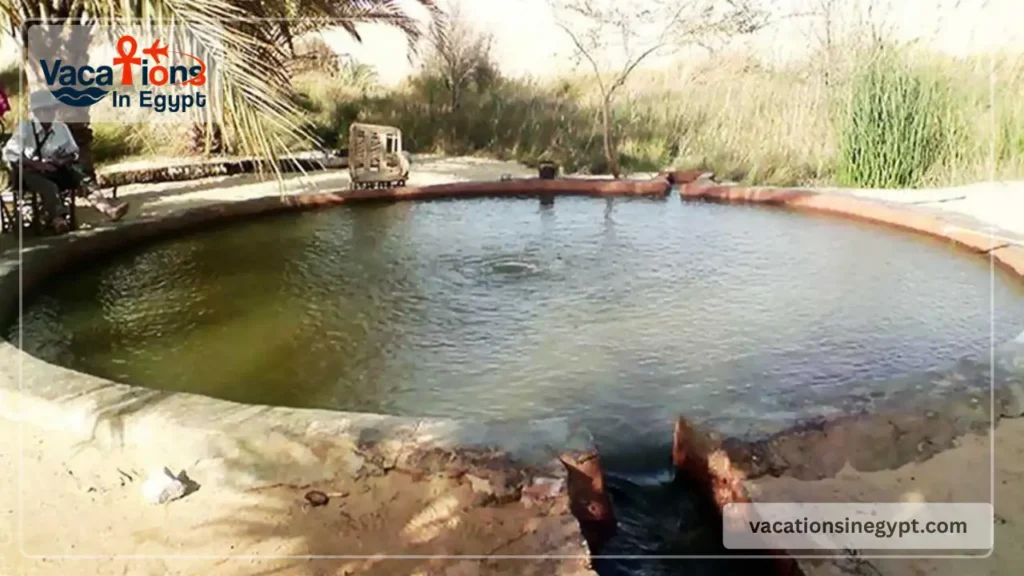
Situated approximately 200 km west of Luxor, Kharga Oasis is the largest of Egypt’s western oases and an important center for natural healing. Its deep natural water wells — most notably the Bulaq Wells and Nasser Wells — are widely used to treat kidney stones, chronic pain, and psoriasis.
Beyond its therapeutic value, Kharga also offers significant archaeological interest, including the ancient Temple of Hibis and sweeping palm groves that provide a peaceful backdrop for recuperation.
Aswan
The southern city of Aswan offers a uniquely powerful combination of black sand, saltwater, and intense UV sunlight that has long been used to treat a variety of conditions. Its location on the banks of the Nile River creates a particularly clean and calming environment for patients suffering from respiratory illnesses, while the dry desert heat provides natural relief for those with joint and muscle conditions.
Aswan is also home to some of Egypt’s most iconic monuments — including the Philae Temple, Abu Simbel, and the Aswan Dam — making it ideal for combining medical treatment with cultural exploration.
Farafra Oasis and the White Desert
Farafra Oasis, located deep in the Western Desert, is one of Egypt’s most serene and least-visited destinations. Its standout feature is a natural hot spring with deep mineral-rich waters at a constant temperature of around 24C — ideal for relaxation and gentle hydrotherapy.
Just beyond the oasis lies the otherworldly White Desert, a landscape of chalk-white rock formations sculpted by centuries of wind erosion. The combination of clean desert air, mineral water, and extraordinary natural scenery makes Farafra a compelling destination for those seeking peace, rest, and natural healing.
Fayoum Oasis
Located just 100 km southwest of Cairo, Fayoum is one of Egypt’s most accessible natural retreats. Its therapeutic offerings include healing sand dunes and mineral-rich waters, set within a landscape that also features Lake Qarun, the stunning Wadi El-Rayan Waterfalls, and the remarkable Valley of the Whales (Wadi Al-Hitan) — a UNESCO World Heritage Site containing fossils of prehistoric whales.
Fayoum’s proximity to Cairo makes it a practical choice for visitors looking to combine a short medical tourism experience with exploration of the capital.
Ras Sedr and Moses’ Springs (Sinai Peninsula)
On the southern tip of the Sinai Peninsula, along the shores of the Gulf of Suez, Ras Sedr is known for its pristine sandy beaches and the famous Moses’ Springs (Uyun Musa) — a cluster of five natural sulfur springs with deep religious and historical significance, believed to be the springs where Moses and the Israelites camped after crossing the Red Sea.
The sulfur-rich waters here are prized for their therapeutic properties, offering natural relief for skin conditions and joint inflammation. The area also supports water sports and windsurfing, making it appealing for active medical tourists combining treatment with recreation.
Pharaoh’s Bath (Hammam Firaoun)
One of Egypt’s most extraordinary natural wonders, Pharaoh’s Bath is located approximately 250 km from Cairo on the Gulf of Suez. Here, warm sulfur springs at temperatures around 27C emerge directly from an underground cave system, creating a natural rock sauna unlike anything else in the region.
The warm, mineral-laden waters are highly effective for treating rheumatism, skin conditions, and muscle pain, and the dramatic underground setting makes the experience as memorable as it is therapeutic.
The Red Sea Coast
Egypt’s Red Sea coastline offers one of the world’s richest marine environments, and its therapeutic potential extends far beyond the beaches. Across 16 dedicated natural treatment sites, visitors can access seawater therapies, mineral baths, and thalassotherapy treatments targeting conditions including rheumatism, psoriasis, and respiratory disorders.
The clean sea air, warm shallow waters, and extraordinary marine biodiversity of the Red Sea create an environment that is as restorative for the spirit as it is beneficial for the body.
Medical Tourism vs. Wellness Tourism in Egypt
It is worth distinguishing between two overlapping but distinct experiences Egypt offers. Medical tourism in the traditional sense involves visiting specific sites — oases, springs, and therapeutic sand locations — for the treatment of diagnosed conditions under natural influences. Wellness tourism, on the other hand, focuses on relaxation, stress relief, and preventative health — something Egypt’s beaches, desert landscapes, and spa resorts offer in abundance.
Many visitors to Egypt naturally combine elements of both, recovering from illness or chronic conditions while also enjoying the profound mental and emotional restoration that comes from being immersed in one of the world’s most ancient and beautiful landscapes.
Key Medical Tourism Destinations at a Glance
- Destination Key Therapy Conditions Treated
- Siwa Oasis Freshwater mineral springs Relaxation, skin health, general wellness
- Bahariya Oasis Sulfur springs, sand therapy Rheumatism, skin conditions, joint pain
- Kharga Oasis Deep mineral wells Kidney stones, chronic pain, psoriasis
- Aswan Black sand, saltwater, UV sun Respiratory illness, joint conditions
- Farafra Oasis Hot mineral springs Relaxation, hydrotherapy
- Fayoum Sand dunes, mineral water Stress relief, general wellness
- Ras Sedr / Moses’ Springs Sulfur springs Skin conditions, joint inflammation
- Pharaoh’s Bath Warm underground sulfur springs Rheumatism, skin, muscle pain
- Red Sea Coast Seawater, thalassotherapy Rheumatism, psoriasis, respiratory health
Frequently Asked Questions
What is medical tourism in Egypt?
What conditions can be treated through medical tourism in Egypt?
Is medical tourism in Egypt affordable?
What is the best oasis for medical tourism in Egypt?
What is Pharaoh's Bath and how does it help?
Can I combine medical tourism with sightseeing in Egypt?
Is Egypt ranked as a global medical tourism destination?
- Saqqara New Discovery
- Romantic Honeymoon Vacation In Egypt
- Queen Cleopatra VII: The Last Pharaoh of Ancient Egypt
- Best Spots for Diving in Egypt
- Islamic History in Egypt
- New Alamein City
- Mousa Mountain: Unwind in Nature’s Tranquility
- Nefertiti
- Giftun Island: A Portrayal of Lagoon in Egypt
- The Majestic Pyramids of Cheops