Cairo Points of Interest That Are Actually Worth Your Time
Cairo is one of the world’s most fascinating cities — layered with ancient history, vibrant streets, and cultural landmarks that tell the story of Egypt across thousands of years. While the city offers countless attractions, the most rewarding experiences often come from slowing down and choosing places that create real connection and understanding.
Travelers who enjoy Cairo the most are rarely the ones rushing from one site to another. Instead, they focus on meaningful experiences, spend time absorbing the atmosphere, and explore locations that reveal both the spirit of modern Cairo and the depth of its past. A well-planned visit turns the city from overwhelming into unforgettable.
This guide focuses on the Cairo points of interest that genuinely repay your time — starting with the cultural core around Tahrir Square and the Egyptian Museum, and building outward from there.
Why Central Cairo Offers the Best Cultural Context
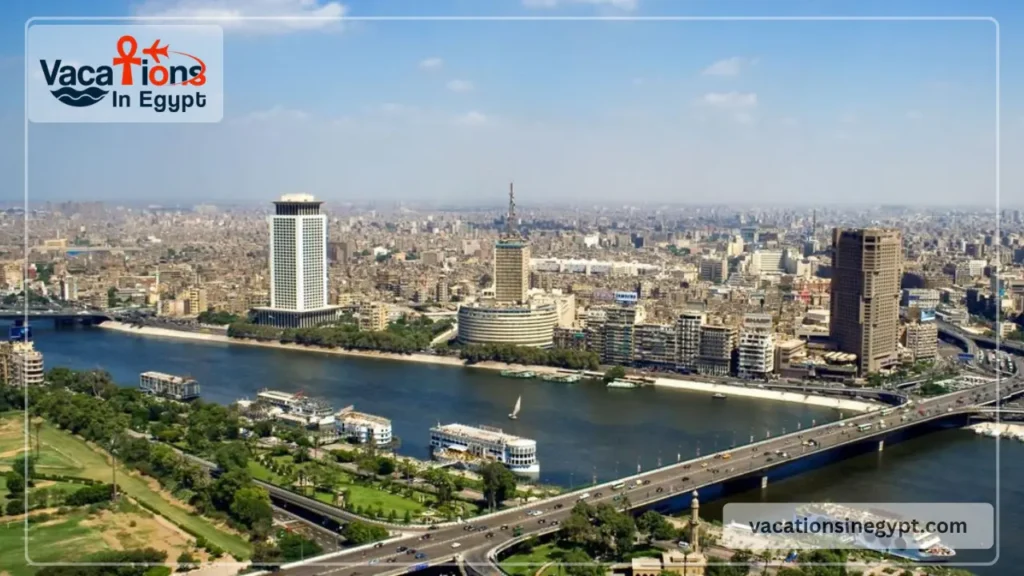
Not all Cairo neighborhoods offer the same depth of experience. Central Cairo — the area surrounding Tahrir Square, the Nile Corniche, and the historic Downtown district — sits at the crossroads of ancient civilization and living Egyptian identity.
This matters more than most visitors realize. When you explore a city from its cultural center, you gain context that makes every other site more meaningful.
Here’s what sets central Cairo apart:
- Geographic density. Major landmarks sit within walking distance or a short taxi ride of each other. You can move from a world-class museum to a historic café to a political monument in a single afternoon.
- Layered history. Ancient, colonial, and modern Egypt all exist in the same city blocks. That compression of time is itself a kind of education.
- Everyday atmosphere. Central Cairo pulses with real life — commuters, street vendors, students, and families. No resort or curated tourist zone can replicate this texture.
- Logistical convenience. The best local guides, transport links, and visitor infrastructure are concentrated here.
If you’re short on time — and most visitors are — rooting yourself in central Cairo gives you the highest return on every hour you spend.
Which Cairo Points of Interest Offer the Most Meaning in One Area?
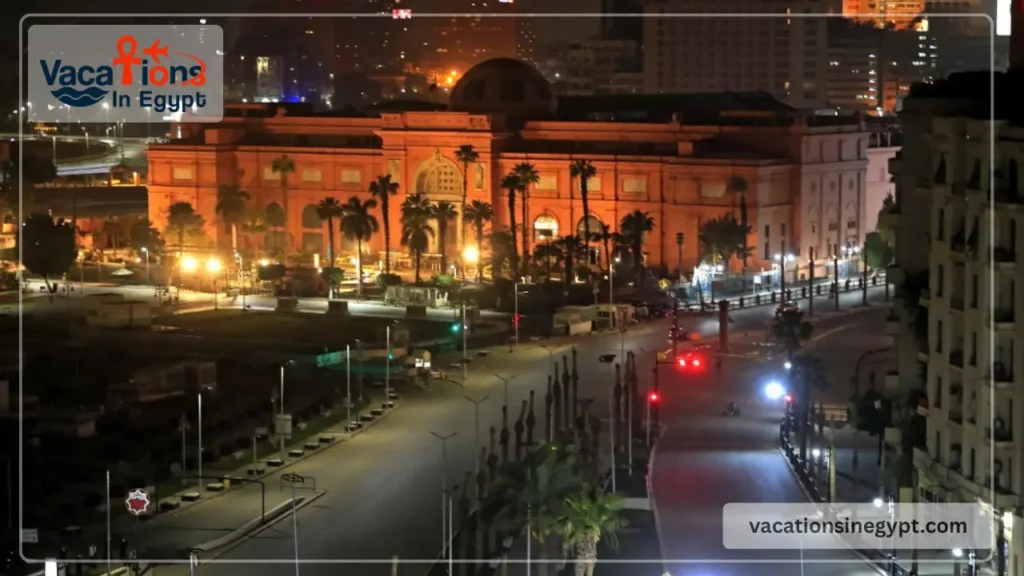
The cluster around Tahrir Square is one of the most culturally dense areas in the world. Within a short radius, you’ll find:
The Egyptian Museum — over 120,000 artifacts spanning thousands of years of ancient Egyptian civilization, including the treasures of Tutankhamun.
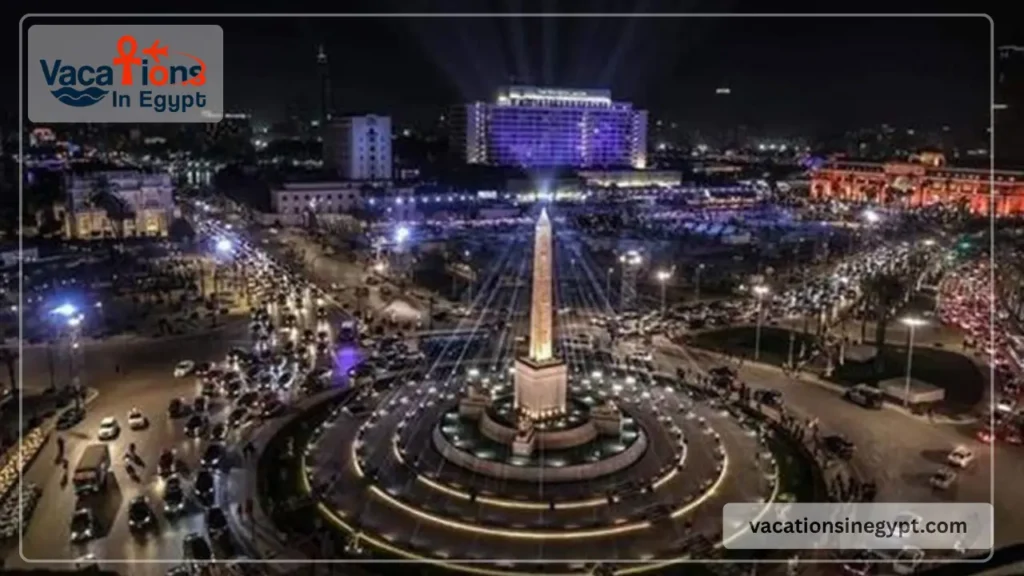
Tahrir Square — the symbolic heart of modern Egypt and the site of the 2011 revolution that reshaped the region.
The Nile Corniche — a riverside promenade offering perspective on Cairo’s scale, pace, and relationship with the river that built it.
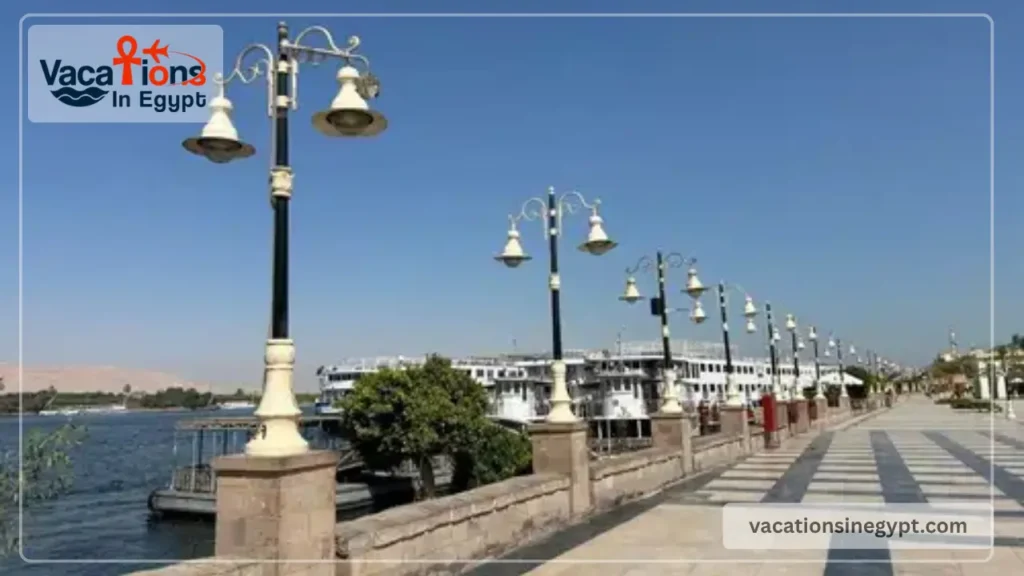
Downtown Cairo’s architecture — a remarkable mix of 19th-century Khedival planning, Art Deco facades, and modernist construction from later decades.
Garden City — just south of Tahrir, a quieter residential neighborhood with beautiful early 20th-century buildings and embassies tucked between leafy streets.
Spending a full day or two in this area — on foot, without rushing — will teach you more about Egypt than a whirlwind itinerary spread across the whole city.
Why Tahrir Square Matters Beyond Tourism
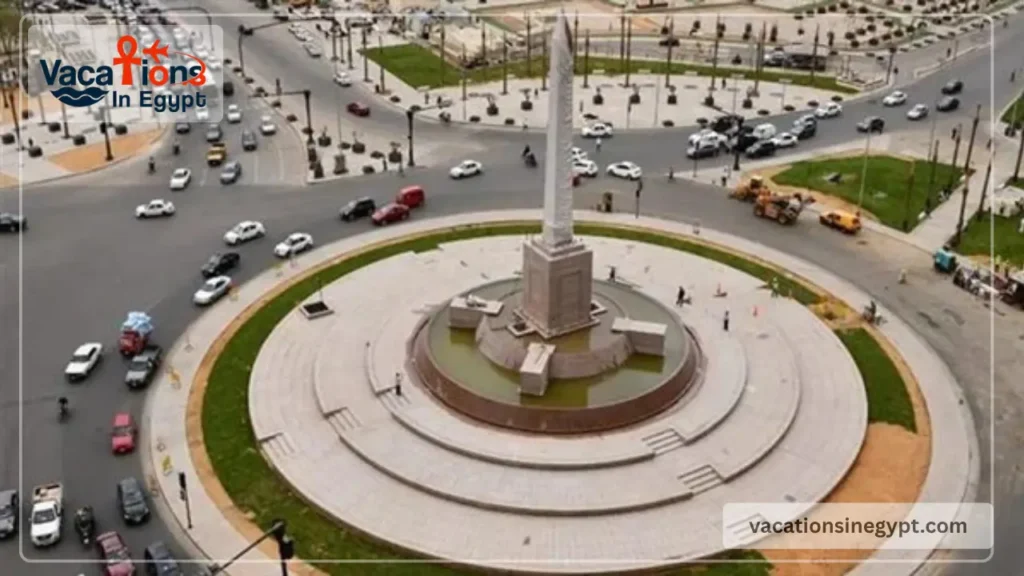
Tahrir Square — Midan Tahrir in Arabic, which translates as Liberation Square — is far more than a traffic roundabout or a landmark to photograph and move on from.
It is the emotional and political center of modern Egypt.
International audiences came to know Tahrir Square during the 2011 uprising, when millions of Egyptians gathered here to demand an end to the Mubarak government. The images that came out of those weeks circled the globe. But the square’s significance didn’t begin or end there.
For generations, Tahrir has served as the place Egyptians gather when it matters — for national celebrations, political protests, and moments of collective mourning. Standing in the square, you’re not simply looking at urban infrastructure. You’re standing somewhere that has absorbed decades of shared Egyptian experience.
Understanding this changes how you approach the Egyptian Museum, which faces the square directly. The museum doesn’t exist in isolation from contemporary Egypt. It exists in relationship with it — a repository of what came before, sitting in the shadow of everything that’s happened since.
That connection is worth sitting with before you walk through the doors.
What Makes the Egyptian Museum Still Worth Visiting?
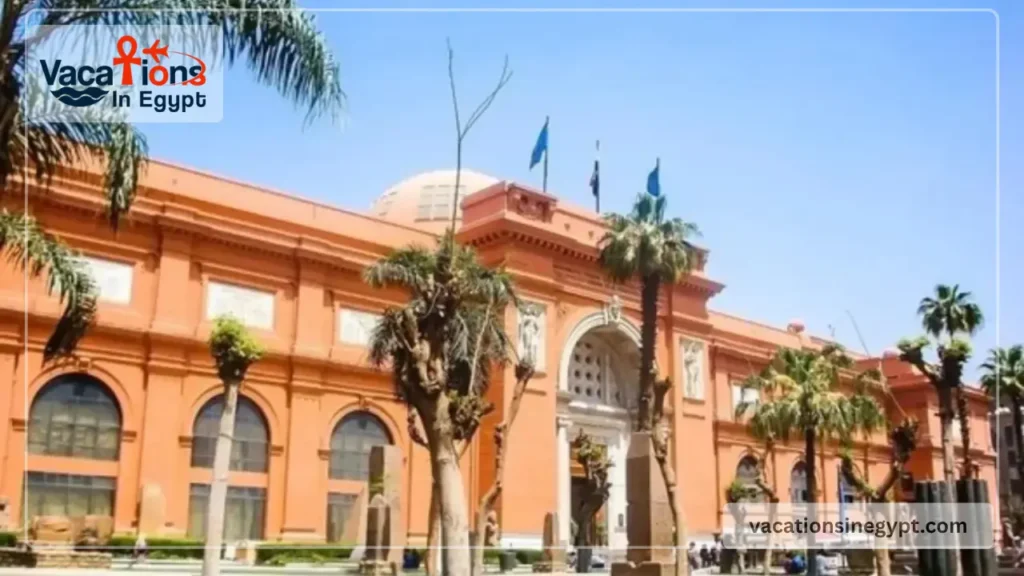
Egypt’s Grand Egyptian Museum near Giza has drawn enormous attention since its phased opening. It is state-of-the-art, spacious, and designed for the modern visitor. So why does the older Egyptian Museum on Tahrir Square still deserve your time?
Because nothing replaces what’s actually there.
The Tahrir museum holds over 120,000 objects — including artifacts that don’t yet have a home in the newer facility. More importantly, the collection tells the story of Egyptian archaeology as a discipline: discoveries layered over more than a century, objects that have traveled, survived wars, and outlasted empires.
What you’ll find that still justifies the visit:
- The Tutankhamun galleries. The boy king’s treasures — including his iconic gold funerary mask — remain among the most astonishing objects ever recovered from the ancient world.
- The Royal Mummy Room. Coming face to face with the preserved remains of pharaohs who shaped history is a genuinely affecting experience.
- Sheer volume and variety. Even a focused two-hour visit will surface objects that stop you mid-step.
Yes, the building shows its age. The lighting in some rooms is dim, the labeling inconsistent, and the layout can feel disorienting. But these imperfections are part of the experience. You are walking through a museum that has itself become history.
How to Explore Cairo Museums Without Feeling Overwhelmed
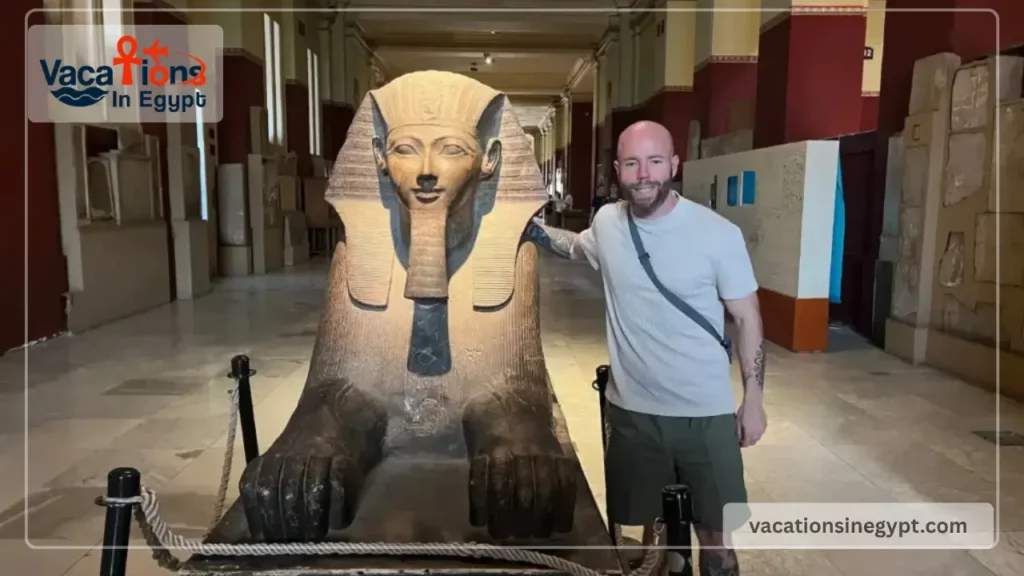
The single biggest mistake visitors make in Cairo’s museums is trying to see everything.
It’s not possible. And attempting it leaves you exhausted, overstimulated, and unable to remember much of what you actually saw.
A far better approach is to choose a focus before you arrive. This isn’t settling for less — it’s how experienced historians and museum professionals actually work.
Practical strategies for managing museum visits in Cairo:
Pick two or three themes and follow them. Ancient writing and hieroglyphs. Funerary practices and the afterlife. The New Kingdom period. Daily life in ancient Egypt. Choose what genuinely interests you and navigate toward those galleries with intention.
Give yourself permission to walk past things. You don’t owe every artifact your attention. Moving quickly through what doesn’t speak to you means you arrive at what does with more energy and focus.
Build in rest. Sit down. Look up. Take notes or photographs if it helps you process. Museum fatigue is real, and pushing through it produces diminishing returns fast.
Visit early. Crowds build steadily through the morning. Arriving at opening gives you better light, more space, and a quieter atmosphere for the first hour or two.
Don’t skip the garden. The Egyptian Museum’s outdoor garden contains large-scale artifacts that most visitors walk straight past. It’s quieter, cooler in the mornings, and worth fifteen unhurried minutes.
Why Focused Museum Visits Create Better Experiences
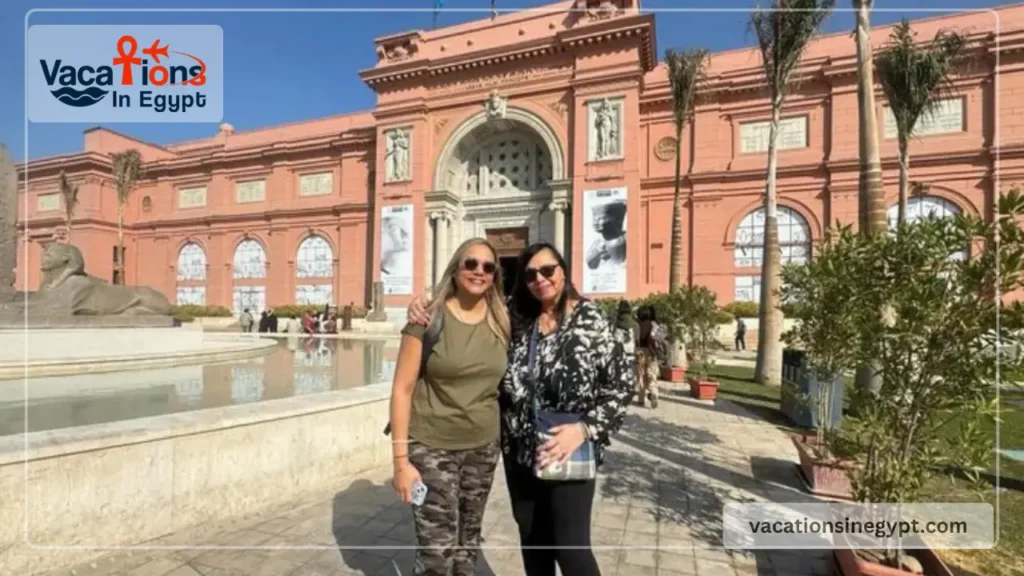
There’s good reason why experienced travelers and researchers approach museums selectively rather than comprehensively: focused attention produces stronger memory and deeper engagement than trying to cover everything.
When you attempt to absorb too much, the brain defaults to surface-level processing. Objects begin to blur. The ancient and the extraordinary start to feel ordinary simply because they’re arriving in too much volume, too fast.
But when you slow down — when you spend fifteen minutes with a single artifact, really look at it, think about who made it and why — something different happens. The object becomes real. Its age becomes imaginable. The person behind it starts to take shape.
That’s the experience worth having in Cairo’s museums. Not the one where you saw the most objects, but the one where a handful of specific things genuinely moved you.
Focused visits also leave room for the unexpected — the object you didn’t plan to see, the room you wandered into by accident, the detail that catches your eye. Overscheduled itineraries close off exactly the moments that tend to matter most.
When a Guided Egyptian Museum Tour Makes Sense
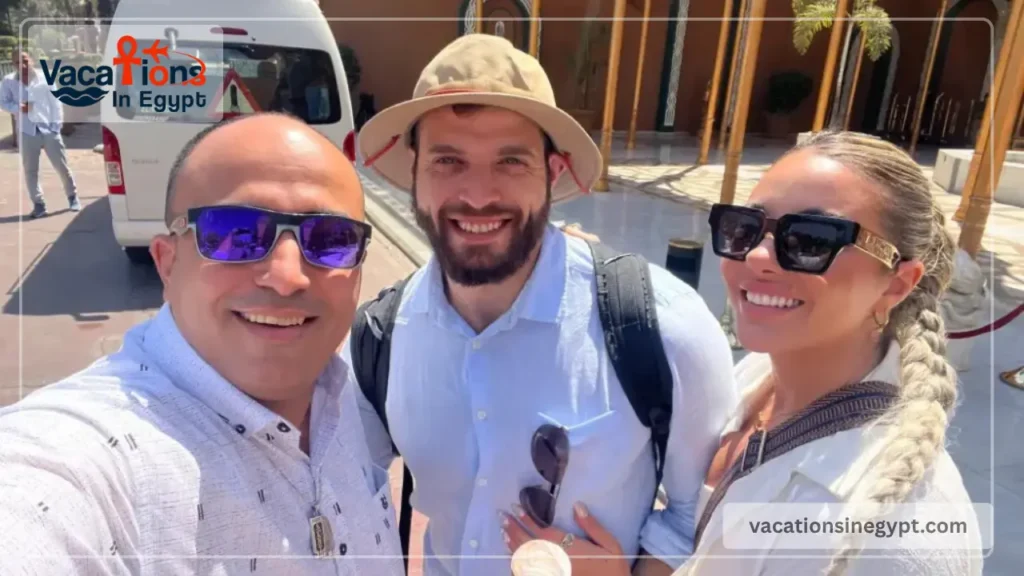
Visiting the Egyptian Museum independently is entirely viable — and for some travelers, the freedom to wander at your own pace is exactly right.
But a guided Egyptian Museum tour adds genuine value in specific situations:
You have limited time. A knowledgeable guide takes you directly to the most significant pieces and provides context that would take hours to gather from signage alone. A focused two-hour guided tour can outperform a four-hour solo visit.
You want historical depth. The best Cairo guides have studied Egyptology and can explain not just what an object is, but what it meant, how it was made, and what it tells us about the civilization that created it.
You’re traveling with a group. A guide keeps everyone engaged and moving, and can calibrate the experience for different levels of prior knowledge within the same party.
It’s your first visit. Your first encounter with a collection this large benefits from curation. You can always return independently once you know the layout and have a clearer sense of what you want to revisit.
When selecting a guide, look for someone affiliated with a licensed tour operator — ideally with specific training in Egyptology or archaeology rather than general tourism. Ask in advance what the tour will prioritize. The answer tells you a great deal about how much they actually know.
Practical Ways to Experience Cairo More Efficiently
Cairo rewards preparation. A few logistical decisions made before you arrive will save significant time and energy on the ground.
Book tickets in advance. Popular sites develop long queues, especially during peak season (October through April). Booking online — where available — means you skip the line and guarantee entry on the day you’ve planned.
Use Uber or Careem rather than unmarked taxis. Both apps work reliably across Cairo, prices are agreed before you book, and the experience is considerably less stressful than negotiating fares in an unfamiliar city.
Carry cash in Egyptian pounds. Many smaller vendors, cafés, and ticket windows don’t accept cards. ATMs are available in central Cairo but can run dry during busy periods — withdraw what you need early.
Dress modestly. This is practical as much as cultural — loose, light layers reduce unwanted attention and are required for entry to many religious sites. They also keep you cooler in the heat.
Plan around the temperature. In summer, midday heat makes outdoor exploration genuinely difficult. Start early, rest during the hottest hours, and resume in the late afternoon when the city comes back to life.
Arrange guides through reputable operators in advance. Walk-up guides outside major sites vary enormously in quality and accuracy. A pre-booked guide from a licensed operator offers accountability, consistency, and peace of mind.
Helpful Tips from Local Travel Experts
Experienced Cairo-based guides and travel consultants consistently share the same advice — and most of it never makes it into standard tourist literature.
“Don’t leave Tahrir without sitting somewhere and watching.” The square changes completely depending on the time of day. Morning, afternoon, and evening offer three entirely different atmospheres. Give yourself time to observe, not just photograph.
“The second floor of the Egyptian Museum is where most visitors run out of energy — which means it’s quieter.” The Tutankhamun galleries are up there. Pace yourself on the ground floor so you arrive with attention and energy intact.
“Ask your guide what they find most overlooked.” Every experienced guide has a favorite corner of the museum or a street-level detail that tourists routinely miss. The answer is usually more interesting than anything on the standard itinerary.
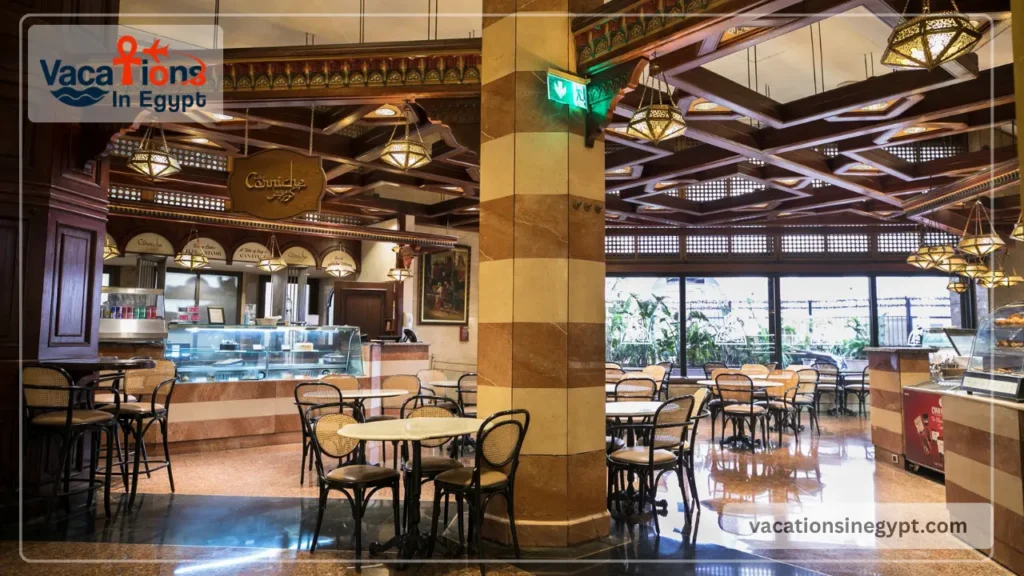
“Eat where Egyptians eat.” Restaurants immediately surrounding tourist sites are almost universally overpriced. Walk two or three streets away and the quality improves dramatically alongside the prices.
“Friday mornings are the quietest time at major sites.” Much of Cairo attends Friday prayers, which creates a brief window of relative calm at otherwise busy attractions — a window worth planning around.
How to Choose Cairo Attractions That Truly Add Value
With so many sites competing for your attention and so many operators competing for your money, a clear framework for decision-making helps.
Ask these questions about any Cairo attraction you’re considering:
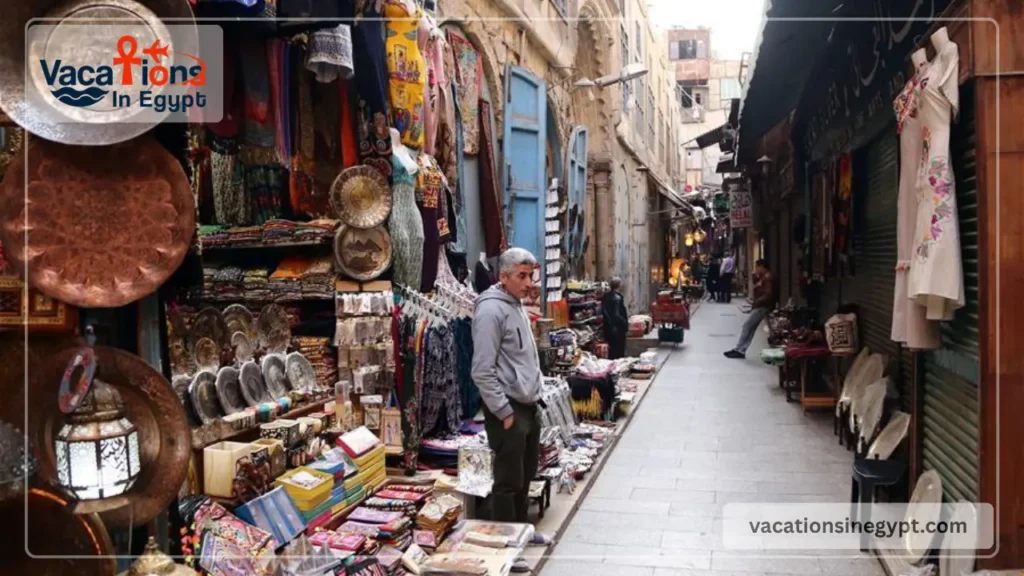
Does it offer something I genuinely can’t find elsewhere? The Egyptian Museum’s collection is unique in the world. The Pyramids at Giza are irreplaceable. Khan el-Khalili bazaar offers a particular kind of sensory experience no photograph quite captures. Generic “cultural shows” and staged tourist experiences rarely pass the same test.
Does it connect to something I actually care about? Travel aligned with your real interests — history, architecture, food, religion, art — produces richer experiences than travel driven by obligation or what’s trending on social media.
Is there meaningful context available? A site without interpretation is harder to absorb. If you’re going independently, read about it beforehand. If you’re going with a guide, choose one who provides context, not just narration.
Does the itinerary allow real time per site? If you’re being moved between five locations in a single day, you’re probably not going deep enough into any of them. A tighter itinerary with more time at each stop almost always produces better results.
Cairo is generous with travelers who approach it thoughtfully. The city has thousands of years of history to share, and the points of interest that matter most are the ones you actually experience — not just the ones you visited.
Planning a trip to Cairo? Focus on fewer sites, go deeper into each one, and leave room for the unexpected. That’s where the memories worth keeping get made.