King Thutmose II
King Thutmose II was the fourth ruler of Egypt’s powerful Eighteenth Dynasty. Although his reign is often overshadowed by other famous pharaohs, he played an important role during a key period in ancient Egyptian history. Many historians also connect his rule with the rise of Queen Hatshepsut, who became one of Egypt’s most remarkable leaders.
This article explores the life, family, achievements, and burial of king thutmose ||.
Who Was King Thutmose II?
King Thutmose II was the son of Thutmose I and Queen Mut-Neferet. He became pharaoh at a relatively young age and ruled Egypt during the early New Kingdom period.
To strengthen his position on the throne, he married his royal half-sister Hatshepsut, the daughter of Thutmose I. Their marriage was a political alliance that helped secure legitimacy for his kingship.
The Role of Hatshepsut During His Reign
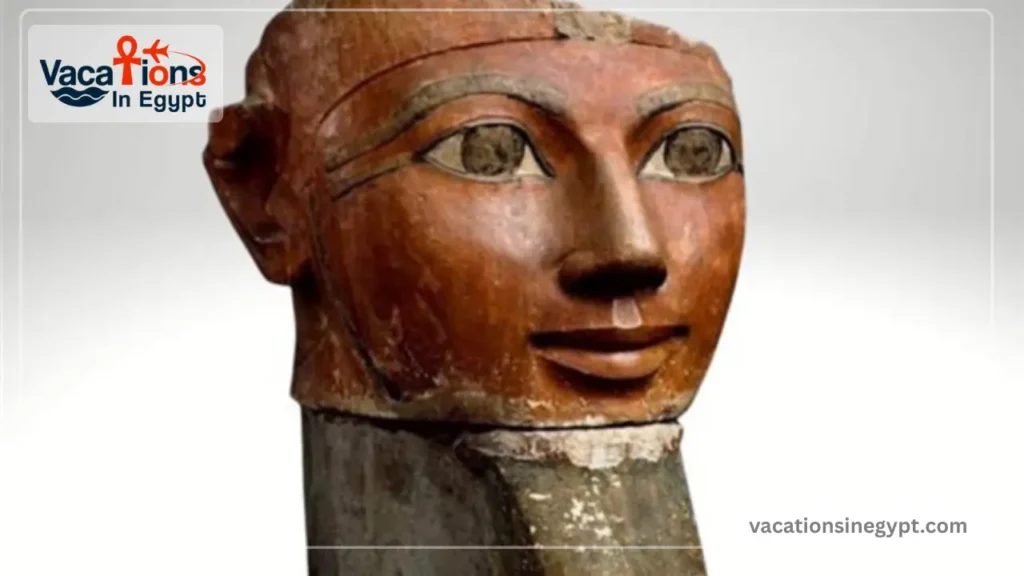
One of the most notable aspects of Thutmose II’s reign was the influence of Queen Hatshepsut. Many scholars believe she held real authority behind the throne.
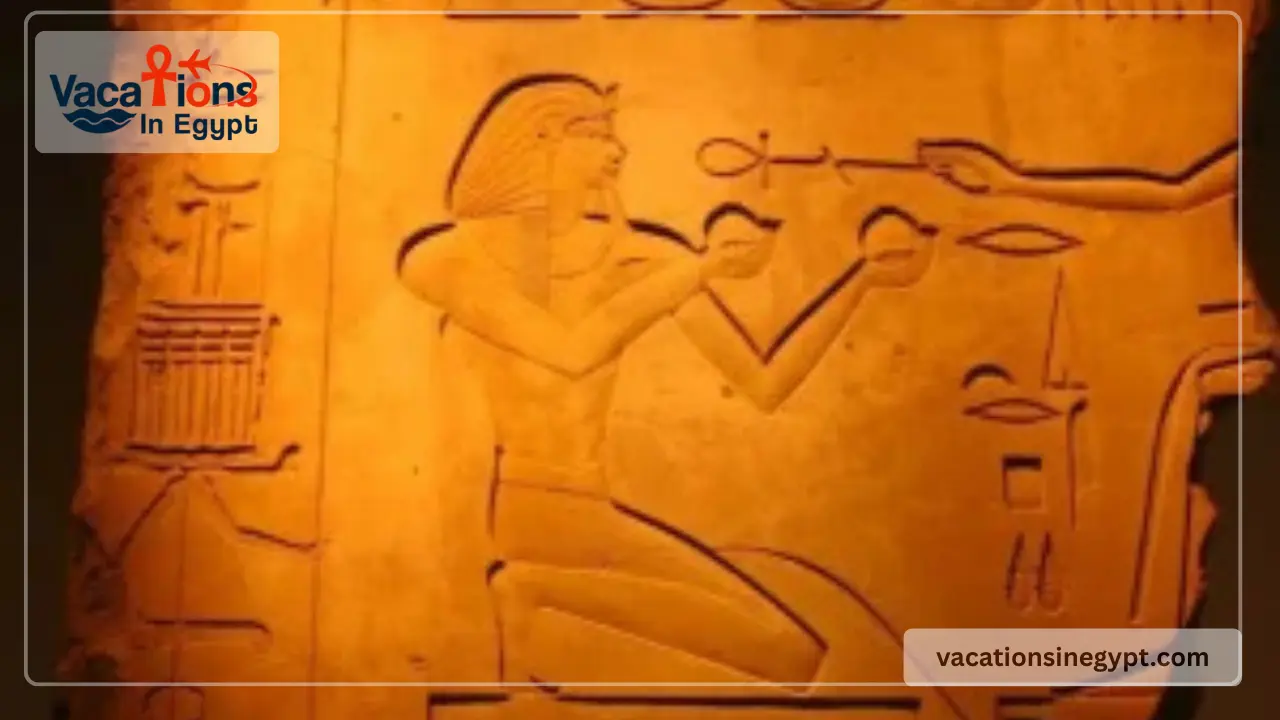
Scenes from the Karnak Gate show Hatshepsut appearing alongside Thutmose II and sometimes even alone, suggesting her strong political presence during his rule.
This period marks the beginning of Hatshepsut’s rise to power, making king thutmose || an essential figure in understanding her legacy.
Family of King Thutmose II
Thutmose II’s royal family played a major role in Egypt’s dynastic succession:
- He married Queen Hatshepsut
- Together, they had a daughter named Neferu Ra
- He also fathered a male heir, the future pharaoh Thutmose III, through another wife
Thutmose III would later become one of Egypt’s greatest warrior kings.
Length of Thutmose II’s Rule
Historians debate how long Thutmose II ruled Egypt:
- Some sources suggest 13 years
- Others believe his reign lasted only 3 years
The uncertainty comes from limited records and the fact that Hatshepsut later celebrated jubilees that complicated the historical timeline.
Regardless of the exact length, his reign was relatively short compared to other rulers of the dynasty.
Thutmose II’s Mummy and Burial Chamber
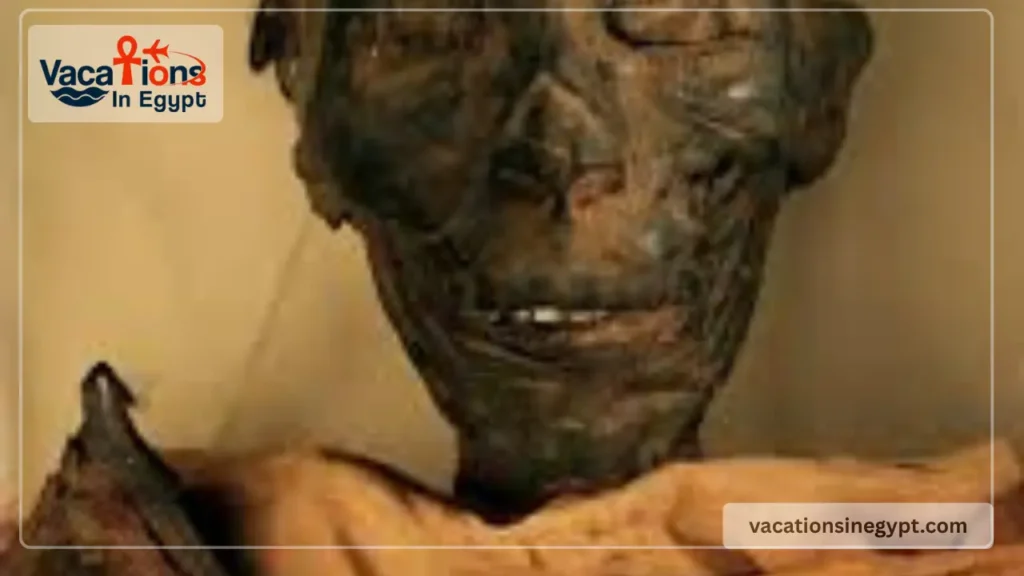
The tomb of Thutmose II has never been positively identified. However, his mummified body was discovered in the royal cache at Deir el-Bahari.
The mummy was found in poor condition, likely due to tomb robbers:
- His right leg had been severed
- His body showed signs of skin disease
- He appeared physically weak and thin
The mummy also resembled Thutmose I in facial structure and head shape.
Achievements of King Thutmose II
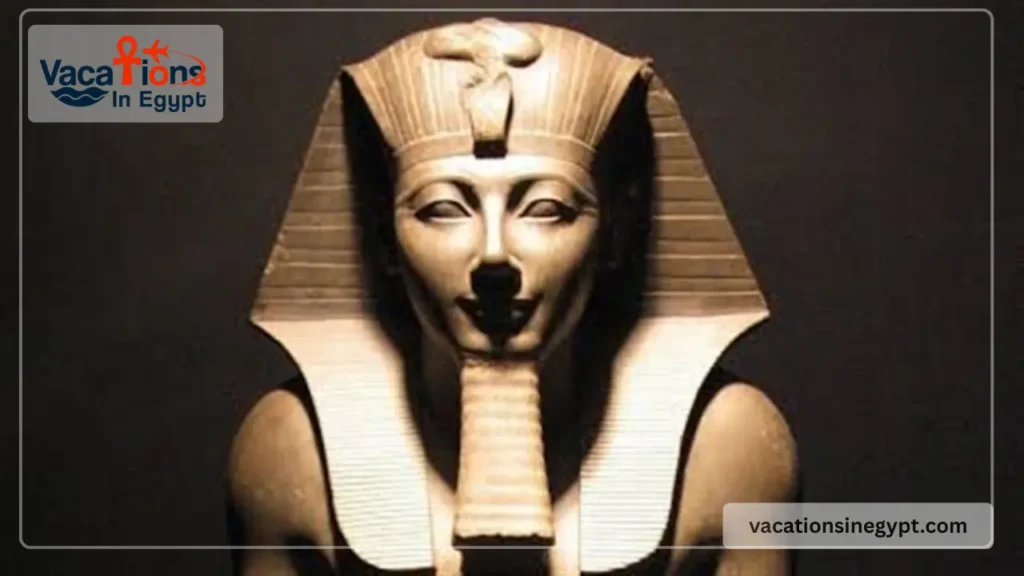
Although his reign was short, Thutmose II accomplished several military and architectural efforts:
Military Campaigns
- Sent troops to Nubia, fully subjugating the region
- Led campaigns against Bedouin tribes in southern Palestine
- Military forces reportedly traveled as far as Syria
Most campaigns were carried out by generals, suggesting Thutmose II may have been too young or unwell to lead personally.
Building Projects
- Constructed a limestone entrance at Karnak Temple
- Some of his monuments were completed later under Thutmose III
Interesting Facts About King Thutmose II
Here are some key facts about king thutmose ||:
- He launched successful campaigns against Bedouin tribes
- His name was later disputed, as Hatshepsut attempted to replace royal inscriptions with her own
- His mummy was discovered in 1886 at Deir el-Bahari
- He fought the Shasu Bedouins in Sinai, according to historical records
- His name appears on monuments in several locations, including:
- Stone blocks at the Temple of Coptos
- Inscriptions about Nubian campaigns
- Columns in Hatshepsut’s temple at Deir el-Bahari
Conclusion: The Legacy of King Thutmose II
Not much is known about Thutmose II compared to other Egyptian pharaohs, and his tomb remains undiscovered. However, his reign is significant because it served as a transition period before the powerful rule of Hatshepsut and the military dominance of Thutmose III.
Despite limited evidence, king thutmose || remains an important figure in the history of Egypt’s Eighteenth Dynasty.