Sinai Peninsula
The Sinai Peninsula is one of Egypt’s most unique regions, famous for its breathtaking landscapes, deep religious importance, and rich history. Although Egypt is mostly located in Africa, Sinai is the part of the country that lies in Asia, making it a bridge between two continents. Covering an area of around 60,000 km², the Sinai Peninsula is shaped like an inverted triangle and is considered one of the most fascinating travel destinations in the Near East.
Where Is the Sinai Peninsula Located?
The Sinai Peninsula is situated in northeastern Egypt, between:
- The Mediterranean Sea to the north
- The Red Sea to the south
- The Gulf of Suez to the west
- The Gulf of Aqaba to the east
It serves as a strategic crossroads connecting Africa and Asia.
Meaning and Importance of Sinai
The name Sinai is believed to mean “Land of the Moon,” derived from Sin, the ancient Mesopotamian moon god.
Today, Sinai is home to:
- Around 70,000 people in the south
- More than 300,000 people in the north
The population is largely made up of Bedouin tribes, with major towns including:
- Taba
- El Arish
- Sharm El Sheikh
Sharm El Sheikh is especially famous as a world-class Red Sea resort destination.
Geography of the Sinai Peninsula
The Sinai Peninsula has two very distinct landscapes:
Northern Sinai
- Sandy deserts
- Flat terrain
- Dunes and fossil beaches
- Dry riverbeds known as wadis
Southern Sinai
- Rugged mountain ranges
- Peaks rising above 2,000 meters
- Granite and volcanic rock formations
The highest peak is Mount Catherine, reaching 2,642 meters above sea level.
Mount Sinai: A Sacred Landmark
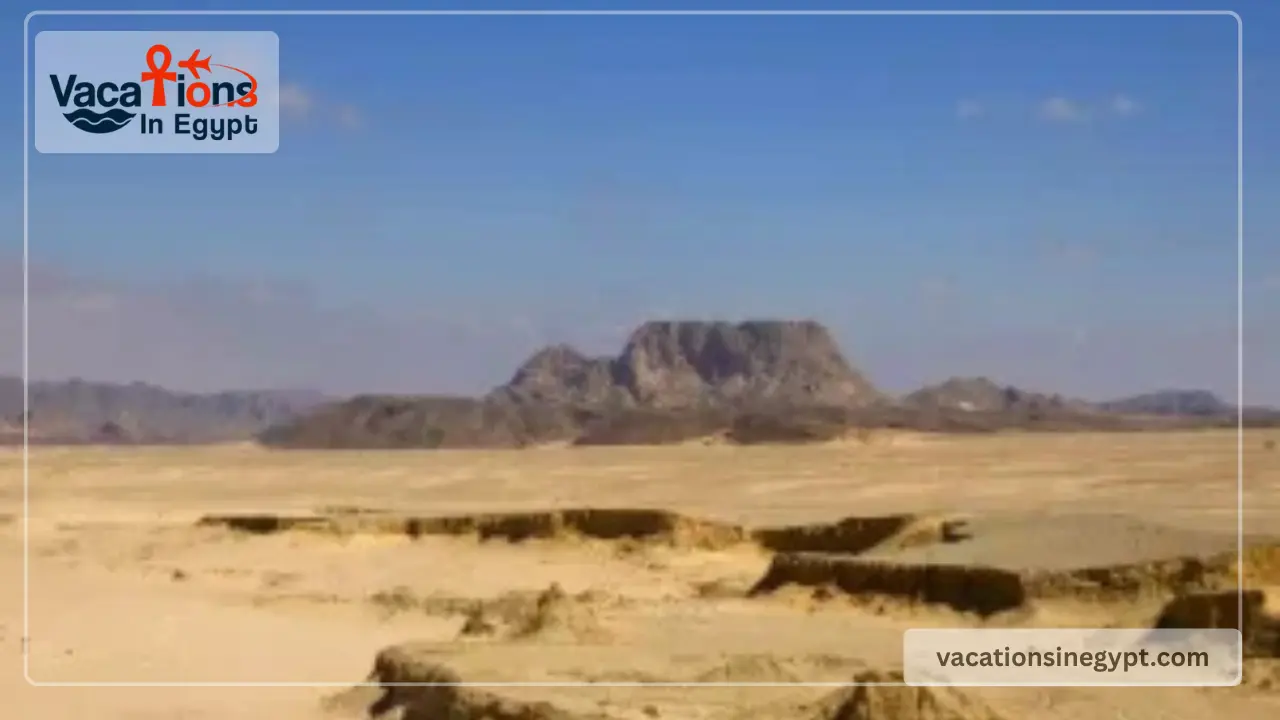
One of the most famous attractions in Sinai is Mount Sinai, standing at 2,285 meters.
Mount Sinai is sacred to:
- Judaism
- Christianity
- Islam
According to the Old Testament, this is where Prophet Moses received the Ten Commandments from God.
Visitors come not only for its spiritual value but also for the spectacular sunrise and sunset views from the summit.
Hiking to the Summit
Travelers can hike Mount Sinai from Sharm El Sheikh or Dahab. The climb takes about two hours, and near the top are:
- 750 stone-carved steps
- A small mosque
- A chapel honoring Moses
Mount Sinai is considered safe and well-organized for tourists.
St. Catherine Monastery
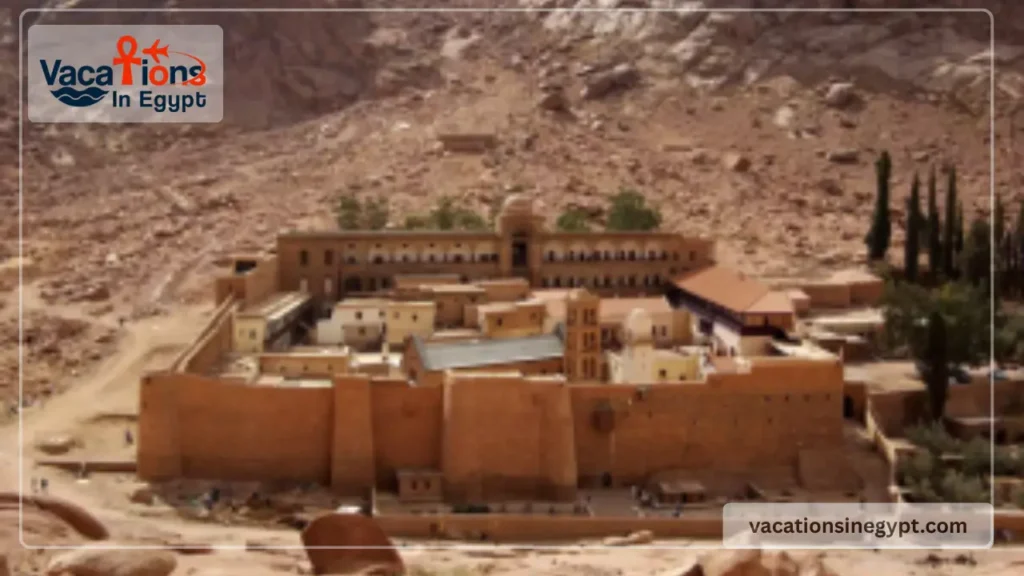
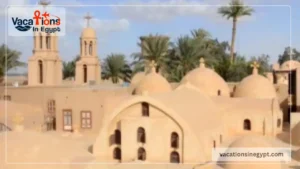
At the foot of Mount Sinai lies the world-famous St. Catherine Monastery, one of the oldest continuously operating monasteries on Earth.
Key Facts
- Built in 565 AD
- Open to visitors from 9:00 am to 11:00 am (except Orthodox holidays)
- Located near the site where Moses is believed to have seen the Burning Bush
The monastery is an essential stop for travelers exploring religious heritage in Sinai.
The Oasis of Wadi Feiran
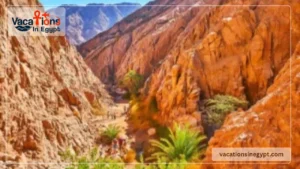
Located about 55 km from St. Catherine, Wadi Feiran is one of Sinai’s most beautiful and significant oases.
Why Visit Wadi Feiran?
- Stunning natural palm-filled valley
- Important biblical connection: Moses is said to have found water here
- Christian archaeological remains
- The small monastery of the “Seven Girls”
- Nearby جبل Tehuna, linked to ancient battles mentioned in scripture
It is a perfect excursion for visitors staying several days in the region.
Serabit el-Khadim: Ancient Mining Site
Although Sinai is not as rich in pharaonic temples as Upper Egypt, it offers a unique archaeological treasure: Serabit el-Khadim.
This site was used since the Middle Kingdom for turquoise mining.
Highlights include:
- Ancient mining tunnels
- A religious temple dedicated to Baalat, goddess of turquoise
- Stone pillars and decorated reliefs
It is an excellent destination for lovers of ancient Egyptian history.
Nature Trails and Hiking Adventures
Southern Sinai is a paradise for outdoor lovers. The rugged mountains provide ideal conditions for:
- Hiking
- Trekking
- Desert exploration
However, visitors should always hire a professional local guide, as the terrain can be challenging.
The St. Catherine area is the main base for organizing hiking excursions.
Geographical Regions of Sinai Peninsula
Sinai can be divided into three main geographical zones:
1. Northern Region
- Sand dunes
- Limestone hills
- Flat desert plains
2. Central Region
- The El-Tih Plateau
- Limestone uplands stretching southward
3. Southern Region
- Granite and basalt mountains
- Dramatic escarpments descending toward the Red Sea
- Part of the Great Rift Valley fault zone
The Inhabitants of the Sinai Peninsula
Archaeological evidence shows that Sinai has been inhabited for over 200,000 years.
Throughout history, many groups passed through or lived in Sinai, including:
- Ancient Egyptians
- Israelites during the Exodus
- Horites, Amalekites, Midianites, Edomites
- Hellenized Egyptians
Bedouins Today
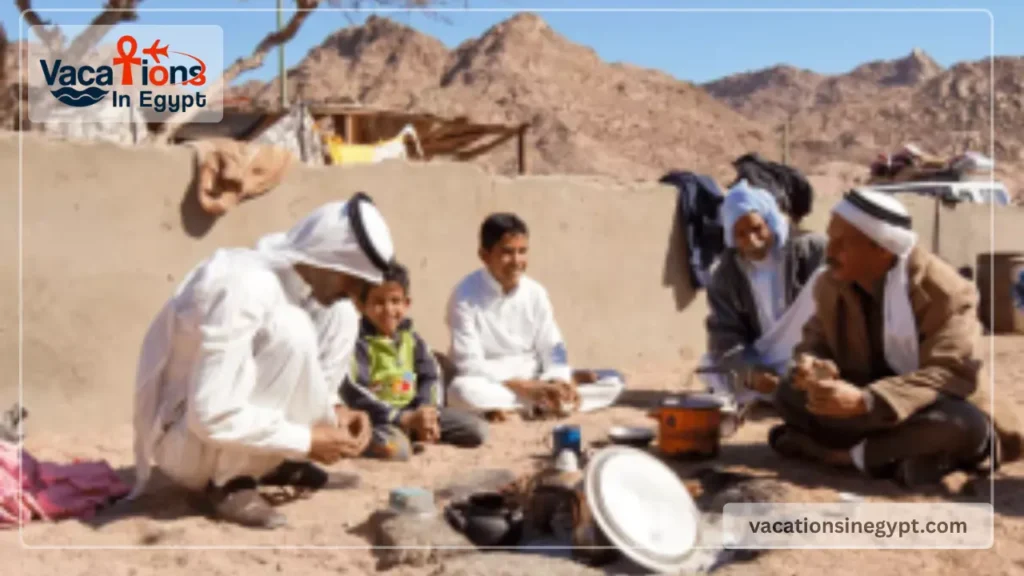
Modern Sinai is inhabit mainly by Egyptian Arabs and Bedouins.
The Bedouins have lived in Sinai for nearly 2,000 years, belonging to seven major tribes known collectively as the Tawara federation.
Today, about 600,000 people live across the peninsula.
Travel to Sinai with Vacations in Egypt
The Sinai Peninsula is one of Egypt’s most extraordinary destinations, combining history, religion, nature, and adventure.
Discover the best of Egypt with our Vacations in Egypt tour packages and explore Mount Sinai, St. Catherine, the Red Sea resorts, and the timeless beauty of this sacred land.