
Ancient Egyptian Symbols and Meanings
Ancient Egyptian symbols played a vital role in shaping one of the world’s oldest civilizations. These powerful symbols expressed beliefs about life, death, gods, kingship, and the afterlife, and they continue to fascinate historians, travelers, and scholars today.
What Are Ancient Egyptian Symbols?
Ancient Egyptian symbols are visual signs and sacred icons used to represent ideas, spiritual concepts, deities, and natural forces. They appeared in hieroglyphs, temple carvings, tomb paintings, jewelry, and everyday objects, serving both decorative and deeply religious purposes.
The Role of Symbols in Ancient Egyptian Religion and Daily Life
Symbols were woven into every aspect of Egyptian life. They were believed to protect individuals, ensure harmony with the gods, and maintain cosmic balance (Ma’at). From amulets worn by common people to royal insignia used by pharaohs, symbols connected humans to the divine world.
Hieroglyphs: The Sacred Language of the Gods
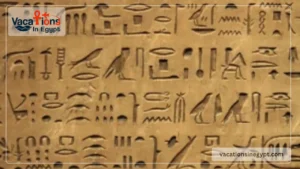
Hieroglyphs were more than a writing system; they were considered sacred symbols bestowed by the gods. Each sign held phonetic, symbolic, and magical meaning, making hieroglyphs essential in religious texts, funerary inscriptions, and monumental architecture.
Why Ancient Egyptian Symbols Were Linked to the Afterlife
The Egyptians believed in eternal life after death. Symbols were used extensively in tombs and burial goods to guide, protect, and sustain the soul in the afterlife. Many symbols represented resurrection, rebirth, and divine judgment.
Where Can You See Ancient Egyptian Symbols Today?
You can still see ancient Egyptian symbols across Egypt, including:
- Temples such as Karnak, Luxor, and Abu Simbel
- Obelisks and monumental gateways
- Royal tombs in the Valley of the Kings
- Museums like the Egyptian Museum in Cairo and the Grand Egyptian Museum
Most Important Ancient Egyptian Symbols and Their Meanings
Below are the most significant ancient Egyptian symbols and what they represent:
The Ankh – Symbol of Life and Eternity
The Ankh represents eternal life and divine protection. Often held by gods and pharaohs, it symbolized the breath of life.

The Djed Pillar – Stability and Resurrection
Associated with Osiris, the Djed symbolized strength, stability, and rebirth after death.
The Eye of Horus – Protection, Healing, and Power
This symbol represented protection, health, and restoration, widely used as an amulet.
The Eye of Ra – Solar Power and Divine Wrath
Linked to the sun god Ra, this symbol represented authority, destruction of evil, and divine justice.
The Was Scepter – Authority and Dominion
A symbol of power carried by gods and kings, representing control and sovereignty.
The Scarab Beetle – Rebirth and Transformation
The scarab symbolized regeneration and the rising sun, often placed in tombs for protection.
The Cartouche – Protection of Royal Names
An oval enclosure that protected the names of pharaohs, symbolizing eternal rule.
The Lotus Flower – Creation, Rebirth, and Unity
The lotus represented rebirth and the sun’s daily renewal.
Uraeus – The Royal Cobra of Protection
A symbol of divine authority worn on royal crowns to protect the pharaoh.
Ka – The Life Force
The Ka represented the vital essence of a person that continued after death.
Ba – The Soul and Personality
The Ba symbolized individuality and was often depicted as a bird with a human head.

Canopic Jars – Preservation for the Afterlife
Used to store internal organs, these jars ensured survival in the afterlife.
The Winged Sun Disk – Divine Protection
A symbol of royal power and protection used above temple entrances.
Ouroboros – Infinity and the Cycle of Life
The serpent eating its tail symbolized eternity and continuous renewal.
Amenta – The Egyptian Underworld
A realm of the dead where souls were judged and reborn.
Tiet (The Knot of Isis) – Protection and Life
Associated with Isis, it symbolized healing and maternal protection.
Feather of Ma’at – Truth, Justice, and Balance
Used in the weighing of the heart ceremony, representing moral order.
Crook and Flail – Royal Authority and Kingship
Symbols of leadership, protection, and agricultural prosperity.
Deshret Crown – Symbol of Lower Egypt
The red crown represented rule over Lower Egypt.
Hedjet Crown – Symbol of Upper Egypt
The white crown symbolized authority over Upper Egypt.
Pschent Crown – The Double Crown of Egypt
A combination of the red and white crowns, symbolizing a unified Egypt.
The Tree of Life – Immortality and Divine Knowledge
Represented eternal existence and cosmic wisdom.

Seba – The Stars and the Afterlife
Stars symbolized guidance and eternal souls in the night sky.
Ajet – Horizon and Rebirth
Associated with the sunrise and renewal.
Menat – Fertility and Renewal
A sacred necklace linked to Hathor and femininity.
Sistrum – Joy, Music, and Sacred Rituals
A musical instrument used in religious ceremonies.
Nemyss – The Pharaoh’s Royal Headdress
A striped headcloth symbolizing kingship and divine rule.
The Obelisk – Solar Power and Divine Connection
A monument dedicated to the sun god Ra, representing creation.
Shen Ring – Eternity and Protection
A circular symbol representing infinite protection.

Religious and Spiritual Meanings of Ancient Egyptian Symbols
Most symbols carried strong spiritual meanings tied to gods, rituals, and cosmic order.

Symbols of Power, Protection, and Kingship in Ancient Egypt
Crowns, scepters, and animal symbols emphasized royal authority and divine legitimacy.
Symbols of Life, Death, and the Afterlife
Life, resurrection, judgment, and immortality were central themes in Egyptian symbolism.
How Ancient Egyptian Symbols Influenced Other Civilizations
Egyptian symbols influenced Greek, Roman, and later spiritual traditions, especially in art, architecture, and mysticism.
Frequently Asked Questions About Ancient Egyptian Symbols
Ancient Egyptian symbols continue to intrigue visitors and scholars, offering insight into a civilization deeply connected to spirituality, nature, and eternity.