
Bedouin: A Journey into Their Culture and Way of Life
The Bedouins are among the most fascinating nomadic peoples in the world. For centuries, they have roamed the vast deserts of the Arabian Peninsula, mastering survival in one of the harshest environments on Earth. Their lifestyle, traditions, and cuisine reflect a deep connection with nature, resilience, and an unwavering sense of hospitality.
Who Are the Bedouins?
The term Bedouin refers to indigenous Arab nomadic tribes who historically inhabited the deserts of the Arabian Peninsula, the Levant, and North Africa. The word itself comes from the Arabic “Badawi”, meaning “desert dweller.”
Traditionally, Bedouin life revolved around camel and goat herding, seasonal migration, and strong tribal bonds. Each tribe was led by a sheikh, whose role was to guide, protect, and represent the community.
Origins and Bedouin Way of Life
The Bedouins trace their roots back thousands of years, deeply embedded in Arab culture and desert traditions. Their nomadic lifestyle developed as a response to the scarcity of water and pasture, encouraging movement across vast territories in search of survival.
Bedouin society is built on:
- Kinship and tribal loyalty
- Oral traditions and poetry
- Respect for nature and desert rhythms
Despite modernization, many Bedouins continue to preserve elements of this ancient way of life.
Bedouin Cultural Identity and Beliefs
Bedouin culture is rich, expressive, and deeply symbolic. Their identity is reflected in:
- Traditional clothing
- Music and poetry
- Storytelling and oral history
Hospitality as a Core Value
Hospitality is the heart of Bedouin culture. Welcoming guests—whether friends or strangers—is considered a sacred duty. Visitors are often offered Arabic coffee and dates, symbolizing generosity, peace, and respect.
The tribe’s social bonds are strengthened by central values such as honor, loyalty, and mutual support.
Desert Knowledge and Survival Skills
Living in extreme desert conditions has given the Bedouins unmatched survival expertise.
Living in extreme desert conditions has given the Bedouins unmatched survival expertise.
Camel Culture
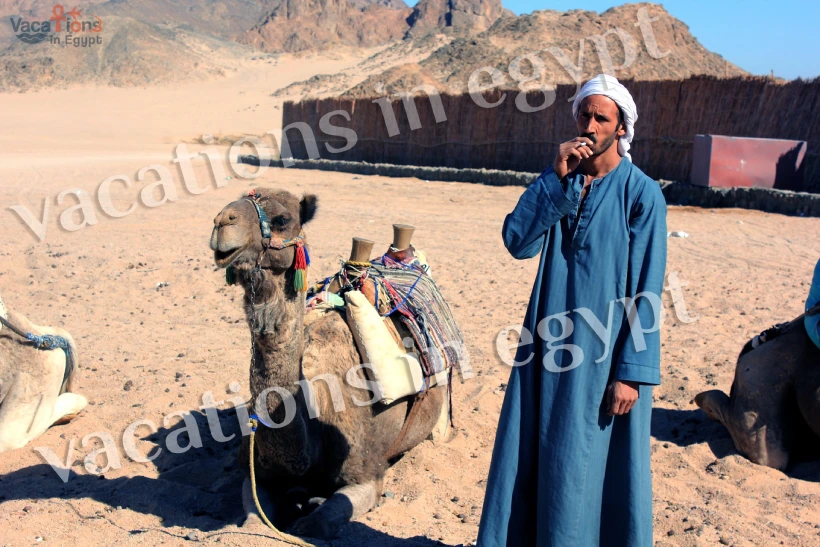
Camels are essential to Bedouin life, providing:
- Transportation
- Milk and meat
- Social status and prestige
Bedouins possess deep knowledge of camel behavior, care, and endurance.
Knowledge of Desert Flora
Bedouins also understand desert plants and herbs, using them for:
- Food
- Traditional medicine
- Animal care
- This environmental knowledge allows them to live in harmony with the desert
Bedouin Traditions and Celebrations
Bedouin traditions mark life’s most important moments—births, weddings, and religious festivals.
Weddings
Bedouin weddings are vibrant, multi-day celebrations featuring:
- Traditional music and dances
- Lavish communal feasts
- Strong family participation
These gatherings reinforce tribal unity and cultural continuity.
Bedouin Tents
A Symbol of Nomadic Hospitality
What Are Bedouin Tents?
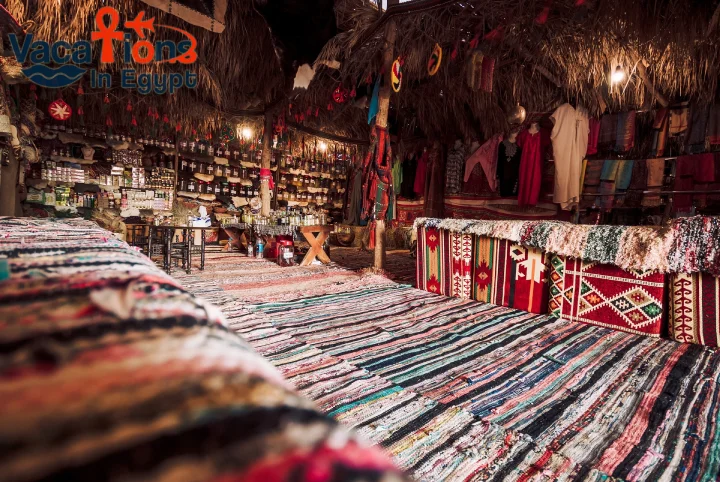
Known as Bait Al-Sha’ar, Bedouin tents are portable homes made from woven goat hair and camel wool. They are designed to withstand:
- Intense heat
- Cold desert nights
- Sandstorms
Craftsmanship and Design
Each tent is handmade using techniques passed down through generations. Decorative patterns often symbolize:
- Nature
- Camels
- Stars and constellations
Beyond shelter, the tent represents identity, tradition, and belonging.
Inside the Bedouin Hospitality Experience
Inside the tent, guests gather in a communal space to share food, stories,
and music. Hospitality is expressed through:
- Arabic coffee rituals
- Shared meals on the floor
- Storytelling and social bonding
Today, many desert camps and eco-lodges offer authentic Bedouin tent experiences for travelers.
Bedouin Arabian Cuisine
A Timeless Culinary Heritage
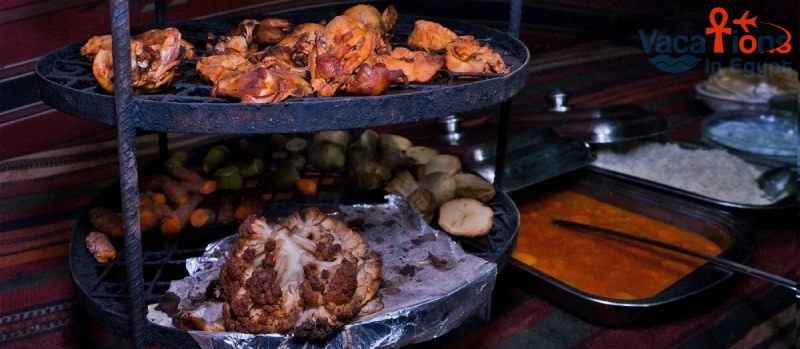
Bedouin cuisine reflects desert simplicity, resourcefulness, and bold flavors. Influenced by ancient trade routes, it blends Arabian spices with local ingredients.
Signature Bedouin Dishes
1. Zarb
A traditional underground-cooked lamb dish, infused with smoky flavors and served with spiced rice.
2. Mandi
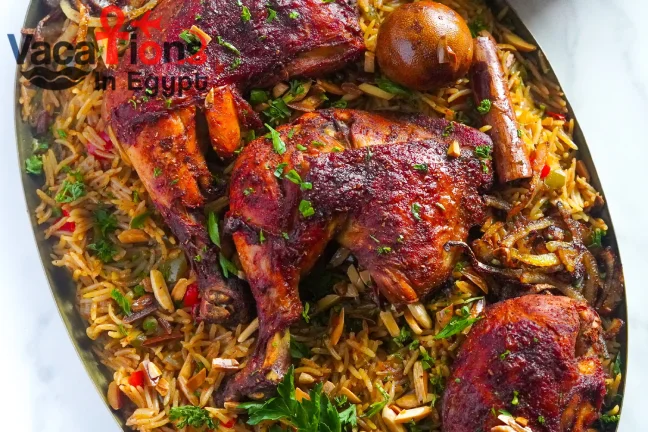
Slow-cooked meat layered with fragrant basmati rice and aromatic spices, popular across the Arabian Peninsula.
3. Harees
A comforting wheat-and-meat porridge, often served during Ramadan and special occasions.
4. Luqaimat
Golden fried dumplings drizzled with date syrup—crispy outside, soft inside.
Culinary Traditions and Cooking Techniques
Traditional Methods
- Underground roasting (Zarb)
- Open-fire cooking
- Portable clay ovens
Natural Ingredients
Bedouin cuisine relies on:
- Dates, figs, pomegranates
- Local herbs and spices such as saffron, cardamom, and cumin
Meals are typically shared communally, reinforcing social bonds.
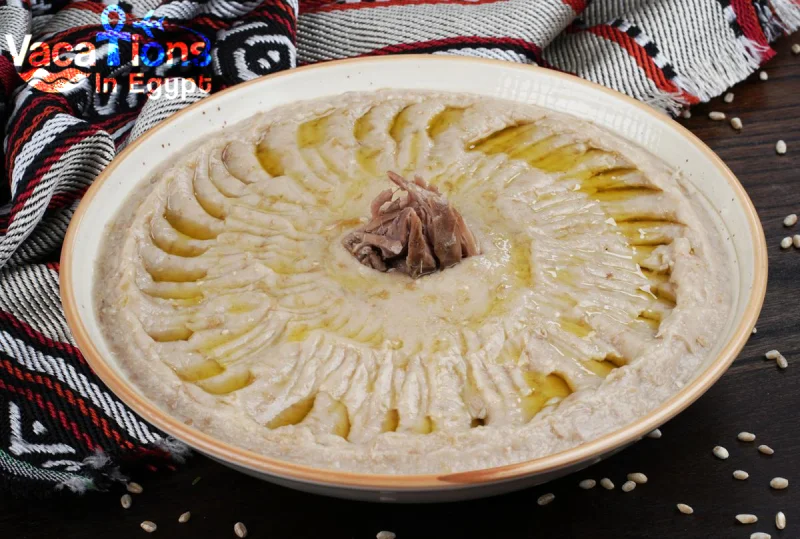
Culinary Traditions and Cooking Techniques
Traditional Methods
- Underground roasting (Zarb)
- Open-fire cooking
- Portable clay ovens
Natural Ingredients
Bedouin cuisine relies on:
- Dates, figs, pomegranates
- Local herbs and spices such as saffron, cardamom, and cumin
Meals are typically shared communally, reinforcing social bonds.
Preserving Bedouin Heritage Today
As modern life expands, preserving Bedouin traditions has become essential. Cultural initiatives, cooking workshops, and sustainable tourism help protect:
- Traditional recipes
- Nomadic craftsmanship
- Oral history and customs
Travelers who engage with Bedouin communities play a role in keeping this heritage alive.
Conclusion
The Enduring Legacy of the Bedouins
The Bedouins are a living testament to human resilience, adaptability, and harmony with nature. Their nomadic traditions, deep-rooted hospitality, and rich cultural practices continue to inspire fascination worldwide.
Exploring Bedouin culture is more than a journey through the desert—it is a journey through time, heritage, and the enduring spirit of a people who thrived against all odds.