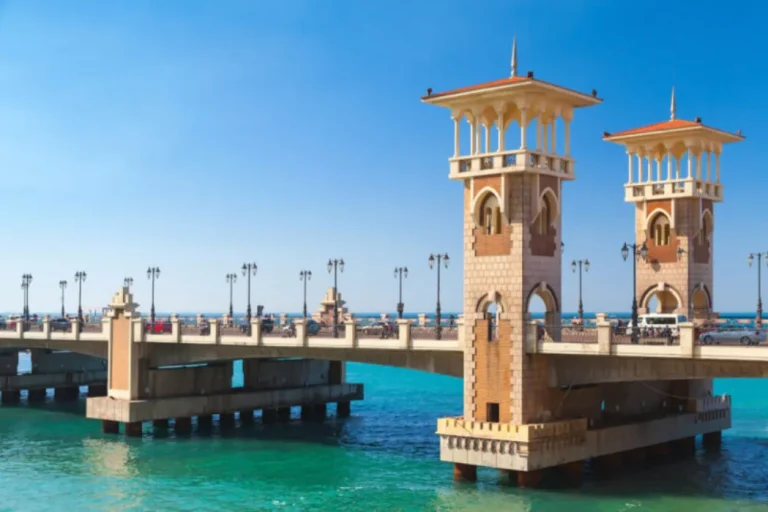
Cairo Tourist Attractions: The Essential First-Timer’s Guide
Cairo does not ease you in gently. From the moment you land, the city announces itself — in the traffic, the noise, the scale of everything, and the sudden, disorienting realization that those are actually the Pyramids on the horizon. For first-time visitors, that abundance can quickly become overwhelming without a clear plan.
This guide cuts through the noise. Whether you have three days or five, here is exactly where to go, how long to spend there, and how to make the most of one of the world’s truly unmissable cities. And, What things to visit in Cairo.

The Non-Negotiable Cairo Tourist Attractions
Cairo is a vast, layered city, but for a first visit, the essential experience orbits two things: ancient Egypt and Islamic heritage. Everything else is context. If your time is limited, these are the sites that belong on every itinerary — no exceptions.
The Pyramids of Giza & the Sphinx

Nothing in a lifetime of photographs quite prepares you for the Giza Plateau in person. The Great Pyramids of Khufu, Khafre, and Menkaure are exactly as impressive as you have always imagined — and somehow more so when you are standing at their base. Allow three to four hours here: enough time to walk the perimeter, visit the panoramic viewpoint, see the Sphinx, and, if you choose, purchase the optional ticket to enter a pyramid interior.
Arrive by 8:00 AM. The tour buses begin arriving mid-morning, and the midday heat is unforgiving.
The Grand Egyptian Museum (GEM)
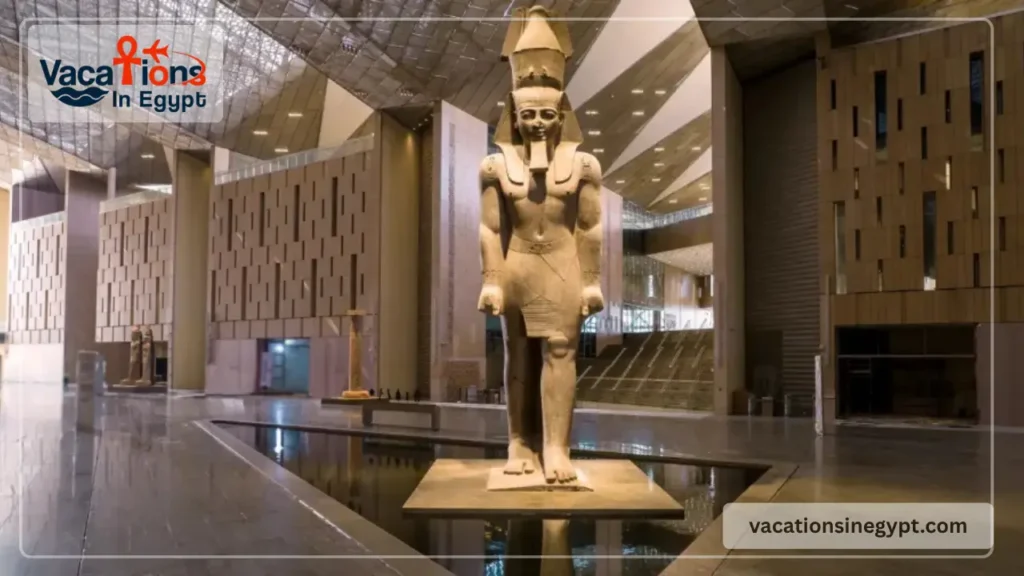
Situated just two kilometers from the Pyramids, the Grand Egyptian Museum is one of the most significant cultural openings in recent memory. After years of anticipation, it is finally fully operational — and it is extraordinary. The complete Tutankhamun collection is housed here, along with thousands of artifacts displayed across modern, spacious, air-conditioned galleries. Set aside three to four hours, and do not skip the Hanging Obelisk in the atrium.
The Egyptian Museum, Tahrir Square
The original Egyptian Museum still deserves a visit, particularly for history purists. While the GEM has claimed the headline exhibits, the Tahrir building retains thousands of artifacts and a wonderfully chaotic, old-world atmosphere that the newer museum cannot replicate. Think of it as the eccentric older sibling — less polished, but full of character.
The Citadel of Saladin
Perched above the city, the medieval Citadel of Saladin offers the best panoramic views of Cairo available anywhere — and houses the stunning Mosque of Muhammad Ali, one of the most beautiful interiors in Egypt. Plan for around ninety minutes at the Citadel itself, and consider pairing it with a visit to Coptic Cairo nearby to make the most of the geography.
Khan el-Khalili Bazaar
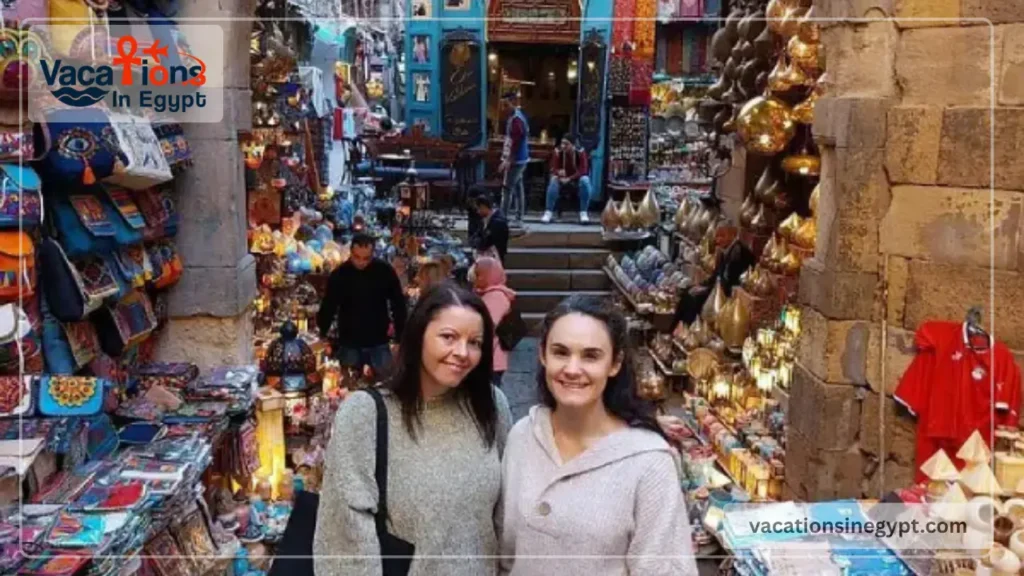
Cairo’s historic bazaar is loud, colorful, labyrinthine, and completely essential. Come here for souvenirs, for atmosphere, and for a glass of mint tea at one of the old coffeehouses tucked between the market stalls. Two hours is sufficient, but the evening visit — when the lanterns are lit and the energy shifts — is the one worth planning for.
Beyond the Monuments: Cultural Experiences Worth Making Time For
The stones are the reason most people come to Cairo. The city itself is the reason many of them fall in love with Egypt.
Coptic Cairo
A short distance from the main tourist circuit, Coptic Cairo is one of the quietest and most spiritually significant corners of the city. The Hanging Church and the Church of Abu Serga (where the Holy Family is said to have sheltered during their flight into Egypt) offer a reflective, unhurried contrast to the intensity of the Giza Plateau. Give it a morning.
Islamic Cairo and Al-Muizz Street
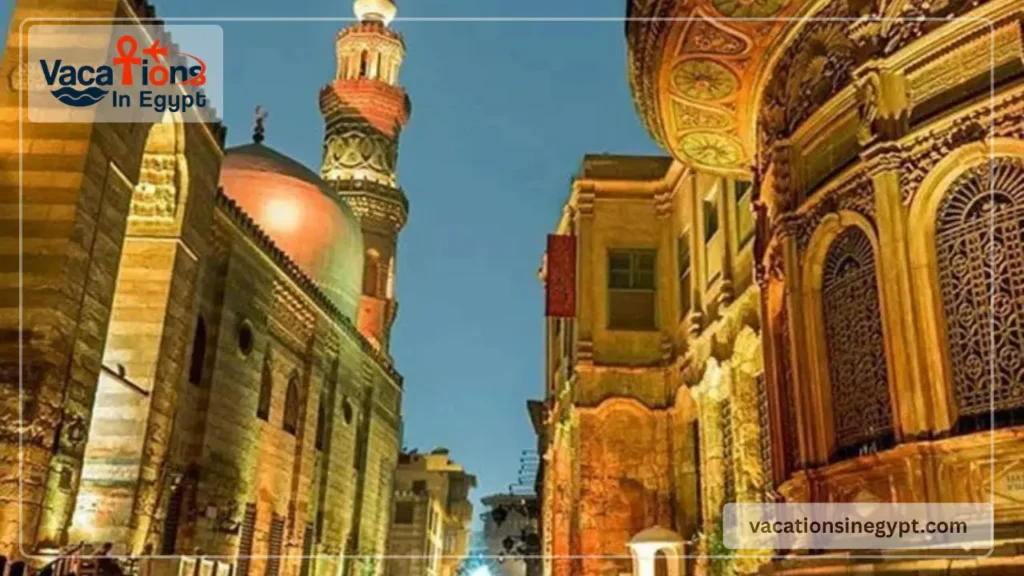
Walking Al-Muizz Street is the closest thing Cairo offers to time travel. This medieval thoroughfare is lined with Mamluk mosques, madrasas, and merchant houses that have stood for centuries. The architecture is extraordinary, the crowds are manageable in the early morning, and the sense of living history is unlike anything you will find at a ticketed site.
A Nile Felucca Ride at Sunset

No visit to Cairo is complete without at least one hour on the river. Chartering a traditional felucca sailboat at golden hour, watching the city skyline soften in the fading light, is the simplest and most effective way to decompress from Cairo’s relentless energy. It costs very little and delivers disproportionately.
How Long to Spend at Each Site
Rushing is the single biggest mistake first-time visitors make in Cairo. Traffic between sites can consume one to two hours of a day without warning, so once you arrive somewhere, give it the time it deserves.
Attraction Recommended Time
Group sites by geography wherever possible. The Pyramids and the GEM share the same corner of the city. The Citadel and Coptic Cairo are natural companions. Planning with a map open saves significant time on the road.
Should You Book a Guide or Explore Independently?
Both approaches work — the right choice depends on your travel style and how much mental energy you want to spend on logistics.
Going Solo suits confident, experienced travelers who are comfortable with navigation, language barriers, and the persistent attention of vendors at major sites. Cairo’s Uber service is reliable and makes independent movement far easier than it used to be.
A Private Guided Tour is the better option for most first-timers. A knowledgeable local guide handles ticketing, manages vendor interactions, groups sites efficiently, and provides historical context that no plaque or guidebook fully replicates. The stress reduction alone is worth it — and you will simply see and understand more.
Essential Practical Tips for Visiting Cairo
Start early. The Pyramids by 8:00 AM means cooler temperatures, better light for photographs, and a significantly more peaceful experience before the crowds arrive.
Dress conservatively. Cairo is a conservative city. Covered shoulders and knees are respectful across the board and required for entry into mosques. Carry a light layer regardless of the season.
Carry Egyptian Pounds in cash. Major hotels and upscale restaurants accept cards, but cash is essential for site tips, public bathrooms, market purchases, and smaller vendors throughout the city.
Use Friday mornings strategically. Cairo’s streets empty out on Friday mornings during prayer time, making it the most efficient window for moving between distant sites. If your itinerary has a long cross-city journey, plan it here.
Plan for at least three full days. Attempting Cairo’s essential attractions in less time is possible, but it produces a rushed, surface-level experience. Three days done well is worth far more than five days done poorly.
Final Thoughts
Cairo rewards the traveler who comes prepared. Its greatest sites are genuinely among the most extraordinary things human beings have ever built, and its streets hold a cultural richness that takes time to appreciate. Get the logistics right — start early, group sites intelligently, and consider a private guide for at least part of the visit — and the city will give you more than you expected.
That is almost always how it goes with Cairo. Now, plan your trip with Vacations in Egypt.