Egypt’s most famous sites represent three pillars of the country’s story: monumental beginnings, religious continuity, and imperial legacy. Travelers who understand the role of the Pyramids, Luxor’s temples, and Abu Simbel gain a clear framework for Egypt’s history without needing exhaustive coverage. Well-structured itineraries on this site connect these landmarks in a logical, human-paced way.
Why do the Pyramids remain Egypt’s most iconic sites?
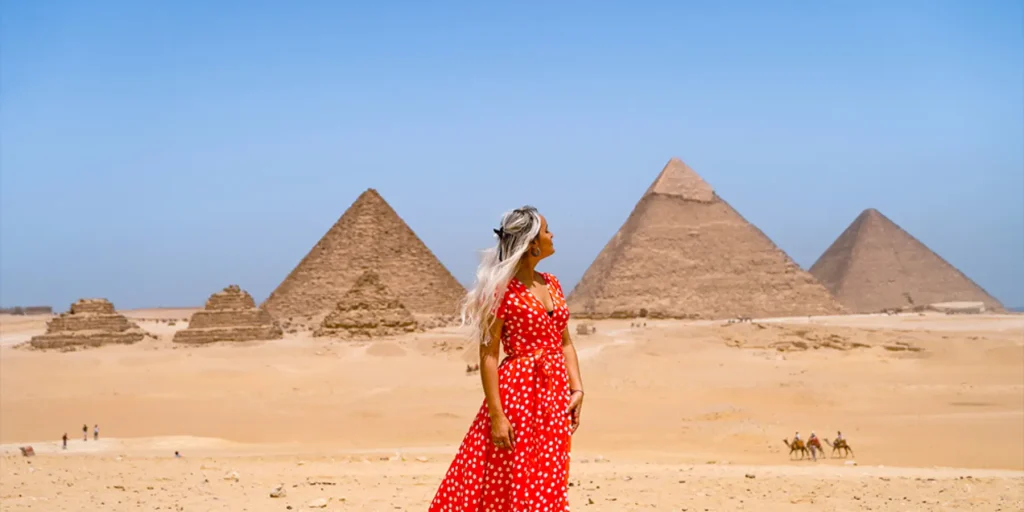
Because they define the starting point of ancient Egyptian civilization.
The Pyramids matter because:
-
They represent centralized power and early engineering
-
Their symbolism is easy to grasp on a first visit
-
They provide context for everything that came later
Exploring the story behind the Pyramids in Egypt helps travelers understand why Old Kingdom beliefs shaped later temples and tombs.
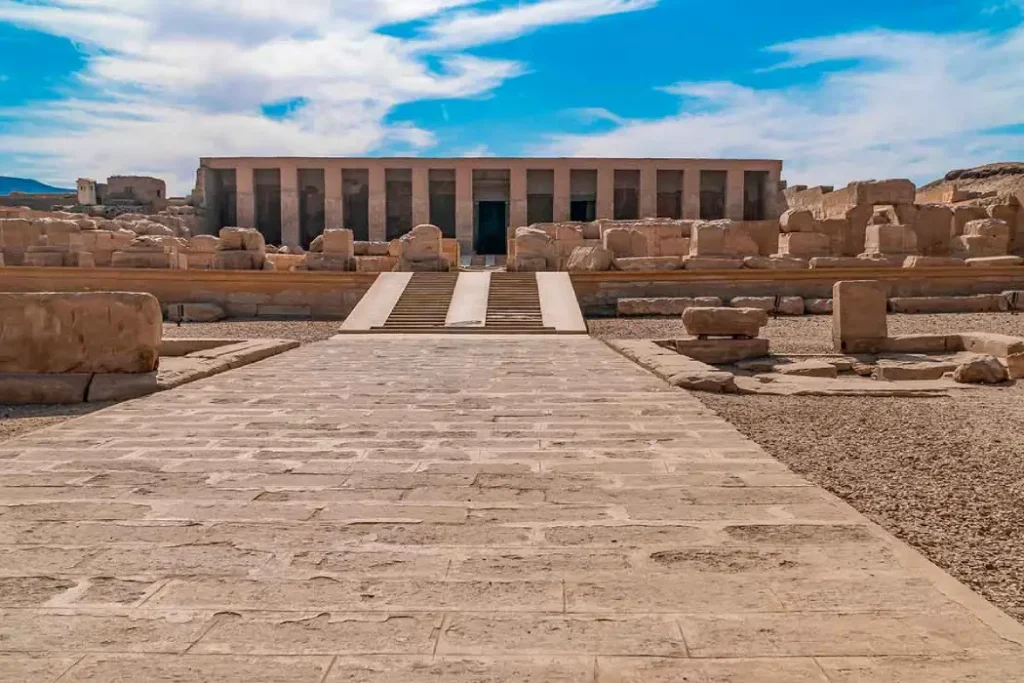
What makes Luxor Temple historically unique?
It connects religion directly to daily urban life.
Unlike remote temple complexes, Luxor Temple:
-
Sat at the heart of an ancient city
-
Hosted public religious ceremonies
-
Linked kingship with civic identity
A visit to Luxor Temple shows how worship, governance, and population centers functioned together rather than separately.
Why is Abu Simbel considered a masterpiece of ancient power?
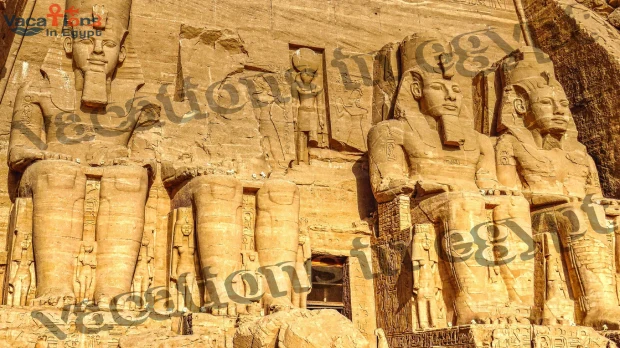
Because it was designed to impress from a distance—physically and politically.
What sets Abu Simbel apart
-
Monumental scale carved directly into rock
-
Strategic placement near Egypt’s southern frontier
-
Symbolic messaging aimed at both gods and rivals
Understanding the meaning behind the Temple of Abu Simbel helps travelers see how architecture was used as diplomacy, not just devotion.
How do these famous sites connect into one story?
They represent different chapters of the same civilization.
Seen together:
-
The Pyramids explain origins
-
Luxor Temple shows religious continuity
-
Abu Simbel reflects imperial confidence
This progression helps travelers understand Egypt as an evolving society, not a collection of isolated monuments.
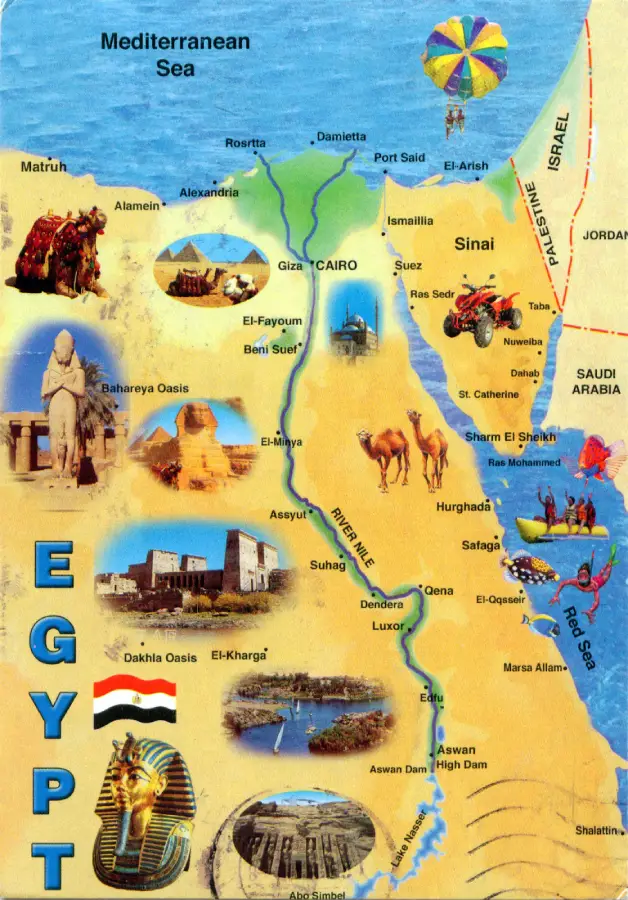
Is it possible to see all these sites in one journey?
Yes—if the itinerary is paced realistically.
Longer routes work best when they:
-
Move gradually from north to south
-
Use flights or river travel to reduce fatigue
-
Allow rest days between intense visits
An extended itinerary such as this 15-day Egypt tour covering Cairo, Luxor, and Abu Simbel shows how famous sites can be connected without rushing the experience.

Helpful Tips from Local Travel Experts
-
Famous sites are best understood in sequence, not in isolation
-
Fewer sites per day lead to better understanding
-
Southern monuments benefit from a slower pace
-
Context matters more than ticking landmarks off a list
For travelers wanting to understand Egypt’s famous sites clearly and coherently, the site’s destination guides and multi-day itineraries offer a practical framework for seeing these landmarks in the right order.