Islamic Art
Islamic art represents a wide range of visual arts that developed from the 7th century onward across Islamic societies. Artists from both Muslim and non-Muslim communities contributed to this artistic tradition over more than 1,400 years, which makes Islamic art difficult to define within a single time, place, or style.
Islamic art does not belong to one religion, medium, or region. Instead, it includes architecture, calligraphy, painting, glasswork, ceramics, textiles, and many other artistic forms. Artists from Islamic cultures created both religious and architecture works, even though some scholars restricted certain artistic elements. Calligraphy and decorative manuscripts of the Holy Qur’an stand at the heart of Islamic artistic expression.
Themes of Islamic Art
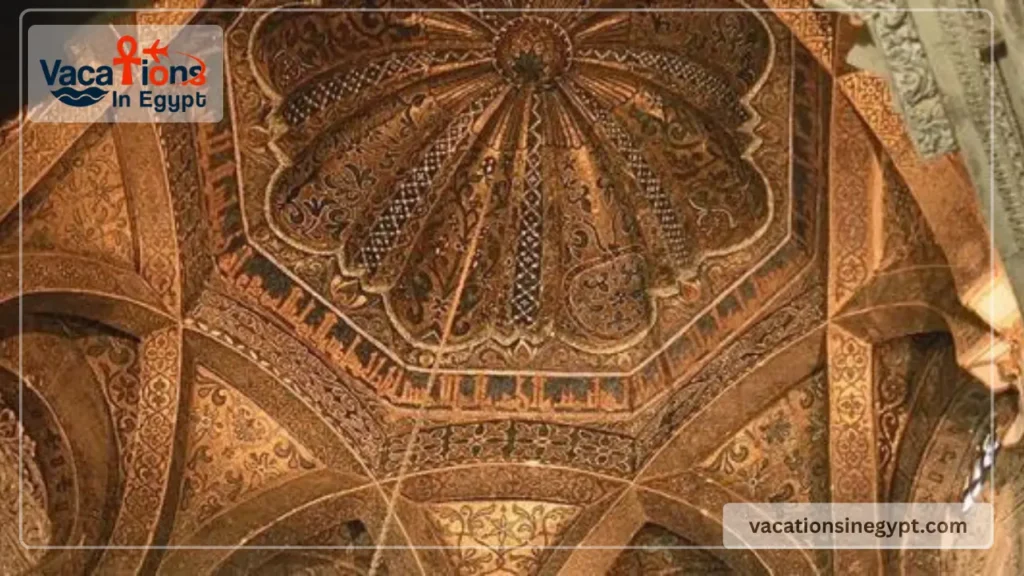
Islamic art relies on recurring decorative elements such as floral motifs, geometric patterns, and arabesques. Artists used arabesques to symbolize the infinite and transcendent nature of God. These designs appear widely across the Islamic world, including famous examples like the Mughal forts in Agra, India.
Islamic artists focused strongly on calligraphy and abstract patterns rather than human or animal figures. Many religious scholars believed that depicting living beings could lead to idolatry, so artists emphasized symbolism, repetition, and harmony instead.
Islamic Architecture
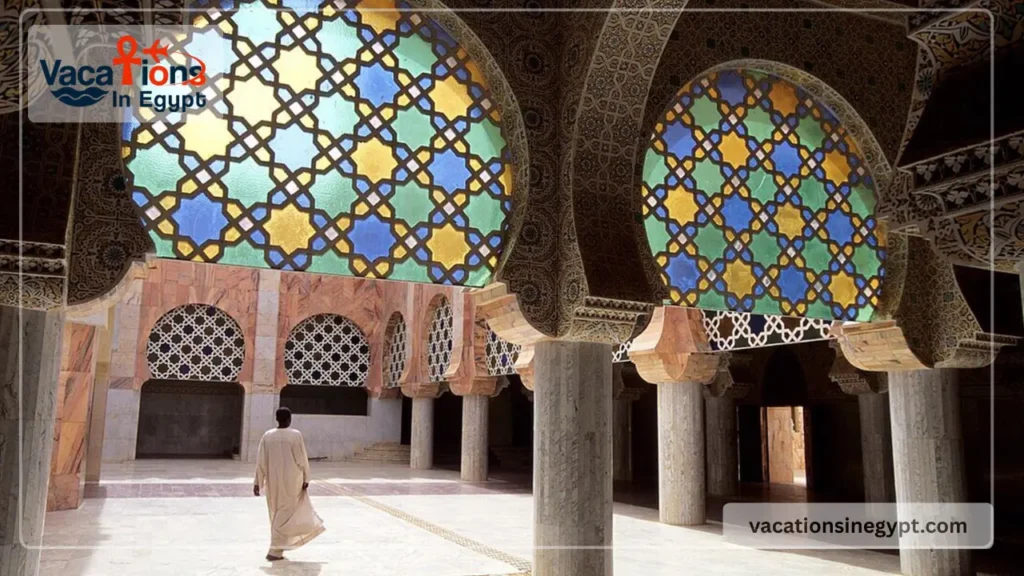
Islamic architecture forms one of the most recognizable artistic traditions in the world. Architects combined building techniques from Roman, Byzantine, Persian, and later Ottoman traditions to create a unique architectural language.
This style emerged in the 7th century and spread across regions with Muslim-majority populations and lands conquered during the Middle Ages. Islamic architecture also reached parts of Spain, Portugal, Italy, and Malta. Architects applied this style not only to mosques but also to palaces, fortresses, public buildings, tombs, and castles.
Minarets
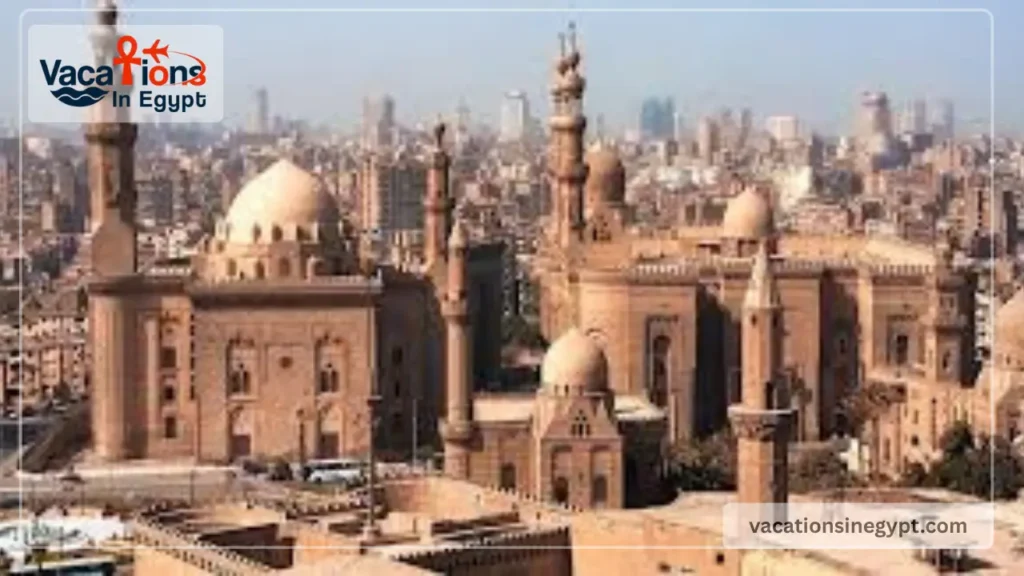
Minarets rank among the oldest and most distinctive elements of Islamic architecture. Builders designed them as tall towers with small windows and internal staircases. From the minaret, the muezzin calls believers to prayer five times a day. Many mosques feature more than one minaret, which adds to their architectural grandeur.
Dome Architecture
Decorative Details
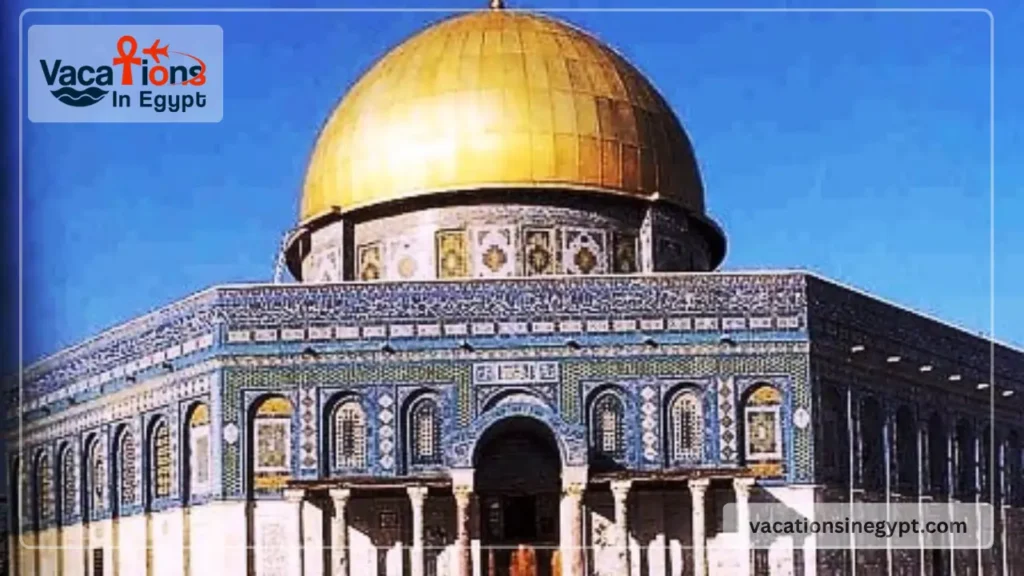
Islamic architects adopted domes from Byzantine and early Renaissance traditions and developed them further. The Dome of the Rock in Jerusalem stands as the first Islamic building to include this architectural element. Domes later became a defining feature of mosque architecture across the Islamic world.
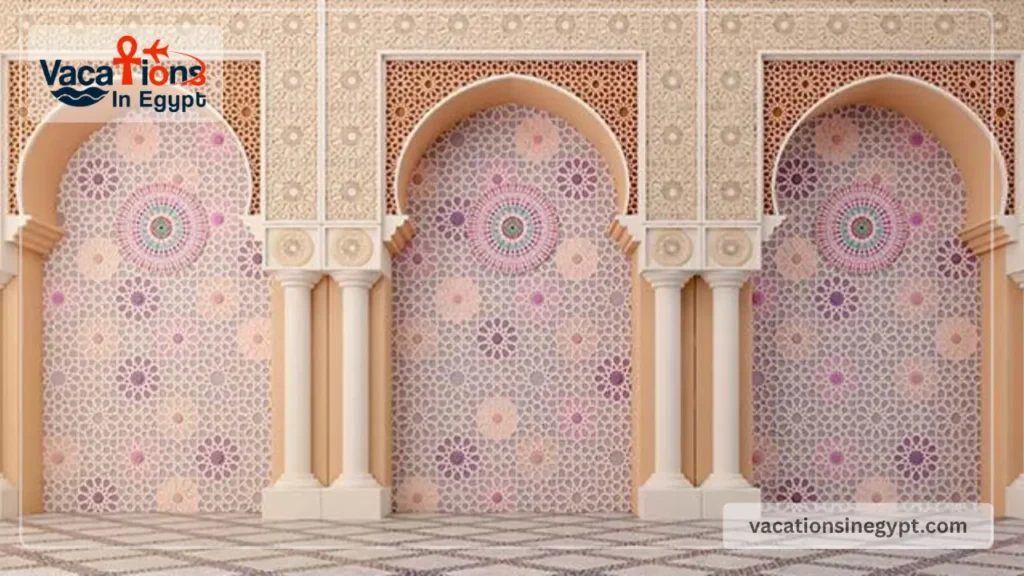
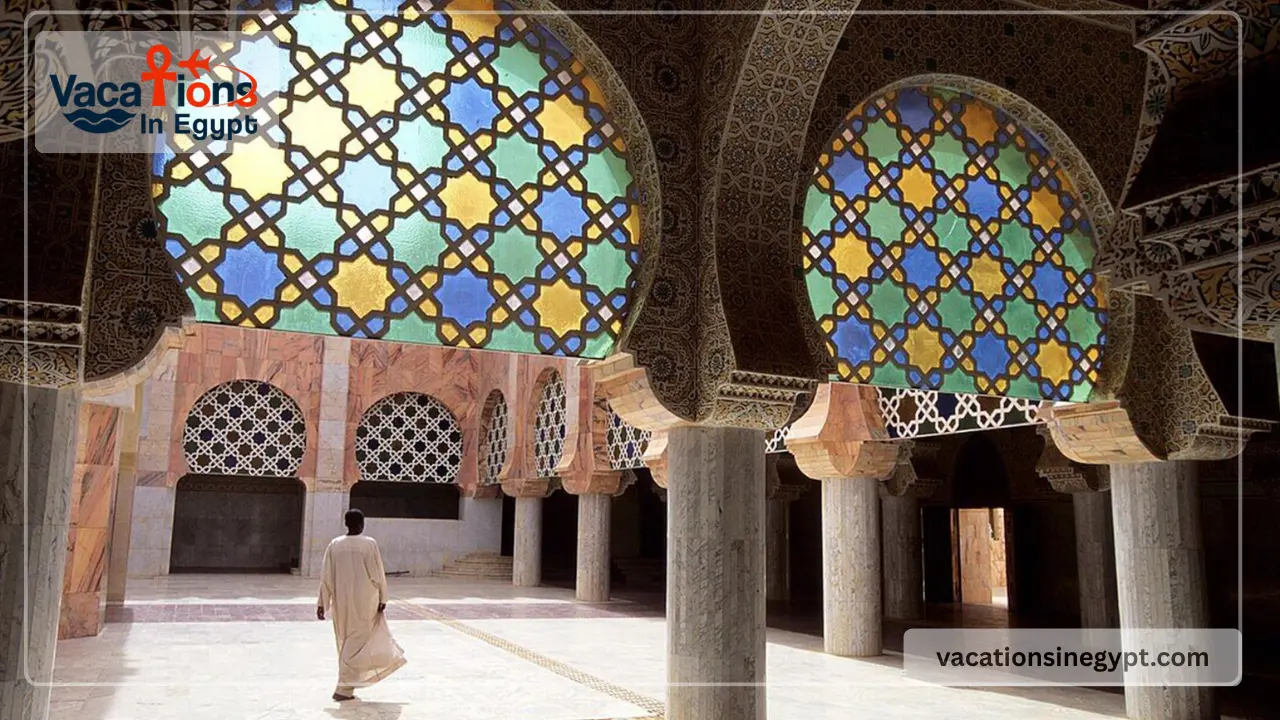
Decoration plays a central role in Islamic architecture. Builders and artists focused on intricate geometric layouts, carved stonework, vibrant colors, and elaborate calligraphic inscriptions. These decorative elements transform buildings into spiritual and visual masterpieces.
Early Mosques
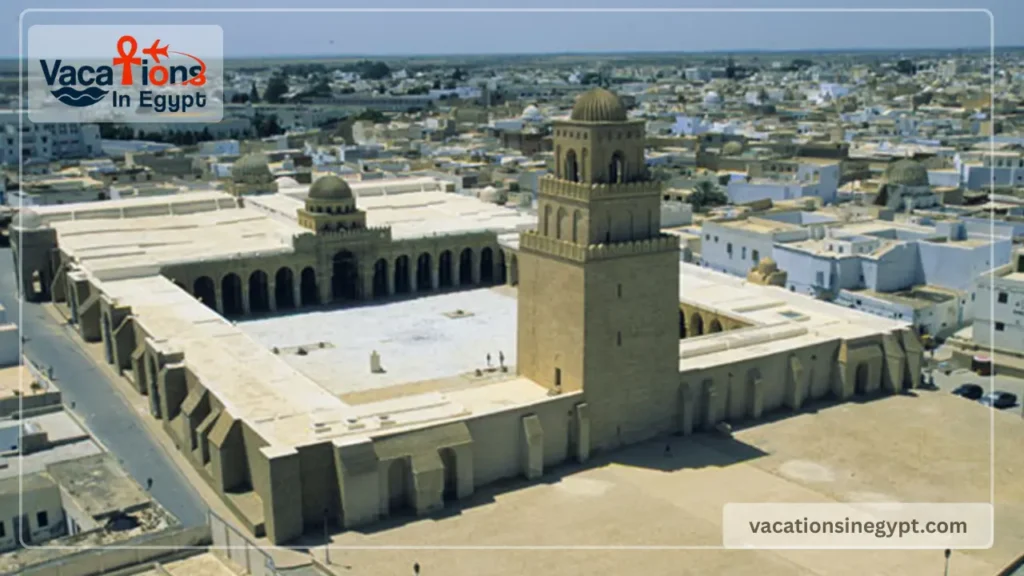
Mosques serve as places of worship, and early designs took inspiration from the house of the Prophet Muhammad in Medina. The Great Mosque of Kairouan stands as one of the most important and best-preserved examples of early mosque architecture. It includes essential architectural elements such as the mihrab dome and spacious prayer halls.
Ottoman Mosques

Ottoman mosque architecture first appeared in Bursa and Edirne and evolved from Seljuk Turkish architecture with influences from Byzantine, Persian, and Mamluk traditions.
During the 16th century, Ottoman architects perfected the use of large domes, slender minarets, and balanced interior spaces. The Blue Mosque in Istanbul represents the peak of Ottoman architectural achievement with its harmonious proportions, multiple domes, and elegant minarets. Architecture also flourished during the Safavid era, with landmarks such as the Imperial Mosque.
Islamic Glass
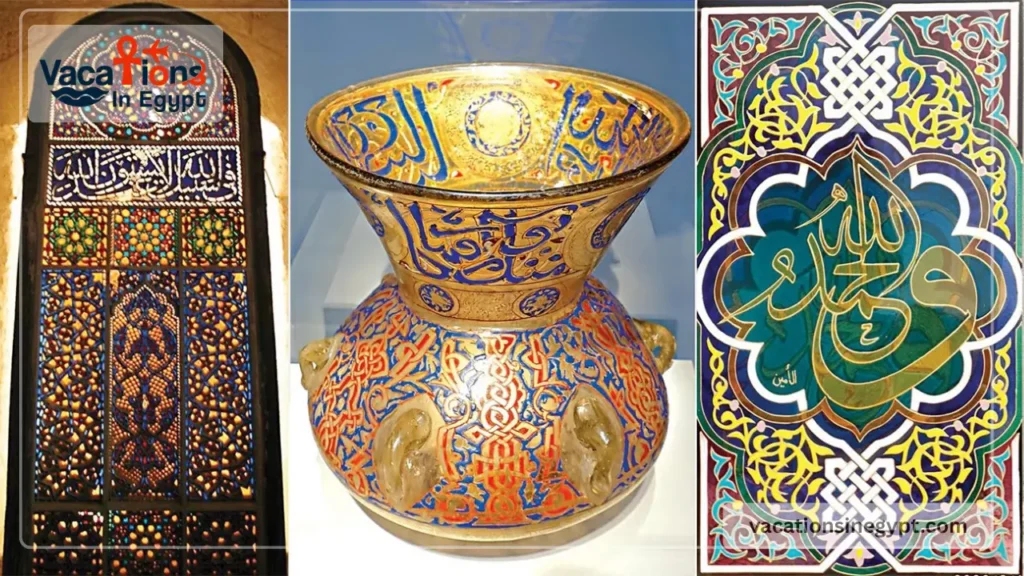
Islamic artisans achieved remarkable advancements in glassmaking. As Islamic rule expanded, it absorbed former Roman and Sasanian glass-producing regions. Craftsmen focused on surface decoration and refined techniques that produced affordable alternatives to carved rock crystal vessels.
Jewish communities often specialized in glass production and trade. Over time, glassmaking declined in Persia, and Egypt emerged as the primary center for fine Islamic glass production.
Islamic Calligraphy
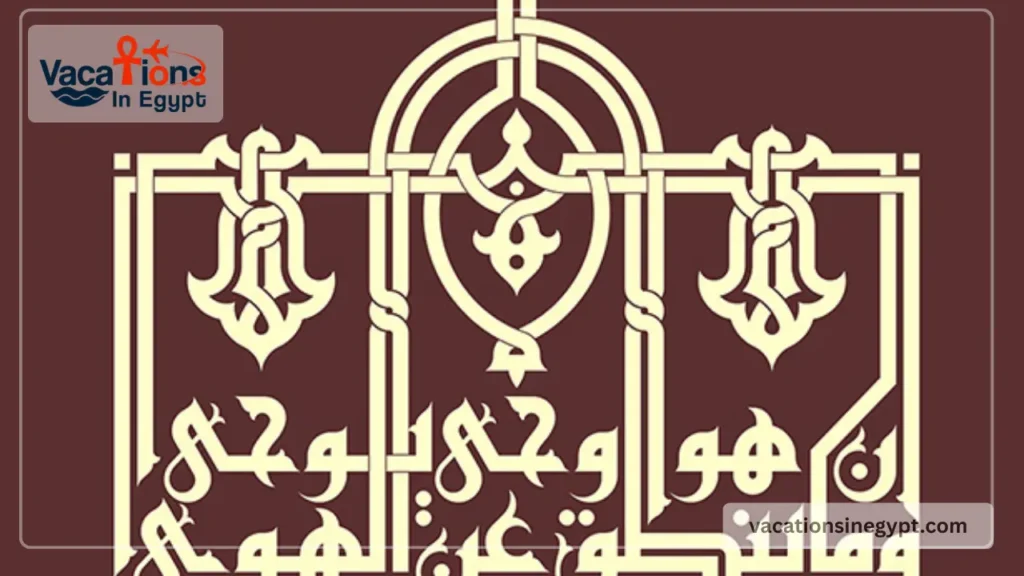
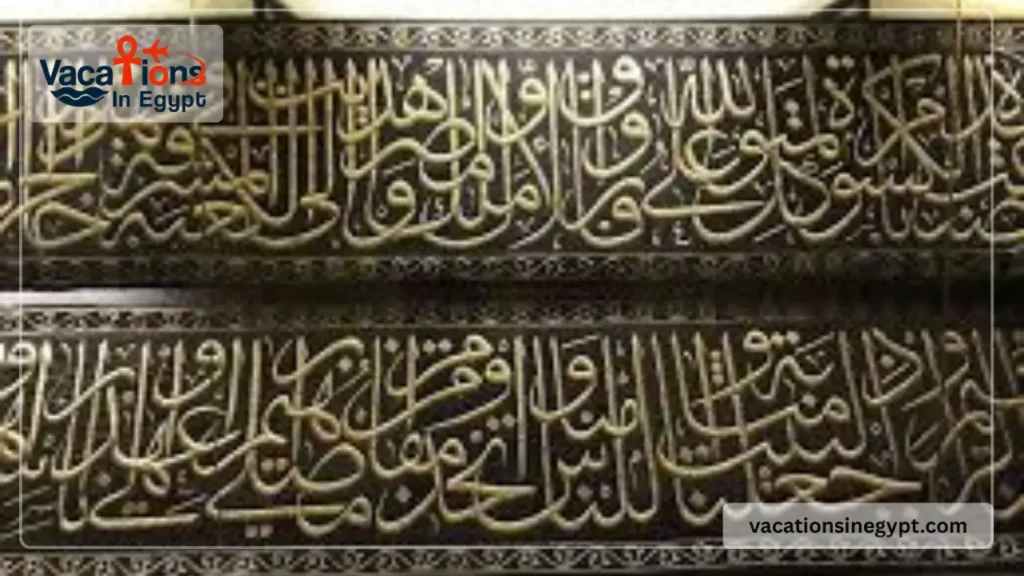
Calligraphy forms one of the most important artistic expressions in Islamic art. Artists integrated calligraphy into architecture, manuscripts, and decorative arts. The earliest Arabic script, Kufic, features angular shapes and strong geometric forms.
Artists treated words as visual art, especially Qur’anic verses. The interior of the Dome of the Rock displays extensive calligraphic inscriptions, which highlight the spiritual and artistic importance of writing. Calligraphers held a highly respected status in Islamic societies.
Islamic Ceramics
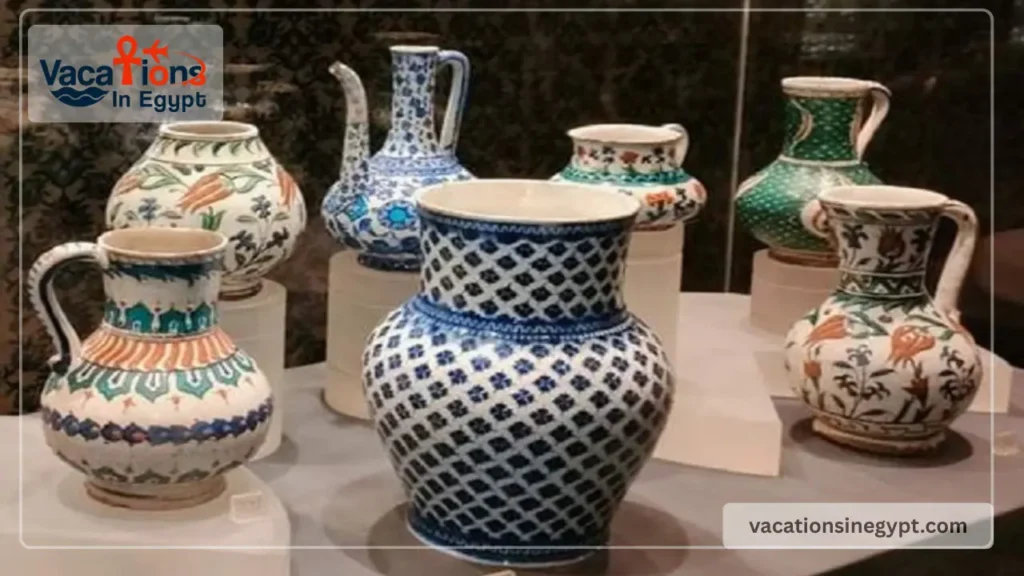
Islamic artists achieved major innovations in ceramics. Early potters produced unglazed pottery, but later craftsmen developed opaque tin glazing and stoneware techniques. Iraqi artisans led these advancements during the 9th century.
In the 8th century, craftsmen built one of the first industrial complexes for glass and ceramic production in Raqqa, Syria. Basra produced some of the earliest examples of blue-painted Islamic enamel.
Islamic Textiles
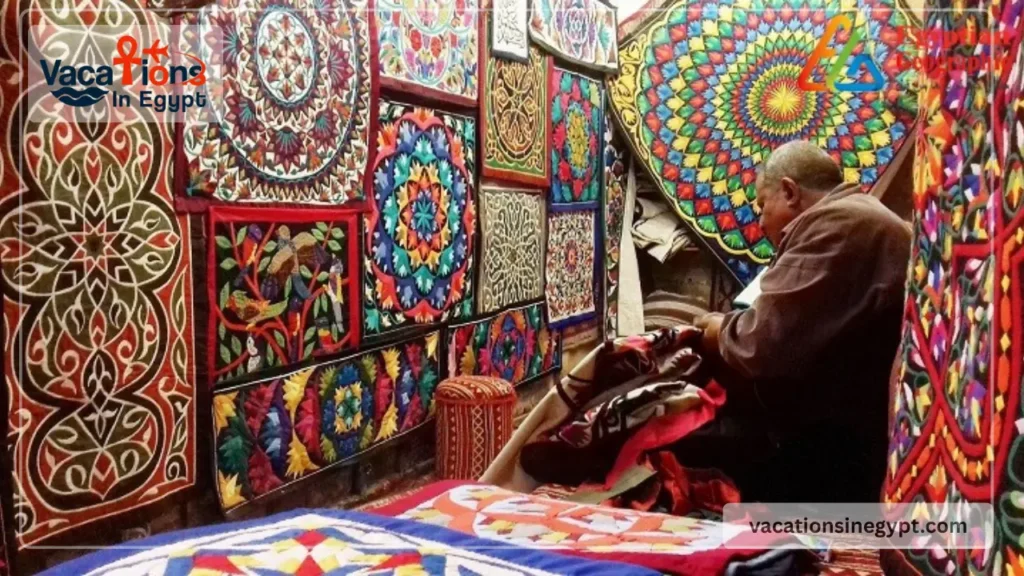
Textiles played a vital role in Islamic art, especially carpets. Weavers produced carpets from the early periods of Islamic history and expanded production as trade routes like the Silk Road flourished. These textiles served both decorative and functional purposes.
Islam and Textile Arts
Textile arts involve creating decorative and luxury items from plant and animal fibers. Islamic civilizations expanded textile production and trade, building on pre-Islamic traditions. Carpets became one of the most valuable textile products of the medieval and early modern Islamic empires.
The Ottoman Empire and Carpet Production
Ottoman artisans elevated carpet weaving into a refined art form. People used carpets not only on floors but also as wall hangings and door coverings. Craftsmen produced rugs from silk or silk-cotton blends, and Hariri carpets ranked among the most valuable Ottoman textiles.
Persian Rugs
Safavid artists transformed Persian carpet weaving into a highly organized industry. Weavers used advanced design techniques and high-quality fibers such as silk. Persian carpets became the finest examples of classical weaving and gained popularity across Europe.
European Renaissance paintings often feature Persian carpets, which confirms their importance as luxury imports and artistic masterpieces.