
Islamic History in Egypt
Islamic History in Egypt: A Complete Guide from the Conquest to the Ottoman Era
Explore the rich Islamic history of Egypt — from the 7th-century conquest by Amr ibn al-Aas and the founding of Fustat, through the Umayyad, Abbasid, Fatimid, Ayyubid, Mamluk, and Ottoman periods that shaped the Egypt we know today.
Egypt Before Islam: A Brief Overview
Before the arrival of Islam, Egypt passed through the hands of several great civilizations. After the age of the Pharaohs came Persian rule, which was later ended by Alexander the Great in 332 BCE. The Ptolemaic dynasty — descended from one of Alexander’s generals — then governed the country for nearly three centuries, until the famous defeat of Cleopatra and Mark Antony at the Battle of Actium in 31 BCE. Roman rule followed, transitioning eventually into Byzantine rule — until a new chapter in Egyptian history began with the Islamic conquest in the 7th century.
The Islamic Conquest of Egypt (639 CE)
The Islamic era in Egypt began in 639 CE, when the Arab Muslim commander Amr ibn al-Aas led his forces into the country under the banner of the Rashidun (Rightly Guided) Caliphate. After defeating the Byzantine army at the Battle of Heliopolis, Amr’s forces pressed forward, eventually capturing and restoring control of Alexandria — the jewel of the Mediterranean world.
Following the conquest, Amr ibn al-Aas selected a strategic location near the Byzantine fortress of Babylon as the site for a new Islamic city. He named it Fustat, which became Egypt’s first Islamic capital and the foundation upon which modern Cairo would eventually grow. From this moment on, Egypt became an integral part of the expanding Islamic world.

One important context for the ease of this transition: the Coptic Christian population of Egypt had suffered significant religious persecution under Byzantine rule, due to theological differences between the Coptic Church and Constantinople. The incoming Islamic administration, by contrast, offered non-Muslims a degree of religious tolerance — requiring only the payment of the jizya (a tax in exchange for protection and exemption from military service), which many Egyptians found preferable to Byzantine religious oppression.
The Umayyad Period (661–750 CE)
Following the early Rashidun Caliphate, power in the Islamic world passed to the Umayyad Caliphate, one of the most powerful and expansive dynasties in Islamic history. After the First Islamic Civil War, Muawiyah I emerged as Caliph and established his capital in Damascus, from which the Umayyads governed a vast empire stretching from Spain to Central Asia.
Egypt remained an important province under Umayyad rule, contributing to the empire’s wealth and serving as a gateway between the Arab heartland and North Africa. The Umayyad dynasty ruled for nearly a century before being overthrown by a new power rising from the east — the Abbasids.
The Abbasid Period (750–969 CE)
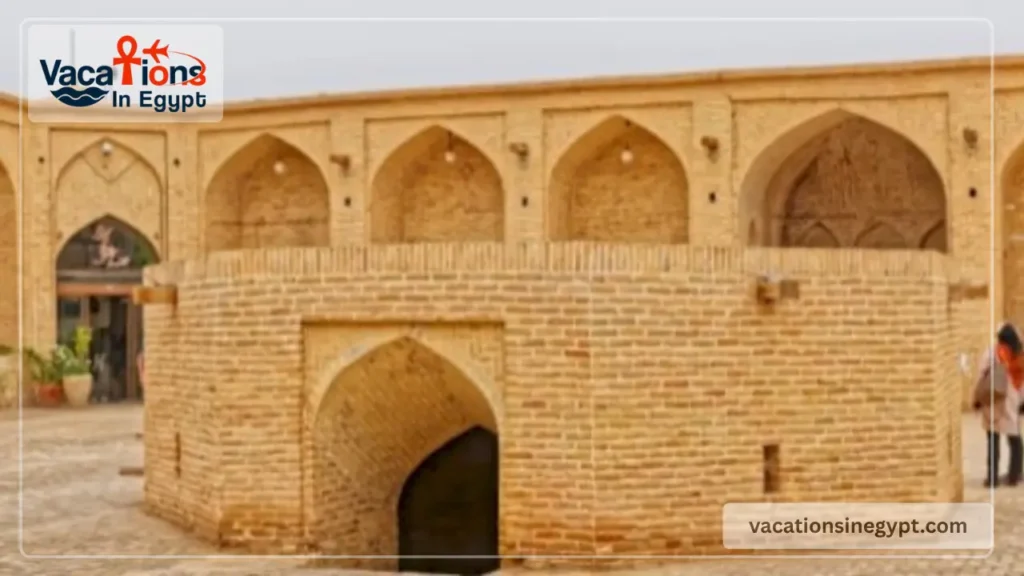
The Abbasid Caliphate came to power after decisively defeating the Umayyads and shifted the Islamic world’s center of gravity eastward, establishing their capital in Baghdad. Egypt continued to be governed as a province under Abbasid authority, though the caliphate’s grip on its distant territories gradually weakened over time.
This period of Abbasid decline opened the door for a new and transformative dynasty to take control of Egypt — the Fatimids.
The Fatimid Caliphate and the Founding of Cairo (969–1171 CE)

In 969 CE, the Fatimid Caliphate — a Shia Islamic dynasty originating from North Africa — conquered Egypt and established a magnificent new capital city just north of Fustat. They named it Al-Qahira, meaning “The Victorious” — the city the world knows today as Cairo.
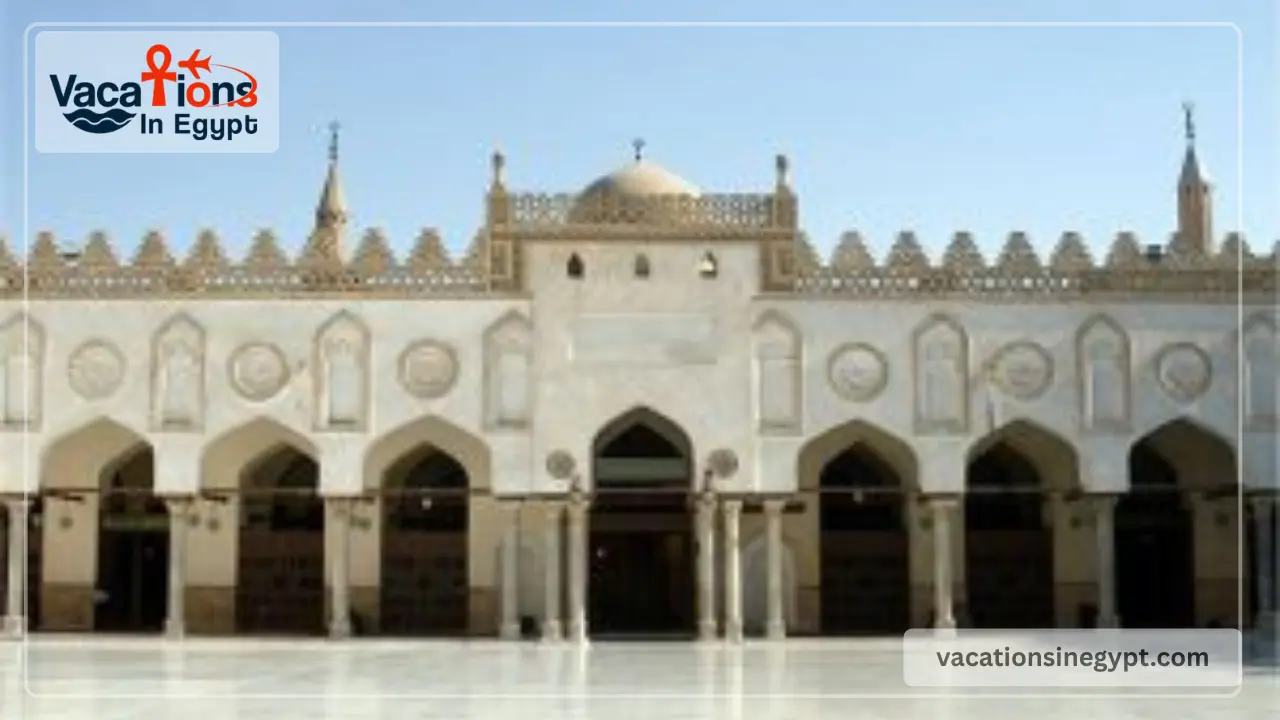
Under Fatimid rule, Cairo flourished as a center of Islamic scholarship, art, and commerce. The Fatimids constructed iconic institutions that still stand today, including Al-Azhar Mosque and University, one of the oldest universities in the world. Egypt’s geographical position made it one of the most strategically and culturally important nations in the Islamic world throughout this era.
Salah al-Din al-Ayyubi and the Ayyubid Dynasty (1171–1250 CE)

Who Was Salah al-Din?
Salah al-Din al-Ayyubi — known in the West as Saladin — is one of the most celebrated military and political leaders in Islamic history. Born in 1137 CE in Tikrit, Iraq, he was of Sunni Kurdish origin and received a thorough education in the Quran, theology, astronomy, mathematics, and law.
He rose to prominence as a military commander under the Fatimid Caliphate before ultimately overthrowing the Fatimid dynasty in 1171 CE and establishing the Ayyubid Caliphate in its place, restoring Sunni governance to Egypt.
Saladin’s Legacy
Salah al-Din is most renowned in both the Islamic world and the West for his determined defense of Egypt and the Levant against the Crusader invasions during the second half of the 12th century. His most famous victory came at the Battle of Hattin in 1187 CE, which led to the recapture of Jerusalem. Even his Crusader adversaries admired him for his chivalry, generosity, and courage in battle.
His most enduring monument in Cairo is the Citadel of Saladin (Qal’at Salah al-Din) — a towering medieval fortress built on a spur of the Mokattam Hills overlooking the city. It remained the seat of Egyptian government for nearly 700 years and is one of Cairo’s most visited landmarks today.
The Mamluk Period (1250–1517 CE)

The Mamluk Sultanate came to power when the Bahri Mamluks — a military caste of soldiers originally brought to Egypt as slaves — seized control following the death of the last Ayyubid Sultan, Salah Ayyub, in 1250 CE.
Far from being a period of decline, Mamluk rule is considered one of Egypt’s greatest eras of prosperity and cultural achievement in the post-ancient period. The Mamluks successfully repelled the Mongol invasions that had devastated much of the Islamic world, defeating them at the Battle of Ain Jalut in 1260 CE — one of the most consequential military victories in medieval history.
Cairo flourished under the Mamluks as a world-class center of Islamic art, architecture, and trade. The dynasty left behind some of the most stunning monuments in Islamic Cairo, including the grand Qalawun Complex on Al-Muizz Street — a breathtaking ensemble of a mosque, madrasa, mausoleum, and hospital that remains remarkably well preserved to this day.
The Ottoman Period (1517 CE Onward)
By the early 16th century, the Mamluk grip on Egypt had weakened considerably. Sultan Selim I of the Ottoman Empire recognized the opportunity and moved decisively. Leveraging superior military technology and organizational strength, the Ottoman army defeated the Mamluks and incorporated Egypt into the Ottoman Empire in 1517 CE.
While the Ottomans took overall political control, they retained the Mamluks as the local ruling and administrative class — a pragmatic arrangement that allowed the empire to govern Egypt without dismantling its existing power structures. Over the following centuries, the Mamluks made several attempts to reassert independence from Ottoman authority, but none succeeded in breaking Ottoman control over the country.
Egypt would remain part of the Ottoman Empire until the modern era, when Napoleon’s invasion in 1798 CE and the subsequent rise of Muhammad Ali Pasha set the stage for a new chapter in Egyptian history entirely.
The Enduring Legacy of Islamic Rule in Egypt
Across nearly fourteen centuries of Islamic governance — from the founding of Fustat to the Ottoman era — Egypt was transformed in profound and lasting ways. The Arabic language, Islam, and a rich tradition of Islamic art and architecture became central to Egyptian identity. Cities like Cairo grew into global centers of learning and culture, and Egypt’s geographical position at the crossroads of Africa, Asia, and Europe ensured its continued importance in the Islamic world and beyond.
Today, the layers of this remarkable history are visible throughout the country — in the minarets of Cairo’s mosques, the walls of Saladin’s Citadel, the tombs of Mamluk sultans, and the timeless streets of Islamic Cairo, a UNESCO World Heritage Site.
Key Timeline of Islamic History in Egypt
- Period Dynasty Years
- Islamic Conquest Rashidun Caliphate 639–661 CE
- Umayyad Rule Umayyad Caliphate 661–750 CE
- Abbasid Rule Abbasid Caliphate 750–969 CE
- Fatimid Rule Fatimid Caliphate 969–1171 CE
- Ayyubid Rule Ayyubid Dynasty 1171–1250 CE
- Mamluk Rule Mamluk Sultanate 1250–1517 CE
- Ottoman Rule Ottoman Empire1 517–1798 CE
Frequently Asked Questions
When did Islam come to Egypt?
What was Fustat?
Who founded Cairo?
What is Saladin's connection to Egypt?
What did the Mamluks contribute to Egypt?
How did Ottoman rule begin in Egypt?
What are the best places to explore Islamic history in Egypt?
- Baron Empain Palace
- Saqqara New Discovery
- Romantic Honeymoon Vacation In Egypt
- Queen Cleopatra VII: The Last Pharaoh of Ancient Egypt
- Best Spots for Diving in Egypt
- Medical Tourism in Egypt
- New Alamein City
- Mousa Mountain: Unwind in Nature’s Tranquility
- Nefertiti
- Giftun Island: A Portrayal of Lagoon in Egypt