King Ramses II
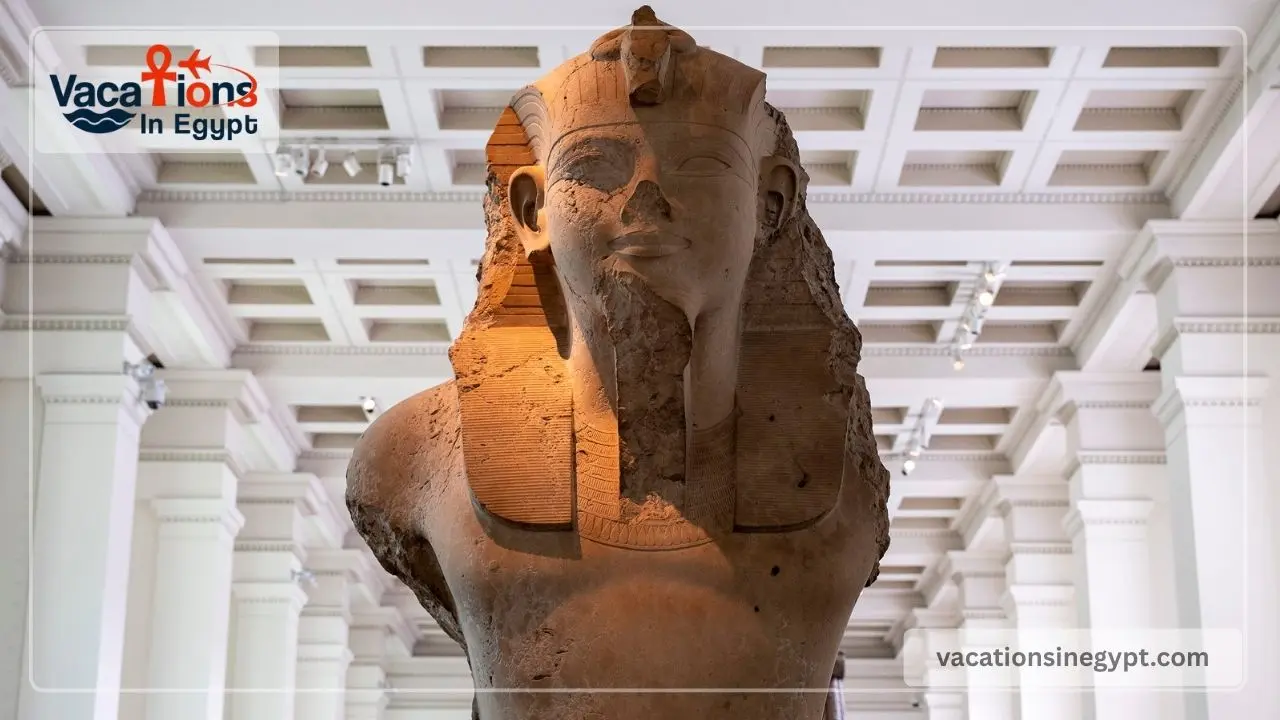
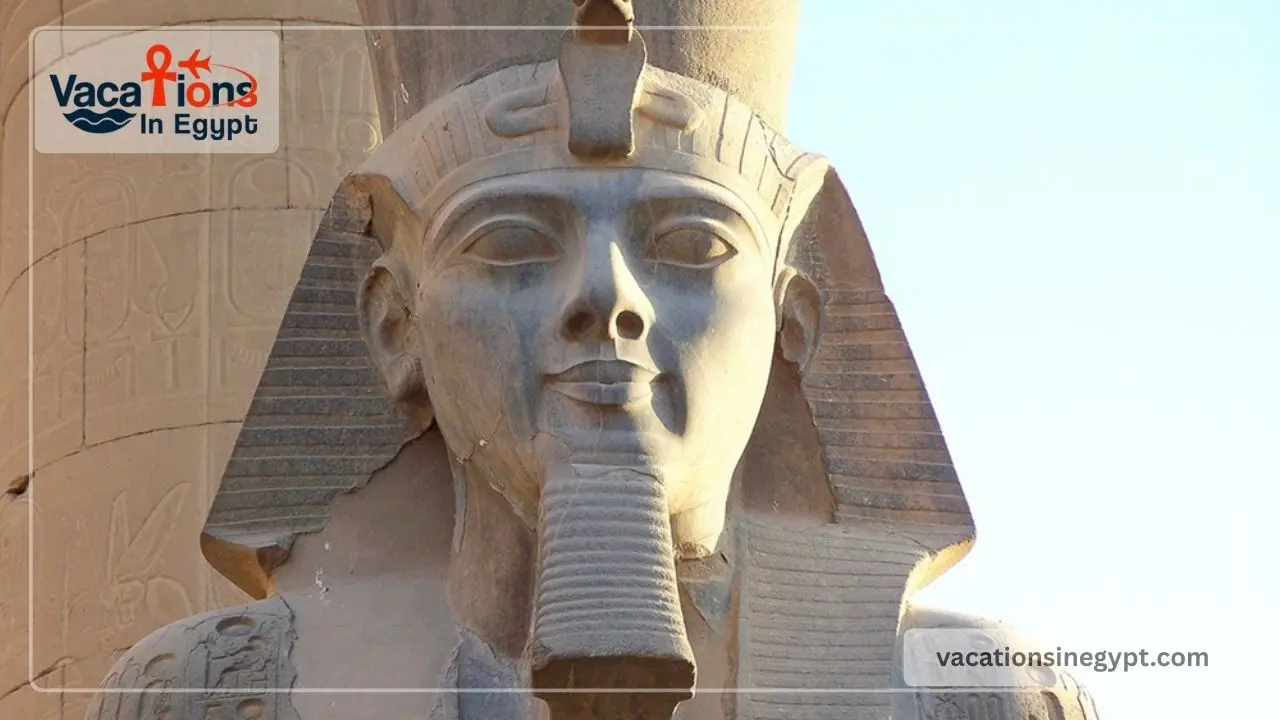
King Ramses II is widely considered one of the most famous kings of Egypt and arguably the most powerful pharaoh to ever wear the double crown. Known to history as Ramses the Great, he participated in military campaigns alongside his father before ascending the throne, eventually leading Egypt into a golden age.
In this article, we will explore the fascinating history, facts, and architectural wonders left behind by this legendary ruler.
| Category | Details |
|---|---|
| Full Name | Ramses II (Ramses the Great) |
| Dynasty | 19th Dynasty of Ancient Egypt |
| Reign | c. 1279 BC – 1213 BC (66+ years) |
| Major Achievements | First peace treaty, major military campaigns |
| Famous Monuments | Abu Simbel, Ramesseum, Luxor Temple |
| Age at Death | Around 90 years |
Who Is Ramses II?
Ramses II was the third pharaoh of the 19th Dynasty of Egypt. He is celebrated as one of the most respected leaders in Egyptian history, overseeing some of the most astonishing technological and architectural achievements of the ancient world.
His successors and the Egyptian people later called him “The Great Ancestor.” Many historians also associate him with the Pharaoh of the biblical Exodus, adding to his enduring fame.
How Long Did Ramses II Rule?
Ramses II is associated with an incredible period of stability. He ruled for over 66 years, from approximately 1279 BC to 1213 BC.
He assumed power after the death of his father, Seti I. At the time, the region faced instability and conflict. However, Ramses proved himself a capable leader, transforming a period of uncertainty into an era of prosperity. His reign is often viewed as the pinnacle of imperial Egypt’s power.
Ramses II Achievements
There is no doubt that a king of such power left a mark on history. Ramses II’s achievements spanned military conquests, diplomacy, and massive building projects.
1. The First Peace Treaty
Ramses II was a skilled diplomat. After fighting a long war against the Hittites, he signed the first recorded peace treaty in human history. This agreement ended the conflict and established a bond of brotherhood between the two great empires.
2. Architectural Marvels
Ramses II was a prolific builder. He ordered the construction of cities, temples, and monuments that still stand today.
- The Ramesseum: This massive memorial temple was built to honor Ramses II and celebrate his reign. Located on the west bank of the Nile, it features a large courtyard, a colossal statue of the king, and inscriptions detailing his victories.
- Luxor Temple: Dedicated to the Theban triad (Amun, Mut, and Khonsu), this temple was the center of the Opet Festival. Ramses II added the great pylon and two massive obelisks to the front of this complex.
- Abu Simbel Temples: Perhaps his most famous achievement, these massive temples were carved directly into a rock face in Nubia. They stand as a testament to his power and grandeur, ensuring his name would last for eternity.
3. Military Campaigns
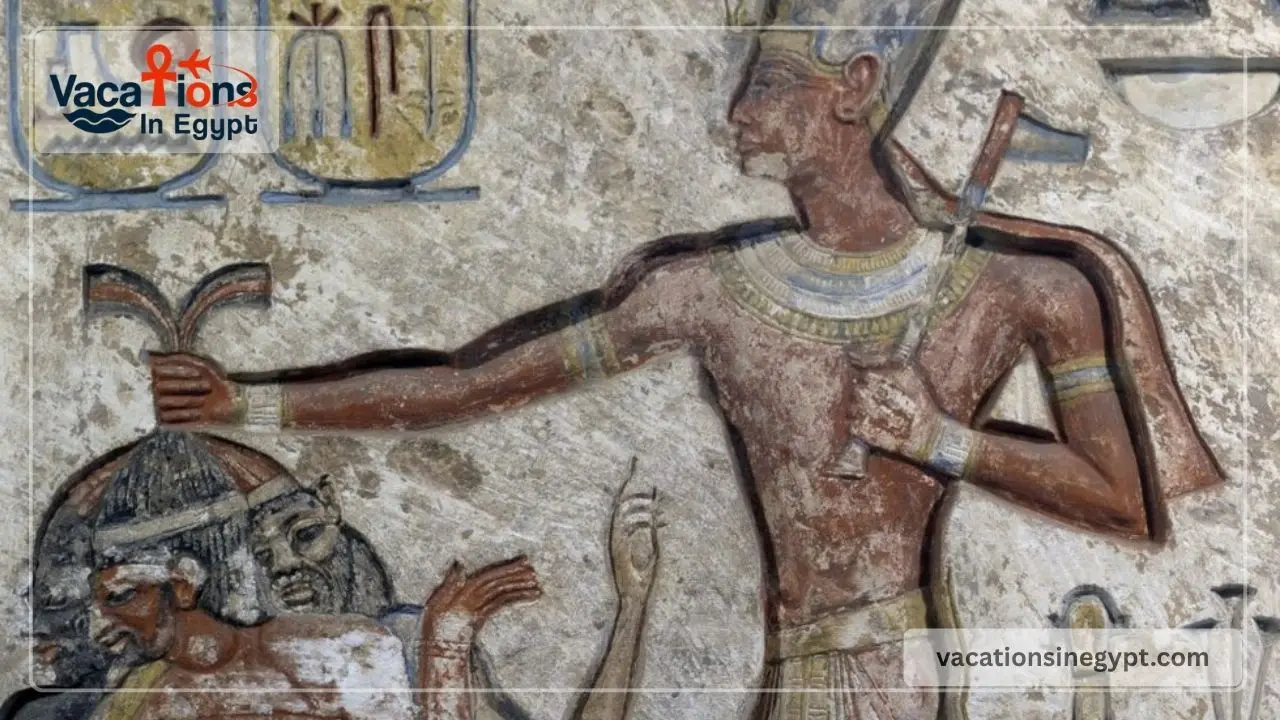
Ramses II was a brilliant military strategist who led campaigns into neighboring regions to secure Egypt’s borders. The most famous of these was the Battle of Kadesh in 1274 BC against the Hittite Empire. It is one of the largest chariot battles ever fought, and Ramses ensured his “victory” was documented on temple walls throughout Egypt.
Life and Family
Ramses II lived a long life and had a massive family, including over 100 children. While he had many wives, his heart belonged to one woman above all others.
Queen Nefertari
Queen Nefertari was the principal and most beloved wife of King Ramses II. She was not just a consort but an important collaborator in the political and cultural life of Egypt. Her influence was so significant that Ramses dedicated the smaller temple at Abu Simbel to her—a rare honor for a queen.
How Did Ramses II Die?
How did Ramses II die? After a remarkably long life, Ramses II died of natural causes related to old age. Historical evidence suggests he suffered from arthritis and dental issues in his later years.
He died at the approximate age of 90, having outlived many of his own sons. His mummy was originally buried in the Valley of the Kings (KV7), but it was later moved by priests to a royal cache to protect it from looters. Today, his well-preserved mummy is one of the highlights of the National Museum of Egyptian Civilization (NMEC) in Cairo.
What Happened After Ramses II Died?
What happened after Ramses II died? His son, Merneptah (the 13th son of Ramses), ascended to the throne. While Ramses’ descendants continued to rule for several generations, making the Ramesside dynasty one of the longest in history, Egypt slowly began to face new challenges. The sheer scale of Ramses’ spending on monuments and military campaigns, combined with changing geopolitical tides, eventually led to the decline of the New Kingdom’s power.
Conclusion
The history of King Ramses II is the history of Egypt at its peak. From the signing of the first peace treaty in history to the construction of the awe-inspiring Abu Simbel and Karnak temples, his legacy is written in stone.
If you are a history lover, there is no better way to understand this legacy than by seeing it yourself. Plan your trip to Egypt with our exclusive travel packages. Let Vacations in Egypt take you on a journey to Luxor and Aswan to walk in the footsteps of the pharaohs. Book today and experience one of the best trips of your life.