King Seti I
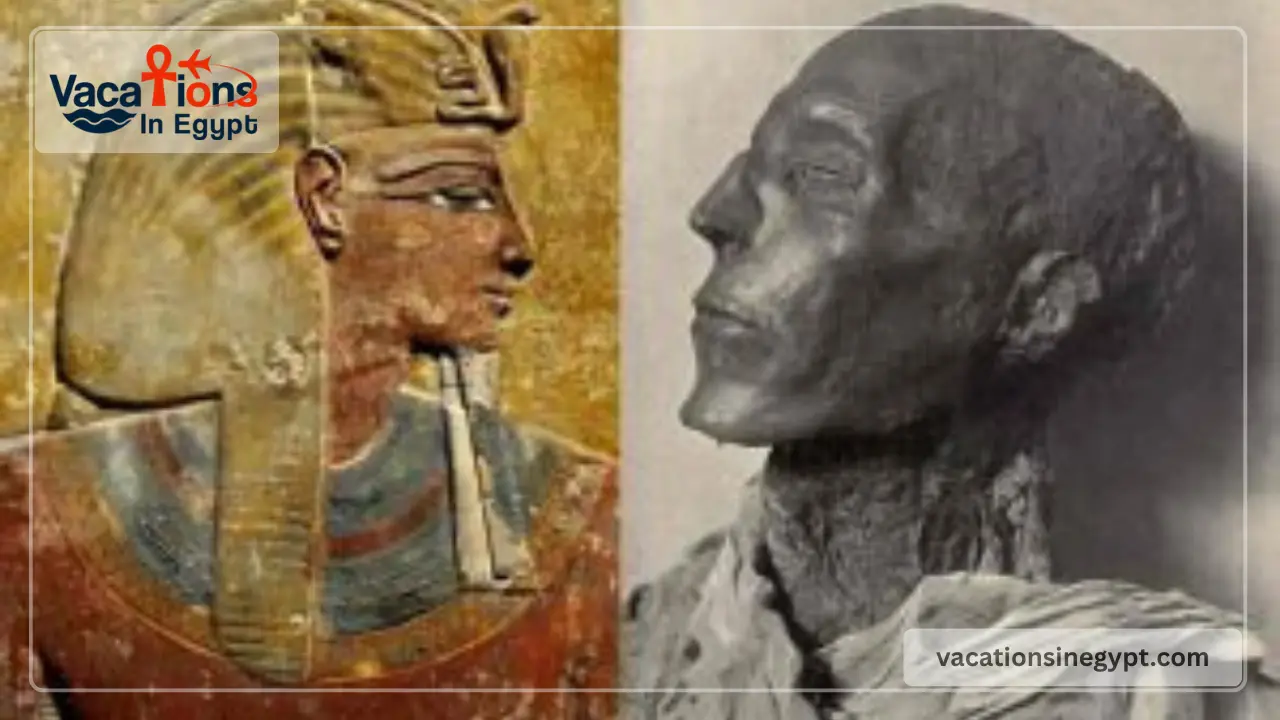
Seti I Pharaoh of Egypt was one of the most important rulers of the New Kingdom and a key figure in Egypt’s military and religious revival. As the second pharaoh of the Nineteenth Dynasty, Seti I was the father of Ramesses II and the son of Ramesses I. His reign marked a period of stability, expansion, and renewed devotion to Egypt’s traditional gods.
Seti I is remembered as a visionary leader who strengthened Egypt’s borders, restored order after political unrest, and left behind remarkable temples and monuments.
The Reign of King Seti I
The reign of Seti I Pharaoh of Egypt focused on rebuilding Egypt’s power following the religious upheaval caused by Akhenaten’s reforms. One of his main goals was to restore Egypt’s authority over regions such as Canaan and Syria.
Seti I engaged in several successful military campaigns, especially against the powerful Hittite Empire, ensuring Egypt’s dominance in contested territories.

Military Campaigns and Expansion of Egypt
Seti I was a skilled warrior king who led Egypt’s armies personally. His military strength helped secure Egypt’s eastern borders and prevented foreign invasions.
His campaigns played a crucial role in re-establishing Egypt as a major empire in the ancient Near East.
Capture of Kadesh: Seti I’s Greatest Battle
One of the most famous events of Seti I’s reign was his attempt to capture the strategic city of Kadesh, a key stronghold in Syria.
- In Year 3, Seti launched an early campaign that achieved significant success.
- In Year 4, another campaign followed but resulted in a treaty with the Hittites.
Historical evidence suggests that Seti may have briefly captured Kadesh, as fragments of a triumphal stele bearing his name were found there.
However, later conflicts over Kadesh continued under his son Ramesses II.
Restoration of Egypt’s Religion
Seti I also worked to strengthen Egypt’s religious traditions. He promoted the worship of Amun-Ra, the chief god of the Egyptian pantheon, and helped restore temples that had suffered during earlier religious reforms.
His reign represented a return to stability, divine order, and traditional beliefs.
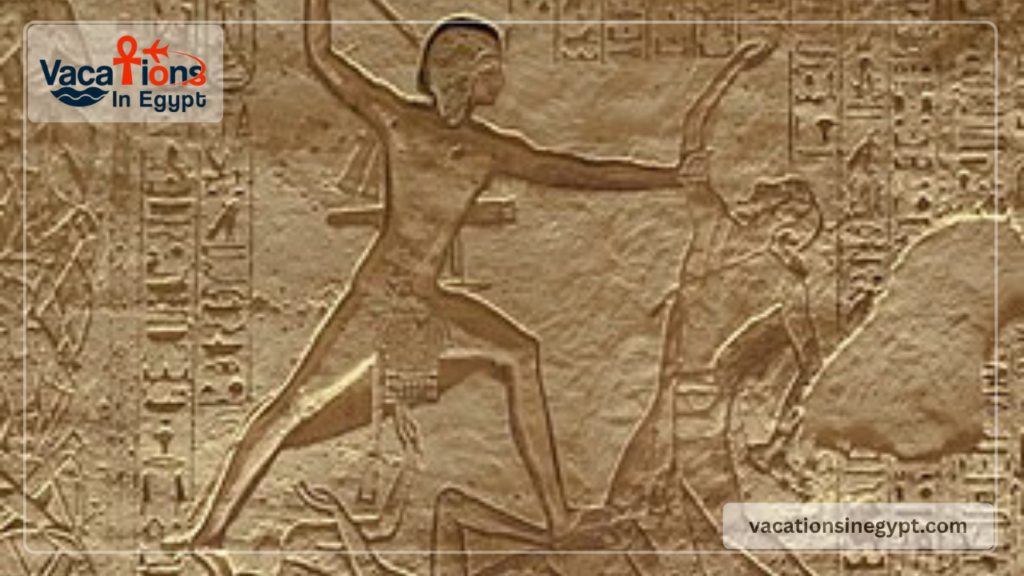
Temples and Monuments Built by Seti I
Seti I was not only a warrior but also a great builder. Among his most important monuments are:
The Mortuary Temple of Seti I (Qurna)
Seti built a funerary temple at Qurna, dedicated to his eternal worship after death.
The Temple of Abydos
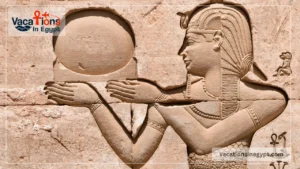
One of Egypt’s most beautiful temples, the Abydos Temple was built from white limestone and later completed by Ramesses II. It remains one of the finest examples of New Kingdom architecture.
Seti I’s Tomb in the Valley of the Kings
The tomb of Seti I Pharaoh of Egypt is considered one of the most magnificent tombs ever discovered.
- Located in the Valley of the Kings, west of Thebes
- Discovered in 1817
- Famous for its colorful inscriptions, symbolic paintings, and hidden chambers
Despite the tomb’s splendor, the mummy of Seti I was missing for a long time, adding mystery to his burial.
Interesting Facts About Seti I
- Seti I is sometimes identified as the Pharaoh connected to the story of Moses in later traditions.

- The Abydos Temple presents him closely linked with Osiris, god of the afterlife.
- His tomb is among the largest and most luxurious in the Valley of the Kings.
- His achievements were later overshadowed by the fame of his son, Ramesses II.
Conclusion: The Legacy of Seti I Pharaoh of Egypt
Seti I Pharaoh of Egypt remains one of the most respected rulers of ancient Egypt. Through military victories, religious restoration, and monumental architecture, he helped rebuild Egypt’s strength during the New Kingdom.
His reign laid the foundation for the later greatness of Ramesses II, while his temples and tomb continue to inspire historians and travelers today.