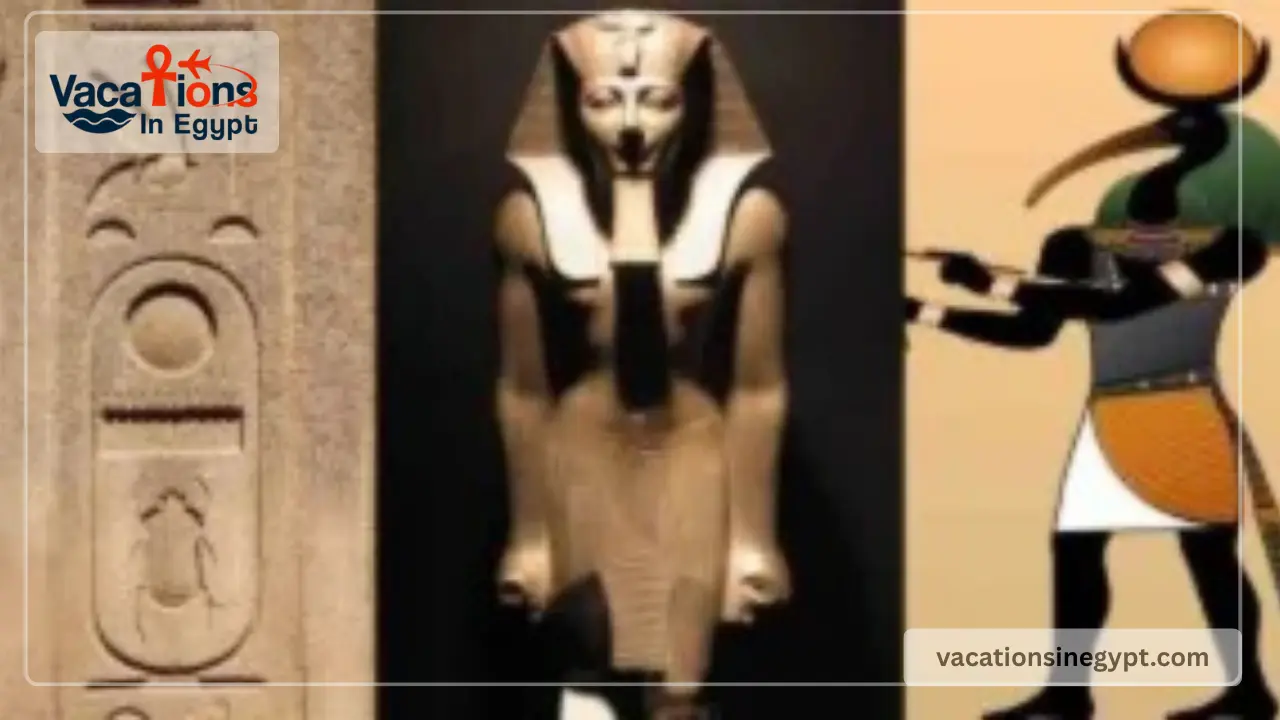
King Thutmose III
Pharaoh Thutmose III is widely regarded as one of the greatest rulers in the history of ancient Egypt. Known for his military brilliance and powerful leadership, he expanded Egypt’s empire to its greatest size and earned the لقب “Napoleon of Ancient Egypt.”
Thutmose III ruled for nearly 54 years, defeating many of Egypt’s enemies and establishing dominance across the Near East and Nubia.
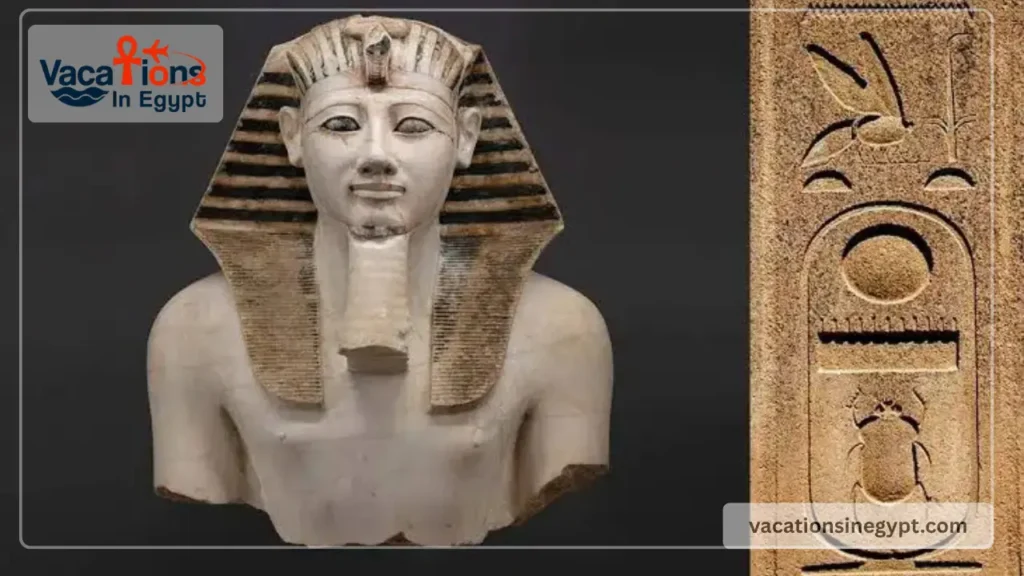
Who Was Pharaoh Thutmose III?
Thutmose III was the son of King Thutmose II and Queen Isis. He became one of the most important pharaohs of the Eighteenth Dynasty and is remembered as Egypt’s greatest military strategist.
Although he came to the throne at a young age, he later became a strong ruler who transformed Egypt into an empire of unmatched power.
King Thutmose III’s Family and Early Life
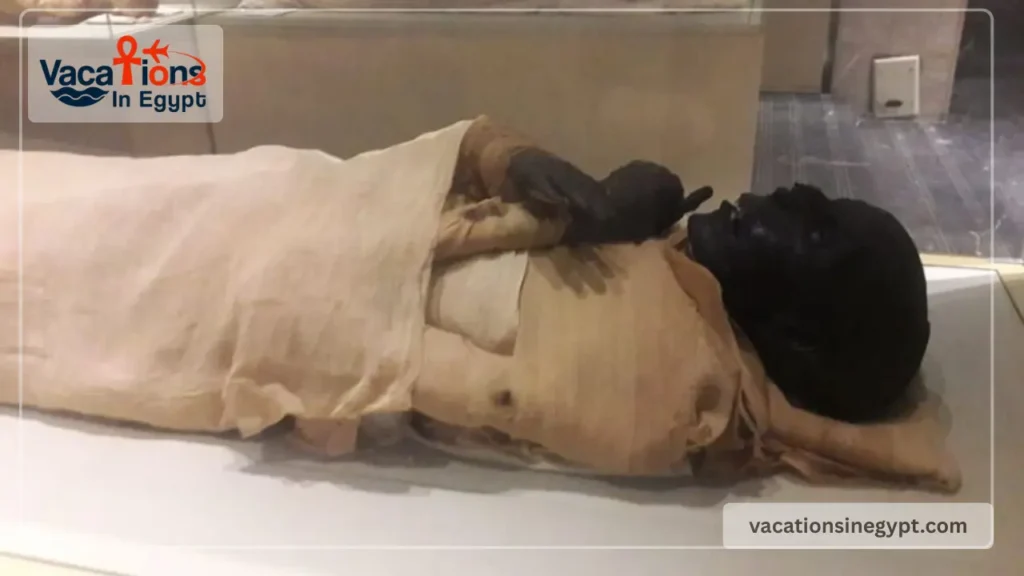
After the death of Thutmose II, the young Thutmose III was too young to rule. As a result, his stepmother Queen Hatshepsut declared herself pharaoh and governed Egypt during a long and prosperous era.
When Thutmose III grew older, Hatshepsut appointed him as commander of her army. After her death, he became the sole ruler of Egypt.
Wives and Children
Thutmose III had two principal wives and several children, including:
- Amenemhat (son of Satiah)
- Meritamon
- Amenhotep II, who later became pharaoh
Some historians also believe he may have married Neferura, Hatshepsut’s daughter.
Military Campaigns of Thutmose III
Thutmose III is most famous for his extensive military campaigns. He led at least 17 major expeditions into foreign lands, making Egypt the dominant power of the ancient world.
His conquests extended across:
- The Near East
- Syria and Palestine
- Nubia
- Cyprus
- The Euphrates region
He strengthened Egyptian control through both military victories and effective trade connections with neighboring kingdoms.
The Battle of Megiddo: Thutmose III’s Greatest Victory
The most famous battle fought by Thutmose III was the Battle of Megiddo, considered the first fully recorded battle in world history.
Key Facts About the Battle
- Fought against a rebel alliance of Canaanite city-states
- Led by the King of Kadesh
- Recorded in hieroglyphs at the Temple of Amun-Ra in Karnak
- First known use of the compound bow
- Included one of the earliest recorded body counts
Thutmose III chose the most dangerous route through a narrow mountain pass, surprising his enemies. Although the battle led to a long siege, it ended in a decisive Egyptian victory.
This triumph marked the beginning of Egypt’s greatest imperial expansion.
Achievements of Pharaoh Thutmose III
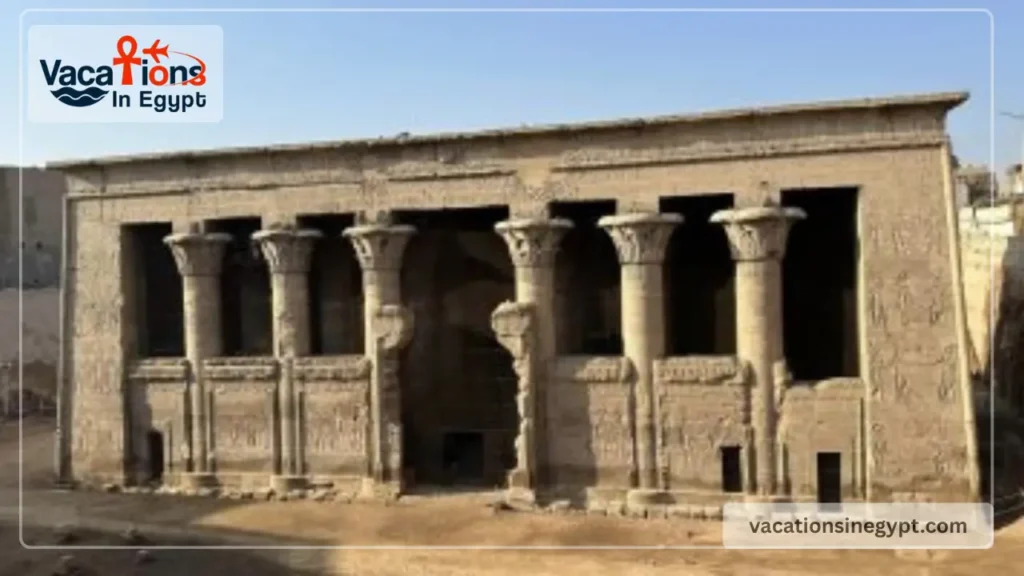
Beyond warfare, Thutmose III made major contributions to architecture, religion, and monument building.
Major Accomplishments
- Built numerous temples, statues, and monuments
- Restored structures originally built by his father
- Erected two massive granite obelisks
- Expanded Egypt’s wealth through conquest and trade
His reign was one of the most successful and productive periods in ancient Egyptian history.
Thutmose III’s Achievements at Karnak Temple
Karnak Temple was one of Thutmose III’s greatest architectural focuses.
Important Constructions
- Recorded his 17 military campaigns on temple walls
- Built the famous Festival Hall of Thutmose III
- Constructed a temple dedicated to the god Ptah
- Developed major religious buildings at Medinet Habu, including temples for Amun-Ra
These projects reflect both his devotion to the gods and his desire to immortalize his victories.
Tomb of King Thutmose III
Thutmose III was one of the first pharaohs to build his tomb in the Valley of the Kings, setting a tradition for later rulers.
Features of His Tomb
- Located in a remote area between high limestone cliffs
- Designed with corridors at unusual angles and false doors for protection
- Considered the oldest painted tomb in the valley
- Walls resemble giant funerary papyri
- Burial chamber includes sacred texts such as the Litanies of Ra
His tomb remains one of the most significant royal burials in ancient Egypt.
Legacy of Pharaoh Thutmose III
Pharaoh Thutmose III left behind an extraordinary legacy as Egypt’s greatest warrior king and one of its most accomplished rulers. His military victories, monumental architecture, and imperial expansion ensured Egypt reached the height of its power during the New Kingdom.
To this day, Thutmose III is remembered as one of the most influential pharaohs in all of ancient history.