Mousa Mountain: Unwind in Nature’s Tranquility
Mousa Mountain (Jebel Musa): The Ultimate Guide to Egypt’s Sacred Peak
Meta Description: Discover Mousa Mountain (Jebel Musa / Mount Sinai) — a complete travel guide covering the hike, summit views, St. Catherine Monastery, Bedouin culture, and tips for planning your visit to this iconic Egyptian landmark.
What Is Mousa Mountain?
Mousa Mountain — also known as Jebel Musa or Mount Sinai — is one of the most spiritually significant and naturally stunning destinations in Egypt. Located in the heart of the Sinai Peninsula, this sacred peak draws pilgrims, hikers, and history lovers from around the world. Whether you’re seeking a spiritual journey, a challenging trek, or an escape into breathtaking desert landscapes, Mousa Mountain delivers an experience unlike any other.
Why Visit Mousa Mountain? (History & Significance)
According to the Bible’s Book of Exodus, Mousa Mountain is the legendary site where Moses received the Ten Commandments from God. This profound biblical connection has made the mountain a major pilgrimage destination for Christians, Jews, and Muslims alike for centuries.
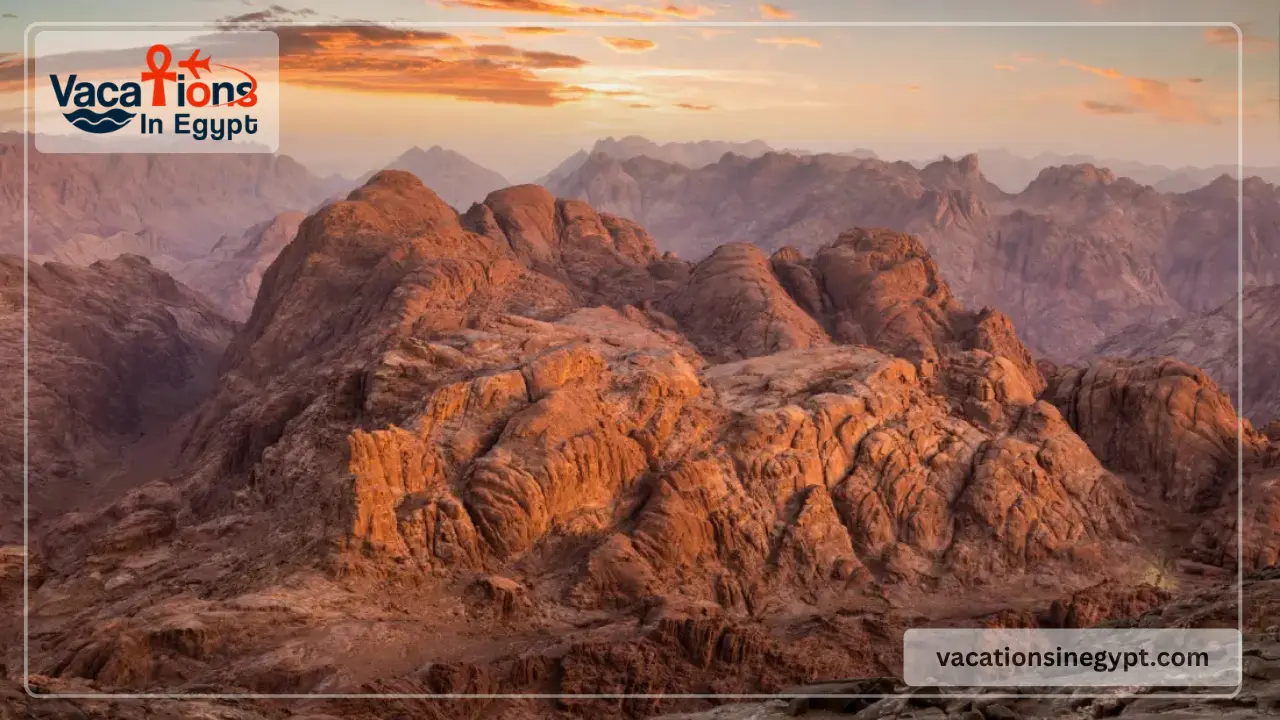
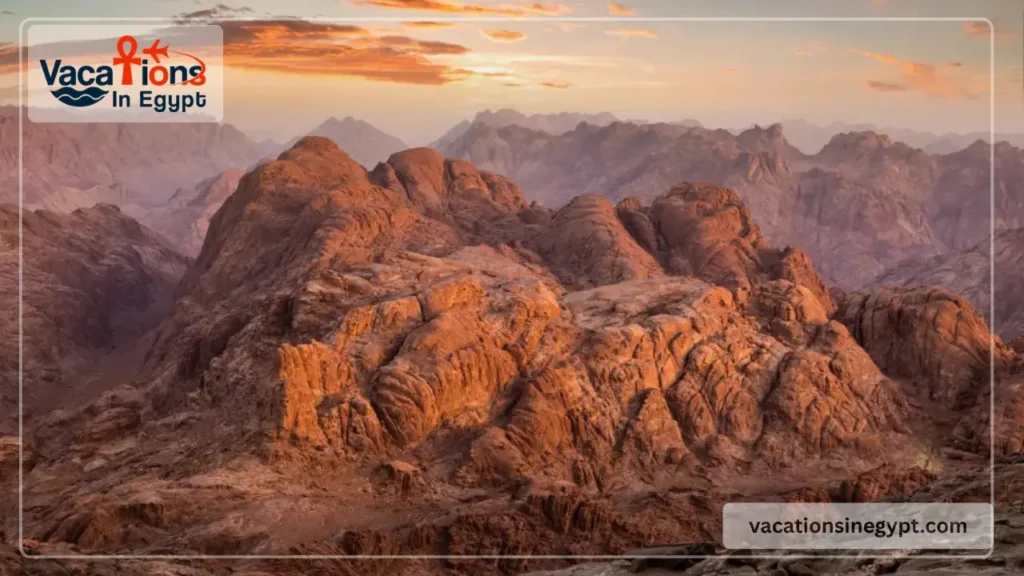
Beyond its religious importance, Jebel Musa offers extraordinary natural beauty — jagged granite peaks, sweeping desert valleys, and skies that seem to stretch endlessly above the arid landscape.
How to Hike Mousa Mountain: A Step-by-Step Guide
Step 1: Research and Prepare
Before setting out, familiarize yourself with the available trails and check the weather forecast. Pack:
- Comfortable, sturdy hiking shoes
- Layered clothing (temperatures drop sharply at night)
- Sunscreen and sunglasses
- Plenty of water and snacks
- A map or GPS device
Hiring a local Bedouin guide is strongly recommended — they provide invaluable knowledge of the terrain and enhance your safety on the trail.
Step 2: Start Early
Begin your ascent early in the morning or late at night if you plan to watch the sunrise. Starting early gives you enough daylight to reach the summit and descend safely. Eat a hearty meal beforehand to fuel the climb.
Step 3: Follow the Marked Trail
Stick to the designated paths at all times. The main trail is well-marked and accessible to hikers of varying fitness levels. Staying on marked routes helps protect the natural environment and ensures you don’t get lost.
Step 4: Pace Yourself
This is not a race. Take regular breaks to rest, hydrate, and appreciate your surroundings. Adjust your speed based on your fitness level — the mountain will reward patience.
Step 5: Reach the Summit
The summit of Mousa Mountain rewards climbers with panoramic views of the surrounding Sinai mountains and valleys. Take time to soak it all in, capture photos, and reflect on the journey.
Step 6: Descend Safely
Descend carefully, watching for loose rocks and uneven terrain. Ensure you have sufficient daylight remaining before heading back down.
The Mousa Mountain Sunrise: A Once-in-a-Lifetime Experience
One of the most unforgettable moments a traveler can have is witnessing the sunrise from the summit of Mousa Mountain. As dawn breaks over the Sinai Peninsula, the sky erupts in shades of pink, orange, and gold — an awe-inspiring panorama that feels almost otherworldly. Many visitors describe this moment as deeply spiritual, regardless of their religious background. If you do nothing else at Mousa Mountain, make sure you witness this.
St. Catherine Monastery: A UNESCO World Heritage Site
At the foot of Mousa Mountain stands the St. Catherine Monastery, one of the oldest continuously inhabited Christian monasteries in the world. Built between the 4th and 6th centuries, this remarkable structure is a UNESCO World Heritage Site housing:
- Ancient religious icons and manuscripts
- Stunning Byzantine architecture
- Sacred relics with centuries of history
A visit to St. Catherine Monastery is an essential complement to your Mousa Mountain experience and can easily be combined into the same trip.
Bedouin Culture: Connect with the People of the Sinai
The Sinai Peninsula is home to the Bedouin people, whose rich cultural traditions have been shaped by the desert landscape for generations. During your visit, take the opportunity to:
- Engage in conversation with local Bedouin guides
- Participate in traditional activities
- Sample authentic Bedouin cuisine, including grilled meats and aromatic herbal teas
This cultural exchange adds tremendous depth to any Mousa Mountain visit and offers a perspective on the region that goes far beyond sightseeing.
Exploring the Surrounding Area
Dahab: Beach, Diving & Adventure
Just a short drive from Mousa Mountain, the coastal town of Dahab offers world-class diving, snorkeling, windsurfing, and relaxed beach vibes. Its crystal-clear Red Sea waters are teeming with colorful coral reefs and exotic marine life — a paradise for underwater enthusiasts.
The Red Sea: Dive into Another World
The Red Sea coastline near Mousa Mountain is among the most biodiverse marine environments on Earth. Whether you’re an experienced diver or a first-time snorkeler, the vibrant underwater ecosystem here is truly spectacular.
St. Catherine City & Moses’ Well
The nearby city of St. Catherine is home to the St. Catherine Museum, which houses an impressive collection of religious artifacts and ancient manuscripts. Don’t miss a hike to Moses’ Well, the legendary site where Moses is said to have met his wife.
Best Time to Visit Mousa Mountain
Spring and autumn offer the best balance of pleasant weather and manageable crowds.
Practical Travel Tips for Mousa Mountain
- Hire a local guide for safety and a richer experience
- Book accommodation in advance, especially during peak seasons
- Respect the sacred nature of the site — it holds deep significance for pilgrims of multiple faiths
- Bring cash as ATMs can be scarce in the area
- Dress modestly when visiting the monastery and religious sites
Final Thoughts: Is Mousa Mountain Worth It?
Absolutely. Mousa Mountain is one of Egypt’s most extraordinary destinations — a rare convergence of natural grandeur, ancient history, religious significance, and vibrant local culture. Whether you’re a pilgrim, an adventurer, or a curious traveler, Jebel Musa will leave a lasting impression.
Pack your bags, lace up your boots, and let Mousa Mountain’s timeless beauty and profound history speak for themselves.
Frequently Asked Questions
How high is Mousa Mountain?
How long does it take to hike Mousa Mountain?
Is Mousa Mountain difficult to climb?
Do I need a guide to climb Mousa Mountain?
Can I climb Mousa Mountain at night?
What should I wear to climb Mousa Mountain?
Is there an entrance fee for Mousa Mountain?
What is the best way to get to Mousa Mountain?
Can I visit St. Catherine Monastery on the same day?
Is Mousa Mountain safe to visit?
- Queen Cleopatra VII: The Last Pharaoh of Ancient Egypt
- Best Spots for Diving in Egypt
- Islamic History in Egypt
- Medical Tourism in Egypt
- New Alamein City
- Nefertiti
- Giftun Island: A Portrayal of Lagoon in Egypt
- The Majestic Pyramids of Cheops
- Oasis of Egypt: A Hidden Paradise in the Desert
- In Egypt, which holiday holds the utmost significance?