Famous Ancient Egyptian Symbols
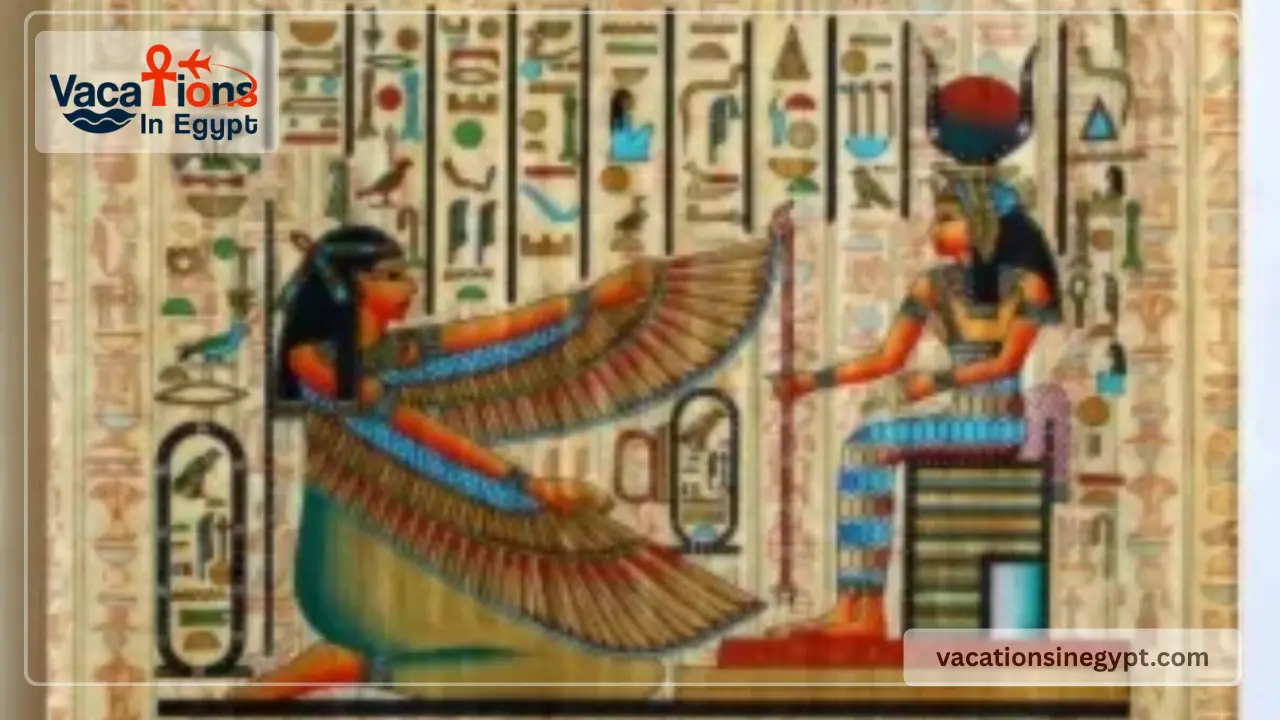
Ancient Egyptian symbols played an essential role in the culture, religion, and everyday life of one of the world’s greatest civilizations. These powerful signs were used in temples, tombs, jewelry, and rituals to represent divine protection, eternal life, stability, and cosmic order.
Many Egyptian symbols appeared throughout different historical periods, and some were even inherited from earlier civilizations. Today, these symbols continue to fascinate people around the world because of their deep meanings and connection to Ancient Egypt’s spiritual beliefs.
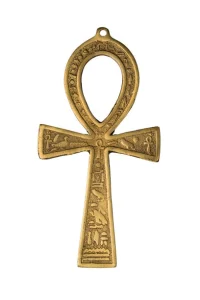
Ankh: The Symbol of Life
The Ankh, also known as Ang, is one of the most famous Egyptian hieroglyphs. It represents eternal life and the power of the gods over life and death.
Ancient Egyptians often depicted gods holding the Ankh as a sign of divine authority. It was also worn as an amulet for protection and blessings.
Eye of Horus: Protection and Healing
The Eye of Horus is an ancient Egyptian symbol of protection, health, and restoration.
It was believed to guard against disease and was commonly placed on mummies to prevent the body from decay. Today, it is often called “the all-seeing eye.”

Scarab: Rebirth and Power
The Scarab beetle symbolized death, rebirth, and great strength.
This sacred insect was associated with the cycle of life. Egyptians placed scarab amulets in tombs or carried them for protection, believing the scarab had the power to recreate life.
Eye of Ra: The Power of the Sun God
The Eye of Ra represents the fierce power and protection of the sun god Ra.
It was considered an extension of Ra’s divine strength and was closely connected to royal authority. Temple rituals often celebrated its life-giving and protective energy.
Ka and Ba: The Egyptian Concept of the Soul
Ancient Egyptians believed the soul consisted of different parts:
- Ka: The spiritual life force that remains connected to the body.
- Ba: The unique personality of a person, often depicted as a bird with a human head.
After death, the Ba could leave the body and later return to reunite with the Ka in the tomb.


Djed Pillar: The Symbol of Stability
The Djed is a symbol shaped like a column with horizontal bars. It represents:
- Stability
- Strength
- Continuity of life
It was an important element in Egyptian funerary rituals and was often linked to the god Osiris.
The Tyet Symbol: The Knot of Isis
The Tyet, also known as the Isis Knot or Blood of Isis, closely resembles the Ankh.
This symbol represents the goddess Isis and is associated with protection, life, and the balance between life and death. It frequently appeared alongside the Djed pillar in temple decorations.

Maat’s Feather: Truth and Justice
The feather of Maat symbolizes truth, balance, and divine order.
In the afterlife, Egyptians believed the heart of the deceased was weighed against Maat’s feather during the trial of Osiris. A pure heart allowed the soul to enter eternal life.

Seba Symbol: Stars and the Afterlife
The Seba symbol represents the stars.
Ancient Egyptians had advanced astronomical knowledge and believed stars traveled through the underworld each night alongside the sun.

Shen Ring: Eternity and Protection
The Shen Ring symbolizes immortality and eternal creation.
It appears as a circle with a tangent line, representing a knotted rope. Over time, it evolved into the cartouche, which enclosed the names of pharaohs.

Uraeus: Royal Authority and Divine Protection
The Uraeus is the sacred cobra symbol worn on the crowns of pharaohs.
It represented the protective goddess of Lower Egypt and symbolized royal power, authority, and divine guardianship.
Staff and Flail: Symbols of Kingship
The Staff and Flail were among the most important royal symbols, originally associated with Osiris.
- The staff represented leadership and kingship
- The flail symbolized fertility and the pharaoh’s duty to provide prosperity

Winged Solar Disk: The Sun’s Divine Power
The Winged Solar Disk is one of the oldest religious symbols in the world.
It represents the sun god Ra’s power and protection and was widely used as an amulet. Similar symbols also appeared in other ancient cultures.

Winged Solar Disk: The Sun’s Divine Power
The Winged Solar Disk is one of the oldest religious symbols in the world.
It represents the sun god Ra’s power and protection and was widely used as an amulet. Similar symbols also appeared in other ancient cultures.

Menat Symbol: Sacred Necklace of Protection
The Menat was a ceremonial necklace made of beads and amulets, often buried with the dead.
It symbolized protection, fertility, and spiritual power.

Final Thoughts: Discover Ancient Egyptian Symbols in Egypt
Visiting Egypt’s temples, tombs, and archaeological sites is the best way to experience these incredible symbols firsthand.
The walls of temples, obelisks, and monuments reveal the brilliance of the ancient Egyptians and the spiritual importance of every symbol.
Enjoy exploring Egypt with us and uncover the wonders of ancient Egyptian civilization through unforgettable cultural tours.