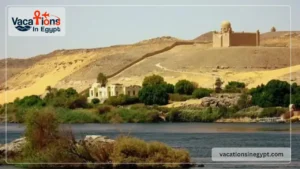
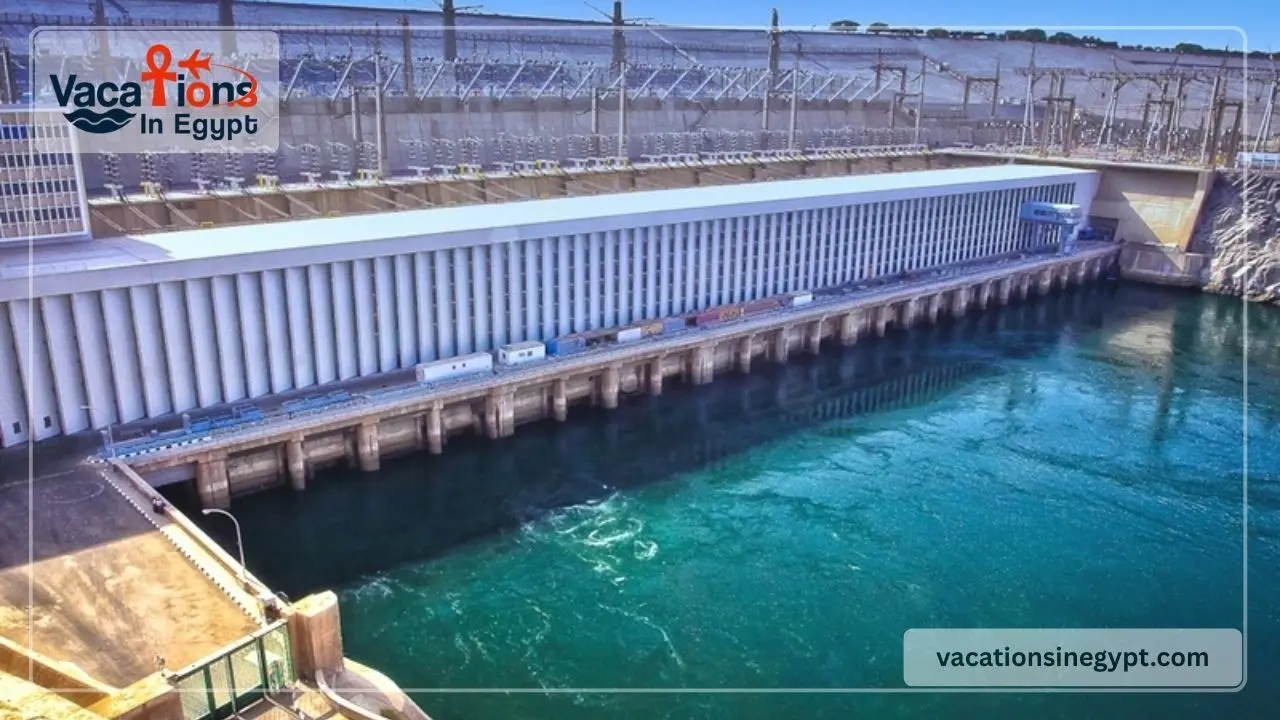
High Dam Aswan
While Aswan is famous for its ancient pharaonic temples and the scenic Nile, it is also home to one of the most significant engineering feats of the 20th century: the Aswan High Dam (El-Sadd al-Ali).
Constructed between 1960 and 1970, this mega-project changed the face of Egypt forever. By taming the mighty Nile River, the dam ended the cycle of dangerous annual floods and droughts, providing electricity and water security for the entire country. A visit here offers breathtaking views of Lake Nasser and a fascinating look at modern Egyptian history.
| Key Detail | Information |
|---|---|
| Name | Aswan High Dam (El-Sadd al-Ali) |
| Location | 15 km south of Aswan, Egypt |
| Construction Period | 1960–1970 (inaugurated in 1971) |
| Purpose | Flood control, electricity generation, water security |
| Major Outcome | Creation of Lake Nasser (largest man-made lake by surface area) |
Why Was the High Dam Built?
For millennia, Egypt’s fate depended on the annual Nile flood. Too much water destroyed crops and homes; too little caused famine.
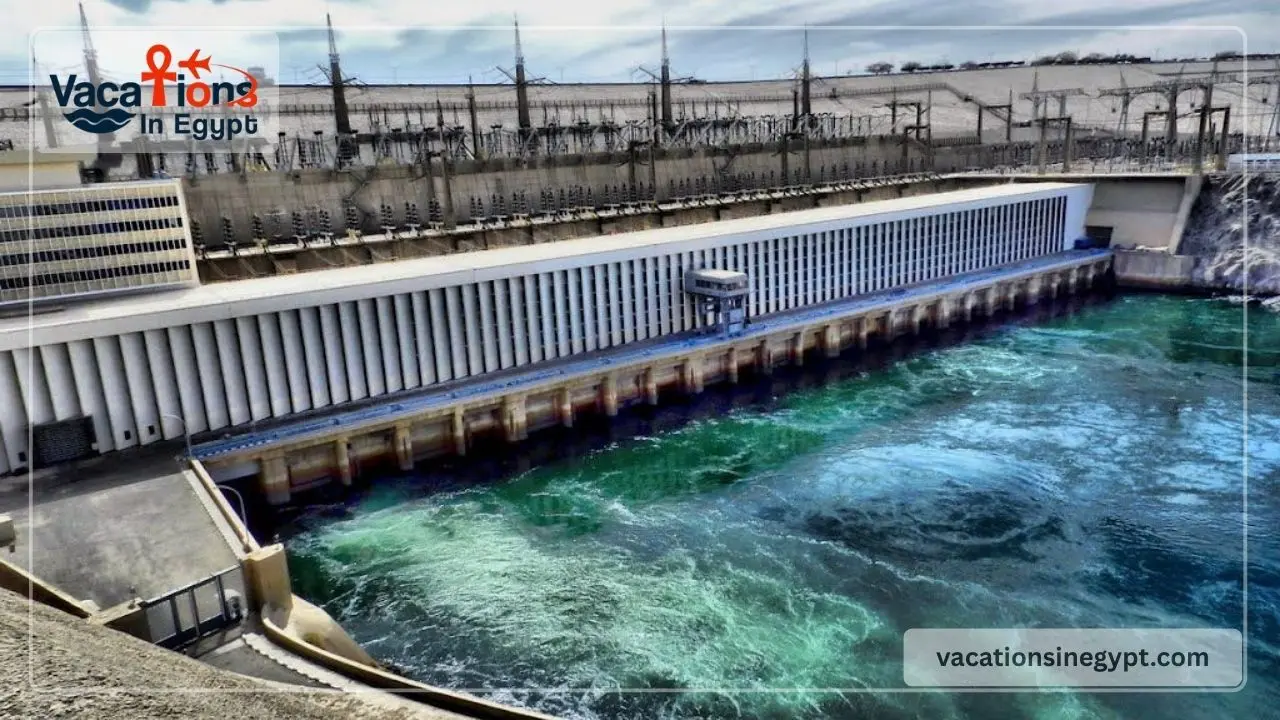
In 1902, the British built the first dam, known as the Aswan Low Dam. Despite being raised twice (in 1912 and 1933), it proved insufficient for the rising population and the unpredictable river flows. By 1946, when water nearly topped the old dam, it became clear that a second, much larger dam was needed 6 kilometers upstream.
The History: Politics and Construction
The story of the High Dam is as much about politics as it is about engineering.
The Vision of Gamal Abdel Nasser
The project was the dream of Egyptian President Gamal Abdel Nasser. He viewed the dam as a symbol of national pride and economic independence. To fund the massive project, Nasser nationalized the Suez Canal in 1956, a bold move that triggered international conflict but ultimately secured the revenue needed for the dam.
The Soviet Connection
When Western nations withdrew their financial support, Nasser turned to the Soviet Union during the height of the Cold War. The Soviets agreed to sponsor one-third of the total cost and provided essential technical advice and heavy machinery.
Construction officially began on January 9, 1960, and lasted for ten years. The reservoir began filling in 1964, and the dam was formally inaugurated in 1971.
Aswan High Dam: Fast Facts & Figures
The scale of the High Dam is difficult to comprehend until you see it in person. Here are the staggering numbers that make it a “mega structure”:
- Height: 111 meters above sea level.
- Length: 3,600 meters (3.6 km) across the Nile.
- Base Width: 980 meters (almost 1 km wide at the bottom!).
- Volume: It contains 43 million cubic meters of material (stone, clay, and sand)—enough to build 17 Great Pyramids of Giza.
- Water Discharge: At maximum capacity, it can release 11,000 cubic meters of water per second through its spillways.
The Creation of Lake Nasser
The construction of the dam created Lake Nasser, the largest man-made lake in the world by surface area.
- Length: Approximately 500 km (extending into Sudan, where it is called Lake Nubia).
- Width: Up to 16 km at its widest point.
- Capacity: It holds between 150 and 165 cubic kilometers of water.
The Human Cost: The creation of the lake required the relocation of over 90,000 Nubian people and the massive UNESCO campaign to rescue ancient temples (including Abu Simbel and Philae) from rising waters.
What to See When Visiting
1. The Panoramic Views
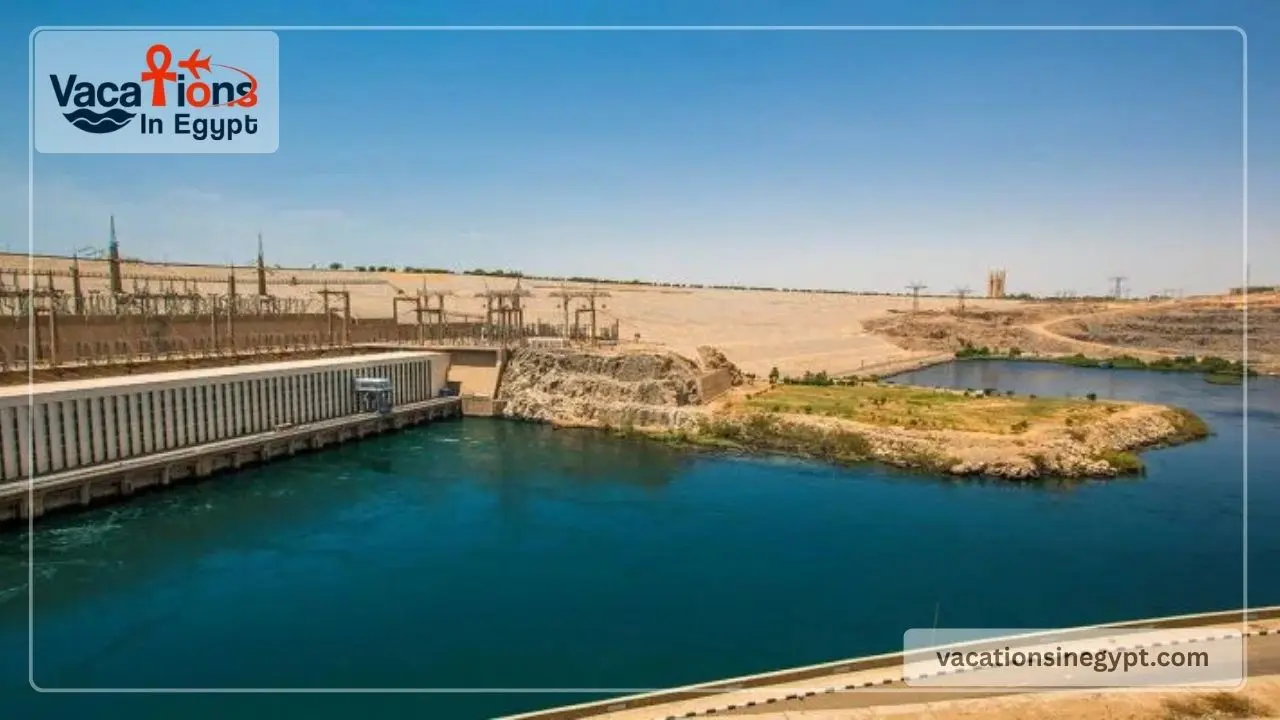
From the top of the dam, you get a dual view that tells the story of Egypt: to one side, the vast, calm waters of Lake Nasser; to the other, the Nile flowing north toward the old Low Dam and the city of Aswan.
2. The Lotus Flower Monument
Located near the dam’s entrance is the towering Soviet-Egyptian Friendship Monument. Built in the shape of a lotus flower (an ancient Egyptian symbol of rebirth) combined with a cogwheel (representing industry), it commemorates the cooperation between the two nations.
- Look closely: On the walls, you will find bilingual reliefs in Arabic and Russian celebrating the partnership that built the dam.
Visitor Tips
- Location: About 15 km south of Aswan city center.
- How to get there: Most travelers visit as part of a guided tour that includes the Philae Temple and the Unfinished Obelisk. Taxis are also available.
- Security: As this is a strategic site, expect a security checkpoint at the entrance.
- Best Photo Spot: The walkway near the Friendship Monument offers the best vantage point for capturing the sheer scale of the dam and the lake behind it.