king Merneptah
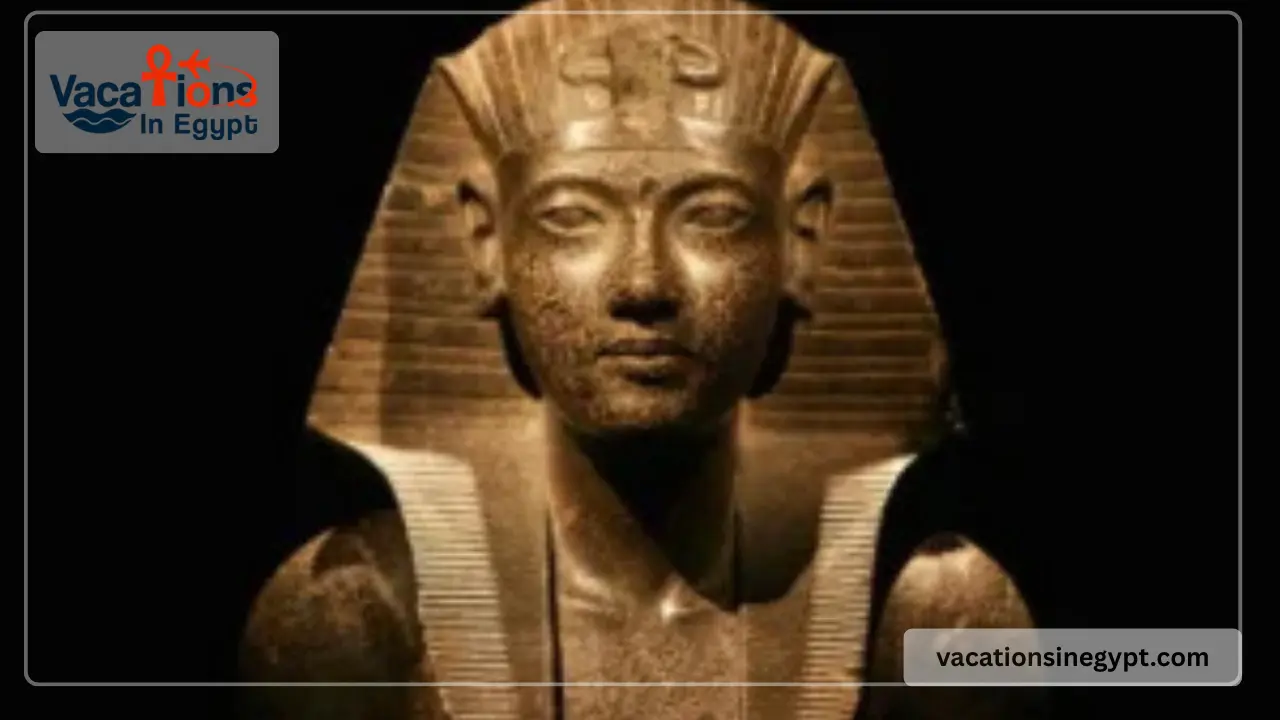
King Merneptah was one of the most significant rulers of Egypt’s Nineteenth Dynasty. As the son of the legendary Ramses II, Merneptah inherited a powerful empire but faced serious threats during his reign. His military campaigns, royal legacy, and historical monuments continue to attract the attention of historians today.
In this article, we explore the life, reign, and major achievements of king merneptah.
Who Was King Merneptah?
King Merneptah was the 13th son of Ramses II and the third son of Queen Isis-Nofret I. He ascended the throne at an advanced age—estimated between 55 and 60 years old—after the deaths of many of his older brothers.
Scholars believe he became pharaoh around 1213 BC, possibly on the same day the Nile began its annual flood, a symbol of renewal and divine blessing in ancient Egypt.
Before becoming king, Merneptah served in high-ranking roles within both the royal administration and the Egyptian army.
The Length of King Merneptah’s Reign
Ancient sources differ regarding how long king merneptah ruled:
- Manetho recorded reign lengths ranging from 8 to 40 years
- Modern Egyptologists generally agree his reign lasted around 10 years
The latest confirmed inscription from his rule dates to Year 9, supporting the shorter timeline.
The Reign of King Merneptah
When Merneptah took power, Egypt was still wealthy and influential, enjoying the stability built during Ramses II’s long reign.
However, after Ramses’ death, several conquered territories saw an opportunity to rebel. As a result, king merneptah immediately faced challenges to Egypt’s authority.
He launched military campaigns in:
- Nubia
- Libya
- The western Delta region
His reign became defined by defending Egypt’s borders rather than expanding them.
Military Campaigns Against Libya and the Sea Peoples
One of the most famous events of Merneptah’s reign was his conflict with Libyan groups and groups known as the Sea Peoples.
These groups aimed not just to raid Egypt but to settle permanently in the Nile Valley, much like the Hyksos had done centuries earlier.
In Year 5 of his reign, invaders advanced into Egypt’s western territories and threatened major provinces. Merneptah responded with strength, successfully repelling the invasion and restoring order.
The Merneptah Stele and the First Mention of Israel
A key historical artifact from Merneptah’s reign is the Merneptah Stele, sometimes called the “Israel Stele.”
This monument contains one of the earliest known references to Israel in ancient Egyptian records.
In 1913, Egyptologist Ludwig Borchardt discovered a fragment mentioning:
- Ashkelon
- Canaan
- Israel
Some researchers believe this fragment may even predate the famous stele, showing the historical importance of king merneptah in Near Eastern history.
The Family of King Merneptah
Wives of Merneptah
Historical evidence suggests Merneptah had two or three royal wives, including:
- Bentanat II, his niece
- Isis-Nofret II, possibly his sister or niece
Isis-Nofret II held important royal titles such as:
- Great Royal Wife
- Mistress of the Two Lands
- Wife of the King
Children and Successors of King Merneptah
Sons
King Merneptah had several sons, including:
- Seti II, who succeeded him
- Prince Merenptah (Naneferkaptah), a military commander
- Amenmes, who later contested the throne
Succession after Merneptah was not peaceful, leading to political instability at the end of the dynasty.
Daughters
Merneptah’s daughters may have included:
- Isis-Nofret III
- Takhat I
The Death and Tomb of King Merneptah
King Merneptah died on May 2, 1203 BC. He was buried in tomb KV8 in the Valley of the Kings.
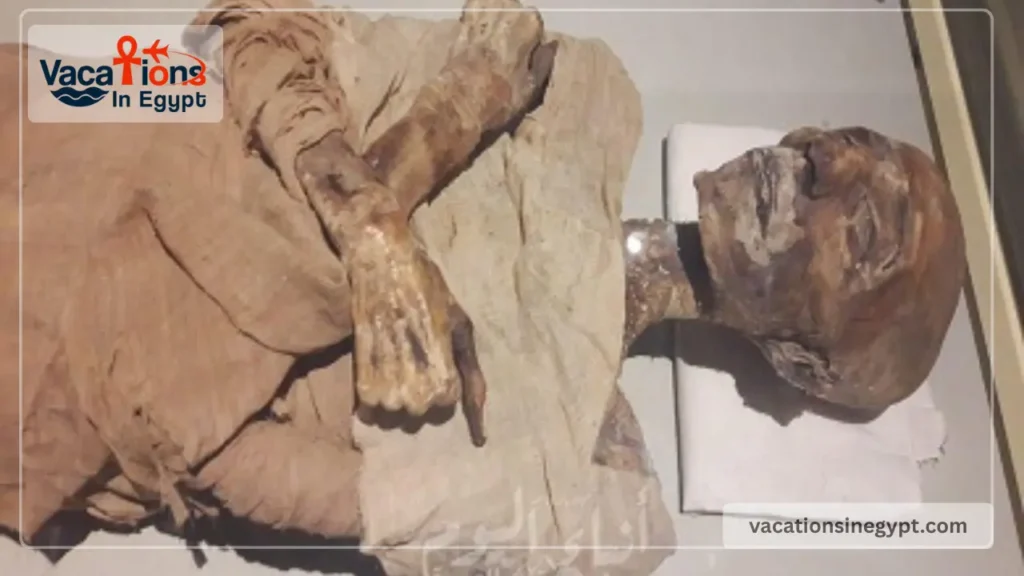
His mummy was discovered in 1898 by Victor Loret in the royal cache of Amenhotep II (KV35), where priests had relocated it for protection during later periods of unrest.
The Mummy of King Merneptah
Studies of Merneptah’s mummy reveal that he was older people at the time of death and suffered from several health conditions, including:
- Arthritis
- Arteriosclerosis
- Dental issues
Some fractures found on the body likely occurred after death, possibly during the relocation of the mummy.
Why King Merneptah Was Historically Important
The reign of king merneptah marked the beginning of the end of stability in the Ramesside period.
Key contributions include:
- Defending Egypt from foreign invasions
- Leaving behind major inscriptions and monuments
- Providing the earliest Egyptian mention of Israel
- Influencing the political transition toward the 20th Dynasty
After his death, Egypt faced dynastic struggles that would reshape the New Kingdom.
Conclusion
King Merneptah may not be as famous as Ramses II, but his reign was critical in protecting Egypt during a time of rising threats. His military victories, royal lineage, and historical monuments ensure his place among the most important pharaohs of ancient Egypt.