Mediterranean Sea
The Mediterranean Sea is one of the most famous and historically significant seas in the world. For thousands of years, it played a vital role in shaping ancient civilizations by connecting countries, cultures, and trade routes. Today, it remains one of the world’s most important tourist destinations thanks to its beautiful coastlines, pleasant climate, and rich natural resources.
In this guide, we explore the Mediterranean Sea’s location, history, geography, biodiversity, economic importance, and environmental challenges.
Location of the Mediterranean Sea
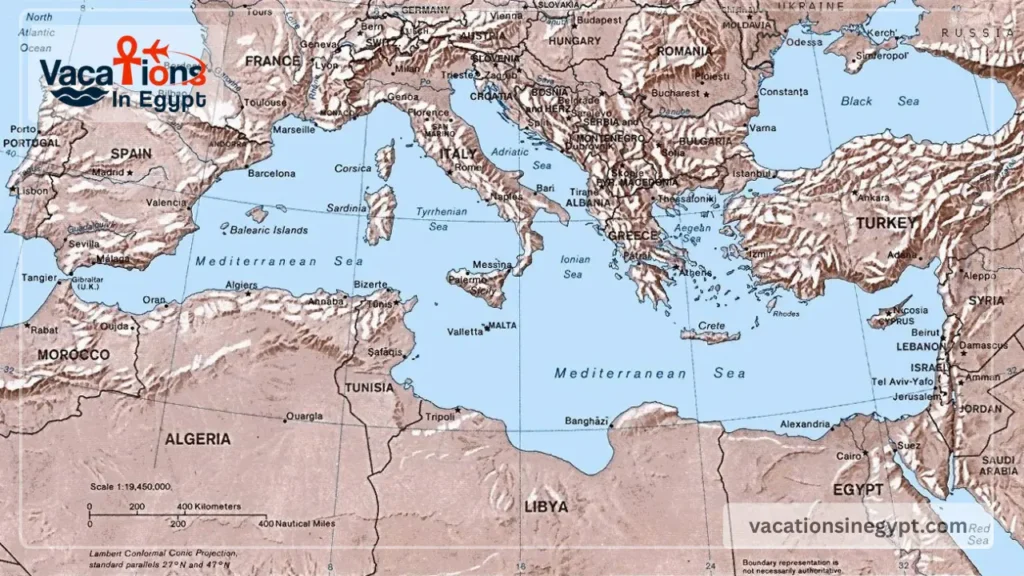
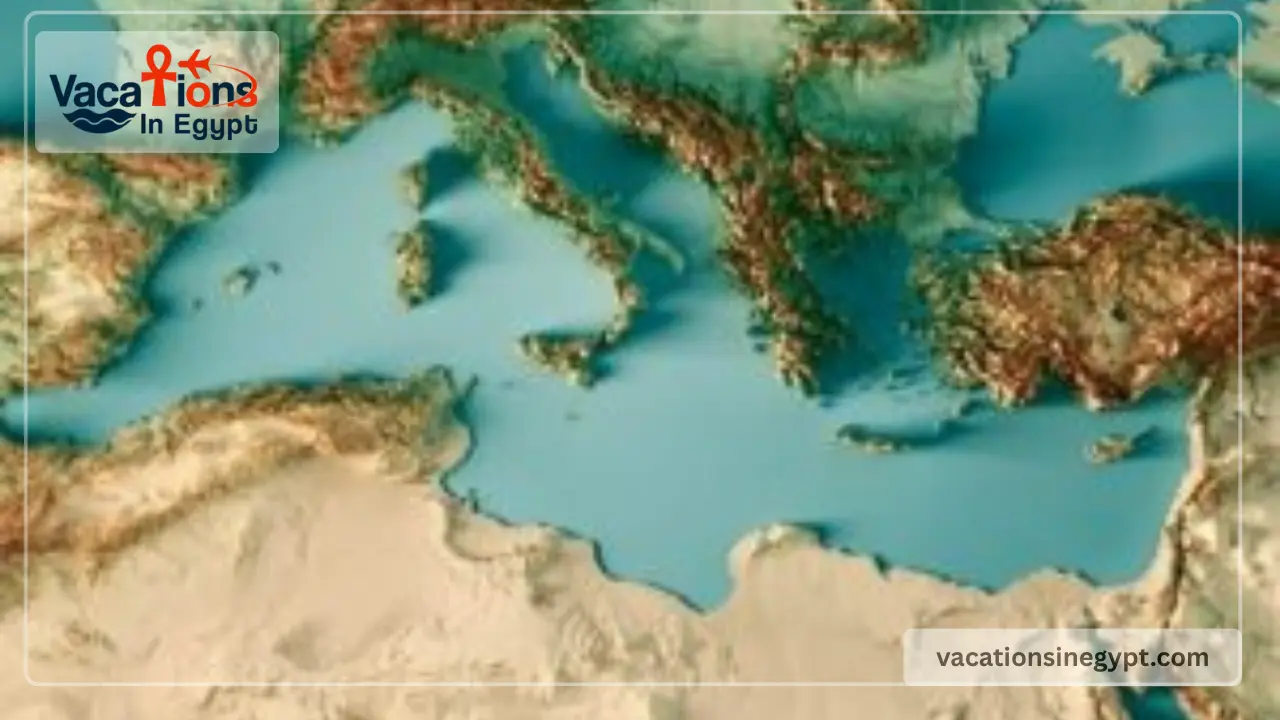
The Mediterranean Sea is located north of Egypt and lies between three continents:
- Europe to the north
- Africa to the south
- Asia to the east
It is connected to the Atlantic Ocean through the Strait of Gibraltar, to the Red Sea via the Suez Canal, and indirectly to the Indian Ocean, making it one of the most strategic waterways in the world.
Interesting Facts About the Mediterranean Sea
- The Mediterranean Sea was isolated from the Atlantic Ocean millions of years ago, leading to partial drying before being refilled by a massive flood.
- It stretches from southern Europe to northern Egypt and the eastern Levant.
- The Roman Empire controlled most of the Mediterranean Sea for nearly 400 years.
- The sea is bordered by 22 countries and contains more than 3,000 islands of varying sizes.
Other Names of the Mediterranean Sea
Throughout history, the Mediterranean Sea has been known by different names:
- Mare Nostrum (Our Sea) – Romans
- The Great Green – Ancient Egyptians
- White Sea – Turkish name
- Mesogeios Thalassa – Greek, meaning “the sea between lands”
The modern name “Mediterranean” comes from Latin roots meaning the sea in the middle of the land.
Area and Physical Characteristics
- Total area: approximately 2.5 million square kilometers
- Length: about 3,900 km
- Coastline: around 46,000 km
- Salinity: about 3.8%, higher than most seas due to high evaporation rates
Although it covers less than 1% of the world’s ocean surface, it plays a major role in global climate and marine ecosystems.
Climate of the Mediterranean Region
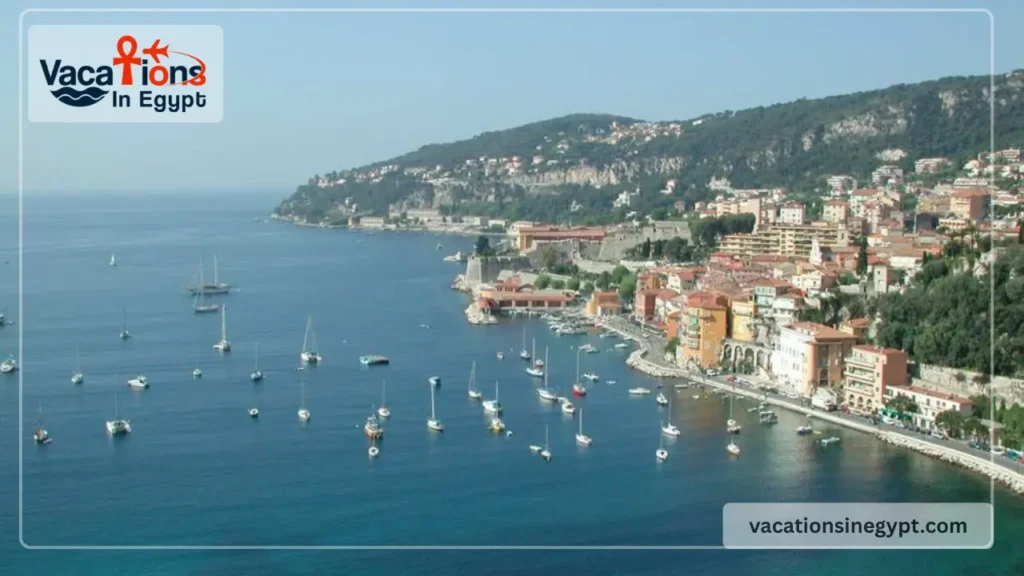
The Mediterranean region is known for its distinctive climate:
- Hot, dry summers
- Mild, rainy winters
- Moderate coastal temperatures
This climate makes the Mediterranean coasts among the most attractive places for tourism worldwide.
Biodiversity of the Mediterranean Sea
Despite its relatively small size, the Mediterranean Sea is one of the richest seas in marine biodiversity:
- Over 17,000 marine species
- More than 12,000 documented marine organisms
- Home to the Posidonia seagrass, essential for marine life
- A major migration route for over 150 bird species
It ranks among the top seas globally in biodiversity.
Importance of the Mediterranean Sea
Historical and Cultural Importance
The Mediterranean Sea linked ancient civilizations such as Egypt, Greece, Rome, and the Levant, enabling cultural exchange and trade.
Economic Importance
- Fishing and seafood industries
- Natural gas and oil exploration
- Major international shipping routes
- Tourism and coastal development
Strategic Importance
The sea connects Europe, Africa, and the Middle East, making it geopolitically significant, especially after the opening of the Suez Canal.
Mediterranean Sea in Egypt
In Egypt, the Mediterranean Sea is famous for:
- Sandy beaches and clear blue waters
- Popular summer resorts
- Cooler climate compared to Cairo
- Major ports and trade routes
It is a favorite destination for Egyptians and international tourists alike.
Natural Resources of the Mediterranean Sea
Fish Resources
Popular commercial fish include tuna, mullet, white fish, and others that support regional economies.
Mineral Resources
- Salt production for food and chemical industries
- Natural gas formed from ancient marine organisms
- Oil fields in nearby regions contributing to global energy supplies
Transportation and Tourism
The Mediterranean Sea is one of the world’s busiest maritime routes. The opening of the Suez Canal greatly increased its importance for global trade.
Tourism is one of the main sources of income in Mediterranean countries, as millions of visitors come to enjoy:
- Scenic coastlines
- Historical cities
- Sea cruises between Europe, North Africa, and the Middle East
Environmental Problems and Human Impact
The Mediterranean Sea faces several environmental challenges:
- Water pollution from industrial and urban activities
- Overfishing and marine resource depletion
- Climate change affecting water temperature and salinity
- Invasive species entering through the Suez Canal
International organizations are working to reduce pollution and protect marine ecosystems through environmental laws and regulations.
Conclusion
The Mediterranean Sea is far more than just a body of water. It is a historical bridge between civilizations, a vital economic resource, and one of the most biodiverse seas on Earth. Protecting it is essential to preserve its cultural, environmental, and economic value for future generations.
Finally, Egypt is a dream vacation destination for those who want to discover the extraordinary world of antiquity. Enjoy your vacation in Egypt with vacation packages to Egypt