Nile River Valley
The Nile River Valley is one of the most historically rich regions in the world. While many travelers focus on Cairo, Luxor, and Aswan, the areas surrounding the Nile hide remarkable sites that are often overlooked. These lesser-known destinations offer a deeper and more authentic view of Egypt, where history, agriculture, and daily life still follow ancient rhythms.
If you have extra time during your trip, exploring the Nile River Valley beyond the classic itineraries will reward you with unforgettable experiences.
The Importance of the Nile River Valley
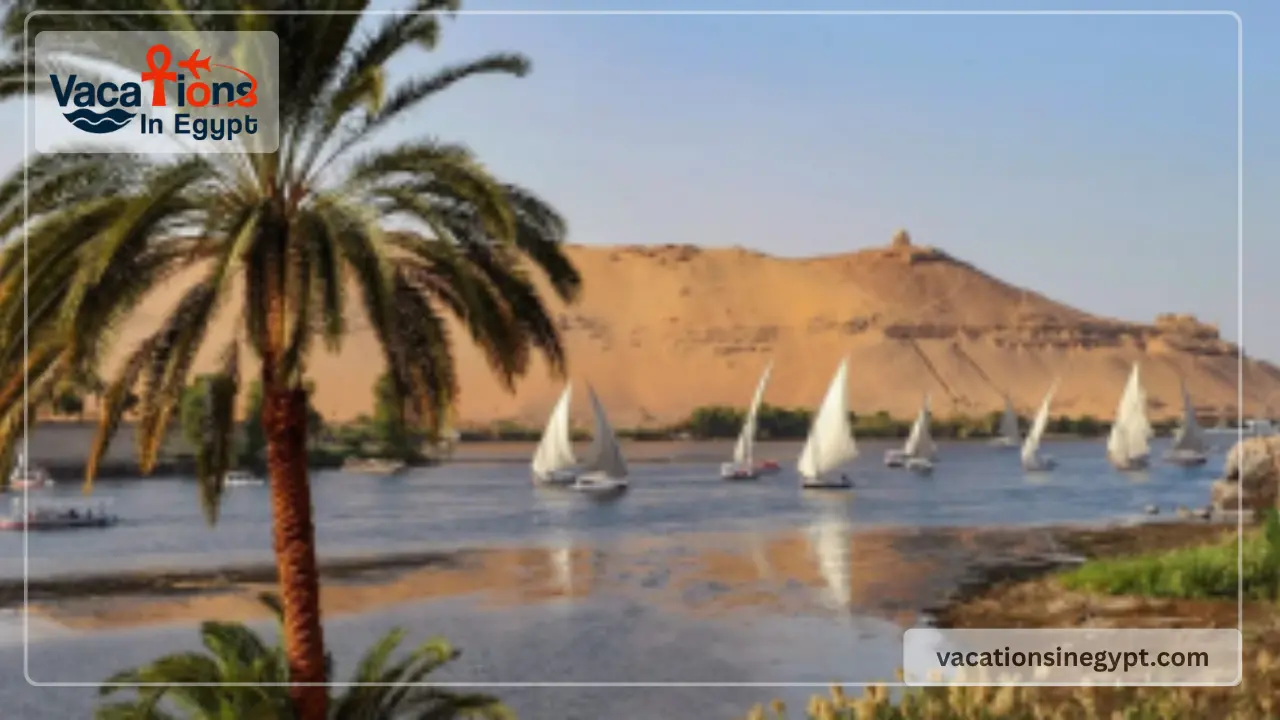
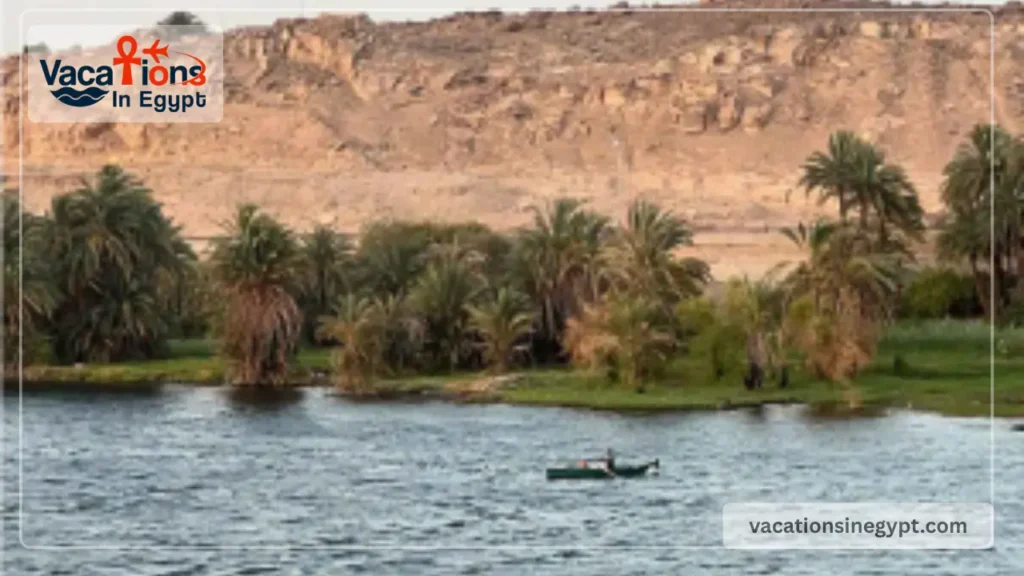
The Nile River Valley played a crucial role in the rise of ancient Egyptian civilization. Stretching over 6,550 km, the Nile is one of the longest rivers in the world and the lifeline of Egypt. Its annual floods enriched the soil, allowing agriculture to flourish in an otherwise arid desert.
Ancient Egyptians called the fertile land along the river Kemet, meaning “the Black Land,” in contrast to the surrounding desert. Cities, villages, and temples grew along its banks, making the Nile the backbone of Egyptian life for thousands of years.
Nile River Valley Civilization
The Nile originates in East Africa and flows northward to the Mediterranean Sea. Its main tributaries, the White Nile and Blue Nile, meet in Khartoum, Sudan. The seasonal flooding—caused mainly by rains in the Ethiopian Highlands—made Egypt agriculturally rich and largely self-sufficient.
This natural protection and fertility allowed Egyptian civilization to develop in relative isolation, preserving its traditions, religion, and culture for millennia.
Historical Significance of the Nile
The Nile never completely dries up and was worshipped as a divine gift. Ancient mythology linked its flooding to the tears of the goddess Isis mourning Osiris. Greek historians famously described Egypt as “the gift of the Nile.”
From ancient texts like The Odyssey to modern culture, the Nile River has always been central to world history.
Nile River Basin and Geography
The Nile River Basin covers nearly one-tenth of Africa and includes parts of several countries. It is bordered by:
- The Mediterranean Sea to the north
- The Ethiopian Plateau to the east
- Lake Victoria to the south
The Nile divides into the Rosetta and Damietta branches, forming the fertile Nile Delta, one of the most productive agricultural regions in the world.
Top Places to See in the Nile River Valley
1. Beni Hassan
Located 20 km south of Minya, Beni Hassan is an ancient necropolis carved into limestone cliffs. Dating to the 11th and 12th Dynasties, its tombs provide rare insights into daily life, politics, and social structure during the Middle Kingdom.
2. Beni Suef
An important transportation hub between Cairo, Upper Egypt, and the Red Sea, Beni Suef offers a glimpse into provincial Egyptian life. Historically known for its linen production, it reflects Egypt beyond major tourist centers.
3. Al Fayum Oasis
Just two hours from Cairo, Al Fayum is a lush oasis surrounding Lake Qarun. Palm trees, agricultural fields, and water buffalo create a striking contrast to the desert landscape, making it one of the most scenic areas in the Nile Valley.
4. Nile Delta
North of Cairo, the Nile Delta is a peaceful region of canals, farmland, and traditional villages. It offers a calm escape from the capital and showcases rural Egyptian life at its finest.
5. Tanta
The largest city in the Nile Delta, Tanta is an important religious center and home to the famous Mosque of Al-Sayyed Ahmed Al-Badawi, a key site for Sufism in Egypt.
6. Minya
Often called the Bride of Upper Egypt, Minya features elegant streets, a scenic Nile promenade, and early 20th-century architecture. It is one of the most pleasant cities in Upper Egypt.
7. Tell Al-Amarna
Tell Al-Amarna was founded by Pharaoh Akhenaten as the capital of his monotheistic religion dedicated to Aten, the sun disk. The site offers a fascinating look into one of the most radical periods of ancient Egyptian history.
8. Assiut
A major agricultural center, Assiut reflects everyday life in Upper Egypt. Founded in Pharaonic times, it has long been a key regional capital.
9. Sohag
Sohag is located near some of the most important Coptic Christian sites in Egypt. The nearby White and Red Monasteries are among the oldest monasteries in the world.
10. Esna
South of Luxor, Esna is best known for the Temple of Khnum. The town also features historic Ottoman buildings and a traditional caravanserai that reflect its role as a former trading center.
Development Along the Nile Banks
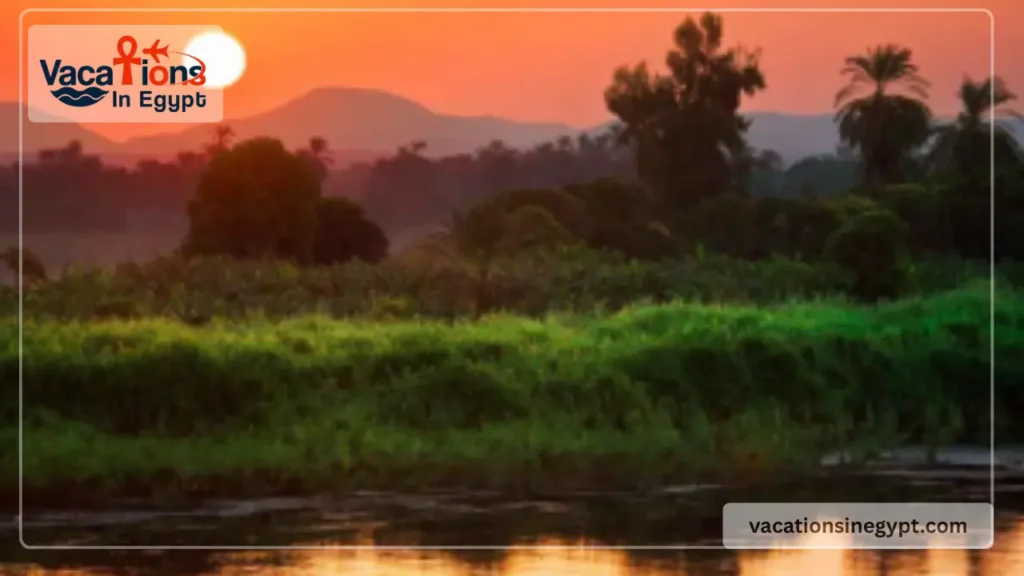
Human settlement along the Nile began over 20,000 years ago. The fertile soil, abundant fish, and reliable water supply attracted early communities. Over time, irrigation systems were developed to manage floods and distribute water efficiently, leading to food surpluses, wealth, and the formation of the Egyptian state.
Irrigation and Agriculture
Annual floods required organized irrigation systems to prevent droughts and waterlogging. These systems supported large populations and contributed to social organization, economic growth, and technological advancement.
Papyrus and Writing in the Nile Valley
Papyrus grew abundantly in the Nile Delta and was essential to Egyptian life. It was used to make paper, clothing, ropes, mats, and even food. The availability of papyrus helped spread writing, record-keeping, and the development of calendars and astronomy.
Nile Mythology and Festivals
The ancient Egyptians divided the year into three seasons—flood, sowing, and harvest—based on the Nile’s cycle. Although the Aswan High Dam ended natural flooding, Egyptians still celebrate Nile Flood Day every August with traditional boats, music, and festivities.
Wildlife and Natural Features of the Nile Valley
The Nile Valley supports diverse wildlife, including:
- Nile perch (up to 140 kg)
- Nile crocodiles (up to 5.5 meters long)
- Hundreds of bird species, including migratory birds
Despite extreme heat and minimal rainfall, the river sustains a rich ecosystem.
Conclusion: Why Visit the Nile River Valley?
The Nile River Valley is more than a river—it is the foundation of Egyptian civilization. From ancient temples and tombs to vibrant villages and fertile farmlands, the Nile tells the story of humanity’s relationship with nature.
Exploring the Nile Valley offers travelers a deeper understanding of Egypt’s past and present, making it one of the most rewarding destinations in the world.
Finally, Egypt is a dream vacation destination for those who want to discover the extraordinary world of antiquity. Enjoy your vacation in Egypt with vacation packages to Egypt