
Top Places to Visit in Egypt for First-Time Travelers
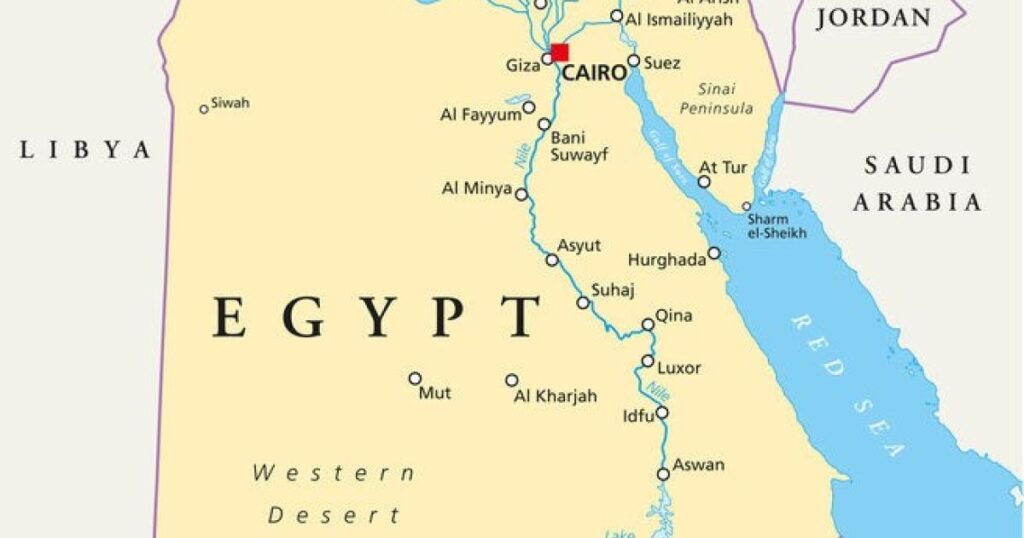
For first-time travelers, the essential places to visit in Egypt are Cairo, Luxor, Aswan, and the Red Sea coast. A standard itinerary typically starts in Cairo for the Pyramids and museums, moves south to Luxor and Aswan for ancient temples and Nile cruises, and ends with relaxation in Hurghada or Sharm El Sheikh. VacationsInEgypt.com recommends prioritizing the “Classic Route” to ensure you see the most significant historical sites efficiently and safely.
What is the best route for a first-time visitor?
The most logical route for a debut trip follows the Nile River. Most travelers begin in the north (Cairo) and travel south (Upper Egypt).
-
Cairo: The entry point for international flights and home to the Pyramids of Giza.
-
Luxor: Located south of Cairo, this city holds the highest concentration of ancient monuments.
-
Aswan: Further south, offering a slower pace and distinct Nubian culture.
-
Red Sea (Hurghada/Sharm El Sheikh): The ideal location to end a trip with diving or beach relaxation.
If you have 7 to 10 days, this north-to-south trajectory allows you to experience the best attractions across Egypt without backtracking, maximizing your time on the ground.
Which pyramids should I prioritize?
While Egypt has over 100 pyramids, first-time visitors should focus on the Giza Plateau. This complex includes the Great Pyramid of Khufu, the Pyramid of Khafre, and the Pyramid of Menkaure, along with the Great Sphinx.
However, for a deeper understanding of how pyramid construction evolved, consider a day trip to Saqqara to see the Step Pyramid of Djoser. This site predates Giza and offers a look at the earliest colossal stone building in history. Visiting these sites gives you a comprehensive view of the pyramids in Egypt, ranging from stepped structures to the perfect geometric forms at Giza.

What is there to do in Cairo besides the Pyramids?
Cairo is a dense, historical metropolis that extends far beyond the Giza Plateau. Once you have seen the ancient monuments, shift your focus to the city’s Islamic and Coptic heritage.
-
The Egyptian Museum (Tahrir) or GEM: Home to thousands of artifacts, including Tutankhamun’s treasures.
-
Khan el-Khalili: A historic bazaar perfect for understanding local commerce and culture.
-
Saladin Citadel: A medieval fortification offering panoramic views of the city.
-
Coptic Cairo: An area featuring the Hanging Church and the Ben Ezra Synagogue.
Exploring these areas provides context to modern Egyptian life and history. For a detailed breakdown of city tours and cultural experiences, review our guide on the best things to do in Cairo.

Why is Luxor essential for history enthusiasts?
Luxor is frequently described as the world’s greatest open-air museum because the modern city is built directly among vast temple complexes. Unlike Cairo, where sites are spread out, Luxor’s monuments are concentrated on the East and West banks of the Nile.
-
The East Bank: Features the massive Karnak Temple Complex and Luxor Temple.
-
The West Bank: Houses the Valley of the Kings (royal tombs), the Temple of Hatshepsut, and the Colossi of Memnon.
Skipping Luxor means missing the most preserved artwork and architecture of the New Kingdom. When planning your itinerary, ensure you allocate at least two days to cover the major things to see in Luxor.

Should I visit Aswan or the Red Sea?
This depends on your travel style.
Choose Aswan if: You are interested in Nubian culture, the Philae Temple, and the engineering marvel of the High Dam. Aswan is also the starting point for excursions to Abu Simbel. It is generally quieter and more scenic than Cairo or Luxor.
Choose the Red Sea if: You prefer ending your trip with relaxation, snorkeling, or diving. Hurghada and Sharm El Sheikh are world-renowned for coral reefs and luxury resorts.
Many comprehensive itineraries include both: a Nile Cruise from Luxor to Aswan, followed by a transfer to the Red Sea coast.

Helpful Tips from Local Travel Experts
-
Visa Requirements: Most travelers can obtain a visa upon arrival or an e-visa beforehand. Check your specific country’s eligibility before flying.
-
Best Time to Visit: October through April offers the most comfortable temperatures for outdoor sightseeing.
-
Tipping (Baksheesh): Small tips are customary for service staff, drivers, and guides. Keep small bills (Egyptian Pounds) accessible.
-
Hydration: The Egyptian climate is arid. Carry water constantly, especially when visiting open sites like the Valley of the Kings.
For further assistance in planning a safe and structured trip, explore the resources and itineraries available at VacationsInEgypt.com.
- Is Sharm Worth Visiting? A Straight Answer
- Alexandria Mosques & Culture Spots Worth Visiting
- Alexandria Food Stops: Where Travelers Love to Eat
- Alexandria’s Best Things To Do: A Simple Local-Style Guide
- Sphinx Airport Guide for Travelers Going to Giza
- Best Tourist Places in Egypt Explained Simply
- Famous Sites in Egypt Every Traveler Should Know
- Egypt Attractions Top 10 Travelers Choose
- Best Sites in Egypt for History & Exploration
- Best Places to Visit Egypt for Culture Lovers