Most first-time visitors to Cairo follow the same well-worn path: the Pyramids of Giza, the Egyptian Museum, and a quick walk through Khan el-Khalili market. These are undeniably iconic — but they are far from the full picture.
Among the top sites in Cairo, the most atmospheric and historically rich experiences are often the ones that don’t make it onto standard tour itineraries. If you want to understand Cairo beyond the surface, this guide is for you.
What Most Travelers Overlook in Cairo
Tight schedules and bus-tour logistics push most visitors toward the obvious landmarks. What gets left out is the living, breathing historic core of the city — Islamic Cairo — and specifically, the incredible depth it offers after dark.
According to, local travel experts at VacationsInEgypt.com, dedicating at least one full evening to Cairo’s historic pedestrian districts can be one of the most rewarding decisions of your entire trip. The areas are walkable, well-lit at night, and full of architectural and cultural experiences that simply cannot be replicated elsewhere.
First, El Muizz Street — Cairo’s Forgotten Open-Air Museum
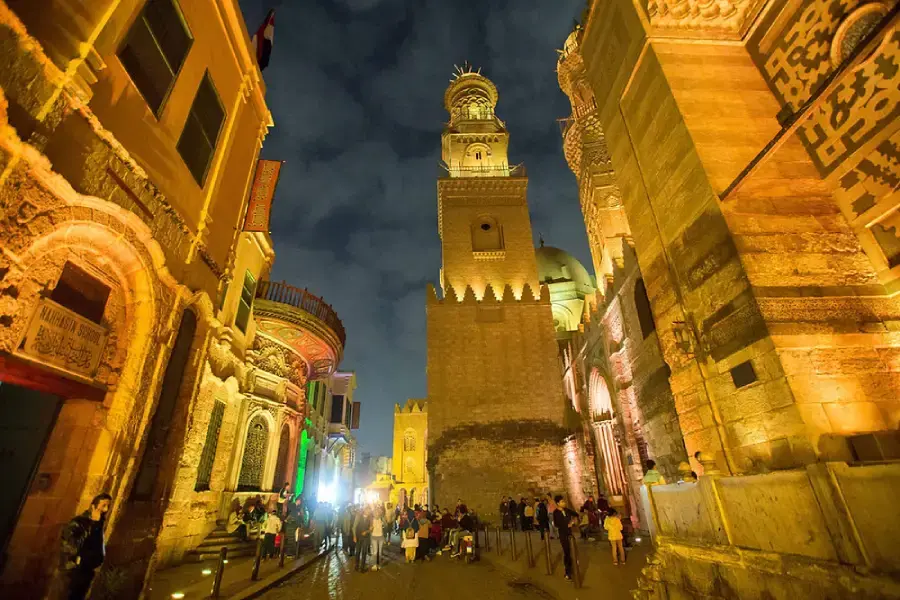
When travelers think of the top sites in Cairo, El Muizz Street rarely comes to mind. It should.
In addation, Running parallel to Khan el-Khalili market, El Muizz Street is one of the oldest continuously inhabited streets in the world and home to the greatest concentration of medieval Islamic architecture anywhere on the planet. Mamluk mosques, ornate madrasas, and restored merchant mansions line both sides of a pedestrian-only boulevard that most bus tours never enter.
Why most tourists miss it: Standard tour buses drop passengers at the market entrance without venturing further down the street. Because it requires walking, it gets skipped — which is a significant loss.
What you’ll see: Beautifully preserved stone facades, including the stunning Bayt Al-Suhaymi mansion, illuminated at night in warm golden light.
Best time to visit: Sunset or early evening. The lighting transforms the street into something that feels almost cinematic — and the crowds thin out compared to midday.
For a deeper look at the specific monuments along this route, visit the El Muizz Street guide on VacationsInEgypt.com.
Second, Wekalet El Ghouri — Where Cairo’s Spiritual Traditions Come Alive
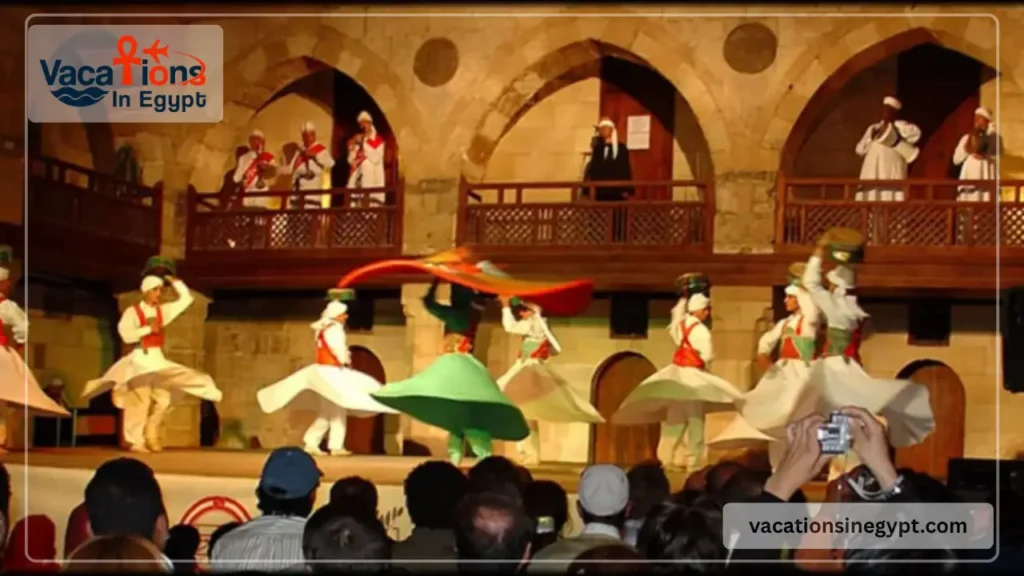
Many visitors settle for a Nile dinner cruise with a commercial belly dance show, not knowing that one of the most extraordinary cultural performances in Egypt is available for free — in a 16th-century courtyard a short walk away.
Wekalet El Ghouri is a beautifully preserved caravanserai (historic merchant’s inn) that dates back to the Mamluk era. The building itself — a massive stone courtyard surrounded by arched galleries — is worth visiting regardless of what’s happening inside.
But what happens inside makes it truly special.
The Al-Tannoura Egyptian Heritage Dance Troupe performs here regularly, presenting the Tanoura, or Whirling Dervish ceremony. This is not a tourist show. It is a cultural and spiritual performance rooted in Sufi tradition, performed by one of Egypt’s most respected heritage troupes.
Practical details:
- Performances are typically held on Saturdays, Mondays, and Wednesdays
- Seats fill up quickly — arrive early
- Admission is free, but space is limited
This is easily one of the most underrated top sites in Cairo for anyone interested in authentic Egyptian culture beyond the pharaonic.
Third, Khan el-Khalili — Beyond the Souvenir Stalls
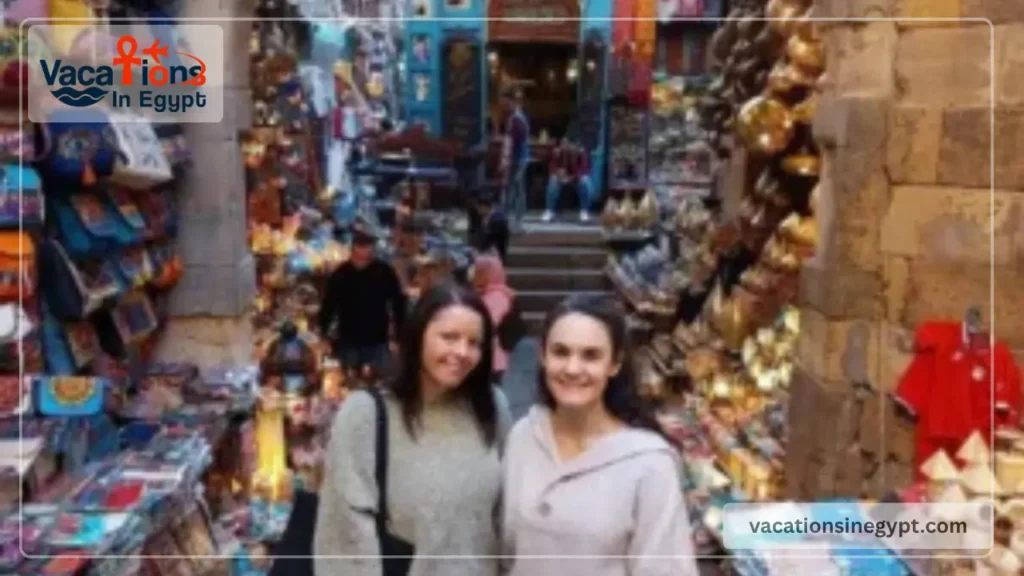
Khan el-Khalili is on almost every Cairo itinerary, but most visitors only scratch the surface. The main tourist street is packed with trinkets and aggressive vendor pitches. And many first-timers leave feeling underwhelmed.
The real charm lies deeper inside.
El Fishawy Cafe
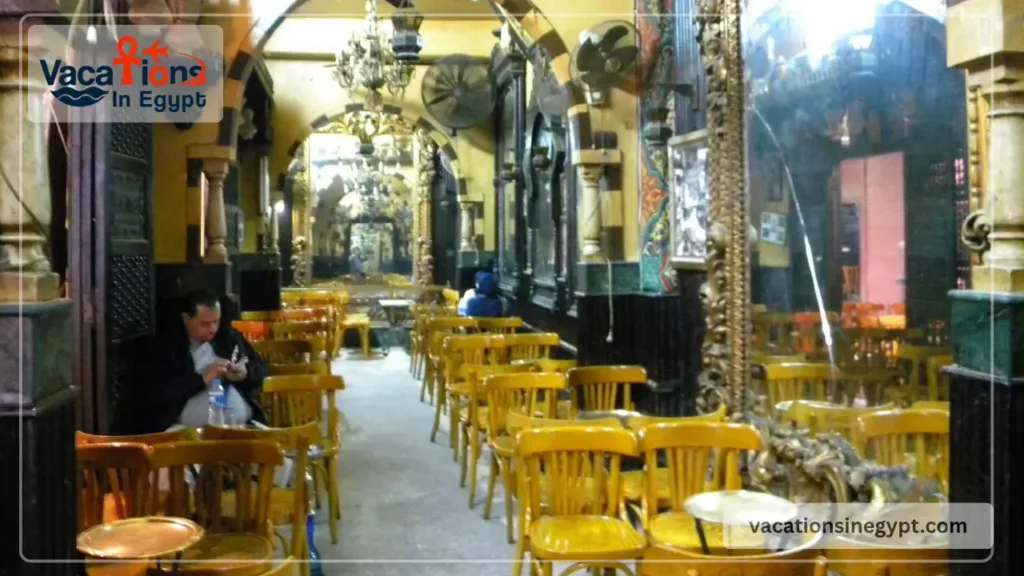
Established in 1797, El Fishawy is the oldest cafe in Cairo and one of the most atmospheric spots in the entire city. It spills out into a narrow alley, filled with the smell of shisha, the sound of Arabic conversation, and the quiet ritual of mint tea. It is crowded, chaotic, and completely essential.
The Craftsmen’s Quarters
Venture past the souvenir stalls and you’ll find streets organized by trade — coppersmiths hammering intricate patterns, tentmakers stitching elaborate appliqué fabric, and silversmiths working at open benches. Watching artisans at work is a completely different experience from browsing finished goods in a tourist shop.
For a stress-free way to navigate the market’s maze, the practical tips for visiting Khan el-Khalili on VacationsInEgypt.com are a helpful starting point.
How to Explore These Areas Without Getting Lost
Islamic Cairo is largely pedestrian and genuinely labyrinthine. That’s part of its appeal but, It also means preparation matters.
Walking is non-negotiable. You cannot drive down El Muizz Street. These areas must be explored on foot, which is why they rarely appear on coach tour schedules.
A local guide makes a significant difference. Not just for safety, but for context. Many of the most extraordinary buildings in this area sit behind plain wooden doors with no signage. A knowledgeable guide turns a confusing walk into a layered historical experience.
For a structured route that connects the city gates, El Muizz Street, Wekalet El Ghouri, and Khan el-Khalili in a single efficient evening, the Islamic Cairo Walking Tour from Vacations In Egypt.com is worth considering.