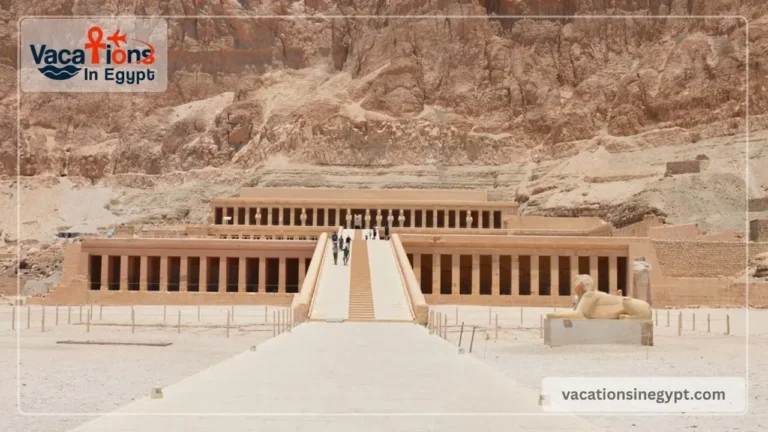
Cairo is one of the world’s great cities — layered, complex, and vast. With only a few days to explore it, the temptation is to pack in as much as possible. That instinct usually backfires.
The travelers who leave Cairo most satisfied are not the ones who saw the most sites. They are the ones who saw the right sites, in the right order, with enough breathing room to actually absorb what they experienced.
This guide explains how to approach a short Cairo visit with clarity — which sights to prioritize, how to structure your days, and where most short itineraries go wrong.
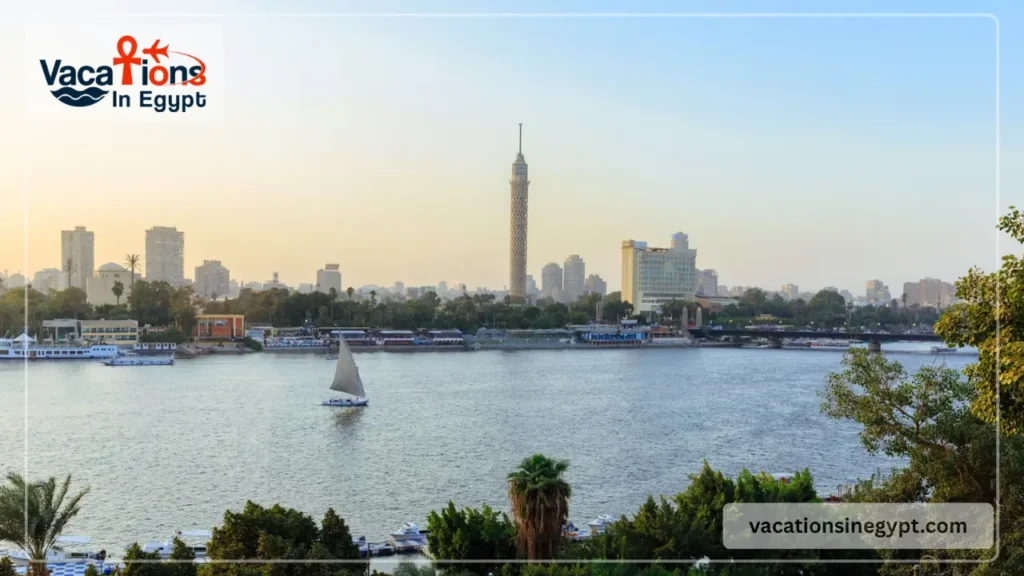
Which Cairo Sights Matter Most When Time Is Limited?
Not every landmark in Cairo is worth your limited time. When you only have a few days, the best sights share three qualities:
- They represent different eras of the city — pharaonic, Islamic, Coptic, and modern
- They are geographically close to other worthwhile stops
- They deliver immediate context without requiring extensive background knowledge
A focused overview of things to visit in Cairo can help you narrow your choices to places that genuinely reward a short visit — rather than landmarks that look impressive in photos but require hours of travel and explanation to appreciate in person.
The goal is depth over quantity. Two or three sites understood well are worth far more than eight sites seen quickly.
How to Structure Your Days in Cairo

A simple three-day framework works well for most short visits:
Day 1 — Orientation and Major Landmarks
Use your first day to establish a sense of scale and geography. Visit the Pyramids of Giza and the Grand Egyptian Museum. These two sites sit near each other on the western edge of the city and together provide the strongest possible introduction to ancient Egyptian civilization.
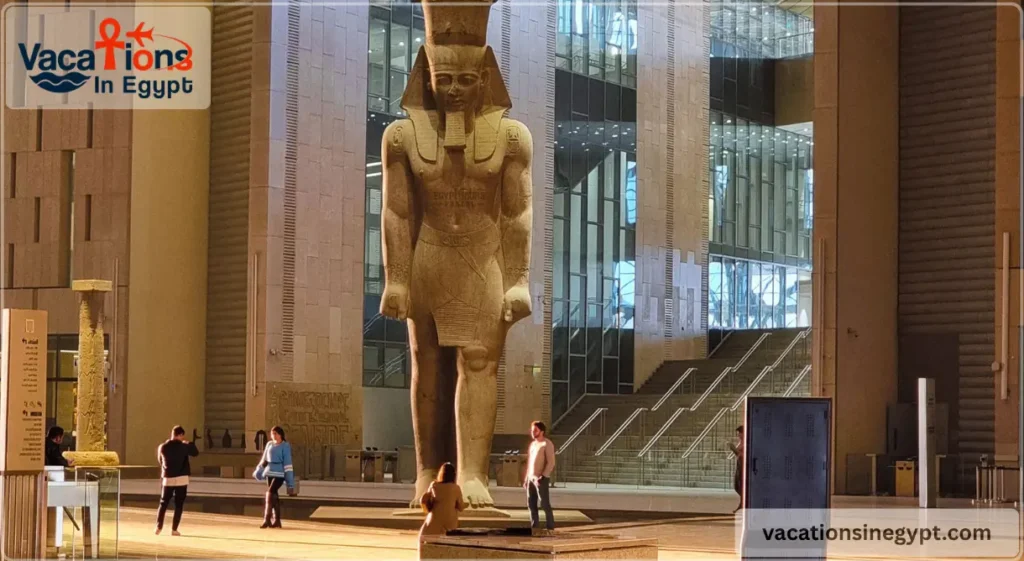
Arrive at the Pyramids early — by 8am if possible — before the heat builds and the tour groups arrive. Move to the museum in the late morning, and give yourself at least three hours inside.
Day 2 — Cultural and Historical Depth
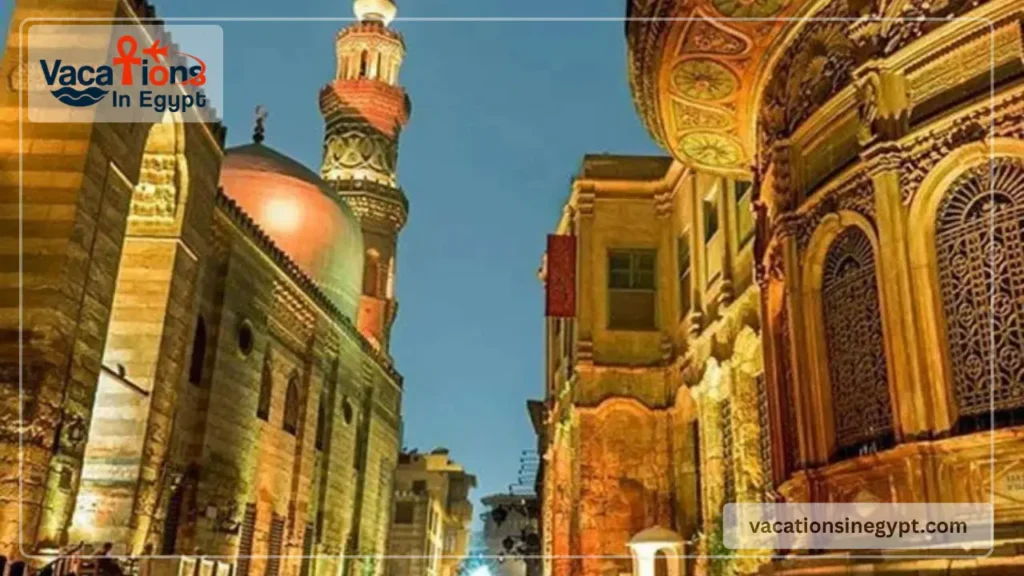
Dedicate your second day to Islamic Cairo. El Muizz Street, Khan el-Khalili bazaar, and the Wekalet El Ghouri performance space are all within walking distance of each other and collectively offer a completely different side of the city.
Plan this day around an evening finish. The Islamic Cairo district is most atmospheric after sunset, when the stone facades are lit and the streets fill with local life rather than tourist traffic.
Day 3 — Flexible Exploration and Local Life

Reserve your final day for whatever felt unfinished — Coptic Cairo, the Citadel, a Nile cruise, or simply revisiting a neighborhood at a slower pace. A flexible third day also acts as a buffer for anything that took longer than expected on days one and two.
This structure avoids repeating similar experiences across consecutive days and keeps energy levels manageable throughout.
Why Food Stops Belong in Your Sightseeing Plan
Meals are not a break from experiencing Cairo — they are part of it.
Egyptian food culture is deeply social, and the way Cairo eats tells you as much about the city as any museum. A well-chosen restaurant breaks up the day naturally, requires no additional travel time if selected in advance, and gives you a genuine glimpse into how locals actually live.
Rather than defaulting to hotel dining or the nearest tourist-facing café, spend five minutes before your trip browsing curated recommendations like the top restaurants in Cairo. Knowing where you’ll eat before you arrive removes one decision from an already busy day and significantly improves the quality of the experience.
Is a Pre-Planned Itinerary Better Than Deciding Day by Day?
For short visits, almost always yes.
When you only have three to five days, improvising costs you time you cannot afford to lose. A clear framework means you spend your mental energy on what you’re seeing — not on figuring out what to do next.
A structured option like a 5-day tour of Cairo demonstrates how to group nearby sights, balance intense and lighter days, and build in rest without wasting time. For even tighter schedules, a 5-day Cairo short tour shows how a compact itinerary can simplify every daily decision without locking you into an inflexible hour-by-hour schedule.
The best pre-planned itineraries leave room for spontaneity within a sensible structure — not the other way around.
What to Skip When Your Time Is Short

Knowing what to leave out is just as important as knowing what to include. The most common time drains on short Cairo visits are:
Distant neighborhoods with no clear purpose. If a site requires more than 30 minutes of travel from your other stops and doesn’t add something meaningfully different, cut it.
Back-to-back museum visits. Two major museums in one day is usually one too many. Museum fatigue is real, and rushing through a second collection rarely produces lasting memories.
Overpacked daily schedules. Six stops in a single day sounds productive but typically results in none of them being seen properly. Three well-chosen sites, seen without rushing, will stay with you far longer.
Seeing fewer things more fully is the single most reliable way to leave Cairo with a strong impression of the city rather than a blur of disconnected images.
Expert Tips for a Short Cairo Visit
- Prioritize geographic proximity. Group sites by location, not by historical period. Crossing the city repeatedly wastes hours.
- Start each day early. Cairo’s heat and crowds both peak by midday. Early mornings at outdoor sites are a different experience entirely.
- Plan meals in advance. One well-chosen lunch or dinner per day adds cultural value without adding planning stress.
- Build in flexibility. Leave at least one half-day unscheduled. Something will take longer than expected, or something unexpected will be worth stopping for.
- Choose depth over coverage. The travelers who understand Cairo best after a short visit are those who engaged seriously with a few places — not those who photographed the most.